
Why avoid cotton buds: Safe ear care tips for Scotland
Cotton buds are a bathroom staple in millions of Scottish homes, yet using them inside your ears is one of the most common mistakes people make for their hearing health. Many adults and parents reach for a cotton bud after a shower, believing it is the safest way to keep ears clean. In reality, inserting cotton buds risks physical trauma including scratches to the ear canal skin, bruising, bleeding, and eardrum perforation, potentially leading to hearing loss, tinnitus, vertigo, or infection. This guide explains the real dangers, dispels common myths, and outlines safer alternatives that genuinely protect your ears and your children’s hearing.
Key Takeaways
Point | Details |
Cotton buds cause harm | Cotton buds can injure the ear canal and lead to infection or hearing loss. |
Alternatives are safer | Professional removal and oil drops are recommended for safe ear care. |
Children need special care | Never use cotton buds in children’s ears; they are highly vulnerable to injury. |
Expert advice is unanimous | All leading UK health bodies warn against cotton bud use for ear cleaning. |
Professional support is available | Microsuction clinics and NHS guidance help manage ear health safely in Scotland. |
The hidden risks of using cotton buds
Most people assume that because cotton buds feel soft, they must be gentle on the ear. That assumption is wrong. The ear canal is a narrow, sensitive passage lined with delicate skin, and even gentle pressure from a cotton bud can cause real harm. The risks are not rare edge cases; they are documented, consistent, and serious.
Using cotton buds inside the ear can cause:
Scratches and abrasions to the ear canal lining, which can become infected
Bruising and bleeding from contact with fragile tissue
Eardrum perforation, which can cause sudden, sharp pain and hearing loss
Tinnitus (ringing or buzzing in the ears) that may persist long after the injury
Vertigo, a disorienting sense of spinning caused by inner ear disturbance
Infection, particularly when broken skin allows bacteria to enter
As the RNID clearly states, these consequences are not hypothetical. They are real outcomes that clinicians see regularly.
“The ear canal is self-cleaning. Inserting anything into it, including cotton buds, disrupts this natural process and can cause lasting damage.”
The risks are even greater for certain groups. Children and older adults are especially vulnerable due to more delicate ear structures, and cotton buds are a leading cause of paediatric ear injuries. Young children’s ear canals are narrower and the eardrum sits closer to the surface, making perforation far more likely. Older adults may have thinner, more fragile skin inside the ear canal, increasing the risk of tearing and infection.
For parents in Scotland, this is particularly important to understand. Children are naturally curious and may attempt to use cotton buds themselves, or may move suddenly during cleaning, turning a well-intentioned act into an accident. Even when an adult is using a cotton bud carefully on a child, the risk remains significant.
The evidence surrounding cotton bud safety concerns is unambiguous. No credible medical body recommends inserting cotton buds into the ear canal. The NHS, RNID, ENT UK, and audiologists across the UK share the same position: cotton buds do not belong inside your ears.
Why cotton buds do not actually clean your ears
Beyond the physical dangers, there is a fundamental misconception at play. Cotton buds do not clean the ear. They create the sensation of cleaning, but the reality is quite different.
Ear wax, known medically as cerumen, is produced naturally by the body. It serves a protective purpose, trapping dust, debris, and bacteria before they can reach the eardrum. The ear canal is designed to be self-cleaning; old wax gradually migrates outward on its own, aided by jaw movements during eating and talking.

When you insert a cotton bud, you do not remove wax. You push it deeper into the canal, compacting it against the eardrum. This can create a blockage that the ear cannot clear naturally, resulting in symptoms that feel far worse than before.
Method | Effectiveness | Safety level |
Cotton buds | Pushes wax deeper | High risk |
Natural self-cleaning | Removes wax gradually | Safe |
Olive oil drops | Softens wax for natural removal | Safe |
Professional microsuction | Removes wax completely | Very safe |
Irrigation | Flushes wax out gently | Safe when performed correctly |
The unanimous consensus across the NHS, RNID, ENT UK, and audiologists is that cotton buds can push wax five to ten times deeper than it would naturally sit, dramatically increasing the risk of blockage and the symptoms that follow.
Those symptoms include muffled hearing, a sensation of fullness in the ear, earache, and even dizziness. Many people who reach for a cotton bud to address these symptoms are actually making the underlying problem significantly worse.
Pro Tip: If your ears feel blocked or muffled, resist the urge to use a cotton bud. Instead, try a few drops of warm olive oil each night for a week. This softens the wax and allows it to migrate outward naturally. If symptoms persist, seek professional advice.
Understanding the myths about ear cleaning is the first step towards making genuinely healthier choices for you and your family.
Safe alternatives for ear wax removal
Knowing what not to do is only half the picture. Here are the safe, evidence-backed alternatives available to adults and parents across Scotland.
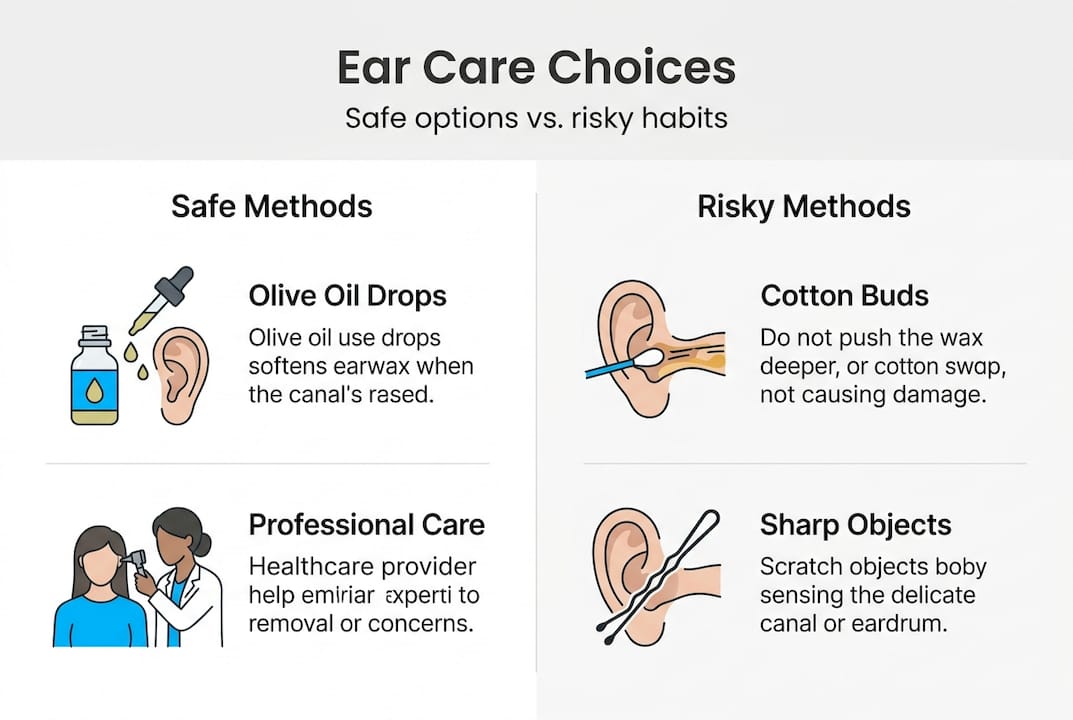
Olive oil or medical ear drops: A few drops of warmed olive oil or a pharmacist-recommended ear drop solution can soften wax and encourage natural migration. Use them for five to seven days before expecting results.
Ear irrigation: A trained professional uses a controlled flow of warm water to gently flush wax from the canal. This is suitable for most adults when performed correctly.
Microsuction: A specialist uses a small, low-pressure suction device under a microscope or magnification to remove wax precisely. This is the preferred method in Scotland’s private clinics.
Instrumentation: A trained clinician uses small instruments to manually remove wax under direct vision. This is particularly useful when wax is very dry or impacted.
GP referral: Your GP can assess whether wax removal is necessary and refer you to an appropriate service.
Alternative | Suitable for children | Available privately in Scotland | Cost range |
Olive oil drops | Yes (all ages) | Over the counter | Under £5 |
Irrigation | Age-dependent | Yes | £50 to £80 |
Microsuction | From age 2 | Yes | £60 to £75 |
GP referral | Yes | NHS (wait times apply) | Free |
For symptomatic wax buildup involving hearing loss, pain, or tinnitus, seek your GP or NHS 111 urgently, particularly for children under 12 months or where there is discharge or fever. Microsuction ear wax removal is widely regarded as the gold standard, and the advantages of microsuction over other methods include precision, speed, and suitability for most patients. For families with younger children, microsuction for children offers a safe and well-tolerated option from the age of two.
Best practices for ear hygiene in Scotland
Maintaining healthy ears does not require complicated routines. In fact, less intervention is often better. Here is what genuinely works for adults and children alike.
For daily care:
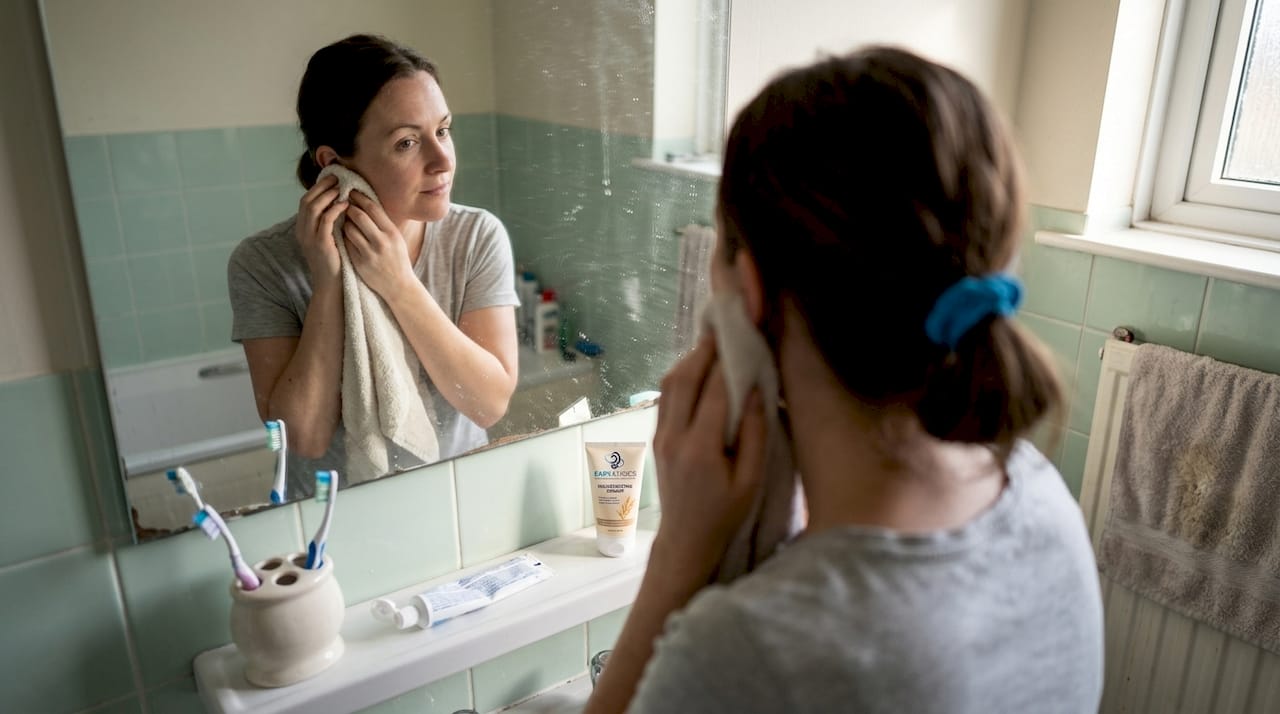
Clean only the outer ear (the visible part) with a damp cloth or flannel
Never insert anything into the ear canal, including cotton buds, fingers, or ear candles
After swimming or bathing, tilt your head gently to allow water to drain naturally
Avoid using earphones or hearing aids for extended periods without breaks, as these can slow natural wax migration
For children specifically:
Keep cotton buds out of reach entirely
Check ears visually for obvious wax or discharge without probing
If a child complains of ear pain, reduced hearing, or pulls at their ear, seek professional advice promptly
Remember that children and older adults are especially vulnerable to ear canal injuries, so extra caution is always warranted
Recognising when professional help is needed:
Persistent muffled hearing lasting more than a few days
Earache or a sensation of pressure that does not resolve
Tinnitus (ringing, buzzing, or hissing sounds)
Dizziness or balance problems
Visible wax blocking the ear canal
Scotland’s damp climate means ears can be exposed to more moisture, particularly for those who swim outdoors or spend time near the coast. This can soften wax and occasionally increase the risk of infection if the ear canal is already compromised. There are some genuinely interesting ear facts worth knowing, including how the type of wax you produce is partly genetic and can vary across different populations.
Pro Tip: Book a professional ear check once a year if you regularly use hearing aids, earphones, or swim frequently. Preventive care is far simpler than treating a blockage or infection after the fact. Understanding ear wax removal safety can help you make informed decisions at every stage.
The truth the experts agree on: Why culture must change
Here is something worth saying plainly. The cotton bud industry has never claimed their products are safe for use inside the ear. In fact, most packaging explicitly warns against it. Yet millions of people continue to use them this way, every single day. The habit persists not because of ignorance, but because of culture.
The feeling of a clean ear after using a cotton bud is satisfying. It feels productive. But that sensation is misleading; you are feeling the sensation of contact, not the result of effective cleaning. The unanimous medical consensus from the NHS, RNID, ENT UK, and audiologists is not ambiguous. Cotton buds cause harm.
Changing this in Scottish households requires honest conversations, particularly between parents and children. When adults model safe ear care, children learn it too. Replacing cotton buds with a damp cloth for outer ear cleaning is a small change with a meaningful impact. Encouraging professional ear wax removal over DIY attempts is not overcautious; it is simply the right approach based on the evidence available.
Safe ear care: Next steps and expert help
If you or your child are experiencing symptoms of ear wax buildup, the safest next step is professional assessment. EARS Clinics provides NHS-accredited ear wax removal in Glasgow and Edinburgh, carried out by trained Aural Care Specialists using microsuction, irrigation, and instrumentation.
We are registered with Healthcare Improvement Scotland and licensed to treat patients from the age of two. Appointments are available in clinic, on the same day, or as home visits for those who need them. Prices start from £60 for adults and £75 for under-18s, with home visits available at £180. Explore the full range of types of ear wax removal procedures available, or learn more about our ear microsuction training for healthcare professionals. Book today and take the first step towards safer, healthier hearing.
Frequently asked questions
What should I do if my child has ear wax but is in pain?
Seek urgent medical assessment from your GP or NHS 111, particularly for children under 12 months or where there is discharge or fever. For non-urgent cases, private microsuction is recommended in Scotland due to NHS waiting times.
Can I use cotton buds for cosmetic cleaning around the ear?
Cotton buds are safe for cleaning the visible outer ear only. Never insert them into the ear canal, as even careful use risks injury to the delicate skin and eardrum.
Are home remedies effective for ear wax removal?
Olive oil drops and gentle home irrigation can help with mild wax buildup. However, professional removal is the safest and most effective option when symptoms such as hearing loss, pain, or tinnitus develop.
Why does cotton bud use persist despite expert advice?
Cultural habit and the misleading sensation of a satisfying clean are the main reasons. The unanimous expert consensus across the NHS, RNID, ENT UK, and audiologists warns clearly against inserting cotton buds into the ear canal.
Recommended