
Why regular ear checks matter for adults in Scotland

Nearly three-quarters of adults with untreated ear wax blockage experience hearing loss, yet many in Glasgow and Edinburgh continue to ignore the warning signs until serious problems develop. This silent epidemic affects quality of life far beyond simple hearing difficulties, contributing to social isolation, cognitive decline, and preventable infections. Regular ear health checks offer a straightforward solution, catching problems early and preventing complications before they escalate. This article explores why routine checks are essential, what happens when ear problems go untreated, and how to access safe, professional relief across Scotland’s central belt.
Key Takeaways
Point | Details |
Silent impact risk | Untreated ear wax blockage is a leading cause of hearing loss, discomfort, and social isolation. |
Prevention is better | Routine ear checks catch problems early and prevent infections or permanent damage. |
Faster private options | NHS waits for ear care can be weeks; private clinics in Glasgow and Edinburgh offer same-day relief. |
DIY dangers | Home removal methods often do more harm than good—expert advice is safest. |
Act now for comfort | Booking a check today can restore hearing, comfort, and peace of mind. |
How ear wax problems impact your daily life
Blocked ears disrupt far more than just your hearing. The symptoms of ear wax impaction create a cascade of problems that affect work, relationships, and overall wellbeing. 73% of people with untreated ear wax blockage suffer hearing loss, whilst up to 37% develop persistent tinnitus. Half of all adults over 75 experience these issues, yet many dismiss the symptoms as a normal part of ageing.
The reality is far more serious. Common symptoms include:
Muffled hearing or sudden hearing loss
Persistent ringing, buzzing, or humming sounds (tinnitus)
Ear pain, pressure, or a sensation of fullness
Dizziness or balance problems
Increased risk of ear infections
These symptoms don’t just cause physical discomfort. They lead to social withdrawal as conversations become difficult to follow. People stop attending social gatherings, avoid phone calls, and miss important information at work. The cognitive load of constantly straining to hear exhausts the brain, contributing to mental fatigue and, in older adults, accelerated cognitive decline.

Pro Tip: If you wear hearing aids, you face four times the risk of wax impaction compared to non-users. Hearing aid users have 4x risk of wax impaction, with prevalence reaching 57% in elderly populations.
The problem often goes unaddressed because symptoms develop gradually. You might turn up the television volume slightly higher each week, ask people to repeat themselves more often, or simply accept that you can’t hear as well as you used to. By the time you seek help, the blockage has usually become severe, and the impact on your life is significant. Understanding NHS ear treatments Glasgow Edinburgh options helps you take action before problems worsen.
Why routine ear checks are essential for adults
Prevention beats cure every time, especially when it comes to ear health. Regular ear checks catch problems whilst they’re still manageable, preventing the cascade of complications that untreated wax buildup creates. Think of it like dental check-ups: you don’t wait until you have a toothache to see the dentist.
Regular ear checks are crucial for adults with ear wax blockage as untreated buildup causes hearing loss, tinnitus, and social or cognitive issues. The benefits extend beyond simply removing wax. Early detection identifies:
Excessive wax production before it causes blockage
Early signs of infection or inflammation
Problems with hearing aid fit or function
Other ear conditions requiring medical attention
Certain groups need more frequent monitoring. If you’re over 75, up to 57% of elderly adults have ear wax impaction, making annual checks essential. Hearing aid users should have their ears examined every six months, as devices push wax deeper into the canal and prevent natural migration outward.
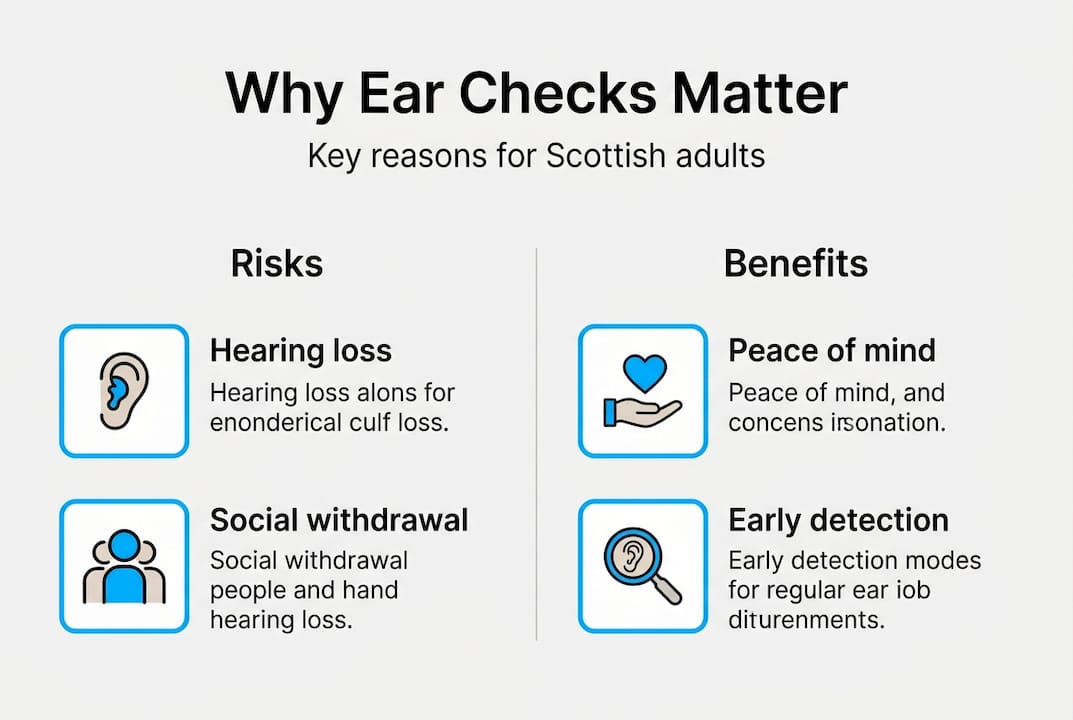
People with narrow ear canals, those who produce excessive wax, or anyone with a history of ear problems also benefit from regular monitoring. The cost of prevention is minimal compared to treating complications like infections, sudden hearing loss, or damage from DIY removal attempts.
Pro Tip: Schedule your ear check at the same time each year, perhaps alongside your annual health review or birthday. This simple habit ensures you never forget and catches problems before they develop.
Routine checks also provide peace of mind. Knowing your ears are healthy eliminates the nagging worry about whether that slight muffling or occasional ringing signals something serious. For more information on accessing care, explore ear wax removal NHS pathways.
What to expect from an ear health check
Understanding the check-up process removes anxiety and helps you prepare. A typical ear health assessment takes 15 to 20 minutes and involves several straightforward steps.
The practitioner begins by asking about your symptoms, medical history, and any previous ear problems. They’ll want to know about:
Current symptoms (hearing loss, pain, tinnitus, dizziness)
Previous ear surgeries, infections, or perforations
Hearing aid use and any fitting issues
Medications that might affect ear health
Any home remedies you’ve tried
Next comes the physical examination using an otoscope, a lighted instrument that allows clear visualisation of your ear canal and eardrum. This examination is painless and reveals whether wax is present, how much has accumulated, and whether it’s causing a blockage. The practitioner also checks for signs of infection, inflammation, or other conditions requiring medical referral.
If wax removal is necessary, the practitioner explains which method suits your situation best. They’ll discuss any contraindications, such as recent ear surgery or active infection, that might affect treatment options.
Pro Tip: Bring a list of all medications, including over-the-counter products and supplements. Some medications increase wax production or affect ear health in ways that influence treatment decisions.
The experience differs significantly between NHS and private services in Scotland. In Scotland, 11 of 14 health boards offer wax removal via NHS, but waits often stretch from two to eight weeks. Private clinics in Glasgow and Edinburgh typically offer same-day appointments, allowing immediate relief when symptoms are severe.
For detailed information about what happens during your visit, see NHS ear wax removal explained. Understanding NHS ear wax removal policy also helps you navigate the system effectively.
Treatment options in Glasgow and Edinburgh: NHS vs private
Once your ear check reveals wax buildup, you face a choice between NHS and private treatment pathways. Each has distinct advantages and limitations that affect your experience and outcomes.
The NHS guidelines recommend self-care first, typically olive oil drops for five to seven days to soften wax. If this doesn’t resolve the problem, you’re referred for irrigation (water flushing) or, in specific cases, microsuction. Self-care and irrigation are first line treatments, whilst NICE discourages traditional syringing and prefers microsuction where available.
Factor | NHS Pathway | Private Clinics |
Wait time | 2-8 weeks after GP referral | Same-day appointments available |
Cost | Free at point of use | £60 adults, £75 under-18s |
Primary method | Irrigation (water flushing) | Microsuction (gentle vacuum) |
Pre-treatment | Mandatory olive oil softening | Optional, based on assessment |
Availability | Limited in some health boards | Widely available Glasgow/Edinburgh |
Microsuction offers several advantages, particularly for people with ear conditions, previous perforations, or hearing aids. The procedure uses a gentle vacuum under microscopic visualisation, allowing precise removal without introducing water into the ear canal. This makes it safer for anyone with a history of ear problems or active infections.
Irrigation remains effective when performed correctly by trained practitioners. However, it carries slightly higher risks for people with certain conditions and requires careful technique to avoid complications. Both methods have similar safety profiles in professional hands, with minor side effects like temporary discomfort or slight dizziness affecting a small percentage of patients.
“The evidence suggests that both irrigation and microsuction are safe and effective when performed by trained practitioners, though microsuction may be preferable for patients with ear conditions or previous surgery.”
For those seeking immediate relief without NHS waiting times, understanding free ear wax removal alternatives helps you make informed decisions. Comparing microsuction vs irrigation in detail reveals which method suits your specific situation.
Risks of delayed or DIY ear wax removal
Putting off professional care or attempting home removal carries serious risks that often worsen the original problem. DIY ear cleaning and delayed checks can lead to eardrum perforation, infection, and spread of wax impaction deeper into the canal.
Cotton buds remain the most common culprit. Despite warnings on every package, people continue using them to clean ears, pushing wax further in and risking injury to the delicate ear canal or eardrum. Ear candles, another popular but dangerous method, can cause burns, wax deposits, and perforations.
The risks of different approaches vary significantly:
Approach | Common Risks | Serious Complications |
Delayed professional care | Worsening hearing loss, increased discomfort | Infection, impacted wax, permanent hearing damage |
Professional removal | Temporary discomfort, slight dizziness | Rare: minor bleeding, temporary hearing change |
DIY methods | Pushed-in wax, canal irritation | Perforation, severe infection, permanent damage |
Even seemingly safe home remedies carry risks. Systematic review shows softeners and procedures both have minor side effects, though correct technique reduces problems significantly. Olive oil drops, whilst generally safe, can cause temporary itching or discomfort in some people.
Delaying treatment allows symptoms to worsen gradually. What starts as slight muffling progresses to complete blockage, tinnitus, and pain. The longer wax remains impacted, the harder it becomes and the more difficult to remove safely. Infections can develop in the blocked canal, requiring antibiotics and potentially causing lasting damage.
Never insert cotton buds, bobby pins, or other objects into your ear canal
Avoid ear candles, which are both ineffective and dangerous
Don’t use high-pressure water devices designed for other purposes
Stop using any home remedy that causes pain or worsening symptoms
Recognising when to seek urgent care is crucial. Contact a healthcare provider immediately if you experience severe pain, sudden hearing loss, discharge from the ear, bleeding, or dizziness that doesn’t resolve quickly. These symptoms may indicate complications requiring immediate medical attention.
For information on safe professional care, review ear wax removal safety protocols that regulated clinics follow.
Book a professional ear health check in Glasgow or Edinburgh
Taking action now prevents the complications and discomfort that untreated ear wax causes. NHS-accredited clinics across Glasgow and Edinburgh offer same-day appointments with trained Aural Care Specialists who use the safest, most effective removal methods.
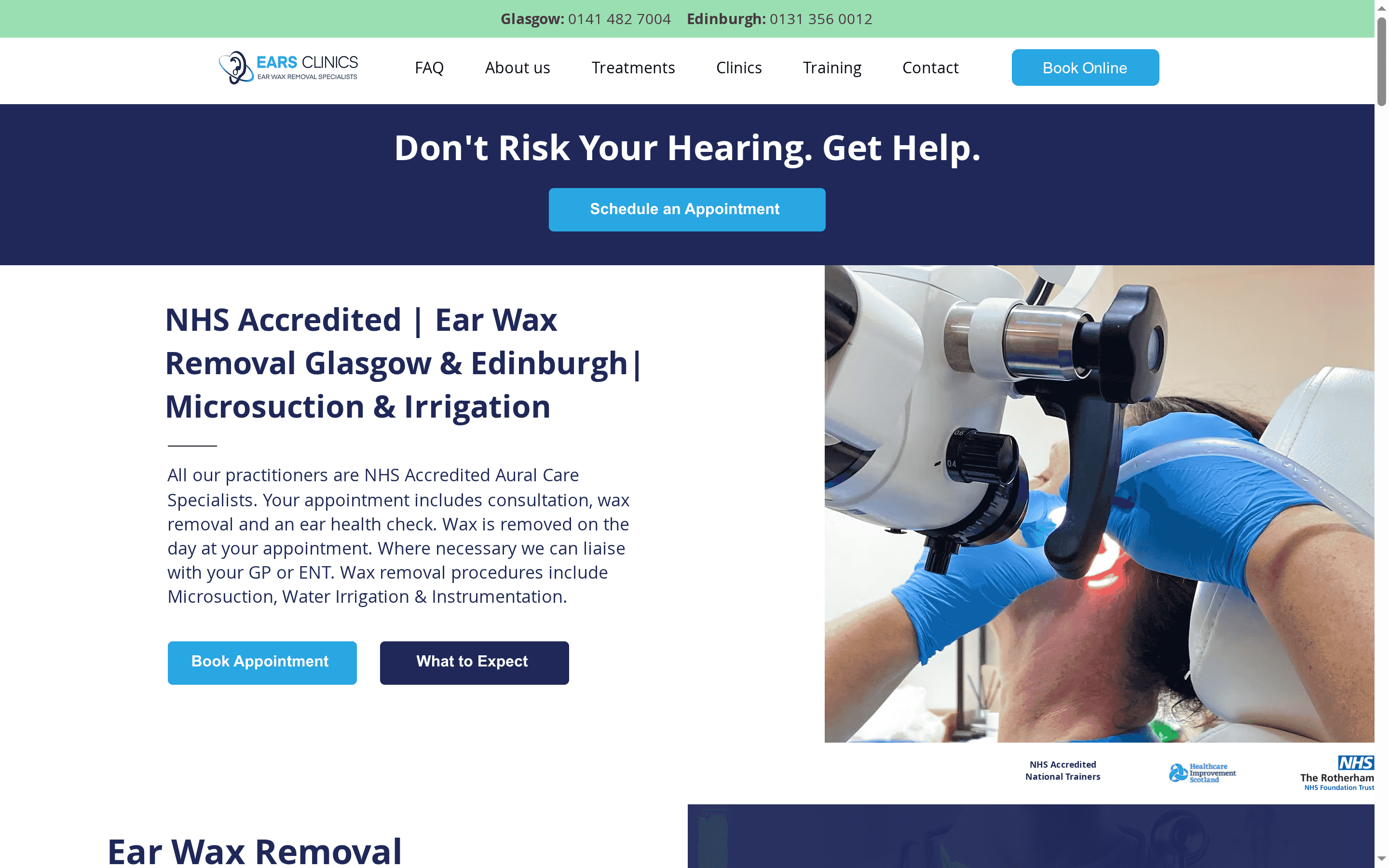
Booking a professional check eliminates uncertainty and provides immediate relief when you need it most. Healthcare Improvement Scotland registered clinics follow the strictest guidelines on ear healthcare, ensuring you receive safe, regulated treatment from practitioners trained to NHS standards. Whether you need a routine check or urgent relief from blocked ears, professional care addresses the problem properly the first time.
Same-day appointments mean you don’t wait weeks in discomfort whilst wax problems worsen. Learn what to expect at your ear check to prepare for your visit. For urgent situations, same-day ear wax removal provides immediate relief. Explore ear wax removal options to understand which method suits your needs best.
Frequently asked questions
How often should adults have their ears checked?
Most adults benefit from annual checks, but those with hearing aids or frequent wax problems may need reviews every six months. Regular checks are important, especially for over-75s and hearing aid users who face higher risks.
Is it safe to remove ear wax at home?
Most home methods are risky and can cause injury or push wax deeper. DIY methods increase risk of perforation and infection, whilst NHS recommends olive oil drops only for softening, not removal.
What’s the difference between microsuction and irrigation?
Microsuction uses gentle vacuum suction under microscopic visualisation, whilst irrigation flushes the ear with water. NICE discourages syringing in favour of microsuction or irrigation, with both methods safe when performed by trained professionals.
Why does the NHS make you wait for ear wax removal?
The NHS prioritises self-care with olive oil drops first, then schedules irrigation or microsuction appointments based on clinical need and capacity. NHS guidelines require olive oil first, leading to wait times of two to eight weeks across much of Scotland.
Can ear wax cause permanent hearing loss?
Untreated ear wax rarely causes permanent damage, but chronic blockage can lead to infections or complications that affect hearing long-term. Prompt professional removal prevents these outcomes and restores hearing immediately.
Recommended