
Hearing health in 2025: why it matters now

TL;DR:
Hearing loss affects over 1.5 billion people worldwide, with untreated cases leading to serious health and social consequences. Advances in ear care technology and early prevention are critical for safeguarding long-term cognitive and mental wellbeing. Prioritizing regular screening, professional intervention, and destigmatizing hearing aids can significantly improve quality of life and reduce dementia risk.
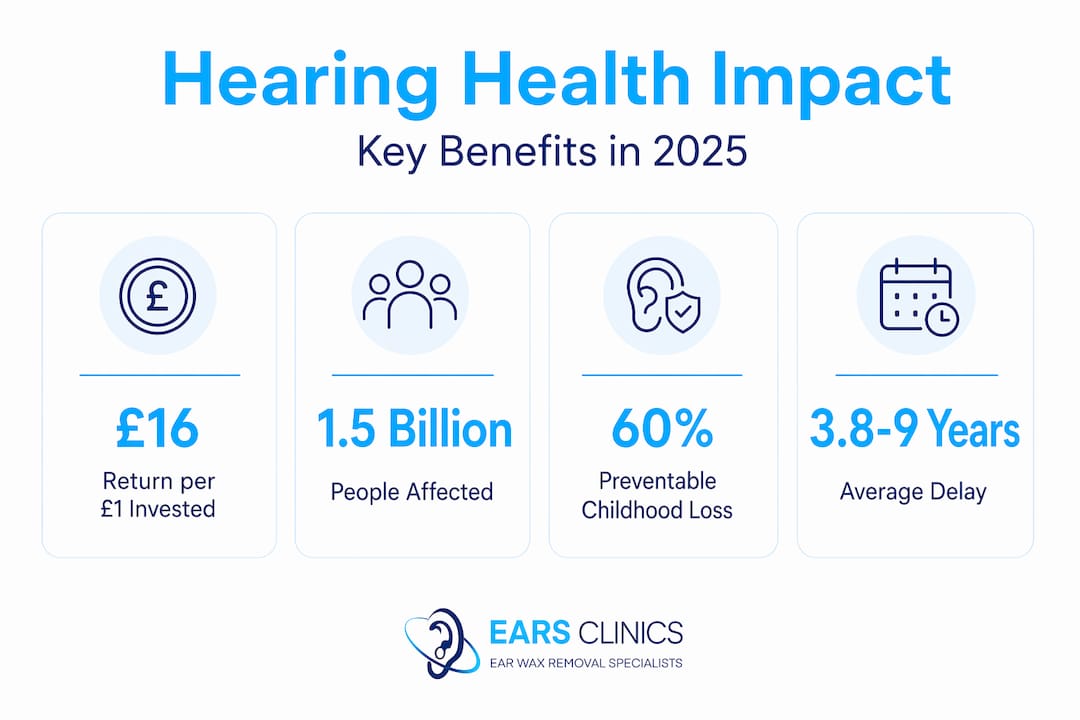
Hearing loss affects far more people than most realise, and the importance of hearing health 2025 cannot be overstated. Over 1.5 billion people worldwide currently live with some degree of hearing loss, a figure projected to reach 2.5 billion by 2050. Yet the majority go undiagnosed and untreated for years. This is not simply an inconvenience. Untreated hearing loss carries serious consequences for cognitive function, mental wellbeing, and quality of life. This article explores why hearing health deserves your attention now, what modern ear care looks like in 2025, and what practical steps you can take to protect your hearing for the long term.
Key takeaways
Point | Details |
Hearing loss is widespread | Over 1.5 billion people globally are affected, with treatment rates remaining critically low. |
Cognitive risk is significant | Hearing loss is a leading modifiable risk factor for dementia, linked to up to 45% preventable cases. |
Modern ear care has advanced | Microsuction, AI-driven hearing aids, and regulated clinicians offer safer and more effective care than ever before. |
Prevention starts early | Annual hearing screenings and lifestyle adjustments can significantly reduce long-term damage. |
Professional care is non-negotiable | Clinician-led ear care, regulated by bodies such as Healthcare Improvement Scotland, protects patients from harm. |
The real scale of hearing loss in 2025
Hearing loss is not a condition reserved for the elderly. Children, young adults, and working-age individuals are all affected, often silently and without realising. The global numbers tell a stark story.
Impact category | Data |
People currently affected | Over 1.5 billion globally |
Projected figure by 2050 | 2.5 billion |
Annual economic cost | Nearly US$1 trillion |
Hearing aid adoption rate | Fewer than 1 in 5 eligible adults in the US |
Depression risk increase | 35% higher in those with untreated hearing loss |
The annual global economic cost of unaddressed hearing loss approaches US$1 trillion, driven by losses in productivity, education, and healthcare. These are not abstract figures. They represent real people struggling in workplaces, classrooms, and family settings.
The cognitive consequences are equally serious. The Lancet Commission identifies hearing loss as one of 14 modifiable risk factors for dementia. Addressing all 14 factors could prevent up to 45% of dementia cases worldwide. Hearing loss contributes to this risk by increasing the cognitive load placed on the brain during everyday listening, gradually accelerating social withdrawal, and reducing the mental stimulation that protects against cognitive decline.
The social consequences compound the problem. Untreated hearing loss is linked to a 35% higher risk of depression and a 51% greater chance of falls in older adults. The significance of auditory care extends well beyond hearing conversations clearly. It underpins mental health, physical safety, and independence.
Key social and health consequences of untreated hearing loss include:
Increased social isolation and withdrawal from group conversations
Heightened risk of depression and anxiety
Greater cognitive fatigue from effortful listening
Reduced occupational performance and earning potential
Accelerated cognitive decline and elevated dementia risk
Advancements in ear and hearing care in 2025
The ear care field has changed considerably, and 2025 offers patients access to methods and technologies that simply did not exist a decade ago. Understanding these options helps you make informed decisions about your own care.
Safe ear wax removal: what the guidelines say
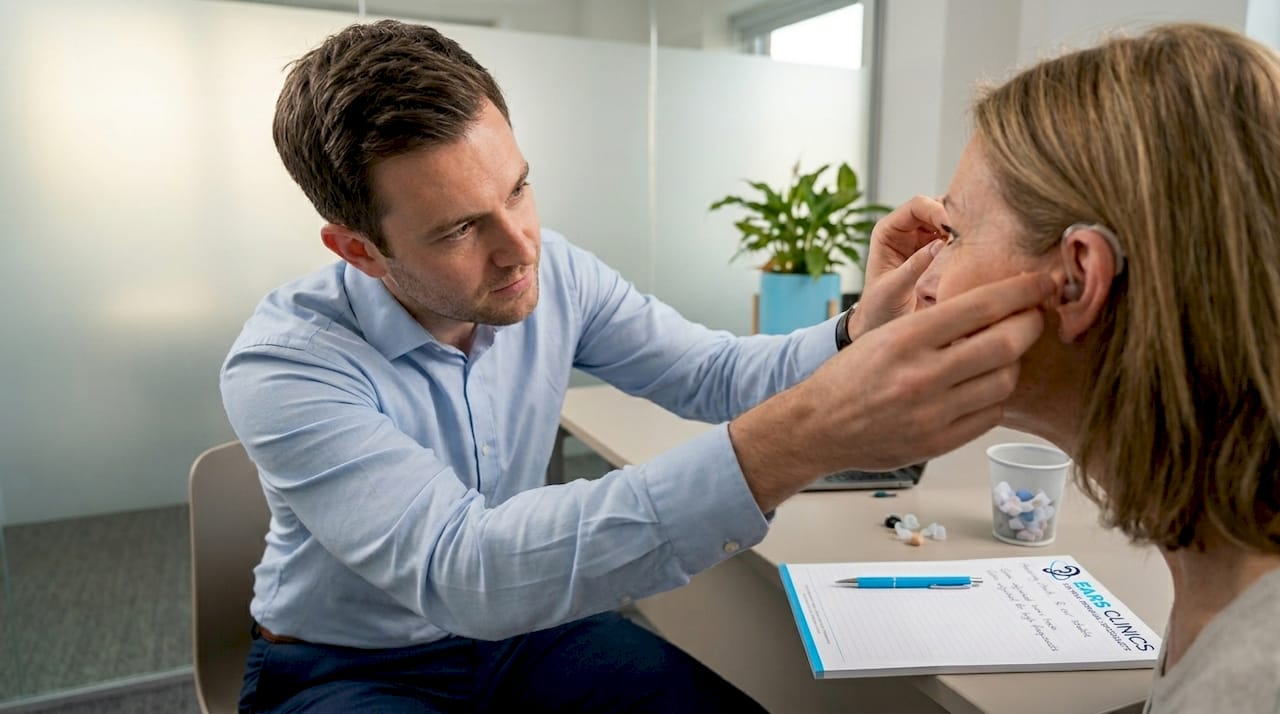
When it comes to ear wax removal, not all approaches carry the same level of safety. Microsuction is the method preferred by current NICE guidelines. It uses gentle suction to remove ear wax (cerumen) without introducing water into the ear canal, making it the safest option for most patients. Irrigation, which uses water to flush out wax, and manual instrumentation, which uses fine tools to remove wax directly, remain clinically valid when appropriate to a patient’s history and presentation. You can read more about ear wax removal procedures and how practitioners select the safest method based on individual circumstances.
The crucial point is that ear care should only be performed by trained, competent clinicians who are regulated by organisations such as Healthcare Improvement Scotland (HIS) or the Care Quality Commission (CQC). Self-treatment with cotton buds or ear candles carries a genuine risk of injury and should be avoided entirely.
Hearing technology in 2025
AI-driven noise suppression and Bluetooth-enabled hearing aids represent the most significant advances in hearing technology this decade. Modern devices can distinguish between a single voice and background noise, adapt automatically to different acoustic environments, and connect directly to smartphones and televisions. Caption glasses, which display real-time subtitles in the wearer’s field of vision, are also gaining traction as an assistive option for those with significant hearing loss.
Receiver-in-Canal (RIC) hearing aids are widely recommended as a starting point for those with progressive hearing loss due to their adaptability and comfortable fit. Unlike completely-in-canal models, RIC devices can be reprogrammed as hearing changes over time, making them a practical long-term investment.
That said, technology alone is not sufficient. Professional audiologist fitting and ongoing support remain the strongest predictors of hearing aid success. Over-the-counter devices have expanded access, but they lack the clinical calibration required to match the complexity of individual hearing profiles.
Pro Tip: If you are considering a hearing aid, ask your clinician specifically about RIC models and whether the device can be updated as your hearing changes. Future-proofing your choice saves both time and money.
A persistent challenge remains stigma. Many patients delay seeking help for an average of 3.8 to 9 years after noticing problems, often due to identity concerns around wearing visible hearing devices. The hearing aid market is gradually reframing these devices as cognitive prosthetics rather than symbols of ageing, which is a shift long overdue.
Preventive strategies and regular hearing checks
Prevention is the most powerful tool available, and the benefits of hearing health management start with regular screening. The World Health Organisation recommends annual hearing screenings for adults, and has developed the hearWHO app as a validated self-screening tool. A score below 50 on the hearWHO app indicates potential hearing loss requiring professional evaluation, giving individuals an accessible first step before a clinical appointment.
Early detection matters enormously. The longer hearing loss goes unaddressed, the greater the risk of permanent auditory nerve damage, cognitive decline, and social withdrawal. Identifying a problem at an early stage opens up a far wider range of intervention options and significantly improves long-term outcomes.
Lifestyle factors that affect hearing health include:
Noise exposure: Prolonged exposure to sounds above 85 decibels causes permanent damage to hair cells in the inner ear. Use hearing protection at concerts, building sites, and when using power tools.
Ototoxic medications: Certain antibiotics, chemotherapy drugs, and high-dose aspirin can damage hearing. Always discuss potential auditory side effects with your prescribing clinician.
Ear hygiene habits: Avoid inserting objects into the ear canal. If you experience wax build-up, seek professional removal rather than self-treating.
Cardiovascular health: Poor circulation affects blood supply to the cochlea. Maintaining a healthy cardiovascular system supports hearing health as part of overall wellbeing.
WHO public health strategies demonstrate that up to 60% of childhood hearing loss is preventable, and many adult causes, including noise-induced damage and ototoxic medication effects, are equally avoidable with the right guidance.
Pro Tip: Set a reminder to complete the hearWHO screening once a year, ideally before a routine GP appointment, so that any flagged concerns can be followed up promptly within the same health-check cycle.
Practical steps for managing your ear health
Understanding the significance of auditory care is one thing. Translating that into action is another. Here is a clear sequence to follow if you are concerned about your hearing health in 2025.
Recognise the signs. Common indicators of hearing loss include frequently asking people to repeat themselves, difficulty following conversations in noisy settings, turning up the television louder than others prefer, and a sensation of fullness or muffled sound in one or both ears.
Book a professional ear health check. Do not wait for symptoms to worsen. A qualified audiologist for ear care will assess your ear canal, check for wax build-up, and recommend appropriate intervention based on your specific history and clinical presentation.
Address ear wax safely. If wax build-up is contributing to your symptoms, microsuction is the preferred clinical method. Irrigation and manual instrumentation are also valid where appropriate. A trained clinician will select the safest technique for you individually.
Develop a personalised hearing care plan. Hearing health is not one-size-fits-all. Your clinician should consider your medical history, lifestyle, and the nature of your hearing loss when recommending a management strategy.
Consider assistive technology where appropriate. Whether that is a fitted hearing aid, a captioning device, or specialist hearing protection, the right tool makes a measurable difference. Ensure any device is fitted by a qualified professional, not purchased off-the-shelf without assessment.
Maintain regular follow-up appointments. Hearing changes over time. Annual ear check-ups for adults allow your care to adapt as your needs evolve, preventing small issues from becoming significant problems.
Long-term benefits of prioritising hearing health
The evidence connecting hearing health to broader cognitive wellbeing is now too strong to ignore. Hearing loss contributes to increased cognitive load during everyday listening, and this sustained mental effort draws resources away from memory and executive function. Over time, reduced social engagement compounds the effect, creating a cycle that independently raises dementia risk. Early intervention breaks that cycle.
“Hearing loss contributes to increased cognitive load leading to social withdrawal, which independently raises dementia risk; early intervention disrupts this cycle.” — Lancet Commission on dementia and hearing loss
The financial case for intervention is equally compelling. Every £1 invested in hearing care returns approximately £16 in value over ten years, through improved productivity, reduced healthcare utilisation, and better quality of life outcomes. Hearing care, framed this way, is not a cost. It is an investment with a measurable return.
Beyond the numbers, patients who address hearing loss early report improved confidence in social settings, better relationships, and a stronger sense of independence. These are the real-world outcomes that make hearing health awareness 2025 so much more than a public health campaign. It is a personal, practical priority with consequences that compound over decades.
My perspective on hearing health in 2025
I have worked closely with patients across a wide range of hearing concerns, and one pattern appears repeatedly. People know something is wrong long before they do anything about it. The average delay between noticing hearing difficulties and seeking professional help is between 3.8 and 9 years. In clinical terms, that is an enormous window of preventable decline.
What I have found is that the barrier is rarely about access or cost. It is psychological. Acknowledging hearing loss feels, to many people, like admitting something about their age or vulnerability. The result is that patients arrive later, with more complex needs, when earlier intervention would have been far simpler and more effective.
My honest view is this: the future of hearing health lies in destigmatising the conversation entirely. Hearing aids are not accessories for the hard of hearing. They are brain health tools for people who want to stay sharp, socially engaged, and independent. The technology in 2025 supports that framing more than ever before. The clinical regulation in Scotland, through bodies like Healthcare Improvement Scotland, means patients have access to genuinely safe, evidence-based care when they choose a regulated provider.
Act early. Do not wait for the problem to become undeniable. The evidence is clear, the care is accessible, and the benefits are lasting.
— EARS
Professional ear care with EARS Clinics
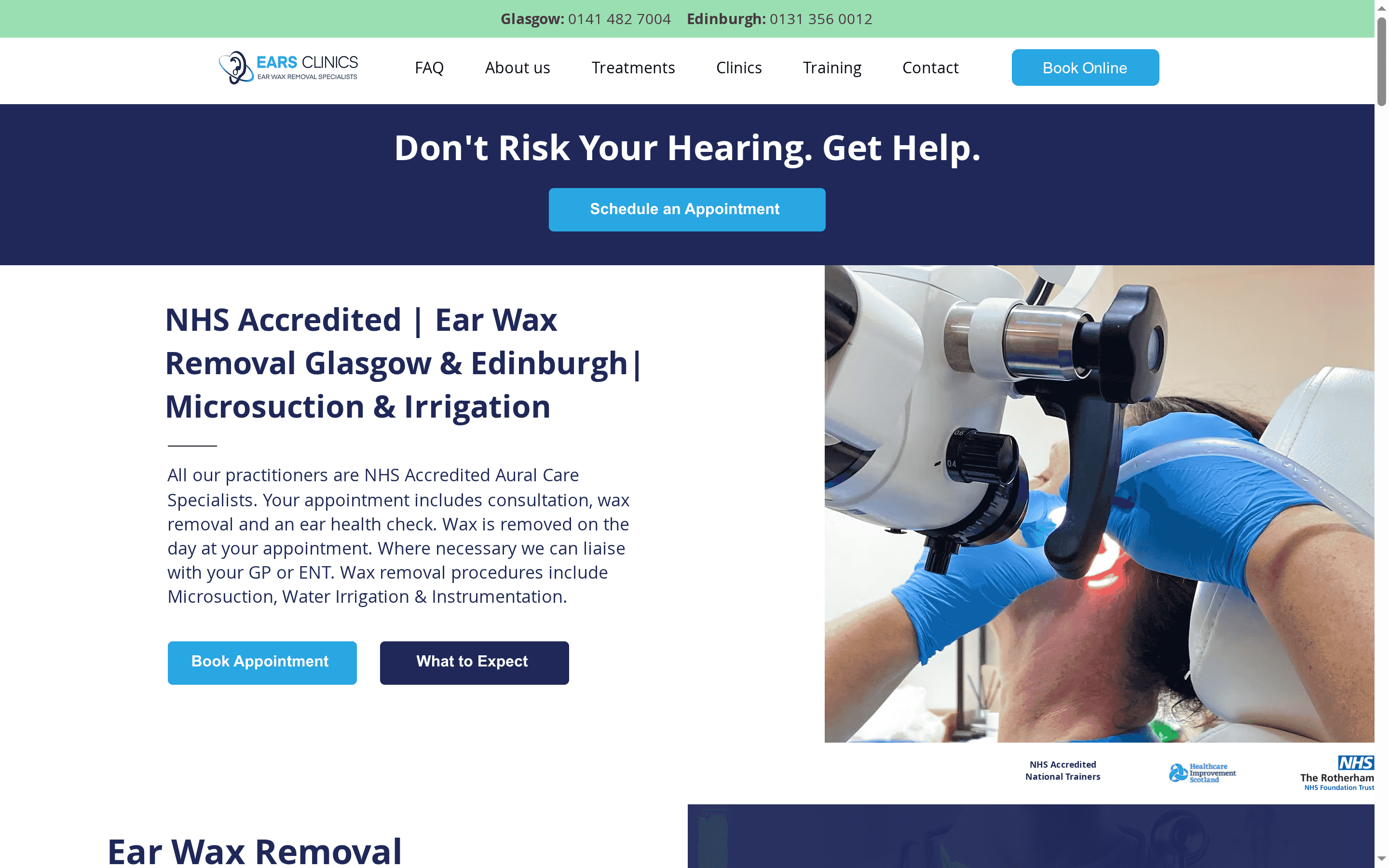
If you are ready to take your hearing health seriously, EARS Clinics provides NHS-accredited ear care services in Glasgow and Edinburgh. The clinical team are trained Aural Care Specialists, regulated by Healthcare Improvement Scotland, and perform ear wax removal using microsuction, irrigation, and manual instrumentation. The appropriate method is always selected based on your individual medical history and clinical presentation, following current NICE guidelines.
Appointments are available in clinic, with same-day options and home visits for those who need them. Pricing is straightforward: £60 for adults over 18, £75 for under-18s, and £180 for home visits. There are no waiting lists and no requirement for pre-treatment drops before your appointment.
Explore the full range of NHS-accredited ear wax removal procedures available, or find out what to expect at your first ear health check. Book directly at earhealthservice.co.uk.
FAQ
What is the most important reason to protect hearing health in 2025?
Hearing loss is a leading modifiable risk factor for dementia, and addressing it early can prevent significant cognitive decline. The Lancet Commission estimates that tackling all modifiable dementia risk factors could prevent up to 45% of cases worldwide.
How often should adults have a hearing screening?
The World Health Organisation recommends annual hearing screenings for adults. The hearWHO app provides a validated self-screening tool, with a score below 50 indicating the need for professional evaluation.
Is microsuction safe for ear wax removal?
Yes. Microsuction is the preferred ear wax removal method under current NICE guidelines. It uses gentle suction without water, making it suitable for most patients, including those with perforated eardrums or previous ear surgery.
Why do people delay getting help for hearing loss?
Research shows the average delay between noticing hearing difficulties and seeking professional help is between 3.8 and 9 years. The primary reasons are stigma associated with wearing hearing aids and dissatisfaction with early device performance in noisy environments.
Can hearing loss be prevented?
Many causes of hearing loss are preventable. WHO estimates that up to 60% of childhood hearing loss can be avoided, while adult hearing loss from noise exposure and ototoxic medications is also largely preventable through protective measures and appropriate clinical guidance.
Recommended