
What causes wax build up in your ears?
- 12 hours ago
- 9 min read
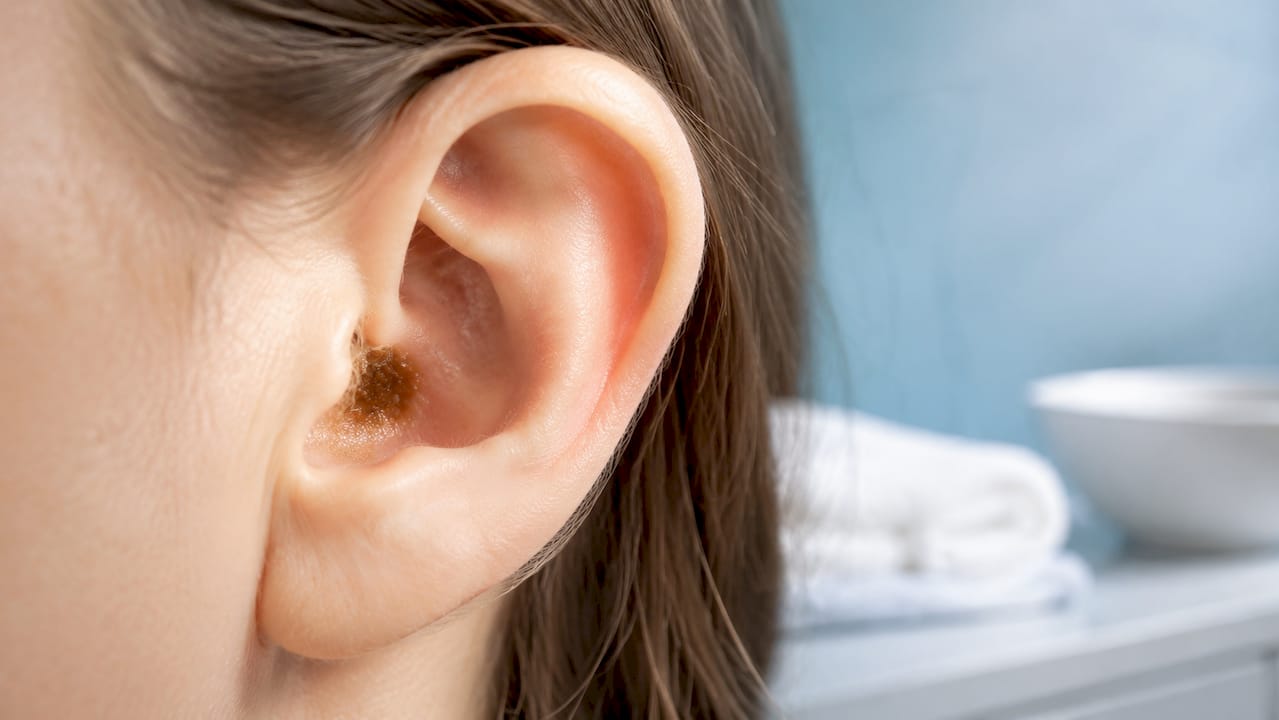
Earwax accumulates when the ear’s natural outward migration of cerumen is disrupted, or when production simply outpaces clearance. Both mechanisms are common, and often more than one factor is at work at the same time. The most frequent causes include:
Natural overproduction of cerumen by the glands lining the ear canal
Disrupted migration due to narrow, hairy, or irregularly shaped canals, or bony growths (exostoses)
Device-related blockage from hearing aids, earbuds, or earplugs sitting in the canal
Cotton buds and similar objects pushing wax deeper and stimulating further production
Age-related changes that dry wax and slow its outward movement
Skin conditions such as eczema or psoriasis that alter wax consistency
What earwax (cerumen) is and how the ear normally clears it
Cerumen is produced by two types of glands in the outer ear canal: sebaceous glands and ceruminous glands. Their combined secretions form earwax, which traps dust, debris, and micro-organisms before they can reach the eardrum. It also lubricates the canal lining and contains antimicrobial proteins that help protect against infection. Far from being a sign of poor hygiene, earwax is a healthy and purposeful substance.
The ear clears itself through a process called epithelial migration. Skin cells in the canal move gradually outward, carrying wax with them. Jaw movements, particularly chewing and talking, assist this process by flexing the canal walls. Over time, wax dries and falls away from the ear opening in small, unnoticeable flakes.
Gland secretions change over time, shifting from thinner and lighter wax in younger people to thicker, darker wax as we age. This shift in consistency matters because drier, stiffer wax migrates more slowly and is more prone to accumulating. When the self-cleaning mechanism is disrupted, or when production exceeds the rate of clearance, wax builds up and can become impacted.
What causes wax build up in your ears: the main factors explained
Earwax accumulation rarely has a single cause. The table below summarises the main contributors, grouped by type.
Category | Cause | Who is most affected |
Anatomical | Narrow, hairy, or irregular ear canals | People born with these features; older adults |
Anatomical | Exostoses (bony growths) or scar tissue | Swimmers; those with repeated ear infections |
Physiological | Natural overproduction of cerumen | Anyone; more common with certain gland activity |
Physiological | Age-related drying and slowed migration | Adults over 60 |
Physiological | Eczema, psoriasis, or dermatitis near the canal | People with chronic skin conditions |
Devices and habits | Hearing aids, earbuds, or earplugs blocking migration | Hearing-aid users; frequent headphone users |
Devices and habits | Cotton buds or objects pushing wax deeper | Very common across all age groups |
Environmental | Dust, pollen, or cold weather increasing debris | People in dusty environments or with allergies |
Anatomical factors are often overlooked. A canal that is naturally narrow or lined with dense hair gives wax less room to travel outward. Exostoses, bony growths that develop in the canal wall (common in people who swim regularly in cold water), can create a physical barrier. Scar tissue from previous infections or procedures has a similar effect.
Age changes both the wax itself and the canal. As people get older, cerumen tends to become drier and harder, and the jaw movements that assist migration become less vigorous. Older adults are therefore among the groups most likely to experience recurrent impaction.
Skin conditions such as eczema or psoriasis around or inside the ear canal alter the texture and quantity of wax produced. Flaking skin can also mix with cerumen, creating a denser plug that is harder to shift naturally.
Devices are a particularly significant contributor. Hearing aids, in-ear earbuds, and earplugs all sit within the canal and physically obstruct the outward path of wax. The longer and more frequently a device is worn, the greater the risk. Regular device use raises impaction risk substantially, which is why scheduled canal checks are recommended for hearing-aid users.
Cotton buds deserve special mention. Inserting them into the canal does not remove wax effectively. Instead, they tend to push cerumen further inward, compacting it against the eardrum. Stimulation of the canal hairs can also trigger increased secretion from sebaceous glands, meaning the attempt to clean actually produces more wax and a denser blockage.
Recognising the symptoms and knowing when to seek help
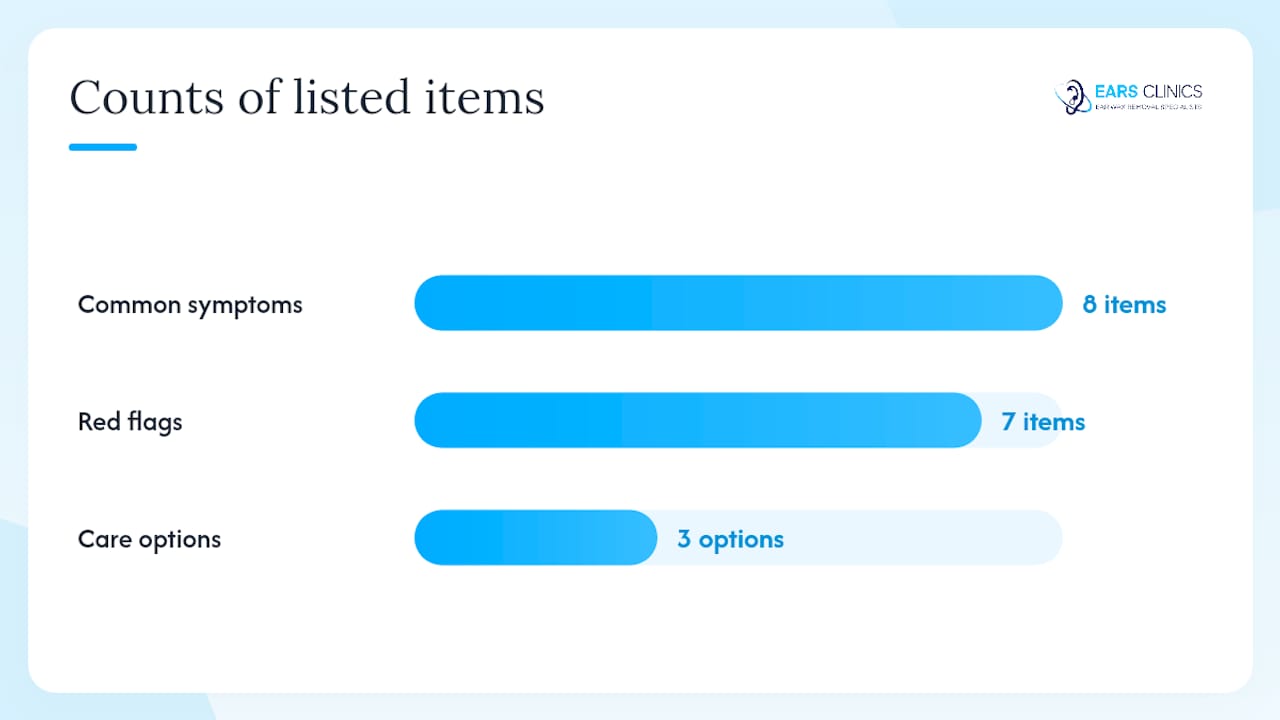
Symptoms of earwax blockage can range from mildly irritating to genuinely disruptive. Common signs include:
Reduced or muffled hearing in one or both ears
A feeling of fullness or pressure in the ear
Earache or discomfort
Tinnitus (ringing, buzzing, or humming sounds)
Itching inside the canal
An unusual odour or discharge from the ear
A reflex cough triggered by stimulation of the ear canal
Dizziness or mild imbalance in some cases
These symptoms can overlap with other ear conditions, including infection or Eustachian tube dysfunction. A professional otoscopic examination is the only reliable way to confirm that wax is the cause, rather than something that needs different management.
Red flags that need prompt assessment:
Severe or sudden ear pain
Bleeding from the ear
Sudden, significant hearing loss
Facial weakness or numbness
Persistent or foul-smelling discharge
Suspected foreign body in the canal
Symptoms following a head injury
For most people, the right first step is a conversation with a pharmacist, who can recommend suitable softening drops and advise on timelines. If symptoms persist after a reasonable trial of home measures, a GP appointment is appropriate. Urgent red-flag symptoms, or situations where wax removal is needed quickly and without a long wait, are well suited to a regulated private clinic such as EARS Clinics in Glasgow and Edinburgh.
This article provides general health information and is not a substitute for professional medical advice. Always confirm your situation with a qualified clinician or your GP.
Safe management: home care and professional removal options
Home measures
Softening the wax is the recommended first step for most people. Pharmacies stock a range of cerumenolytic drops and oils, including olive oil and almond oil, that help wax soften and migrate outward on its own. Warm (body temperature) oil applied with a dropper, two or three times daily, is a well-tolerated approach. Allow a few days to a couple of weeks for this to work before seeking professional help.

Pro Tip: Warm the oil bottle briefly in your hands before applying. Cold oil in the ear canal can cause brief dizziness, which is uncomfortable and unnecessary.
For safe home-care product guidance, including which drops are suitable for different situations, the Earhealthservice resource covers the options clearly.
Do not:
Insert cotton buds, hairgrips, pen lids, or any other object into the ear canal
Use ear candles. There is no clinical evidence they remove wax, and they carry a real risk of burns and canal damage
Attempt to irrigate your own ear with a syringe unless specifically advised and shown how by a clinician
Professional removal: how the three methods compare
When home measures are insufficient, professional removal is the appropriate next step. Practitioners at regulated clinics select the method based on the patient’s medical history, wax consistency, canal anatomy, and any contraindications.
Method | How it works | Best suited for | Contraindications |
Microsuction | Gentle suction via a fine probe under magnification | Most presentations; preferred by NICE where available | Very few; suitable for most patients including those with perforations |
Irrigation | Controlled flow of warm water to flush wax out | Soft or semi-soft wax in an intact canal | Recent perforation, grommet in situ, active infection, previous ear surgery |
Manual instrumentation | Removal using fine instruments (e.g. a Jobson Horne probe) under direct vision | Hard or adherent wax; narrow canals | Requires skilled clinician; not suitable for uncooperative patients |
Microsuction is the method increasingly preferred under current NICE and UK clinical guidance, particularly for fragile canals, perforated eardrums, or when irrigation is contraindicated. It uses a fine suction probe under magnification, giving the clinician precise control throughout. Irrigation remains a safe and effective option for many patients, using a controlled flow of warm water to flush softened wax clear. Manual instrumentation, using fine instruments under direct vision, is particularly useful for hard or adherent wax that does not respond to other methods.
The practitioner’s role is to assess each patient individually and select the safest approach for that person’s specific anatomy and history. At EARS Clinics, all procedures are performed by NHS-accredited Aural Care Specialists who are registered with Healthcare Improvement Scotland (HIS), following the strictest clinical standards.
How to reduce the risk of future wax build-up
Prevention is straightforward for most people, though those with anatomical factors or device use need a slightly more structured approach.
Everyday habits:
Avoid inserting anything into the ear canal, including cotton buds, regardless of how tempting it feels
Dry the outer ear gently after swimming or showering, tilting the head to let water drain naturally
Consider periodic softening drops (olive oil or a pharmacy cerumenolytic) if you are prone to buildup, particularly in winter when wax tends to dry out more
Manage underlying skin conditions such as eczema around the ear, as flaking skin contributes to canal blockage
For hearing-aid and earbud users:
Devices worn in the canal are the single most modifiable risk factor for recurrent impaction. Scheduling proactive ear checks every 3–6 months is recommended for hearing-aid users. Clean device domes and tips regularly, and store devices in a dry case overnight to reduce moisture buildup in the canal.
For a full prevention checklist tailored to device users and families, Earhealthservice has practical guidance covering routine checks and lifestyle habits.
For caregivers:
Children and adults who cannot reliably report ear symptoms need periodic checks by a clinician. A simple visual check of the outer ear for wax at the opening can prompt timely professional assessment. Paediatric ear care at EARS Clinics is available for patients from two years of age.
Common myths about earwax, corrected
Myth: Earwax is dirt and should be cleaned out regularly. Cerumen is a healthy secretion with a protective function. The ear is self-cleaning, and routine deep cleaning is not only unnecessary but actively counterproductive.
Myth: Cotton buds are the safest way to clean the ear. Medical authorities are consistent on this point: cotton buds push wax deeper, compact it against the eardrum, and stimulate glands to produce more. They are one of the most common causes of self-inflicted impaction.
Myth: Ear candles draw wax out effectively. There is no credible clinical evidence supporting ear candles as a wax-removal method. They carry documented risks including burns to the face and canal, and deposits of candle wax inside the ear.
Myth: If you can hear normally, your ears are fine. Wax can accumulate significantly before hearing is noticeably affected. By the time hearing loss is obvious, impaction may already be substantial.
Myth: You only need professional ear care when something hurts. Pain is a late sign. Fullness, tinnitus, and itching often precede discomfort and are worth addressing early.
Pro Tip: If you are unsure whether wax is the cause of your symptoms, a pharmacist can often assess the outer ear and advise whether drops are appropriate before you need a GP or clinic appointment.
Key takeaways
Earwax builds up when the ear’s self-cleaning mechanism is disrupted or outpaced by production, and the most effective response combines avoiding harmful habits with timely professional care when needed.
Point | Details |
Self-cleaning is normal | The ear clears cerumen naturally; buildup occurs when this process is blocked or overwhelmed. |
Devices and cotton buds are key risk factors | Hearing aids, earbuds, earplugs, and cotton buds are among the most common and modifiable causes. |
Red flags need prompt attention | Severe pain, bleeding, sudden hearing loss, or facial weakness require immediate clinical assessment. |
Microsuction is NICE-preferred | Practitioners select the safest method based on history and anatomy; microsuction is preferred where available. |
EARS Clinics offers regulated removal | Earhealthservice provides NHS-accredited microsuction, irrigation, and instrumentation in Glasgow and Edinburgh. |
A clinical perspective on earwax care
At EARS Clinics, we see the consequences of delayed or self-managed earwax care regularly, and the pattern is consistent. Patients who have spent weeks using cotton buds often present with more compacted wax than those who did nothing at all. The instinct to clean is understandable, but the canal is not designed to be cleaned from the outside in.
What matters most is not which removal method sounds most advanced, but whether the clinician assessing you has the training, equipment, and regulatory oversight to make the right call for your specific situation. EARS Clinics is registered with Healthcare Improvement Scotland (HIS) and our Aural Care Specialists hold NHS-accredited qualifications. When a patient comes to us, we examine the canal before selecting between microsuction, irrigation, or manual instrumentation. No single method is right for every patient, and a clinic that offers only one option cannot always offer the safest one.
Professional ear wax removal at EARS Clinics
For patients in Glasgow and Edinburgh who need wax removed promptly and safely, EARS Clinics offers same-day appointments, standard in-clinic sessions, and home visits for those who cannot travel. All procedures, whether microsuction, irrigation, or manual instrumentation, are performed by NHS-accredited Aural Care Specialists under HIS registration. Appointments for adults are priced at £60, with under-18s at £75 and home visits at £180.

There are no pre-treatment preconditions and no lengthy waiting lists. If you are experiencing reduced hearing, ear fullness, tinnitus, or any of the symptoms described above, booking a clinic appointment is a straightforward next step. Urgent red-flag symptoms, including severe pain, bleeding, or sudden hearing loss, should be assessed by a GP or A&E rather than a private clinic. For everything else, EARS Clinics is ready to help.
Useful sources for further reading
Earwax build-up — NHS Inform — NHS Scotland guidance on causes, symptoms, and when to seek help
Earwax build-up — NHS — NHS England overview of earwax and safe management
Earwax blockage — Mayo Clinic — Clinical detail on causes, symptoms, and treatment
Earwax blockage — Cleveland Clinic — Guidance on device users and prevention
Wax blockage of the ear canal — Harvard Health — Accessible overview of cerumen function and blockage
Types of ear wax removal procedures — EARS Clinics — Clinic-level detail on microsuction, irrigation, and instrumentation, following NICE-aligned standards
Recommended