
Essential ear wax symptoms parents should know in 2026
- Mar 13
- 7 min read
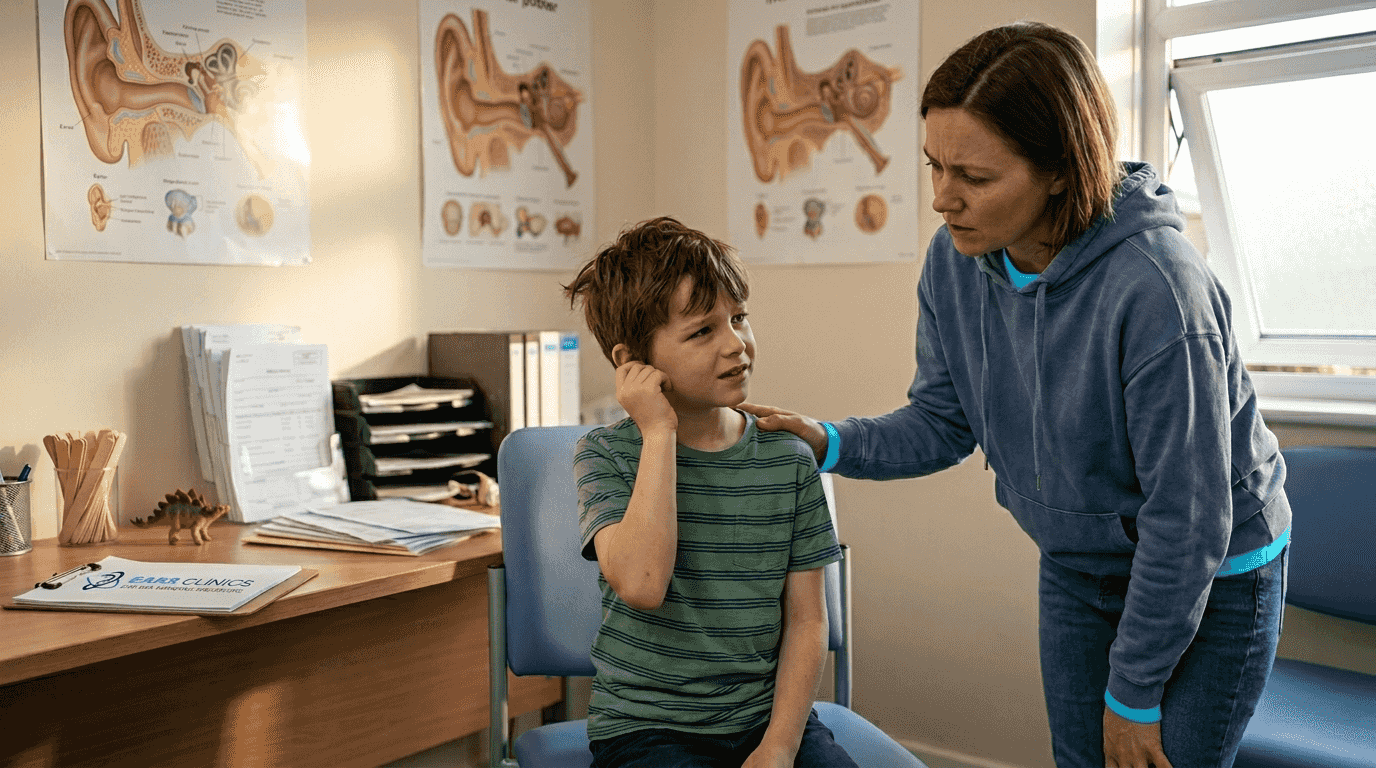
When your child complains of ear discomfort, determining whether it’s ear wax buildup or something more serious can be challenging. Many parents struggle to distinguish between common ear conditions, potentially leading to inappropriate treatments or unnecessary worry. Understanding the specific symptoms of ear wax buildup, safe management approaches, and when professional help is needed empowers you to protect your child’s hearing health effectively.
Key takeaways
Point | Details |
Symptom overlap | Ear wax symptoms can resemble infections or glue ear, requiring careful observation. |
Safety first | Never insert objects into your child’s ear canal as this risks damage and deeper wax impaction. |
Professional assessment | Persistent or worsening symptoms require evaluation by qualified ear care specialists. |
Age-appropriate guidance | Pharmacists can advise on ear concerns for children over 1 year, whilst infants need GP assessment. |
Effective solutions | NHS-accredited procedures like microsuction and irrigation safely resolve stubborn wax issues. |
How to recognise ear wax symptoms in children
Identifying ear wax buildup in your child requires attention to both obvious and subtle signs. Common symptoms include ear discomfort, persistent itching inside the ear, and partial hearing loss that may cause your child to ask for repetition or turn up the television volume. You might notice your child tugging at their ear or expressing frustration when trying to hear conversations.
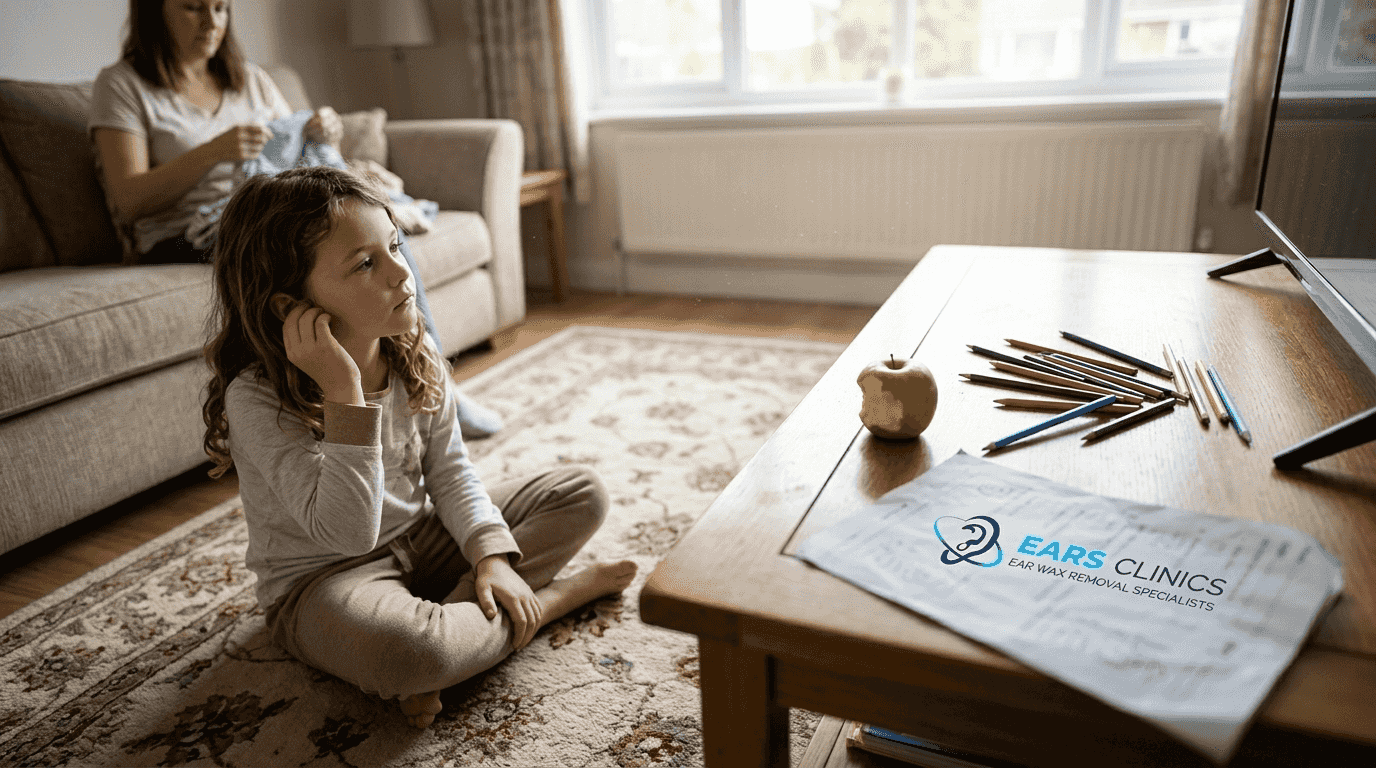
These symptoms frequently overlap with other ear conditions, particularly ear infections and glue ear, making accurate identification crucial. Ear infections are very common, particularly in children, and often resolve on their own within 3 days. If symptoms persist beyond this timeframe, earwax buildup symptoms in children become a more likely explanation.
Watch for changes in your child’s behaviour that might indicate hearing difficulties. They may struggle to follow instructions at school, seem inattentive during conversations, or withdraw from social situations due to difficulty hearing peers. Physical signs include visible wax in the outer ear, a feeling of fullness in the ear, or occasional dizziness.
Pro Tip: Keep a brief log of when symptoms appear and how long they last to help healthcare professionals assess whether ear wax or another condition is causing your child’s discomfort.
Avoid jumping to conclusions without considering symptom patterns. A single instance of ear discomfort might resolve naturally, whilst recurring issues over several days warrant closer attention. The key difference between ear wax buildup and infections often lies in accompanying symptoms like fever, fluid discharge, or sharp pain, which typically indicate infection rather than simple wax accumulation.
Safe approaches to managing ear wax in young children
Protecting your child’s delicate ear structures requires understanding what not to do as much as knowing proper care techniques. Healthcare guidance recommends against inserting objects like cotton swabs into the ear canal, as this pushes wax deeper and risks damaging the eardrum or canal lining. Many parents unknowingly cause harm by attempting to extract wax with probes, cotton buds, or improvised tools.
Safe ear care for children focuses on external cleaning only. Use a soft, damp cloth to gently wipe the outer ear after bathing, removing any visible wax on the external surface. Never insert anything into the ear canal, regardless of how soft or safe it appears. The ear canal is self-cleaning, with natural mechanisms that gradually move wax outward.
For non-urgent ear concerns in children over 1 year old, pharmacists can provide valuable first-line advice. They may recommend monitoring symptoms or suggest when professional assessment is necessary. This accessible guidance helps you avoid unnecessary worry whilst ensuring genuine issues receive appropriate attention.
Pro Tip: Monitor your child’s ear symptoms carefully for 2 to 3 days before attempting any home remedies, as many minor issues resolve naturally without intervention.
Regular professional ear health checks provide the safest approach to preventing complications. Safe ear cleaning for children involves techniques that only trained specialists should perform, particularly when wax has become impacted or symptoms suggest blockage. Professional assessment ensures any underlying conditions are identified whilst protecting your child’s hearing from damage caused by inappropriate home treatments.
Establishing good ear care habits early teaches children to recognise when something feels wrong without resorting to inserting objects themselves. Explain that ears clean themselves naturally and that touching inside them can cause problems. This education, combined with safe ear care techniques for children, creates a foundation for lifelong ear health awareness.
Professional ear wax removal options available in Scotland
When home monitoring isn’t sufficient, professional intervention offers safe and effective solutions for stubborn ear wax issues. NHS-accredited ear wax removal procedures include microsuction and irrigation, both performed by trained Aural Care Specialists who understand children’s unique ear anatomy and care requirements.
Microsuction uses gentle suction to extract ear wax without introducing liquids into the ear canal. This method proves particularly suitable for children with sensitive ears, previous ear surgery, or perforated eardrums. The procedure allows specialists to view the ear canal clearly whilst removing wax precisely, minimising discomfort and risk.
Irrigation involves gentle flushing of the ear canal with temperature-controlled water to dislodge and remove wax buildup. This technique works effectively for softer wax accumulations and provides comfortable relief when performed by experienced practitioners. Both methods avoid the risks associated with manual extraction using instruments in inexperienced hands.
Method | Safety Profile | Effectiveness | Child Suitability |
Microsuction | Very high, no liquids | Excellent for hard wax | Ideal for sensitive ears |
Irrigation | High, gentle flushing | Excellent for soft wax | Suitable for most children |
Home remedies | Low, potential damage | Limited, unreliable | Not recommended |
Pro Tip: Choose clinics with NHS accreditation and Healthcare Improvement Scotland registration to ensure your child receives expert care following the strictest safety guidelines.
Professional removal prevents the injury risks associated with home attempts whilst addressing wax issues that over-the-counter solutions cannot resolve. Children’s ear wax removal services delivered by qualified specialists provide peace of mind that your child’s hearing health receives appropriate, safe attention. Regulated clinics in Scotland offer appointments designed specifically for young patients, creating comfortable environments that reduce anxiety.
The investment in professional care protects against potential hearing damage, infection risk from improper techniques, and the distress children experience when well-meaning home treatments cause discomfort. Specialists assess each child’s specific situation, selecting the most appropriate method and ensuring thorough wax removal without complications.
When to seek medical advice for your child’s ear symptoms
Knowing when to escalate from monitoring to seeking professional advice ensures your child receives timely care without unnecessary medical visits. The guidance differs based on your child’s age and symptom severity, helping you make informed decisions about next steps.
For children aged 1 to 17 years with mild ear discomfort or suspected wax buildup, seek non-urgent advice from a pharmacist who can assess whether symptoms warrant further investigation or simple monitoring.
If your child is under 12 months old and you suspect an ear infection or wax issue, consult your GP promptly as infants require more immediate professional assessment due to their developing ear structures.
When earache or related symptoms persist beyond 3 days without improvement, arrange a GP appointment to rule out infection or identify stubborn wax requiring professional removal.
Watch for warning signs including severe pain, high fever above 38°C, fluid discharge from the ear, sudden hearing loss, or your child becoming unusually irritable and unwell, all of which need same-day medical review.
If your child experiences recurring ear problems, frequent wax buildup, or ongoing hearing difficulties, request referral to an ear specialist or consider private ear care clinics for comprehensive assessment and treatment.
The ear health checklist for kids helps you track symptoms systematically, providing healthcare professionals with useful information about symptom patterns and duration. This documentation proves particularly valuable when symptoms are intermittent or your child struggles to describe their discomfort clearly.
Don’t hesitate to seek advice when uncertain. Early professional input often prevents complications and provides reassurance that your child’s symptoms receive appropriate attention. Healthcare professionals would rather assess a child unnecessarily than miss a condition requiring treatment.
Discover professional ear care and removal services
Protecting your child’s hearing health deserves the expertise and safety that NHS-accredited ear care professionals provide. Specialised ear wax removal procedures use gentle, proven techniques that respect children’s sensitive ear structures whilst effectively resolving stubborn wax issues.

Healthcare Improvement Scotland registered clinics offer professional children’s ear wax removal services delivered by trained Aural Care Specialists who understand young patients’ needs. These practitioners follow the strictest safety guidelines, ensuring your child receives expert care in comfortable, reassuring environments designed to minimise anxiety.
Early professional intervention prevents ear complications, relieves discomfort, and protects developing hearing. Booking online provides clear expectations about what happens during appointments, helping you prepare your child and arrange convenient ear health checks expectations times including same-day availability when needed. Choose trusted professionals who prioritise your child’s wellbeing and deliver the safe, effective ear care your family deserves.
Common questions about ear wax symptoms in children
Can ear wax cause hearing loss in children?
Ear wax buildup can partially block the ear canal, causing temporary hearing loss that affects your child’s ability to hear conversations, follow instructions, or engage in classroom activities. The most common symptom of glue ear is temporary hearing loss, which shares similarities with wax-related hearing reduction. If hearing loss persists despite addressing suspected wax issues, professional assessment is advised to rule out other conditions.
Is it safe to remove my child’s ear wax at home?
Home ear wax removal carries significant risks and healthcare providers strongly advise against it. Healthcare guidance recommends against inserting objects like cotton swabs into the ear canal, as this pushes wax deeper, potentially damaging delicate structures. Safe cleaning is limited to the outer ear using a damp cloth, leaving internal wax removal to qualified professionals.
When should I seek medical advice for my child’s ear symptoms?
Seek medical advice when symptoms persist beyond 3 days, worsen despite monitoring, or include warning signs like severe pain, fever, or discharge. Parents should seek non-urgent advice from a GP if earache does not improve after 3 days or if their child is under 12 months old with suspected ear issues. Infants require prompt GP assessment for any ear concerns due to their developing ear structures and higher complication risks.
What is the difference between ear wax buildup and an ear infection?
Ear infections typically present with sharp pain, fever, fluid discharge, and general unwellness, whilst ear wax buildup causes duller discomfort, hearing reduction, and ear fullness without systemic illness. Infections often develop suddenly and may resolve within 3 days, whereas wax accumulation builds gradually over weeks. Professional examination provides definitive diagnosis when symptoms overlap or persist beyond expected timeframes.
How often should children have their ears checked professionally?
Children experiencing recurring ear issues, frequent wax buildup, or hearing difficulties benefit from professional ear checks every 6 to 12 months. Those without ongoing concerns may only need assessment when symptoms appear. Regular monitoring proves particularly valuable for children with narrow ear canals, excessive wax production, or conditions affecting ear health, ensuring early identification and treatment of developing issues.
Recommended