
Why Avoid Ear Candling: Safer Solutions for Ear Wax
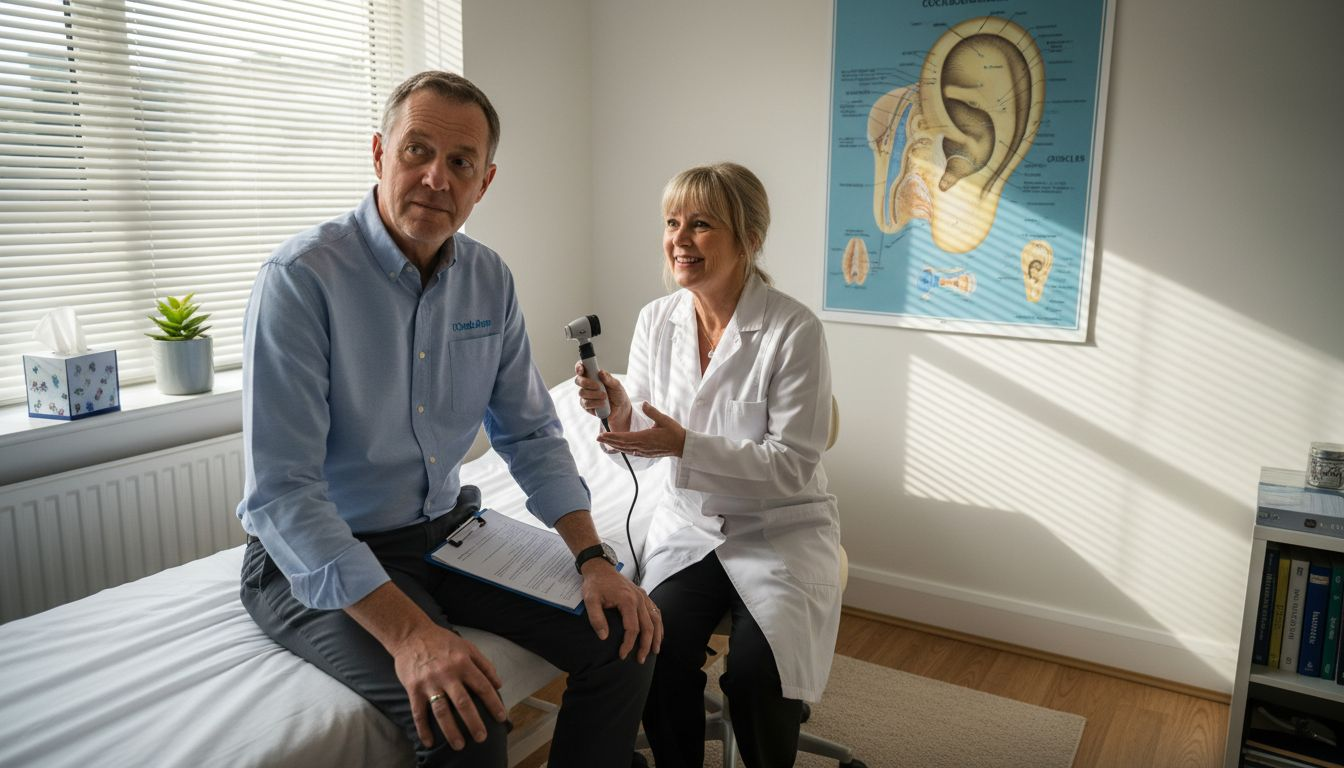
Choosing how to deal with earwax can be stressful when faced with risky trends like ear candling. Many adults in Glasgow and Edinburgh are drawn to this so-called therapy without realising that it brings more harm than help. Scientific studies prove ear candling does not remove earwax and can even cause burns or hearing problems. This guide provides the facts you need and points you towards safe, professional options for lasting ear health.
Key Takeaways
Point | Details |
Effectiveness of Ear Candling | Ear candling lacks scientific support and does not effectively remove earwax or provide the claimed health benefits. |
Safety Concerns | The practice poses significant health risks including burns and perforated eardrums, which can lead to permanent damage. |
Regulatory Stance | UK health authorities strongly discourage ear candling, citing its lack of efficacy and potential dangers. |
Preferred Alternatives | Professional ear wax removal methods, such as microsuction, are safe, effective, and regulated, providing proven relief from symptoms. |
What Is Ear Candling and How Is It Done
Ear candling, also called thermal-auricular therapy, is an alternative health practice that has gained popularity despite lacking scientific support. The procedure involves a hollow, cone-shaped candle made from fabric soaked in beeswax or paraffin wax. Practitioners insert this candle into your ear canal and light the opposite end, with the claimed intention of creating suction to extract earwax and impurities.
The process itself is relatively straightforward. You lie on your side whilst an assistant holds the candle steady inside your ear. A protective barrier, typically a paper plate or cloth, surrounds the ear to catch dripping wax and ash. The candle burns for approximately 10 to 15 minutes whilst you remain still. During this time, heat from the flame is supposed to generate gentle suction within the ear canal. Once the candle has burned down to a safe level, the assistant trims the burned wick, extinguishes the candle, and carefully removes it from your ear.
After the procedure, a yellowish residue typically appears inside the candle. Practitioners often claim this residue is earwax, bacteria, and toxins extracted from your ear. However, scientific evidence demonstrates that this residue is actually just melted beeswax and burnt candle material, not earwax. The supposed suction mechanism does not occur as claimed, making the primary mechanism behind ear candling ineffective.
What makes ear candling particularly problematic is that it offers a false sense of treatment. You may feel something is happening because the candle burns and creates warmth, but the actual extraction of earwax does not take place. Meanwhile, professional ear wax removal beats DIY methods like candling through proper clinical techniques that are proven to work safely and effectively.
The risks associated with ear candling are substantial. Burns inside the ear canal, punctured eardrums, and retained candle wax deep within the ear are genuine dangers from this practice. These complications can cause permanent hearing damage and require professional medical intervention to resolve.

Here’s a concise comparison of ear candling versus professional ear wax removal:
Aspect | Ear Candling | Professional Removal |
Scientific evidence | None; lacks clinical support | Strong; validated by studies |
Safety profile | High risk of burns and injury | Safeguarded by medical regulation |
Typical outcomes | No proven benefits; possible harm | Effective wax removal; symptom relief |
Regulation in the UK | Actively discouraged by regulators | Strictly regulated by CQC and HIS |
Pro tip: If you suspect earwax buildup, book a consultation with a trained Aural Care Specialist at EARS Clinics rather than attempting any home remedy. We use proven, safe methods like microsuction that actually remove wax without risk.
Common Types and Claims About Ear Candling
Ear candles come in several variations, though they all share the same basic structure and purpose. Most candles are hollow cones approximately 10 inches long, made from cotton or linen fabric soaked in beeswax or paraffin wax. Some manufacturers enhance their candles by infusing them with herbs or essential oils such as rosemary and chamomile, claiming these additions improve the therapeutic effects.
Practitioners market ear candles as a cure-all for numerous conditions beyond earwax removal. Common claims include treating ear infections, reducing headaches, clearing sinus infections, and even detoxifying the body. The primary mechanism claimed is that the candle’s heat creates suction within the ear canal, supposedly pulling out accumulated wax, bacteria, and toxins in one go. Advocates suggest this process promotes overall wellness and ear health.
These claims sound compelling, and that is precisely why ear candling remains popular despite its lack of evidence. No verified scientific support exists for any of the health benefits attributed to ear candling. Independent studies consistently fail to demonstrate that the procedure removes earwax effectively or provides any therapeutic benefit. The supposed suction mechanism does not occur as described, making the foundational claim entirely inaccurate.
What makes ear candling particularly misleading is how it exploits misunderstandings about earwax. Many people view earwax as something that must be removed urgently, when in fact your ears naturally regulate wax production. This misconception feeds the market for alternative treatments like candling. Meanwhile, common myths about ear health continue to circulate, encouraging people to seek unproven solutions.
Health authorities worldwide, including regulatory bodies in the United Kingdom, actively discourage ear candling due to documented safety risks. The procedure can cause burns, perforated eardrums, and impacted wax deeper in the canal. These complications far outweigh any claimed benefits, particularly since those benefits have no scientific foundation.
Pro tip: If you have heard claims about ear candling treating conditions beyond wax removal, be sceptical. Book an appointment with EARS Clinics to discuss your actual ear health concerns with a qualified professional who can recommend evidence-based treatments.
The Scientific Evidence Against Ear Candling
When researchers have examined ear candling under controlled conditions, the results are unambiguous: it simply does not work. Studies measuring suction pressure consistently show that no vacuum is created during the procedure, regardless of how long the candle burns or how carefully it is positioned. This finding directly contradicts the central claim that ear candling removes earwax through suction.
The heat generated by a burning candle cannot liquefy earwax effectively. Cerumen, the scientific term for earwax, has a melting point that the candle flame never reaches inside your ear canal. Even if it did, softening wax would not cause it to be drawn upward and out of your ear. The mechanism simply does not exist as practitioners describe it.
Perhaps most tellingly, laboratory analysis of the residue left inside used candles reveals the truth. The debris found in candles is primarily burnt candle wax, not ear material at all. When practitioners show you the yellowish residue and claim it is your earwax and toxins, they are displaying melted candle wax mixed with ash. This misrepresentation has deceived countless people into believing the procedure worked when nothing was actually extracted.
Leading medical organisations worldwide have reviewed the available evidence and reached the same conclusion. The British Medical Association, along with numerous other health authorities, has determined that ear candling lacks any scientific support. No credible clinical trials demonstrate efficacy, and the practice does not produce the benefits claimed by its proponents. The evidence against it is not weak or inconclusive; it is decisive.
Understanding how ear wax actually forms and functions helps explain why ear candling’s claimed mechanism cannot work. Your ears are self-cleaning systems that naturally manage wax production without intervention from heat or suction.
Pro tip: When researching ear treatment options, look for published clinical studies and endorsements from established medical bodies like the British Medical Association. If a treatment lacks this evidence, it is not worth the risk.
Health Risks and Legal Warnings in the UK
Ear candling carries genuine and documented health risks that extend far beyond minor discomfort. Burns inside the ear canal are among the most common injuries, occurring when hot wax or ash from the candle makes contact with sensitive tissue. These burns can cause pain that persists for weeks and may result in permanent scarring of the delicate ear canal lining.
Perforation of the eardrum represents a far more serious consequence. If the candle is inserted too deeply or if pressure builds incorrectly inside the canal, the eardrum can rupture. A perforated eardrum leads to hearing loss, chronic ear infections, and considerable pain. In some cases, surgical intervention becomes necessary to repair the damage. This injury is not reversible through any home treatment.
Candle wax itself can become impacted deep within the ear canal, compounding existing earwax buildup rather than relieving it. When melted candle wax cools inside your ear, it hardens and becomes stuck. Removing this impacted debris requires professional extraction, adding cost and discomfort to your situation. You end up requiring the very professional treatment you were trying to avoid.
In the United Kingdom, healthcare regulators and professional bodies take ear candling very seriously. The Care Quality Commission (CQC) and Healthcare Improvement Scotland (HIS) have issued clear warnings against the practice. These regulatory bodies prioritise patient safety and have explicitly stated that ear candling is not an approved treatment method. Practitioners offering ear candling without proper medical qualifications face potential legal action.
Most importantly, the NHS rarely offers ear wax removal through standard services, which makes seeking alternative treatments tempting. However, turning to unproven methods puts you at risk when safer, clinically validated options exist.
Resputable ear care providers in the UK, such as EARS Clinics, operate under strict CQC and HIS regulation. Our practitioners hold appropriate qualifications and follow evidence-based protocols. When you choose a regulated clinic, you receive protection through established safety standards and professional accountability.
Pro tip: Always verify that any ear care provider is registered with the CQC or HIS before booking treatment. Check their regulatory status online to ensure you are receiving care from a properly qualified practitioner.
Professional Ear Wax Removal: Trusted Alternatives
When earwax buildup causes problems, professional clinical treatment offers safe, effective solutions backed by medical evidence. Unlike ear candling, proven methods actually work because they are based on sound physiological principles and decades of clinical practice. Your ears deserve care from trained specialists using validated techniques.
Microsuction represents the gold standard for earwax removal in modern audiology. This technique uses a gentle vacuum and a microscope to visualise your ear canal whilst the practitioner carefully extracts wax. The procedure is precise, minimally invasive, and suitable for most patients. Microsuction works quickly, often taking just 15 to 20 minutes, and provides immediate relief from symptoms like hearing loss or fullness in the ear.
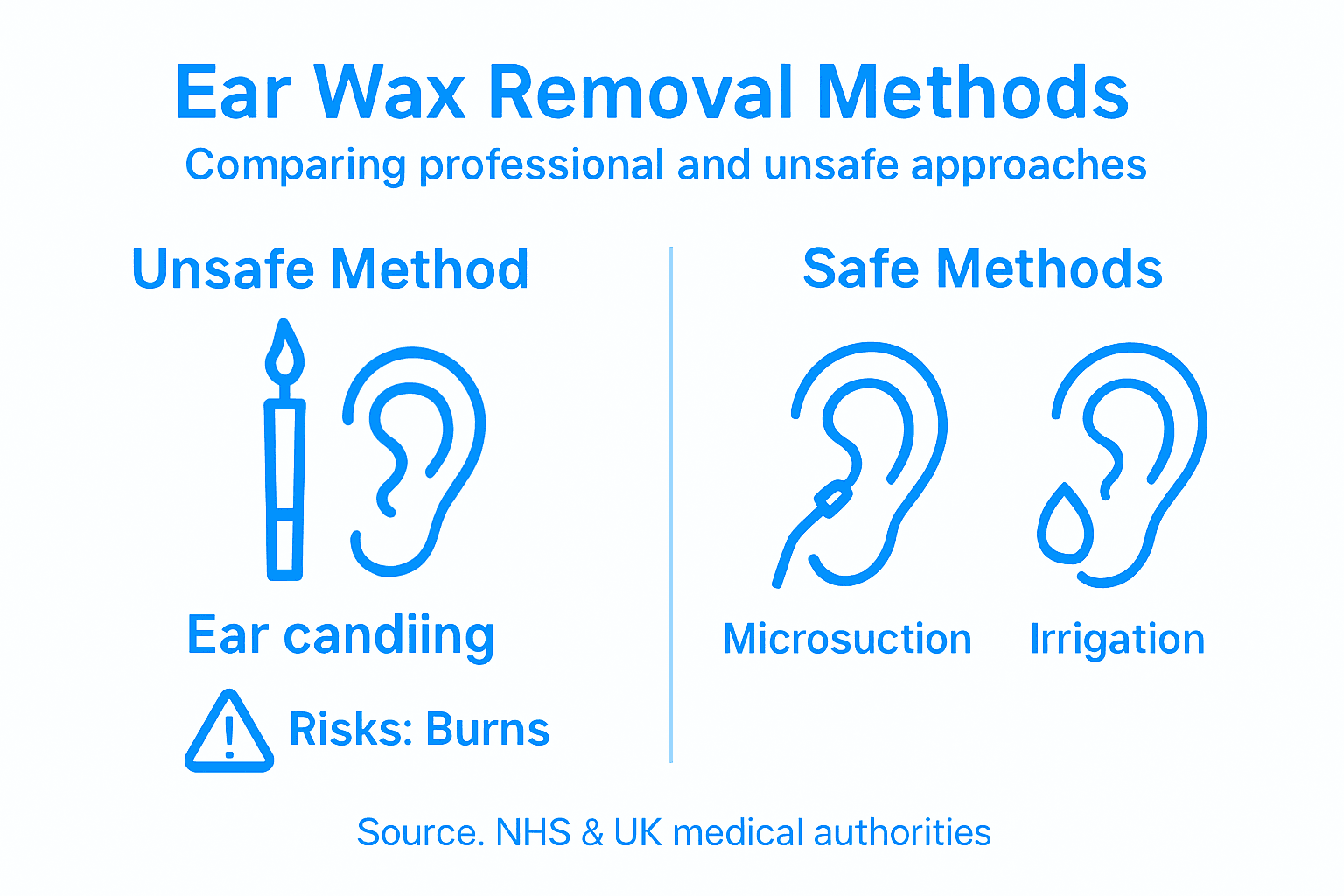
Irrigation is another clinically proven method where warm water is gently sprayed into the ear canal to dislodge earwax. The softened wax flows out naturally into a collection basin. This technique is particularly effective for stubborn, compacted wax and carries minimal risk when performed by trained practitioners. Many people find it comfortable and straightforward.
Manual instrumentation, sometimes called curette removal, involves using specialised instruments to carefully extract wax from the canal. A skilled practitioner can remove wax precisely whilst viewing the ear canal through a microscope or otoscope. This method suits patients who may not tolerate suction or water-based approaches.
For reference, here is a summary of the main professional ear wax removal techniques available in the UK:
Method | Description | Key Benefit | Suitable For |
Microsuction | Gentle suction under microscope | Fast relief, precise | Most adults |
Irrigation | Warm water flush by clinician | Comfortable for compacted wax | Stubborn buildups |
Manual Instrumentation | Special tool extraction under visualisation | No fluids required, highly targeted | Sensitive ears/children |
Professional ear wax removal safety depends entirely on the practitioner’s training and the method selected. Your clinician will assess your medical history and ear canal anatomy to choose the most suitable technique. EARS Clinics practitioners follow Healthcare Improvement Scotland guidelines and are regulated by the Care Quality Commission, ensuring you receive care to the highest standard.
What distinguishes professional treatment is accountability. If complications arise, regulated clinics maintain insurance and professional standards. Your practitioner can address concerns immediately and adjust the approach if needed. This level of responsibility simply does not exist with unproven alternatives.
Booking an appointment is straightforward. EARS Clinics offers same-day appointments and home visits across Glasgow and Edinburgh, with treatment costing just £60 for adults or £75 for young people. No waiting lists. No referral needed. Simply contact us at www.earhealthservice.co.uk to schedule your appointment.
Pro tip: Book your appointment during a time when symptoms bother you most, such as after showering or when your hearing feels particularly muffled. This helps your practitioner assess the severity and recommend the most appropriate removal technique.
Choose Safe and Effective Ear Care Over Risky Ear Candling
Ear candling may promise quick relief but carries serious risks like burns and eardrum damage without any proven benefit. If you are struggling with earwax buildup or discomfort, do not settle for unsafe or unproven treatments. Instead, trust the expertise of trained Aural Care Specialists at EARS Clinics who provide NHS-accredited ear wax removal using clinically validated methods such as microsuction, irrigation, and manual instrumentation.
Experience professional ear care that prioritises your safety and hearing health. With convenient same-day appointments, in-clinic visits, and home visits available across Glasgow and Edinburgh, EARS Clinics offer quick access to effective treatment without long waiting times or risky home remedies. Book your appointment today at EARS Clinics and take the first step towards clear hearing and comfort backed by Healthcare Improvement Scotland regulation. Learn more about why professional removal is a smarter choice by visiting our page on Professional Ear Wax Removal and how to Choose Safe Ear Care.
Frequently Asked Questions
What is ear candling and how is it performed?
Ear candling, also known as thermal-auricular therapy, involves inserting a hollow, cone-shaped candle into the ear canal and lighting it to create a supposed suction that removes earwax. However, scientific evidence shows that this procedure does not effectively remove earwax and poses health risks.
What are the risks associated with ear candling?
Ear candling can cause serious injuries such as burns in the ear canal, perforated eardrums, and retained candle wax that may impact deeper in the ear. These complications can lead to permanent hearing damage and require professional medical treatment.
What are the safer alternatives to ear candling for ear wax removal?
Safer alternatives to ear candling include professional methods like microsuction, irrigation, and manual instrumentation. These techniques are backed by medical evidence and are performed by trained specialists, providing effective and safe earwax removal.
How can I ensure I receive safe ear care?
To ensure safe ear care, choose a registered ear care provider who follows established guidelines and regulations. Verify their qualifications and ensure they operate in compliance with safety standards set by appropriate medical authorities.
Recommended