
Regulated Ear Clinics: Why Accredited Care Matters

Every parent faces that anxious moment when a child’s ear pain just cannot wait. When discomfort strikes, finding a safe and professional solution becomes urgent, especially in major cities like Glasgow and Edinburgh. For families seeking rapid relief, choosing a regulated ear clinic ensures your child is treated by trusted specialists certified to the highest standards, following strict safety protocols that protect your child’s well-being every step of the way.
Key Takeaways
Point | Details |
Professional Standards | Regulated ear clinics must adhere to strict accreditation requirements ensuring qualified specialists provide safe and effective care. |
Patient Safety Focus | Comprehensive safety protocols, including infection control and risk management, are essential in regulated clinics to protect patients during procedures. |
Qualified Practitioners | Only certified professionals with advanced training in ear healthcare are permitted to perform procedures in regulated environments. |
Transparent Cost Structure | Clear pricing models for children’s ear healthcare promote accessibility and ensure families understand their financial commitments. |
What Defines a Regulated Ear Clinic?
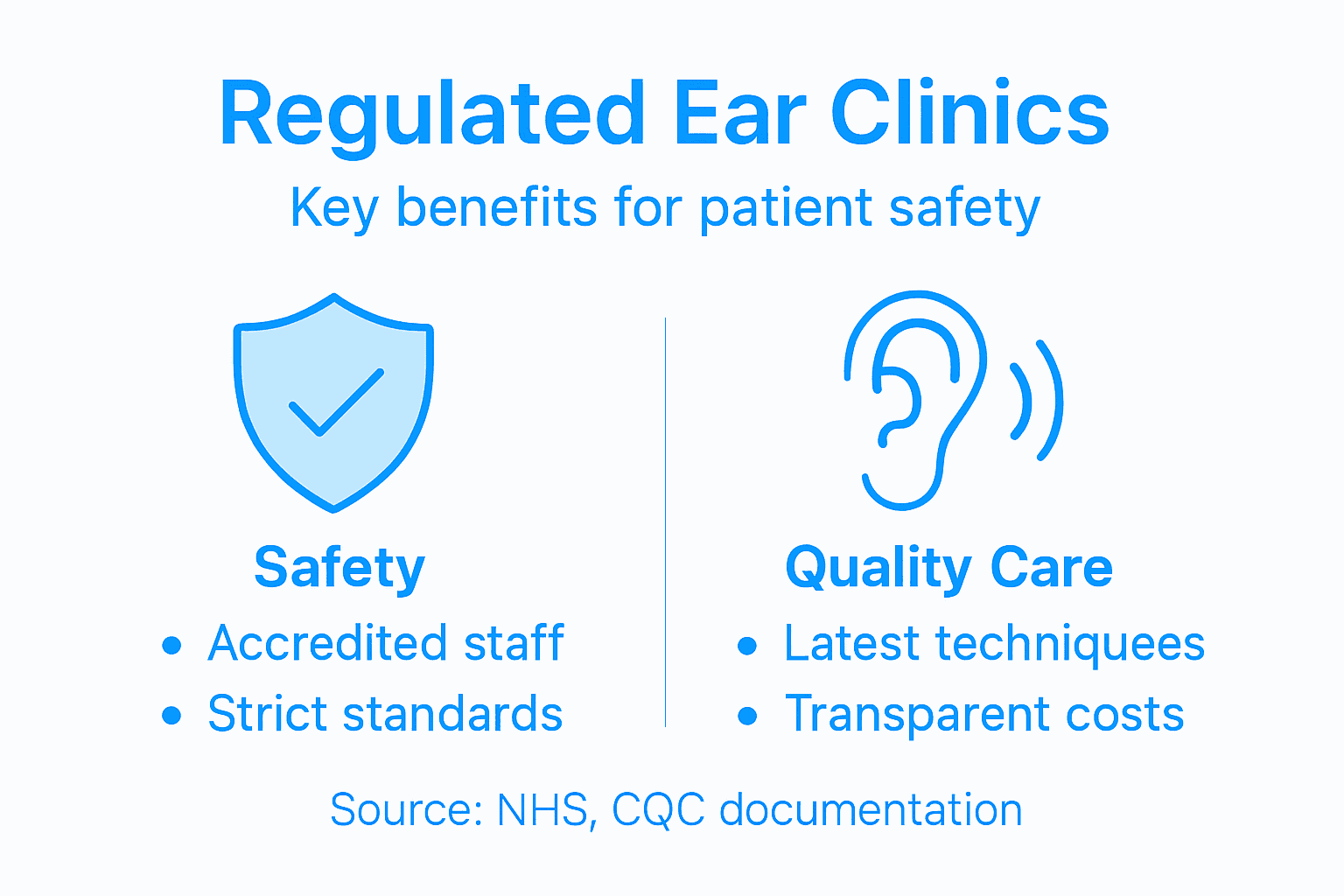
Regulated ear clinics represent a critical healthcare standard designed to protect patient safety and ensure professional excellence. Unlike standard medical practices, these clinics must meet rigorous accreditation requirements that guarantee comprehensive ear care delivered by highly trained specialists.

The UK government defines a regulated profession through specific legal standards that mandate professional qualifications and ongoing competence. Regulated healthcare professions must demonstrate consistent adherence to established practice guidelines and maintain strict patient protection protocols.
Key characteristics that distinguish regulated ear clinics include:
Professional Registration: Clinicians must be registered with official healthcare regulatory bodies like Healthcare Improvement Scotland (HIS) or the Care Quality Commission (CQC)
Certified Training: Advanced qualifications in ear healthcare, including microsuction, irrigation, and manual instrumentation techniques
Continuous Professional Development: Regular training and skill updates to maintain clinical expertise
Documented Safety Protocols: Comprehensive risk management and patient care guidelines
Independent Oversight: Regular professional assessments and performance evaluations
Patient safety remains the paramount concern in regulated ear clinics. These facilities are required to maintain meticulous records, implement comprehensive infection control measures, and ensure practitioners are consistently evaluated for clinical competence.
Pro tip: Always verify a clinic’s regulatory status by requesting their official registration number and checking their credentials with recognised healthcare regulatory bodies.
Accreditation Requirements and NHS Standards
NHS accreditation represents a comprehensive framework designed to ensure the highest standards of ear healthcare across the United Kingdom. NHS clinical standards mandate rigorous requirements for ear care professionals, focusing on patient safety, clinical competence, and continuous professional development.
The Care Quality Commission (CQC) plays a pivotal role in maintaining these standards by conducting thorough evaluations of healthcare providers. Accreditation schemes serve as critical mechanisms for ensuring clinics meet and exceed established healthcare benchmarks.
Key accreditation requirements for ear clinics include:
Professional Qualifications: Mandatory advanced certifications in ear healthcare
Continuous Training: Regular upskilling in latest microsuction and ear care techniques
Patient Safety Protocols: Comprehensive risk management and infection control procedures
Clinical Documentation: Meticulous record-keeping and patient history management
Equipment Standards: Regular calibration and maintenance of professional ear care equipment
For patients, these stringent standards provide critical reassurance. Accredited clinics demonstrate a commitment to delivering safe, professional, and high-quality ear healthcare services that prioritise patient well-being and clinical excellence.
Pro tip: Always request to see a clinic’s current NHS or CQC accreditation documentation before proceeding with any ear care treatment.
Ear Wax Removal Techniques and Practitioner Roles
Ear wax removal is a specialised medical procedure requiring extensive training and precise technical skills. Aural care techniques encompass multiple methods, each demanding specific expertise from healthcare professionals.
Microsuction stands as the primary recommended technique, involving carefully controlled suction to extract ear wax using specialised magnification equipment. Clinical guidance emphasises practitioner skill in minimising patient discomfort and preventing potential complications.
Primary ear wax removal techniques include:
Microsuction: Using gentle suction with magnified visual guidance
Irrigation: Controlled water-based removal for softer wax deposits
Manual Instrumentation: Precise mechanical wax extraction using specialised tools
Curettage: Carefully removing wax using specific ear-specific instruments
Ear Drops: Softening wax to facilitate easier removal
Practitioner roles in ear wax removal require comprehensive training across multiple disciplines. Qualified professionals typically include audiologists, ENT nurses, and specialist ear care practitioners who undergo rigorous certification processes to ensure patient safety and clinical excellence.
Pro tip: Always confirm a practitioner’s specific qualifications and experience in ear wax removal techniques before scheduling a procedure.
Patient Safety, Risks, and Clinic Protocols
Patient safety represents the cornerstone of professional ear healthcare, encompassing comprehensive strategies designed to protect individuals during medical procedures. Patient safety frameworks provide critical guidelines for preventing potential complications and ensuring optimal care outcomes.
ENT clinics implement rigorous practice standards that address multiple dimensions of patient protection and clinical excellence. These protocols involve comprehensive risk management strategies designed to minimise potential adverse events during ear wax removal procedures.
Critical safety protocols in ear clinics include:
Infection Control: Strict sterilisation of equipment and treatment areas
Patient Screening: Comprehensive medical history assessments
Procedural Consent: Detailed explanation of potential risks and treatment methods
Equipment Maintenance: Regular calibration and quality checks of medical instruments
Adverse Event Management: Systematic reporting and response protocols
Potential risks during ear wax removal can include minor complications such as temporary discomfort, ear canal irritation, or rare instances of accidental injury. Professional clinics mitigate these risks through meticulous practitioner training, advanced techniques, and patient-centred care approaches.
Pro tip: Request a comprehensive pre-procedure consultation to discuss your specific medical history and potential individual risks before any ear wax removal treatment.
Comparing Regulated Clinics With Alternatives
The landscape of ear healthcare presents stark differences between regulated clinics and unregulated alternatives, with significant implications for patient safety and treatment quality. Healthcare regulation standards demonstrate critical distinctions that protect patients from potential risks associated with non-professional interventions.
Regulated ear clinics operate under stringent professional guidelines, ensuring practitioners possess verified qualifications, follow standardised procedures, and maintain continuous professional development. Unregulated alternatives often lack these comprehensive safeguards, potentially exposing patients to substandard care and increased health risks.
Key differences between regulated and unregulated ear care services include:
Practitioner Qualifications: Regulated clinics require certified, professionally trained specialists
Safety Protocols: Comprehensive infection control and risk management procedures
Equipment Standards: Regularly calibrated, professionally maintained medical instruments
Clinical Documentation: Detailed patient records and transparent medical histories
Liability Protection: Clear professional indemnity and patient protection mechanisms
While unregulated services might appear more affordable, they frequently compromise patient safety through inconsistent practices, inadequate training, and limited accountability. Regulated clinics invest in continuous professional development, advanced technologies, and rigorous quality assurance mechanisms that ultimately protect patient well-being.
Here is a concise comparison of regulated and unregulated ear clinics to highlight their impact on patient care:
Criteria | Regulated Ear Clinic | Unregulated Alternative |
Practitioner Background | Advanced ear care certifications | Limited or unclear training |
Clinical Oversight | External audits and evaluations | No formal assessment processes |
Quality Assurance Measures | Standardised patient protection | Inconsistent or absent protocols |
Legal Safeguards | Strong indemnity and accountability | Weak or no patient recourse |
Pro tip: Always request and verify a practitioner’s professional credentials and regulatory registration before proceeding with any ear care treatment.
Costs, Access, and Booking Your Child’s Care
Navigating ear healthcare for children involves understanding complex access pathways and financial considerations. NHS ear check services provide critical support mechanisms for families, particularly those with children experiencing additional healthcare needs.
Parents seeking ear care for their children have multiple booking options, with EARS Clinics offering specialised paediatric services tailored to different age groups and specific medical requirements. Child-friendly ear care remains a priority, ensuring comfortable and safe treatment experiences.
Key considerations for booking ear care include:
Age-Specific Pricing: Different rates for children under and over 18
Clinic Locations: Convenient sites in Glasgow and Edinburgh
Appointment Types: In-clinic, same-day, and home visit options
Consultation Duration: Comprehensive initial assessments
Referral Pathways: Direct booking or NHS referral mechanisms
Cost structures for EARS Clinics are transparently designed to support accessible healthcare. Pricing includes £75 for under-18s, with home visits available for £180, ensuring families can access professional ear care without financial barriers.
For reference, here is a summary of children’s ear care booking options and associated costs:
Booking Type | Location Choices | Estimated Cost | Suitable Age Range |
In-clinic | Glasgow, Edinburgh | £75 | Under 18s |
Home visit | Multiple city options | £180 | All paediatric patients |
Same-day appointment | Limited availability | Varies | Children and adolescents |
Pro tip: Always confirm your child’s specific ear health requirements and potential insurance coverage before scheduling a consultation.
Experience Safe and NHS-Accredited Ear Care at EARS Clinics
The article highlights how critical regulated ear clinics are for delivering safe, professional ear health services. If you are concerned about finding a clinic that strictly follows accreditation requirements like Healthcare Improvement Scotland (HIS) registration and employs trained specialists skilled in microsuction, irrigation, and manual instrumentation techniques, EARS Clinics provide exactly that. With patient safety at the core, their clinics in Glasgow and Edinburgh are among the few regulated ear healthcare providers in Scotland, ensuring you or your child receive expert care without long NHS waiting times or pre-treatment conditions.
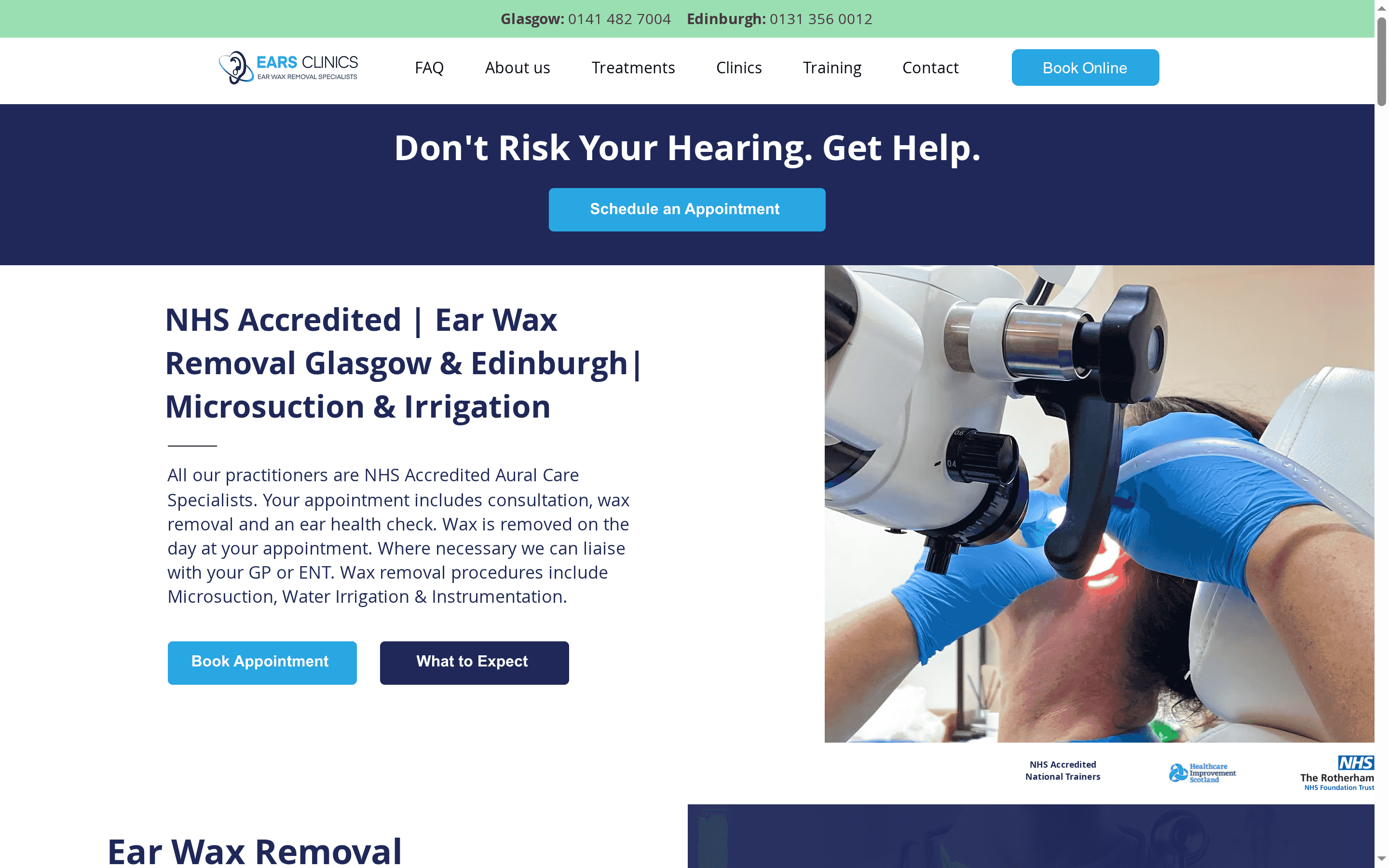
Discover how EARS Clinics prioritise your well-being through stringent safety protocols and clear patient information. Book your consultation today to benefit from professional ear wax removal conducted by NHS-accredited Aural Care Specialists. Visit EARS Clinics for convenient appointments and home visit options tailored to your needs. Secure fast, trustworthy ear health treatment now by visiting EARS Clinics Booking and experience the difference of regulated, accredited care.
Frequently Asked Questions
What is a regulated ear clinic?
Regulated ear clinics are healthcare facilities that meet stringent accreditation requirements ensuring patient safety and professional excellence in ear care.
Why is accreditation important for ear clinics?
Accreditation ensures that clinics adhere to high standards of patient safety, clinical competence, and continuous professional development, thereby prioritising the well-being of patients.
What techniques are used for ear wax removal in regulated clinics?
Common techniques include microsuction, irrigation, manual instrumentation, curettage, and the use of ear drops to soften wax for removal.
How can I verify a clinic’s accreditation and safety standards?
You can verify a clinic’s accreditation by requesting their official registration number and checking their credentials with recognised healthcare regulatory bodies.
Recommended