
Child-Friendly Ear Care: Safety and Expertise at Clinics

Every parent faces moments when their child complains about sore ears or struggles with discomfort, leaving you searching for safe, gentle solutions close to home. In busy cities like Glasgow and Edinburgh, finding expert ear wax removal for young patients can feel daunting, especially when you want attentive, child-centred care without a long wait. This guide explores what truly sets child-friendly ear care apart, highlighting the importance of specialised approaches, professional expertise, and environments designed for your child’s emotional comfort and safety.
Key Takeaways
Point | Details |
Child-Friendly Approach | Ear care for children requires specialised techniques that prioritise emotional safety and comfort during treatment. |
Importance of Communication | Using age-appropriate language and involving parents is crucial for reducing anxiety and ensuring children understand procedures. |
Regulatory Standards | Professional ear clinics adhere to stringent qualifications and continuous training to ensure high standards of paediatric care. |
Cost and Accessibility | Families should explore various booking and billing options offered by clinics to manage ear care expenses effectively. |
What Makes Ear Care Child-Friendly
Ear care for children requires a specialised, compassionate approach that goes beyond standard medical procedures. Child-friendly healthcare principles emphasise adapting medical interactions to children’s developmental stages, ensuring comfort and understanding throughout treatment.
Key components of child-friendly ear care include:
Developmentally appropriate communication techniques
Creating a non-threatening clinical environment
Using gentle, age-specific examination methods
Ensuring parental involvement and support
Minimising potential anxiety or discomfort
Professional ear clinics like EARS Clinics understand that children are not simply small adults. They require specialised approaches that make medical interactions feel safe, predictable, and even potentially enjoyable. Microsuction procedures, for instance, are carefully adapted to reduce stress and ensure minimal invasiveness.
The clinical environment plays a crucial role in child-friendly ear care. Practitioners are trained to:
Use calm, reassuring tones
Explain procedures in child-appropriate language
Allow parents to remain present during examinations
Provide visual distractions or comfort items
Move slowly and explain each step
Communication strategies are particularly important. Clinicians use age-appropriate explanations, often incorporating storytelling or visual demonstrations to help children understand what’s happening during ear examinations or wax removal procedures.
Child-friendly healthcare prioritises respect, understanding, and emotional safety throughout medical interactions.
Pro tip: Prepare your child for ear care appointments by discussing the process positively and selecting a clinic specialising in paediatric ear health services.

Specialist Techniques for Children’s Safety
Ear care for children demands highly specialised and gentle techniques that prioritise both clinical effectiveness and emotional comfort. Safe ear cleaning techniques require practitioners to employ multiple strategies that minimise stress and potential discomfort during medical procedures.
Specialist ear care techniques for children include:
Using smaller, child-specific medical instruments
Implementing gentle, slow examination approaches
Creating a calm and non-threatening clinical environment
Allowing parental presence during procedures
Utilising distraction techniques to reduce anxiety
Paediatric ear care professionals understand that children’s ear anatomy and psychological needs differ significantly from adults. Microsuction procedures are carefully modified to ensure minimal invasiveness and maximum patient comfort. Clinicians use soft-tipped instruments specifically designed for smaller ear canals, reducing potential discomfort and risk.
The safety protocols for children’s ear care are comprehensive and multifaceted:
Conduct thorough pre-procedure health assessments
Use child-sized medical equipment
Implement age-appropriate communication strategies
Monitor patient comfort continuously
Provide immediate emotional support
Communication techniques play a crucial role in creating a safe, reassuring environment. Practitioners use simple language, visual demonstrations, and storytelling to help children understand each step of the procedure, thereby reducing potential anxiety and fear.
Children’s ear care requires a holistic approach that balances medical precision with emotional sensitivity.
Pro tip: Request a pre-procedure consultation to help your child become familiar with the clinical environment and reduce potential anxiety.
Regulations and Qualifications at Ear Clinics
Professional ear clinics operate under stringent regulatory frameworks designed to ensure exceptional patient safety and care quality. Child-friendly healthcare regulations mandate comprehensive professional standards that protect vulnerable patient groups, particularly children.
Key regulatory requirements for ear care professionals include:
Mandatory background checks and screening
Continuous professional development certifications
Specialised paediatric healthcare training
Regular skills assessment and validation
Compliance with Healthcare Improvement Scotland (HIS) standards
At EARS Clinics, practitioners undergo rigorous professional qualification processes that extend far beyond standard medical training. Audiologists and ear care specialists must demonstrate advanced competencies in paediatric ear care, including understanding unique anatomical and psychological considerations for child patients.
The certification process for ear care professionals involves multiple critical stages:
Complete accredited audiology or nursing degree
Obtain specialised paediatric ear care certification
Pass comprehensive practical and theoretical examinations
Undergo regular professional skills reassessment
Maintain current professional registration
Regulatory compliance remains paramount in creating safe, trustworthy clinical environments. Practitioners must continuously update their knowledge, demonstrating commitment to patient safety and evolving medical best practices.
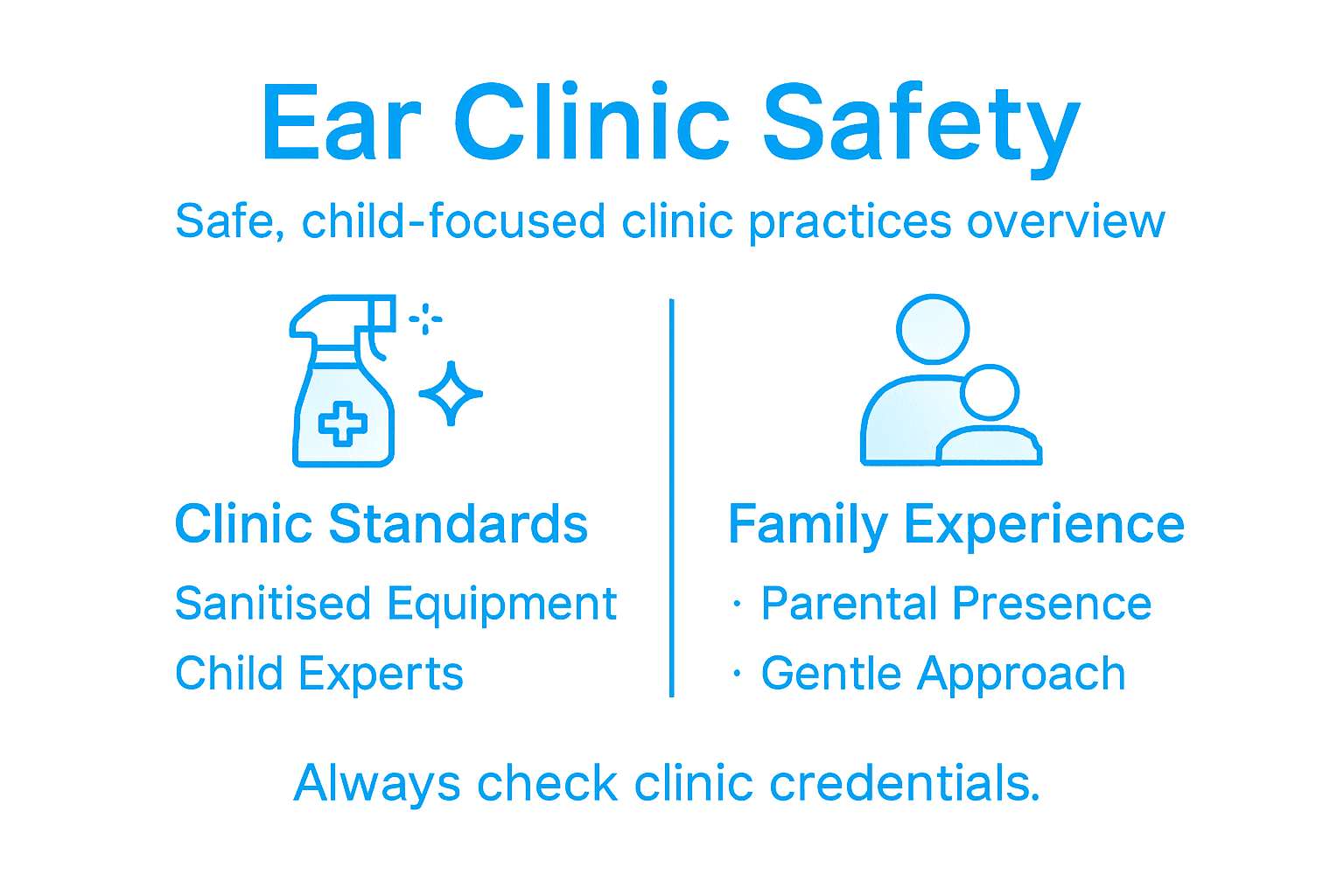
Below is a summary of core qualifications required for paediatric ear care specialists:
Qualification Stage | Why It Matters |
Accredited Medical Degree | Foundation in healthcare knowledge |
Paediatric Ear Care Certification | Ensures specialist clinical skills |
Regular Skills Assessment | Maintains up-to-date competencies |
Paediatric Communication Training | Enables effective, reassuring care |
Registration with Regulators | Verifies current professional status |
Professional qualifications in ear care represent a sophisticated intersection of technical skill and compassionate patient communication.
Pro tip: Always verify a clinic’s professional credentials and ask about practitioners’ specific paediatric ear care training before booking an appointment.
Typical Symptoms and Treatment Processes
Identifying ear health issues in children requires keen observation and understanding of common paediatric ear symptoms. Parents should remain vigilant about potential signs that might indicate underlying ear problems requiring professional assessment.
Typical symptoms suggesting ear health concerns include:
Persistent ear pain or discomfort
Unusual ear discharge or fluid
Frequent tugging or rubbing of ears
Reduced hearing or sound responsiveness
Fever accompanying ear symptoms
Balance or coordination difficulties
Irritability or disrupted sleep patterns
Professional ear clinics approach diagnostic processes systematically. Initial consultations involve comprehensive examinations, including visual inspections, otoscopic evaluations, and detailed medical history assessments to determine the most appropriate treatment strategy.
Treatment approaches vary depending on specific symptoms and clinical findings:
Conduct thorough clinical examination
Perform hearing assessments if required
Determine whether medical intervention is necessary
Select appropriate treatment method
Schedule follow-up monitoring
Medical interventions might range from conservative management to targeted treatments, always prioritising minimal invasiveness and maximum patient comfort. Practitioners carefully consider each child’s unique medical context when recommending specific procedures.
Early detection and professional intervention are crucial in preventing potential long-term ear health complications.
Pro tip: Keep a symptom diary documenting your child’s ear-related issues to provide comprehensive information during medical consultations.
Comparing Private and NHS Ear Care
Navigating ear care services requires understanding the key differences between private clinics and NHS provisions. NHS ear care policies often have significant limitations that impact patient access and treatment options.
Key comparative aspects of NHS and private ear care include:
Waiting times for appointments
Range of available treatment techniques
Cost structure
Personalisation of care
Accessibility of services
Specialist equipment availability
Flexibility of appointment scheduling
Private ear care clinics like EARS Clinics offer professional alternatives to traditional NHS services. These clinics provide more immediate, comprehensive ear health solutions with shorter wait times and more personalised treatment approaches.
The primary differences between NHS and private ear care can be systematically evaluated:
Appointment availability
Treatment technique range
Cost considerations
Specialist equipment access
Individualised patient care
Treatment flexibility distinguishes private clinics, allowing more comprehensive and immediate interventions. NHS services frequently face resource constraints that can limit treatment options and patient waiting times.
Here’s a concise comparison of NHS and private ear care for children:
Aspect | NHS Ear Care | Private Ear Care |
Appointment Wait Time | Often several weeks | Usually within a few days |
Personalisation | Standardised, limited | Highly tailored to child |
Equipment Access | Basic tools for most cases | Advanced, paediatric-specific |
Out-of-Pocket Cost | Usually free at point of use | Varies; fees apply |
Aftercare Options | Limited follow-up | Flexible, ongoing monitoring |
Private ear care clinics prioritise patient convenience and immediate, specialised medical attention.
Pro tip: Consider your specific ear health needs and budget when selecting between NHS and private ear care services.
Costs and Booking Options for Families
Families seeking ear care services need comprehensive information about pricing and booking flexibility. Ear care booking techniques provide multiple options for managing children’s ear health effectively and economically.
Cost considerations for families include:
Pricing for different age groups
Consultation and treatment fees
Potential insurance coverage options
Private vs NHS service expenses
Additional charges for complex procedures
Family package or multiple appointment discounts
Home visit supplementary costs
EARS Clinics offer transparent pricing structures designed specifically for paediatric patients. Their service model recognises the unique financial considerations families face when managing children’s healthcare needs.
Booking options for families typically encompass:
Online appointment scheduling
Telephone consultation bookings
Same-day emergency slots
Family group booking discounts
Home visit arrangements
Flexible payment methods distinguish professional ear care clinics from traditional healthcare settings. EARS Clinics provide clear pricing for different services, with specific rates for children under and over 18 years old.
Family-friendly ear care services prioritise accessibility, affordability, and comprehensive healthcare solutions.
Pro tip: Always confirm total treatment costs and potential additional fees before booking your child’s ear care appointment.
Expert Child-Friendly Ear Care Solutions at EARS Clinics
Caring for children’s ears requires specialised attention that combines clinical expertise with a gentle, reassuring approach tailored to young patients. If you are seeking a trusted provider that understands the unique challenges of paediatric ear health, EARS Clinics offers NHS-accredited, regulated ear care services designed specifically for children from age two upwards. Our skilled Aural Care Specialists use advanced techniques such as microsuction adapted for smaller ear canals to ensure safe, effective, and virtually painless treatment.
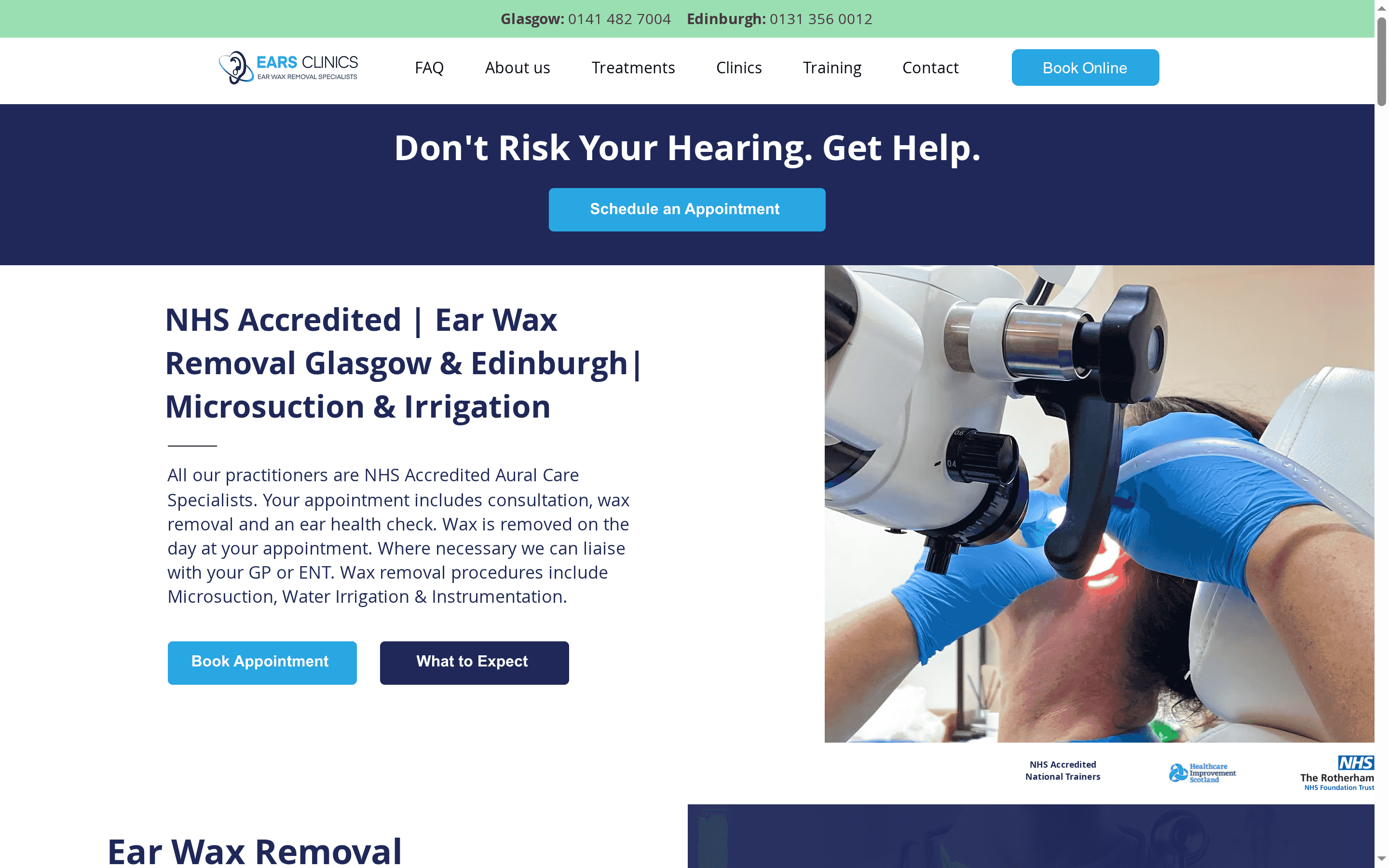
Don’t let waiting times or uncertainty add to your child’s distress. Benefit from our same-day appointments, flexible bookings, and even home visits to receive prompt care in a calm environment with professionals trained in child-friendly healthcare communication. Take the first step towards improving your child’s hearing and comfort by visiting EARS Clinics today and book an appointment that puts your family’s needs first. For detailed information on symptoms and treatment processes, explore paediatric ear health information and experience care that truly understands young ears.
Frequently Asked Questions
What is child-friendly ear care?
Child-friendly ear care involves specialised approaches tailored to children’s developmental needs, ensuring comfort and understanding during medical interactions.
How do clinics ensure a safe environment for children’s ear treatment?
Clinics create a non-threatening atmosphere by using soothing communication, allowing parental presence, and employing gentle examination techniques.
What are the key symptoms that indicate my child may need ear care?
Common symptoms include persistent ear pain, unusual ear discharge, frequent tugging at the ears, reduced hearing, and irritability. Early detection is crucial to prevent complications.
What are the differences between private and NHS ear care for children?
Private ear care often provides faster appointments, more personalised treatments, and advanced equipment access, whereas NHS services may have longer waiting times and standardised care.
Recommended