
Ear Care for Complex Needs – Safe Solutions for Children
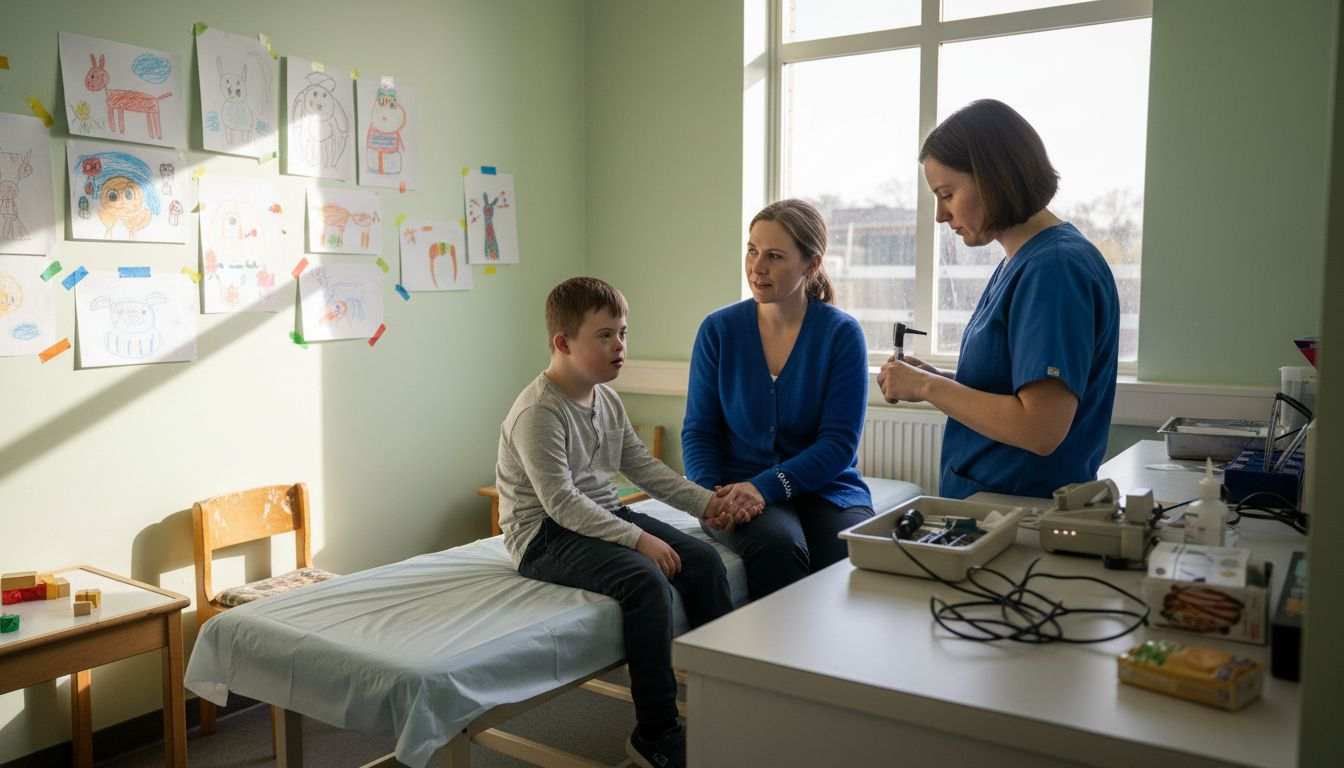
Every parent in Glasgow and Edinburgh knows that children with complex medical needs require extra thought when it comes to ear health. These young people often face multidimensional challenges, which means safe, personalised ear care matters even more. Integrated care frameworks are essential to support smooth, effective ear wax removal and address related symptoms. Discover how accredited solutions can deliver gentle, specialist support tailored to your child’s unique needs.
Key Takeaways
Point | Details |
Personalised Care is Essential | Children with complex medical needs require highly personalised ear care approaches, involving interdisciplinary collaboration among healthcare professionals. |
Early Detection is Crucial | Timely identification of ear conditions can significantly influence a child’s development, necessitating comprehensive assessments and individualised interventions. |
Rigorous Standards and Training | The highest standards for clinics and practitioners are vital in ensuring safe and effective ear care, emphasising the importance of specialised training and regulatory compliance. |
Vigilance in Management | Proactive monitoring and detailed medical record-keeping are essential to avoid diagnostic errors and treatment mistakes that can lead to long-term developmental challenges. |
Ear care for complex medical needs defined
Children with complex medical needs represent a unique and nuanced healthcare population requiring specialised, integrated approaches to ear health management. Complex medical care requirements encompass multidimensional health challenges that demand comprehensive, individualised strategies.
These children often experience health conditions that extend beyond single-discipline interventions, necessitating coordinated care from multiple healthcare professionals. Their ear health needs might involve intricate medical histories, sensory processing differences, or underlying neurological conditions that require gentle, precise therapeutic approaches.
Key characteristics of ear care for children with complex medical needs include:
Highly personalised treatment protocols
Multidisciplinary professional collaboration
Gentle, minimally invasive intervention techniques
Comprehensive patient and family support
Continuous monitoring and adaptive care strategies
Professional assessment becomes critical when managing ear health for these children. Healthcare practitioners must evaluate each child’s unique physiological, neurological, and sensory profile to design safe, effective ear care solutions.
Integrated care frameworks are essential for supporting children with complex medical needs, ensuring holistic and compassionate healthcare delivery.
Microsuction and other advanced ear wax removal techniques require exceptional skill and sensitivity when working with children who have complex medical requirements. Clinicians must balance technical precision with emotional support, creating a safe, comfortable environment.
Pro tip: Always consult specialised clinicians experienced in paediatric ear care for children with complex medical needs.
Types of ear conditions in complex cases
Children with complex medical needs experience a diverse range of ear-related conditions that require specialised, nuanced medical attention. Congenital external ear anomalies represent a significant category of ear health challenges in paediatric populations, often presenting complex diagnostic and treatment pathways.
The spectrum of ear conditions in complex cases encompasses multiple critical areas, including:
Anatomical malformations
Microtia (small/underdeveloped ear)
Anotia (complete ear absence)
Structural ear canal variations
Hearing impairment types
Conductive hearing loss
Sensorineural hearing challenges
Mixed hearing difficulties
Infectious conditions
Recurrent otitis media
Chronic ear infections
Inflammatory ear disorders
Each condition requires a comprehensive, multidisciplinary approach that considers the child’s entire developmental profile. Diagnostic precision becomes crucial, as these conditions can significantly impact communication, learning, and social development.
Early detection and individualised intervention strategies are fundamental in managing complex ear health challenges in paediatric populations.
Professional assessment involves detailed audiological testing, genetic screening, and comprehensive medical imaging to understand the intricate nature of each child’s specific ear health condition. Clinicians must balance technical evaluation with compassionate, patient-centred care.

Pro tip: Maintain a detailed medical record documenting all ear health assessments to support comprehensive, longitudinal care strategies.
Safe, accredited procedures for children
Ensuring safe ear care for children with complex medical needs demands rigorous, specialised procedures that prioritise patient comfort and clinical excellence. Standardised ear health protocols represent critical frameworks for delivering compassionate, precise interventions tailored to individual developmental requirements.
Key accredited procedures for paediatric ear care include:
Diagnostic Procedures
Video-otoscopy
Tympanometry
Comprehensive hearing assessments
Gentle Intervention Techniques
Microsuction
Professional ear irrigation
Manual instrumentation
Supportive Care Approaches
Sensory-sensitive examination methods
Communication-adapted assessment protocols
Individualised patient comfort strategies
Professional clinicians must adapt their approach, considering each child’s unique sensory processing capabilities, communication styles, and potential anxiety responses. This personalised methodology ensures both clinical effectiveness and emotional safety during ear health interventions.
Accredited clinicians prioritise patient experience, balancing technical precision with compassionate, child-centred care strategies.
Specialised ear care teams collaborate closely, integrating audiological expertise, developmental understanding, and advanced medical technologies to create comprehensive, safe treatment pathways. Each procedure is meticulously designed to minimise discomfort and maximise clinical outcomes.
Pro tip: Request a detailed pre-procedure consultation to discuss your child’s specific sensory needs and potential intervention adaptations.
Regulated clinics and practitioner expertise
Ensuring exceptional ear care for children with complex needs requires stringent regulatory oversight and specialised professional training. Healthcare provider regulations establish critical standards that protect patient safety and maintain high-quality clinical interventions.
Key requirements for regulated ear care clinics include:
Professional Credentials
NHS-accredited qualifications
Continuous professional development
Specialised paediatric ear care certification
Regulatory Compliance
Care Quality Commission (CQC) registration
Healthcare Improvement Scotland (HIS) standards
Regular clinical governance assessments
Clinical Competency Standards
Advanced diagnostic skills
Specialised intervention techniques
Comprehensive patient assessment capabilities
Practitioner expertise extends beyond technical skills, encompassing a deep understanding of children’s unique developmental and sensory processing requirements. Each clinician must demonstrate exceptional communication skills, emotional intelligence, and adaptability when working with children with complex medical needs.
Professional ear care practitioners are not just medical technicians, but compassionate specialists committed to holistic patient well-being.
Clinical teams undergo rigorous training to develop nuanced approaches that balance medical precision with emotional sensitivity. This multidimensional expertise ensures that every ear care intervention is tailored to the individual child’s specific needs, comfort, and developmental context.
Pro tip: Always verify a clinic’s CQC registration and request details about practitioners’ specialised paediatric ear care training before booking an appointment.
Cost, waiting times and practical benefits
Navigating ear care services for children with complex medical needs involves understanding the intricate landscape of healthcare accessibility and financial considerations. Paediatric hearing service waiting times present significant challenges for families seeking timely interventions.
Cost and service comparison for ear care options:
To clarify the differences between ear care service options, see the comparison below:
Service Type | Waiting Time | Practitioner Expertise | Cost (under-18s) |
NHS | 15-16 weeks | General practitioners | Free |
Private Clinic | Immediate | Paediatric specialists | Varies |
EARS Clinic | Same or next day | Advanced audiology experts | £75 (£180 home) |
NHS Services
Typically free
Longer waiting periods (15-16 weeks)
Comprehensive but potentially delayed care
Private Clinic Services
Immediate appointments
Targeted interventions
Personalised care approach
EARS Clinics Specific Pricing
£75 for under-18s
£180 for home visits
Includes comprehensive assessment
Practical benefits of choosing specialised ear care services extend beyond immediate treatment. Early, targeted interventions can significantly impact a child’s communication development, sensory processing, and overall quality of life.
Timely ear care interventions are not an expense, but an investment in a child’s developmental potential.
Private clinics like EARS offer distinct advantages over traditional NHS pathways, including reduced waiting times, specialised paediatric expertise, and flexible appointment scheduling. These factors become particularly crucial for children with complex medical needs who require nuanced, immediate professional attention.
Pro tip: Compare total care costs, including potential developmental delays, not just immediate service fees when selecting ear care options.
Common risks and mistakes to avoid
Paediatric ear care demands exceptional vigilance, as chronic ear complications can significantly impact a child’s developmental trajectory. Understanding potential risks helps parents and healthcare professionals prevent long-term hearing and developmental challenges.
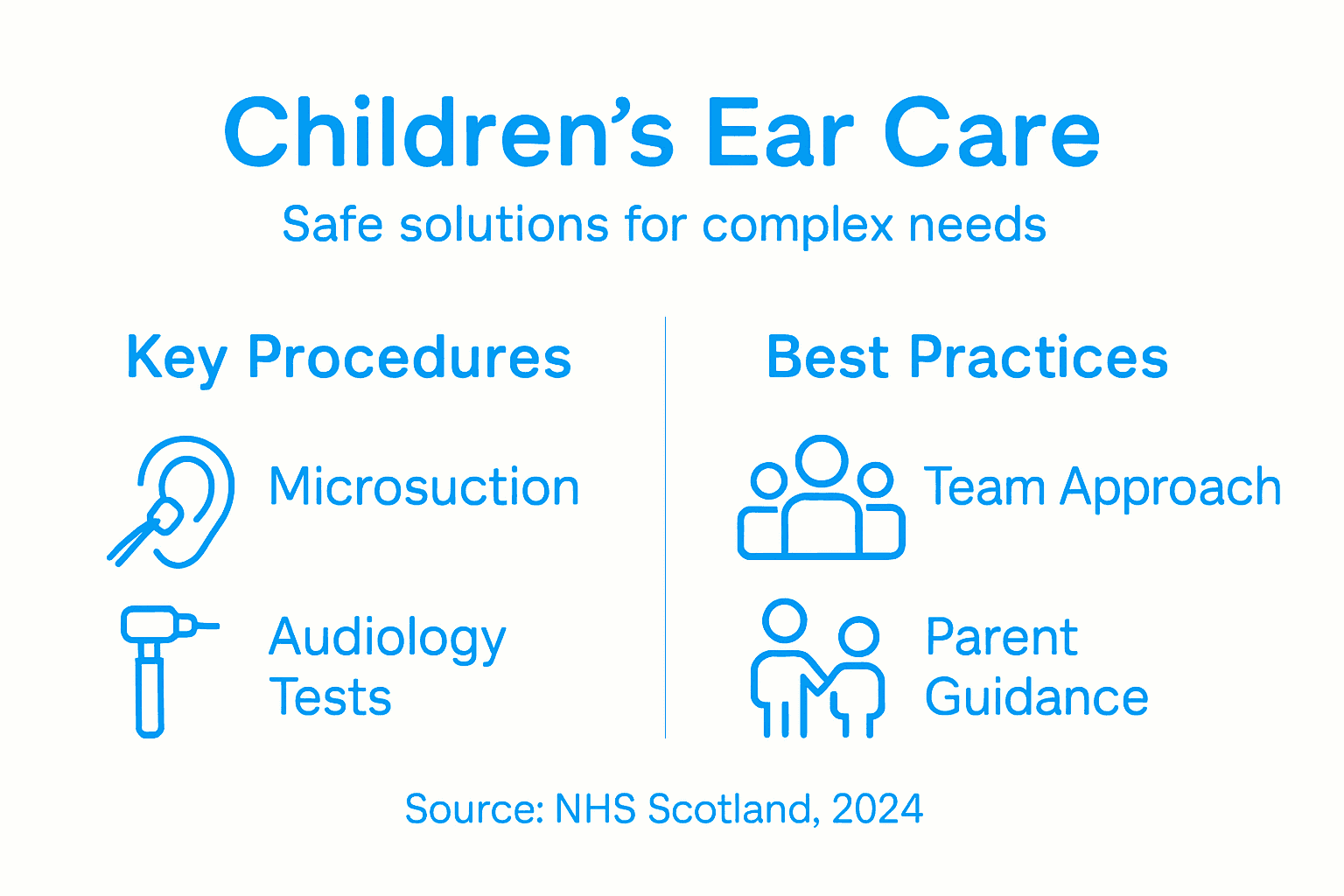
Key risks and common mistakes in ear care include:
The table below summarises the main consequences of poor ear care for children with complex needs:
Risk Category | Potential Long-Term Impact | Prevention Strategy |
Diagnostic Errors | Missed hearing loss, delayed language | Early specialist assessment |
Treatment Mistakes | Worsened infection, increased anxiety | Use age-appropriate interventions |
Environmental Risks | Persistent ear issues, learning delay | Manage triggers, ensure cleanliness |
Diagnostic Errors
Overlooking subtle infection symptoms
Delayed professional assessment
Misinterpreting complex ear conditions
Treatment Mistakes
Excessive antibiotic prescription
Inappropriate intervention techniques
Insufficient follow-up monitoring
Environmental Risk Factors
Passive smoking exposure
Allergenic environments
Inadequate hygiene practices
Early intervention becomes crucial in preventing potential complications. Recognising warning signs and seeking professional guidance can dramatically reduce the risk of persistent ear health challenges.
Proactive ear care is not about treating symptoms, but preventing long-term developmental consequences.
Children with complex medical needs require especially nuanced approaches. Healthcare professionals must balance technical precision with comprehensive, holistic patient assessment, considering each child’s unique physiological and developmental context.
Pro tip: Document and track every ear health symptom, creating a comprehensive medical history to support targeted, effective interventions.
Expert Ear Care Tailored for Children with Complex Needs
Managing ear health for children with complex medical requirements calls for an approach that is both highly specialised and compassionate. The article highlights key challenges including the need for gentle intervention techniques, personalised treatment protocols, and collaboration among healthcare professionals to achieve safe and effective outcomes. At EARS Clinics, we fully understand these vital considerations and offer NHS-accredited, advanced ear care solutions such as microsuction and professional irrigation specifically tailored for children aged 2 and above.
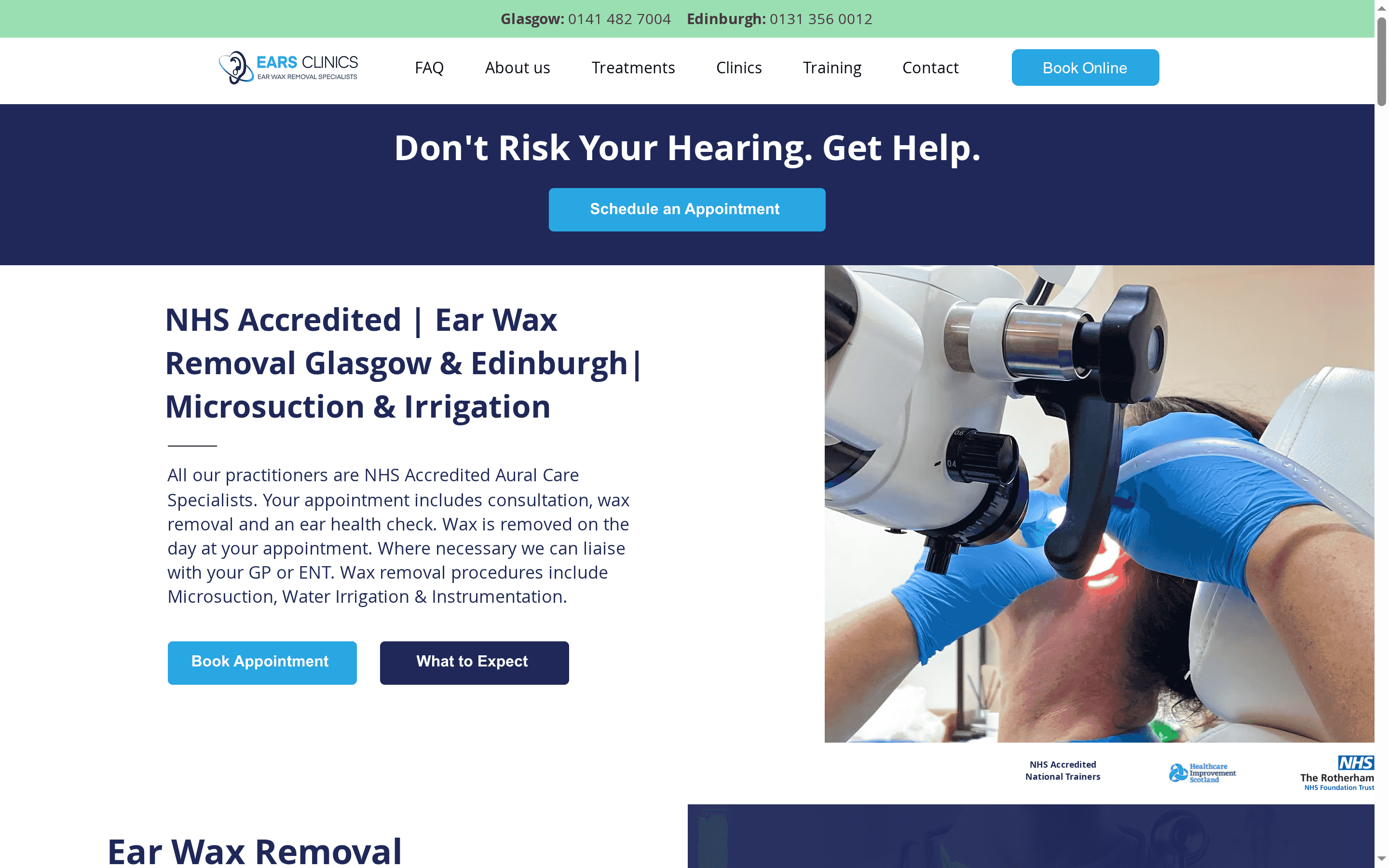
Choose peace of mind with our regulated clinics in Glasgow and Edinburgh where every procedure is performed by trained Aural Care Specialists skilled in managing sensory sensitivities and complex conditions. Benefit from immediate appointments, including home visits, ideal for families seeking prompt attention without lengthy NHS waiting times. Take the important step today to protect your child’s hearing health with expert care designed for their unique needs. Book your appointment now at EARS Clinics and ensure safe, compassionate ear care delivered by professionals you can trust.
Frequently Asked Questions
What are the common ear conditions in children with complex medical needs?
Children with complex medical needs may experience various ear conditions, including anatomical malformations like microtia and anotia, different types of hearing impairments (conductive or sensorineural), and recurrent infections such as chronic otitis media.
How can I ensure my child receives safe ear care?
To ensure safe ear care for children with complex medical needs, seek accredited clinics with trained professionals, use gentle intervention techniques, and maintain a continuous dialogue with healthcare practitioners about your child’s specific needs.
What types of procedures should I expect for my child’s ear assessment?
You can expect diagnostic procedures such as video-otoscopy and tympanometry, as well as gentle intervention techniques like microsuction and professional ear irrigation. Each procedure will be tailored to your child’s unique sensory and developmental profile.
How can I minimise the risks associated with paediatric ear care?
Minimise risks by seeking early specialist assessment to avoid diagnostic errors, using age-appropriate interventions to prevent treatment mistakes, and managing environmental factors that could exacerbate ear health issues, such as exposure to allergens or poor hygiene.
Recommended