
7 Types of Ear Wax Removal and How Each Method Works

Over 2 million british adults seek professional ear wax removal each year, illustrating just how common and disruptive ear blockages can become. Whether you are struggling with muffled hearing, discomfort, or constant ear fullness, finding the right approach for safe, effective wax removal is crucial. This guide will equip you with the facts about leading techniques, highlight what the experts recommend, and spotlight what methods to avoid for genuine peace of mind.
Quick Summary
Takeaway | Explanation |
1. Choose manual removal by specialists | NHS-accredited specialists ensure safe and precise ear wax extraction, minimising discomfort and complications. |
2. Opt for microsuction for best results | Microsuction offers an advanced, gentle method with immediate relief, particularly for complex ear wax cases. |
3. Use ear drops to prepare ahead | Applying cerumenolytic drops for several days softens wax, making professional removal easier and more comfortable. |
4. Avoid traditional ear irrigation | Ear syringing poses risks of complications and is being phased out in favour of safer methods like microsuction. |
5. Seek professional help for ear concerns | Symptoms like hearing loss or persistent pain necessitate prompt consultation with qualified specialists for effective management. |
1. Manual Removal by NHS-Accredited Specialists
Manual ear wax removal represents a specialised clinical procedure performed exclusively by trained healthcare professionals with precise instrumentation and expert technique. When conducted by NHS-accredited specialists, this method ensures safe, controlled extraction of ear wax without risking damage to delicate ear structures.
Professional manual removal involves carefully selected instruments like specialised curettes, loops, and forceps designed specifically for intricate ear canal navigation. These tools allow clinicians to gently extract problematic wax build-up while maintaining patient comfort and preventing potential complications. Unlike home remedies or untrained interventions, NHS-accredited specialists understand the nuanced anatomy of the ear canal, ensuring minimal risk and maximum precision.
Key Components of Professional Manual Removal:
Comprehensive Ear Examination: Before any intervention, specialists conduct a thorough otoscopic assessment to determine wax consistency, location, and potential underlying conditions
Precise Instrumentation: Use of sterilised, surgical-grade tools matched to specific wax removal requirements
Patient Positioning: Strategic positioning to provide optimal angle and access for safe wax extraction
Microscopic Guidance: Many specialists utilise magnification tools to enhance visual accuracy during the procedure
The primary advantage of manual removal by trained professionals lies in its ability to address complex wax scenarios that automated methods cannot manage. Patients with narrow ear canals, previous ear surgeries, or recurring wax impaction benefit significantly from this personalised approach.
While the procedure might sound intimidating, most patients report minimal discomfort and appreciate the immediate relief from ear fullness and potential hearing reduction. Specialists typically recommend preparing the ear canal by applying olive oil drops the night before and morning of the appointment to soften wax and facilitate easier removal.
“Microsuction and manual removal remain the most widely used and safest procedures in otology clinics for clearing ear canal debris,” notes the British Association of Audiology.
By choosing an NHS-accredited specialist for manual ear wax removal, you ensure a safe, professional, and precise approach to maintaining optimal ear health.
2. Microsuction: The Gold Standard in Clinics
Microsuction represents the most advanced and precise ear wax removal technique available in modern clinical practice. This cutting-edge method has rapidly become the preferred approach for healthcare professionals seeking safe, efficient ear wax management.
At its core, microsuction utilises a specialised medical suction device with microscopic precision to gently extract ear wax and debris from the ear canal. Unlike traditional irrigation methods that flush the ear with water, microsuction offers unprecedented accuracy and control in removing problematic wax build-up.
Key Advantages of Microsuction:
Direct Visual Guidance: Specialists use magnifying otoscopes to provide real-time, precise visualisation during the procedure
Minimal Invasiveness: Gentle suction technique reduces patient discomfort and potential ear canal trauma
Immediate Results: Most patients experience instant relief and improved hearing
Suitable for Complex Cases: Effective for patients with narrow ear canals, previous ear surgeries, or recurring wax impaction
The procedure itself is remarkably straightforward. A trained clinician uses a small, regulated medical suction pump with a microscopic attachment to carefully remove ear wax. This approach allows for exceptional control, enabling the specialist to extract wax with minimal risk and maximum precision.
Patient Preparation and Procedure:
Apply olive oil drops the night before and morning of the appointment
Arrive at the clinic with softened ear wax
Undergo a brief initial ear examination
Experience a quick, comfortable microsuction procedure
Clinical research indicates that aural microsuction is well tolerated, with minimal side effects when performed by skilled professionals.
While some patients might feel apprehensive about ear wax removal, microsuction offers a remarkably comfortable experience. The entire procedure typically takes between 15 to 30 minutes, providing immediate relief and improved ear health.
By choosing microsuction, you are selecting the most advanced, safe, and precise method of ear wax removal currently available in clinical practice.
3. Irrigation or Syringing Explained
Ear irrigation represents a traditional method of ear wax removal that involves flushing the ear canal with warm water to dislodge and remove accumulated cerumen. While once a standard procedure in medical practices, this technique has undergone significant scrutiny and transformation in recent healthcare guidelines.
Ear syringing is no longer routinely commissioned by the NHS, marking a critical shift in ear wax management practices. This change stems from growing concerns about potential risks associated with high pressure water irrigation and the emergence of safer, more precise alternative methods like microsuction.
Key Characteristics of Ear Irrigation:
Water Pressure Technique: Uses controlled water flow to flush out ear wax
Traditionally Popular: Widely used before advanced medical technologies emerged
Limited Precision: Less targeted compared to modern microsuction methods
Potential Complications: Risk of ear canal damage or infection if performed incorrectly
The procedure typically involves a healthcare professional using a specialised bulb syringe or water irrigation system to gently flush the ear canal. Warm water is carefully directed into the ear, with the intention of softening and removing accumulated wax.
Important Considerations for Patients:
Consult a professional before attempting any ear wax removal
Avoid home irrigation techniques without medical supervision
Understand that modern clinical practice favours microsuction
Prepare ears by using olive oil drops as recommended by specialists
Modern ear care practices prioritise patient safety and precision over traditional water based removal techniques.
While irrigation was once a standard procedure, healthcare professionals now recommend more advanced and controlled methods of ear wax removal. Microsuction offers superior accuracy, minimal invasiveness, and reduced risk of complications.
Patients seeking ear wax removal should consult NHS-accredited specialists who can assess individual needs and recommend the most appropriate, safe treatment method.
4. Ear Drops and Softeners at Home
Ear drops and softeners provide a gentle preliminary approach to managing ear wax accumulation, offering individuals a safe method of preparing their ears for professional treatment. These over the counter solutions work by gradually breaking down and softening stubborn ear wax, making subsequent clinical removal more straightforward and comfortable.
Current NICE guidelines recommend using cerumenolytic drops for 3 to 5 consecutive days to effectively prepare the ear canal for potential wax removal procedures. These specialised solutions contain ingredients designed to dissolve and loosen compacted cerumen, facilitating easier extraction by healthcare professionals.
Types of Ear Softening Solutions:
Olive Oil Drops: Natural solution that moisturises and softens ear wax
Sodium Bicarbonate Drops: Helps break down waxy build up
Hydrogen Peroxide Solutions: Assists in dissolving stubborn wax
Pharmacy Grade Ear Cleaning Solutions: Professionally formulated for safe use
Preparing for ear wax removal involves a strategic approach. Apply drops consistently for several nights before your clinical appointment, ensuring the wax becomes sufficiently soft and manageable. Gentle warming of the drops to body temperature can enhance their effectiveness and patient comfort.
Best Practices for Home Ear Drop Application:
Tilt head sideways while administering drops
Remain in position for 5 minutes after application
Use lukewarm drops for maximum comfort
Avoid inserting anything into the ear canal
Clinical research indicates that prior use of cerumenolytics can significantly reduce potential side effects during professional ear wax removal.
While home ear drops offer a preliminary solution, they are not a substitute for professional medical assessment. Individuals with persistent ear wax issues, hearing difficulties, or ear pain should consult NHS accredited ear care specialists for comprehensive evaluation and safe removal techniques.
Remember that proper ear hygiene involves understanding your unique ear health needs and seeking professional guidance when necessary.
5. Ear Candling: Myths and Risks
Ear candling represents a dangerous pseudoscientific practice that promises miraculous ear wax removal through the use of hollow candles placed near the ear canal. Despite its popularity among alternative health enthusiasts, this method is universally condemned by medical professionals as ineffective and potentially harmful.
Debunking common myths about ear health becomes crucial when discussing practices like ear candling, which can cause serious injury to delicate ear structures. The procedure typically involves placing a long, hollow candle into the ear canal and lighting the opposite end, supposedly creating a vacuum that draws out ear wax and impurities.
Critical Risks of Ear Candling:
Burn Hazards: Direct flame proximity to skin and hair creates significant injury risks
Ear Canal Damage: Potential for wax dripping into the ear canal
False Claims: No scientific evidence supports its purported health benefits
Unnecessary Medical Intervention: Can delay proper professional ear care
Healthcare professionals strongly advise against this practice. The supposed mechanism of wax removal is entirely mythical, with no scientific basis. In reality, ear candling can cause multiple complications including:
Temporary hearing loss
Serious burns
Punctured eardrums
Increased ear wax impaction
Medical experts unanimously reject ear candling as a dangerous and completely ineffective method of ear wax removal.
Patients seeking ear wax removal should exclusively consult NHS accredited healthcare professionals who can provide safe, evidence based treatments. Microsuction and professional irrigation remain the gold standard for addressing ear wax build up.
Instead of risking your health with unproven techniques, schedule a consultation with a qualified ear care specialist who can safely assess and treat your specific ear health needs.
6. Children and Complex Case Wax Removal
Wax removal for children and patients with complex medical histories demands extraordinary care, precision, and specialised clinical expertise. Professional ear care clinics must approach these sensitive scenarios with heightened sensitivity, utilising advanced techniques that prioritise patient safety and comfort.
Microsuction remains the most recommended procedure for managing ear wax in paediatric and complex medical cases. This technique allows healthcare professionals to visualise the ear canal directly, ensuring minimal invasiveness and maximum precision during wax extraction.
Specialised Considerations for Complex Cases:
Detailed Medical Assessment: Comprehensive review of patient medical history
Gentle Technique Selection: Customised approach based on individual patient needs
Age Appropriate Methods: Techniques tailored for children aged two years and above
Minimal Discomfort Protocols: Strategies to reduce patient anxiety and stress
Children and patients with intricate medical backgrounds require nuanced approaches to ear wax management. Clinicians must consider factors such as:
Previous ear surgeries
Hearing aid usage
Developmental conditions
Sensory processing differences
Preparation Steps for Complex Ear Wax Removal:
Apply olive oil drops as recommended by specialists
Arrive with a comprehensive medical history
Discuss any previous ear related treatments
Remain calm and communicate any concerns
Professional ear care specialists are trained to manage even the most challenging ear wax scenarios with expertise and compassion.
Parents and guardians should seek NHS accredited clinics with specific experience in paediatric and complex case ear wax removal. Proper professional assessment ensures safe, effective treatment that respects the unique needs of each patient.
7. When to Seek Professional Ear Wax Removal
Ear wax accumulation can transform from a minor inconvenience to a significant health concern when left unaddressed. Understanding the precise moment to transition from home management to professional intervention becomes crucial for maintaining optimal ear health.
Professional ear wax removal offers significantly safer alternatives to potentially dangerous home remedies. Trained clinicians can assess, diagnose, and treat ear wax build up with minimal discomfort and maximum precision.
Critical Signs Requiring Professional Intervention:
Hearing Loss: Noticeable reduction in hearing capabilities
Persistent Ear Pain: Continuous discomfort lasting more than several days
Dizziness or Vertigo: Balance disruptions potentially linked to ear wax impaction
Tinnitus: Unexplained ringing or buzzing sounds in the ears
Discharge or Unusual Odour: Potential indicators of ear infection
Clinical guidelines recommend seeking professional assessment when home interventions prove ineffective. NICE guidance suggests using cerumenolytic drops for 3 to 5 days before considering professional removal.
Preparation Steps Before Professional Consultation:
Document specific symptoms experienced
Apply prescribed olive oil drops as recommended
Avoid inserting any objects into the ear canal
Schedule an appointment with NHS accredited specialists
Microsuction procedures are well tolerated, with minimal side effects when performed by trained professionals.
Professional ear wax removal transcends simple wax extraction. It represents a comprehensive health assessment that addresses underlying ear canal conditions, ensures patient comfort, and prevents potential complications associated with improper self treatment.
Remember that your ears are delicate structures requiring expert care. Timely professional intervention can prevent long term hearing issues and maintain optimal ear health.
Below is a comprehensive table summarising the main procedures and methods for ear wax removal discussed in the article.
Method | Description | Benefits |
Manual Removal | Conducted by NHS-accredited specialists using precise tools like curettes and loops under magnification. | Safe, controlled extraction; suitable for complex cases; minimal discomfort. |
Microsuction | Utilises medical suction with microscopic precision for wax removal. | Advanced accuracy; minimal invasiveness; immediate relief. |
Irrigation | Traditional technique involving the flushing of the ear with warm water. | Historically popular; less precise, potential complications. |
Ear Drops | Softens wax with solutions like olive oil and sodium bicarbonate. | Prepares ears for professional removal; reduces potential side effects. |
Ear Candling | Involves using a hollow candle to draw out wax, a method debunked by experts. | Ineffective and risky; potential for burns and ear damage. |
Children & Complex Cases | Requires customised techniques, often using microsuction. | Safe for sensitive cases; tailored to individual needs. |
When to Seek Help | Professional intervention needed for symptoms like hearing loss and pain. | Ensures safe treatment; comprehensive health assessment. |
Discover Safe and Effective Ear Wax Removal with EARS Clinics
If you have been reading about the 7 types of ear wax removal and are wondering which method suits your needs best, EARS Clinics provides expert NHS-accredited ear care in Glasgow and Edinburgh. Whether you are experiencing discomfort from wax build-up, hearing difficulties, or have children or complex cases requiring specialised care, our trained Aural Care Specialists use advanced techniques like microsuction and professional irrigation to safely and precisely clear your ear canals. We understand the importance of a gentle approach that respects your unique ear health, ensuring minimal discomfort and immediate relief.
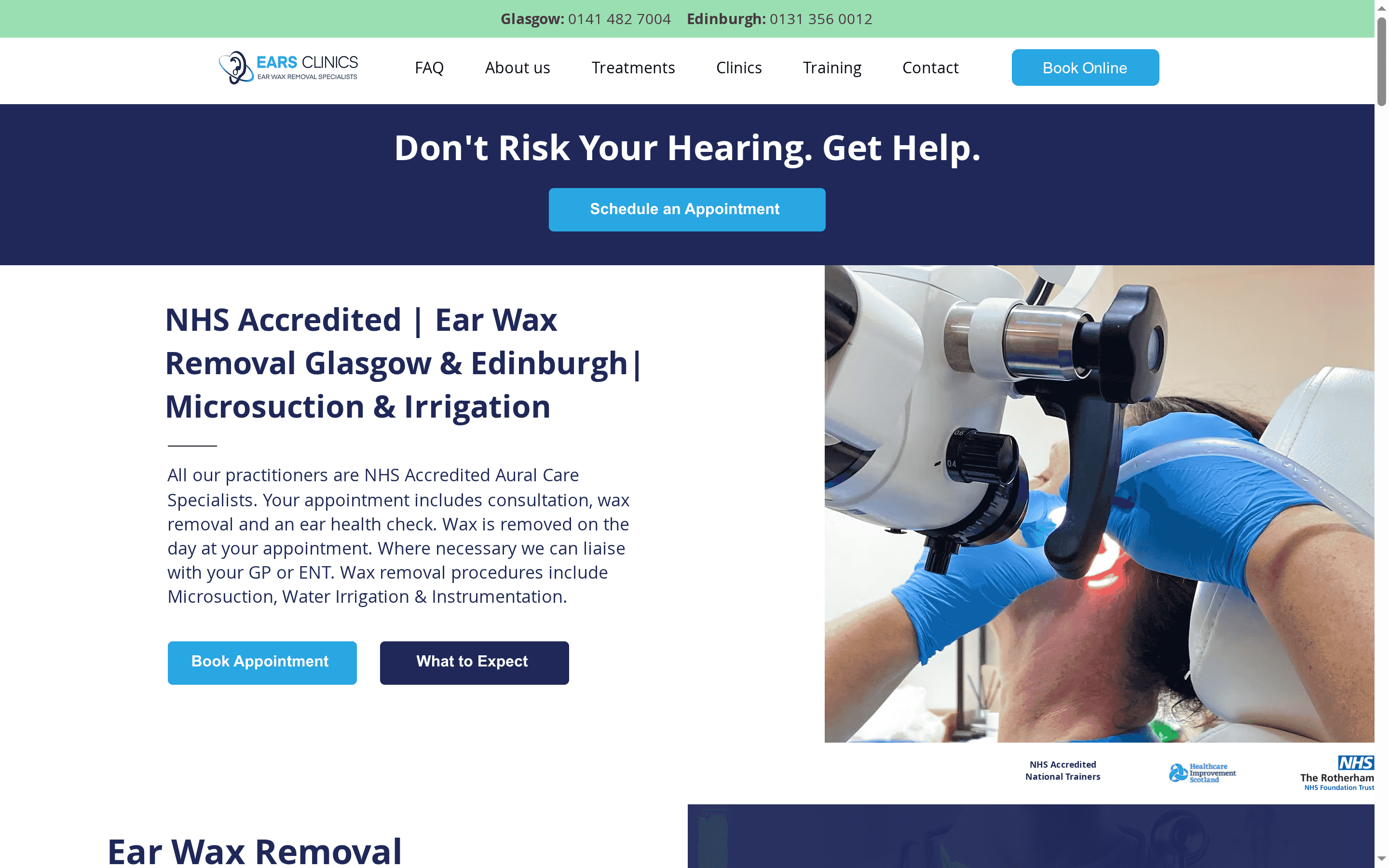
Take the next step towards better ear health by booking an appointment with EARS Clinics today. Benefit from shorter waiting times, same-day options, and home visits tailored to your convenience. Learn more about our safe procedures and expert care on our website, explore why microsuction is the gold standard for ear wax removal, and see how we care for children and complex cases. Your ears deserve professional attention now so you can enjoy clear hearing and comfort without delay.
Frequently Asked Questions
What is manual ear wax removal and how does it work?
Manual ear wax removal is a clinical procedure conducted by trained healthcare professionals using specialised instruments. This method ensures safe extraction of ear wax while minimising the risk of damage to the ear canal. Schedule an appointment with an NHS-accredited specialist for a thorough assessment and precise removal.
How does microsuction differ from other ear wax removal methods?
Microsuction uses a medical suction device to gently remove ear wax with high precision under direct visual guidance. Unlike traditional irrigation methods, microsuction reduces the risk of discomfort and complications. Contact a trained clinician to experience this advanced method, which typically takes just 15 to 30 minutes.
What should I do to prepare for ear wax removal at home?
To prepare for ear wax removal, use softening drops such as olive oil for three to five consecutive days before your appointment. This helps to break down and soften the wax, making clinical removal easier. Administer the drops while tilting your head, and remember to keep them at body temperature for enhanced comfort.
When is it necessary to seek professional ear wax removal?
You should seek professional ear wax removal if you experience symptoms such as hearing loss, persistent ear pain, dizziness, or any unusual discharge. If home treatments fail, it’s crucial to consult a specialist to avoid potential complications. Document your symptoms before your appointment to assist the healthcare professional in providing tailored care.
Are there any risks associated with ear candling?
Yes, ear candling poses significant risks, including burns, ear canal damage, and the potential for increased wax impaction. Medical professionals strongly discourage this practice due to its lack of effectiveness and potential health hazards. Avoid ear candling and opt for safer, evidence-based removal techniques instead.
What methods are recommended for children or complex cases?
For children and patients with complex medical histories, microsuction is the recommended method due to its minimal invasiveness and precision. Clinicians will provide a detailed assessment tailored to individual needs and ensure a comfortable experience. Schedule a consultation with a specialist experienced in paediatric care for proper management.
Recommended