
How to choose an ear clinic for safe, effective wax removal
Ear wax blockage causes genuine discomfort and hearing problems, but NHS waiting times in Scotland often delay the relief you need. Private clinics offer faster, professional solutions using safe, regulated methods. This guide walks you through the essential criteria to quickly identify a clinic that delivers expert care, rapid appointments, and proven treatment outcomes.
Key takeaways
Point | Details |
Verify Healthcare Improvement Scotland registration | Ensures clinic meets strict safety and quality standards for patient protection. |
Prioritise same-day appointments | Immediate access reduces discomfort and prevents complications from prolonged blockage. |
Choose microsuction for safety | Over 90% success rate with minimal risks, ideal for impacted or sensitive ears. |
Understand costs upfront | Typical fees are £60 adults, £75 children, £180 home visits with no hidden charges. |
Avoid unregulated providers | Reduces risk of injury and ensures practitioners hold NHS-accredited qualifications. |
Prerequisites: safety, regulation, and when to seek care
Before booking any ear wax removal appointment, verify the clinic’s regulatory standing and practitioner credentials. Ear wax removal clinics must be registered with Healthcare Improvement Scotland to guarantee they meet strict safety protocols. Look for NHS-accredited Aural Care Specialists who deliver patient safety through modern equipment within regulated environments.
Recognise when professional intervention becomes necessary. Common symptoms include:
Sudden or gradual hearing loss in one or both ears
Persistent earache or feeling of fullness deep in the ear canal
Dizziness, tinnitus, or balance disturbances linked to blockage
Difficulty hearing conversations or needing higher volume on devices
Attempting DIY removal with cotton buds or unverified tools carries high injury risks, including eardrum perforation and canal abrasion. Unregulated providers lack accountability and proper training, increasing complication rates. Choose clinics offering recognised ear wax removal procedures performed by qualified specialists. Verify Healthcare Improvement Scotland aural care registration before proceeding.
Step 1: assessing access and appointment availability
Once you’ve confirmed a clinic meets safety standards, evaluate how quickly you can receive treatment. NHS waiting times in Scotland often stretch weeks or months, prolonging discomfort and risking further complications. Private clinics typically offer same-day or next-day appointments, delivering immediate relief when you need it most.
Consider these access factors:
Same-day appointments eliminate waiting and address urgent blockages promptly
Next-day slots provide flexibility for non-emergency cases requiring swift care
Home ear visits in Glasgow suit patients with mobility challenges or urgent needs
Online booking systems streamline scheduling and reduce phone queue frustration
Home visits cost more due to travel and portable equipment, but they remove barriers for elderly patients, those with disabilities, or individuals requiring urgent care outside clinic hours. Clinic-based appointments offer lower costs and access to comprehensive diagnostic equipment. Evaluate your urgency, mobility, and budget to select the most practical option.
Private ear care trends in 2026 show growing demand for flexible scheduling and immediate appointments. Prioritise clinics that demonstrate clear availability and responsive booking processes. Check whether they accommodate last-minute requests or emergency slots, particularly if your symptoms worsen rapidly.
Step 2: understanding costs and payment options
Transparent pricing helps you budget confidently and avoid unexpected charges. Typical costs for professional ear wax removal in Scotland are £60 for adults, £75 for under-18s, and £180 for home visits. These fees generally include consultation, treatment, and immediate aftercare advice.
Cost considerations include:
Upfront pricing eliminates hidden fees and billing surprises after treatment
Higher fees for children reflect additional care requirements and specialised paediatric expertise
Home visit premiums cover practitioner travel time, portable equipment, and flexible scheduling
Included services vary, so confirm whether follow-up appointments or aftercare products are covered
Some clinics bundle multiple services or offer package deals for family members. Ear wax removal costs across the UK vary by region and provider expertise, but Scotland’s private market remains competitive. Compare what each clinic includes in their base fee.
Check EARS Clinics South Queensferry pricing for detailed breakdowns of what you receive for each service tier. Ask whether payment plans or insurance reimbursement options exist if cost becomes a barrier. Transparent clinics display fees prominently on their websites and discuss pricing during initial contact.
Step 3: choosing the right treatment method
Understanding treatment methods empowers you to select the safest and most effective option for your specific ear condition. Three primary techniques exist: microsuction, irrigation, and instrumentation. Each suits different wax types and ear canal conditions.
Method | Success Rate | Best For | Key Advantage | Risks |
Microsuction | >90% | Hard, impacted wax | Safest, minimal water contact | Low, slight discomfort |
Irrigation | 75-85% | Soft, partial blockage | Quick for suitable cases | Higher perforation risk |
Instrumentation | 80-90% | Stubborn deposits | Adjunctive precision | Requires high skill |
Microsuction is the safest method, especially for hard, impacted wax or sensitive ear canals. It uses gentle suction under microscopic visualisation, avoiding water pressure that can damage delicate structures. Irrigation works well for softer wax but carries higher complication risks, including eardrum perforation if performed incorrectly. Instrumentation involves manual tools to remove stubborn deposits and requires significant practitioner skill.
Select your method based on your ear condition and the clinic’s demonstrated expertise. Microsuction ear wax removal in Scotland has become the gold standard due to its safety and efficacy profile. For children, microsuction vs irrigation comparisons show microsuction delivers superior safety with less stress.
Pro Tip: Ask practitioners which method they recommend for your specific wax type and ear canal sensitivity. Experienced specialists tailor their approach to maximise safety and comfort while ensuring complete removal.
Step 4: booking and access options: clinic visits vs home visits
Choosing between clinic-based care and home visits depends on your mobility, urgency, and budget. Both deliver professional treatment, but each offers distinct advantages.
Clinic visits provide:
Lower cost (£60 adults, £75 children) due to fixed location overheads
Access to comprehensive diagnostic equipment and wider range of tools
Structured environment optimised for sterile procedures
Opportunity to address additional ear health concerns during consultation
Home visits offer:
Convenience for patients with mobility limitations or transport challenges
Immediate care during evenings or weekends when clinics may be closed
Reduced travel stress for anxious patients or young children
Privacy and comfort of familiar surroundings during treatment
Home ear visits in Glasgow cost approximately £180, reflecting practitioner travel time and portable equipment expenses. This premium suits urgent cases or patients unable to visit clinics safely. Evaluate your personal circumstances: if mobility isn’t an issue and cost matters, clinic visits deliver excellent value. If convenience and immediate access outweigh budget concerns, home visits provide superior flexibility.
Professional ear cleaning providers in 2026 increasingly offer both options, so check whether your preferred clinic provides home services. Confirm their service radius and typical response times for home visit requests.
Troubleshooting: common mistakes and how to avoid them
Many patients make avoidable errors when selecting ear wax removal services. Learning these pitfalls helps you secure safe, effective treatment from the start.
Avoid these common mistakes:
Booking with unregulated clinics lacking Healthcare Improvement Scotland registration
Attempting DIY removal with cotton buds, which push wax deeper and risk injury
Failing to verify practitioner credentials and NHS accreditation status
Assuming all removal techniques share equivalent safety profiles
Ignoring symptoms until blockage becomes severe and painful
Unregulated providers operate without oversight, increasing complication risks and offering no recourse if problems arise. Cotton buds cause thousands of ear injuries annually, including perforations and infections. Always verify a clinic’s ear wax removal procedures meet national standards.
Pro Tip: Seek clinics with Healthcare Improvement Scotland registration and NHS-accredited specialists only. This combination guarantees adherence to strict safety protocols and ensures practitioners maintain current training and competency standards.
Don’t wait until symptoms become unbearable. Early intervention prevents complications and delivers quicker relief. If you experience sudden hearing loss, severe pain, or persistent dizziness, prioritise same-day appointments with reputable providers.
Expected results and success metrics
Setting realistic expectations helps you evaluate your treatment experience and recognise successful outcomes. Professional ear wax removal typically delivers rapid, measurable improvements.
What to expect:
Symptom relief within 24 hours or immediately following one treatment session
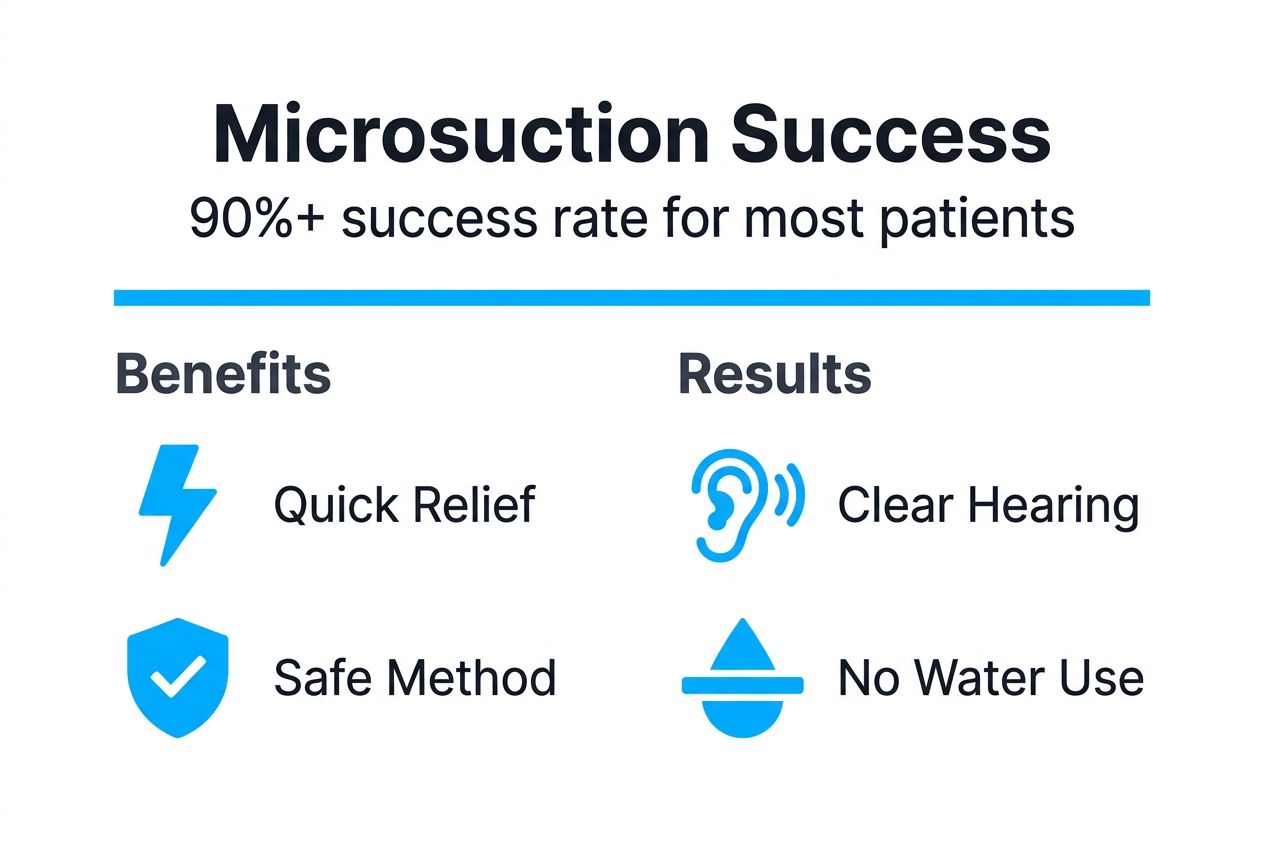
Microsuction success rate exceeds 90%, with minimal complications or repeat visits
Immediate hearing improvement compared to delayed NHS treatment timelines
Follow-up advice to prevent wax reaccumulation through proper ear hygiene
Quality of life gains including restored hearing, reduced discomfort, and improved balance
Most patients notice dramatic hearing improvement the moment treatment concludes. Pressure and fullness sensations disappear within hours as the ear canal adjusts to its cleared state. Successful ear wax removal rarely requires multiple sessions when performed by skilled practitioners using appropriate methods.
90%+ success rate with professional microsuction ear wax removal
After treatment, follow practitioner recommendations to maintain ear health. Avoid inserting objects into ear canals and consider periodic check-ups if you produce excessive wax. Ear wax removal appointments include aftercare guidance tailored to your specific ear condition.
If symptoms persist beyond 48 hours or worsen after treatment, contact your clinic immediately. Reputable providers offer follow-up support to address any concerns and ensure complete resolution.
Discover expert ear wax removal services
Now that you understand how to select a safe, effective ear clinic, take the next step towards immediate relief and restored hearing. EARS Clinics provide NHS-accredited private care across Glasgow and Edinburgh, specialising in ear wax removal procedures that prioritise your safety and comfort.
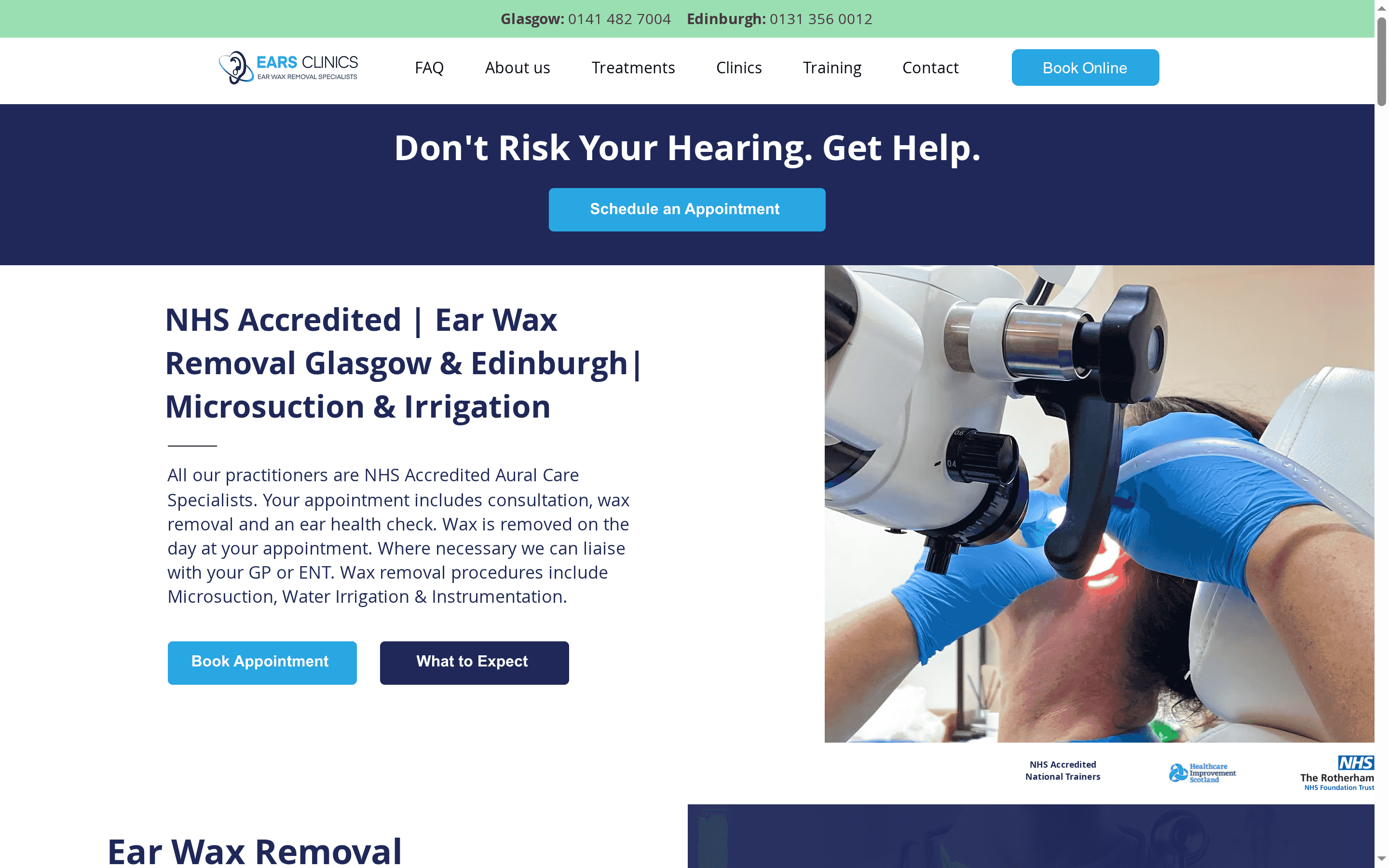
Our experienced practitioners deliver microsuction and other advanced treatments tailored to your specific needs. We offer same-day appointments, flexible scheduling, and home visits throughout our service areas. Book online in minutes or meet our team of Healthcare Improvement Scotland-registered specialists who combine clinical expertise with genuine patient care. Don’t wait weeks for NHS appointments when professional relief is available today.
Frequently asked questions
What symptoms indicate I need professional ear wax removal?
Hearing loss, earache, fullness sensation, tinnitus, or dizziness linked to blockage all signal the need for professional care. If you struggle to hear conversations or experience persistent discomfort, book an assessment promptly.
Is microsuction safe for children and sensitive ears?
Yes, microsuction is the safest method for children and sensitive ear canals. It avoids water pressure and allows precise visualisation, minimising discomfort and complication risks even in young patients.
How quickly can I expect relief after treatment?
Most patients experience immediate hearing improvement once treatment concludes. Any residual pressure or fullness typically resolves within 24 hours as the ear canal adjusts to its cleared state.
Can private clinics in Scotland do home visits?
Yes, many private clinics offer home visits across Glasgow, Edinburgh, and surrounding areas. Home appointments cost approximately £180 and provide convenient care for patients with mobility challenges or urgent needs.
What should I check to confirm a clinic is properly accredited?
Verify Healthcare Improvement Scotland registration and confirm practitioners hold NHS-accredited Aural Care Specialist qualifications. These credentials guarantee the clinic meets strict safety and quality standards.
Recommended