
NHS ear treatments in Glasgow and Edinburgh 2026
Choosing the right ear wax removal treatment can feel overwhelming when you’re dealing with symptoms like hearing loss, earache, or tinnitus. NHS-accredited methods vary significantly in safety, convenience, and suitability depending on your age, ear health, and personal preferences. This guide explains the key selection criteria and treatment options available in Glasgow and Edinburgh, helping you make an informed decision about your ear care.
Key takeaways
Point | Details |
Safest method | Microsuction is the safest NHS-approved technique with under 1% complication rate, ideal for sensitive cases |
Private clinic advantage | HIS-regulated clinics offer same-day microsuction appointments, eliminating 2 to 8 week NHS waits |
Patient suitability | Children from age 2, those with perforations, and individuals with narrow canals benefit most from microsuction |
Cost considerations | NHS ear wax removal is free but involves waiting; private costs £60 for adults, £75 for children |
Safety standards | Healthcare Improvement Scotland regulates private providers to ensure NHS-equivalent practitioner training and protocols |
Selection criteria for NHS ear treatments
When evaluating ear wax removal options, safety must be your primary concern. Complication rates under 1% for microsuction make it the gold standard, whilst irrigation carries higher risks of infection and discomfort. Your choice should prioritise methods with proven safety records, especially if you have existing ear conditions or sensitivities.
Patient suitability varies dramatically based on age, ear canal anatomy, and medical history. Children aged 2 and over require gentler techniques with minimal intrusion. Adults with perforated eardrums or grommets need methods that avoid water exposure entirely. Those with narrow or twisted ear canals benefit from precision approaches that don’t rely on flushing.
Convenience factors heavily into real-world treatment success. NHS ENT clinics typically impose 2 to 8 week waiting periods, during which symptoms persist and potentially worsen. Private HIS-regulated providers offer same-day or next-day appointments, delivering immediate relief. Home visit services accommodate individuals with mobility challenges or tight schedules, though they cost more.
Technique efficacy determines whether you’ll need repeat treatments. Microsuction achieves thorough wax removal in a single session for most patients. Irrigation may require multiple attempts if wax is particularly hard or impacted. Instrumentation handles stubborn blockages but depends heavily on practitioner skill to avoid canal damage.
Pain level and procedure comfort significantly influence patient experience and willingness to seek necessary treatment. Microsuction produces mild suction sounds but minimal physical discomfort. Irrigation causes pressure sensations and occasional dizziness from water temperature changes. Instrumentation can feel invasive if you’re sensitive to objects near your eardrum.
Costs and wait times present the classic trade-off between free NHS services and paid private care. Free treatment sounds appealing until you factor in weeks of reduced hearing, ongoing discomfort, and potential sick days. Private fees of £60 to £75 buy immediate access to regulated specialists using the safest methods available.
Pro Tip: If you’re experiencing severe symptoms like vertigo, sudden hearing loss, or sharp pain, prioritise same-day private appointments over waiting for NHS slots. Early intervention prevents complications and speeds recovery.
Detailed NHS ear treatment options
Microsuction represents the pinnacle of modern ear wax removal safety and effectiveness. This NHS-approved method uses gentle suction under microscopic visualisation, making it ideal for patients with narrow ear canals, perforated eardrums, or previous ear surgery. The procedure requires no pre-treatment drops and delivers immediate symptom relief in 15 to 20 minutes.
Irrigation, whilst common in NHS settings, carries elevated risks compared to microsuction. This technique flushes wax using pressurised water, which can introduce bacteria, cause temporary dizziness, or perforate weakened eardrums. Patients must soften wax with olive oil drops for 3 to 5 days beforehand, delaying treatment and adding inconvenience.
Instrumentation removal tackles exceptionally hard or impacted wax that resists other methods. Skilled practitioners use specialised tools to manually extract blockages, but this approach requires extensive training due to injury risks. The procedure takes longer than microsuction and feels more invasive, making it suitable only when other techniques fail.
Procedure length varies considerably between methods. Microsuction appointments last 15 to 20 minutes with no preparation time required. Irrigation sessions take 20 to 30 minutes plus several days of pre-treatment drops. Instrumentation can extend to 40 minutes depending on wax consistency and location.
Safety data clearly distinguishes these approaches. Complication rates for microsuction remain below 1%, primarily consisting of minor temporary discomfort. Irrigation complications occur in 1% to 3% of cases, including ear infections, tympanic membrane perforation, and vertigo. Instrumentation risks increase when performed by inadequately trained practitioners.
Treatment | Pros | Cons | Duration | Complication Rate |
Microsuction | Safest method, no drops needed, works for perforations | Suction noise can be loud | 15-20 minutes | Under 1% |
Irrigation | Widely available in NHS | Requires pre-treatment drops, infection risk, uncomfortable | 20-30 minutes + 3-5 days prep | 1-3% |
Instrumentation | Handles very hard wax | Requires expert skill, more invasive, longer procedure | 30-40 minutes | 2-4% |
Understanding ear wax removal types of procedures helps you discuss options confidently with practitioners. Each method suits specific clinical situations, but microsuction’s superior safety profile makes it the first-choice recommendation for most patients.
Pro Tip: Always ask about your practitioner’s specific training and certification for the method they’re proposing. NHS accredited ear wax removal specialists complete rigorous programmes that separate qualified professionals from generalists.
NHS-accredited professional clinics in Glasgow and Edinburgh
Healthcare Improvement Scotland regulates private ear health providers to maintain NHS-equivalent standards in patient safety, practitioner accreditation, and clinical protocols. This regulatory framework ensures you receive the same quality care whether you choose NHS or private services, with the crucial difference being appointment availability.
EARS Clinics operate as HIS-registered providers delivering NHS-standard safety across Glasgow and Edinburgh locations. Same-day and next-day appointment slots eliminate the extended waiting periods typical of NHS ENT departments. This accessibility proves critical for patients experiencing acute symptoms that interfere with work, education, or daily activities.
Home visit services extend professional ear care to patients with mobility limitations, transportation challenges, or scheduling constraints. Practitioners bring medical-grade equipment directly to your residence, maintaining the same sterile protocols and safety standards as clinic-based treatments. This option particularly benefits elderly patients, those with disabilities, and busy professionals who cannot accommodate clinic hours.
Pricing transparency distinguishes regulated private providers from unaccredited services. Standard fees of £60 for adults and £75 for children cover complete treatment including consultation, procedure, and post-treatment advice. Home visits cost £180, reflecting the additional time, travel, and equipment transport involved. No hidden charges or surprise bills complicate the financial decision.
Locations span accessible areas throughout Glasgow and Edinburgh, reducing travel time and simplifying logistics. Clinics situate near public transport links and offer parking facilities where available. This geographical coverage ensures you can access professional ear cleaning providers in Glasgow and Edinburgh within convenient distance of your home or workplace.
Patient reassurance stems from visible accreditation markers and practitioner credentials. HIS registration certificates, professional liability insurance, and staff training records provide tangible evidence of quality standards. You can verify clinic registration status through the Healthcare Improvement Scotland website before booking, adding an extra layer of confidence to your choice.
Comparison of NHS and private ear wax removal services
NHS ENT clinics typically impose waiting periods ranging from 2 to 8 weeks for non-urgent ear wax removal appointments. This delay extends your discomfort, potentially worsens the blockage, and may require time off work or cancelled social commitments. The free service attracts high demand that outstrips available appointment slots, creating a bottleneck that private providers sidestep entirely.
Private NHS-accredited clinics offer same-day or next-day appointments as standard practice, not as premium add-ons. This responsiveness transforms the patient experience by delivering relief within hours rather than months. You regain normal hearing immediately, resume activities without restriction, and avoid the cumulative frustration of prolonged symptoms.
NHS ear wax removal carries no direct cost, funded through general taxation and National Insurance contributions. Private clinics charge transparent fees reflecting the immediate access, specialist expertise, and advanced equipment they provide. The £60 to £75 investment buys certainty, convenience, and peace of mind that your ear health receives priority attention.
Patient satisfaction surveys consistently show higher preference ratings for microsuction in private clinic settings. Increased comfort, reduced pain, and immediate symptom relief drive these positive outcomes. The ability to ask questions, receive detailed explanations, and feel unhurried during appointments contributes to overall satisfaction scores.
Home visit options remain predominantly private sector offerings due to logistical and cost factors. The £180 fee covers practitioner travel time, portable equipment, and the flexibility to accommodate your schedule. This premium service suits patients for whom clinic visits pose genuine hardship rather than minor inconvenience.
Factor | NHS ENT Clinics | Private HIS-Regulated Clinics |
Wait time | 2-8 weeks | Same-day to next-day |
Cost | Free | £60 adults, £75 children, £180 home visits |
Location | Limited hospital-based | Multiple accessible locations plus home visits |
Patient experience | Rushed appointments, minimal choice | Relaxed consultations, method preferences honoured |
Safety standards | NHS protocols | HIS-regulated NHS-equivalent protocols |
Comparing NHS vs private ear treatment requires weighing your specific circumstances against available options. The decision balances financial resources, symptom severity, schedule flexibility, and personal preferences for care environment and practitioner interaction.
Patient considerations and suitability
Microsuction receives approval and preference for children aged 2 and above due to its non-invasive nature and absence of water exposure. Young patients tolerate the brief procedure well, especially when practitioners explain the process using age-appropriate language. The lack of pre-treatment drops eliminates compliance issues common with paediatric patients.
Patients with ear perforations or ventilation tubes benefit enormously from microsuction’s safety profile. Water-based irrigation risks introducing infection through the perforation or dislodging tubes. Microsuction avoids these complications entirely whilst effectively removing wax that accumulates around tubes or near perforation sites.
Pain level, immediate symptom relief, and overall comfort heavily influence method choice and treatment compliance. Patients prefer microsuction over irrigation because it produces minimal discomfort and delivers instant hearing improvement. This positive experience encourages timely treatment seeking for future wax buildup rather than delaying until symptoms become severe.
Patients with exceptionally hard wax may require instrumentation by specially trained practitioners when microsuction proves insufficient. This scenario occurs more frequently in individuals who’ve used cotton buds, pushing wax deep into the canal where it compacts over time. Skilled specialists assess wax consistency during initial examination and recommend the most appropriate removal method.
Medical history and current ear health status guide treatment customisation. Previous ear surgery, recurring infections, eczema affecting the ear canal, or hearing aid use all influence method selection. Practitioners trained in NHS ear care for children solutions and complex adult cases adjust their approach based on comprehensive patient assessment.
Children and individuals with complex ear health conditions require specially tailored approaches that prioritise safety and precision. Cookie-cutter treatment protocols fail these patients, whilst individualised care plans address their unique anatomical and medical needs. Choosing practitioners who demonstrate this adaptability ensures optimal outcomes.
Pro Tip: If you have a history of ear problems, bring medical records or a brief summary to your appointment. This context helps practitioners select the safest, most effective method for your specific situation.
Safety and regulatory standards
Healthcare Improvement Scotland registration separates legitimate professional ear care providers from unregulated operators lacking proper oversight. HIS inspects clinics, reviews practitioner credentials, and monitors patient outcomes to maintain standards equivalent to NHS services. This regulatory framework protects patients from substandard care that could cause permanent hearing damage.
Practitioners undergo specialised training programmes covering anatomy, pathology, equipment operation, and emergency protocols before receiving licensing. Microsuction training typically requires 20 to 40 hours of supervised practice beyond basic audiological qualifications. Irrigation and instrumentation demand additional certification demonstrating competency in technique and complication management.
Strict hygiene and infection control protocols minimise complication risks across all treatment methods. Single-use disposable specula, sterilised reusable instruments, and thorough equipment cleaning between patients prevent cross-contamination. Clinics maintain detailed sterilisation logs and undergo regular inspections verifying compliance.
Patients possess rights to informed consent and transparent communication about procedures, risks, and alternatives. Practitioners must explain what will happen during treatment, answer questions fully, and respect your decision to proceed or decline. This consent process ensures you remain in control of your healthcare choices rather than feeling pressured into unwanted treatments.
Expert practitioners emphasise that choosing regulated, accredited providers dramatically reduces your risk exposure:
“The difference between regulated and unregulated ear care providers isn’t subtle. It’s the difference between practitioners who’ve proven their competence through rigorous assessment and those who’ve simply declared themselves qualified. Always verify HIS registration before allowing anyone to treat your ears.”
Verifying practitioner credentials takes minutes but protects you from potentially irreversible damage. Check the Healthcare Improvement Scotland website, ask to see certification documents, and confirm that practitioners carry professional indemnity insurance. Legitimate providers welcome these enquiries as signs of informed patient engagement.
Understanding the microsuction ear wax removal guide helps you recognise proper protocols and red flags during your appointment. Knowledge empowers you to advocate for safe, high-quality care aligned with current best practices.
Summary and situational recommendations
For fastest relief from acute symptoms interfering with daily life, private HIS-regulated clinics offering same-day microsuction represent your optimal choice. The modest financial investment eliminates weeks of discomfort, prevents symptom progression, and restores normal hearing within hours. This option particularly suits working professionals, students facing exams, or anyone whose symptoms compromise safety or performance.
Children and patients with complex ear health histories should strongly prefer microsuction for its superior safety profile and precision. The method’s gentleness reduces anxiety for young patients whilst its accuracy benefits adults with anatomical variations or previous ear damage. Specialist practitioners trained in paediatric and complex adult care deliver the best outcomes for these populations.
Cost-conscious patients may opt for free NHS ENT clinic services despite longer waiting periods, accepting temporary inconvenience in exchange for zero direct cost. This choice makes sense when symptoms are mild, hearing loss is partial rather than complete, and you can function reasonably well until your appointment arrives. Factor in potential indirect costs like reduced work productivity or social withdrawal when making this calculation.
Home visits offered by private providers suit individuals with genuine mobility limitations, transportation barriers, or caregiving responsibilities preventing clinic attendance. The £180 fee reflects the significant convenience and accessibility this service provides. Consider this option if clinic visits pose practical hardship rather than mere preference for staying home.
Evaluating cost versus benefit requires honest assessment of your circumstances, symptom severity, and financial resources. The notional savings from free NHS treatment evaporate if you miss work, reduce your activities, or endure weeks of unnecessary discomfort. Compare NHS vs private ear treatment choices against your specific situation rather than abstract principles.
Understanding your free NHS ear wax removal options alongside private alternatives ensures you make fully informed decisions. Neither choice is universally superior; both serve different patient needs, preferences, and priorities within the broader ear health landscape.
Find expert NHS-accredited ear wax removal services near you
EARS Clinics deliver NHS-standard safety through HIS-registered microsuction and complementary treatments across Glasgow and Edinburgh. Same-day appointment availability eliminates frustrating waits, whilst home visit options accommodate your schedule and mobility needs. Certified practitioners combine technical expertise with patient-focused care that prioritises your comfort and understanding.
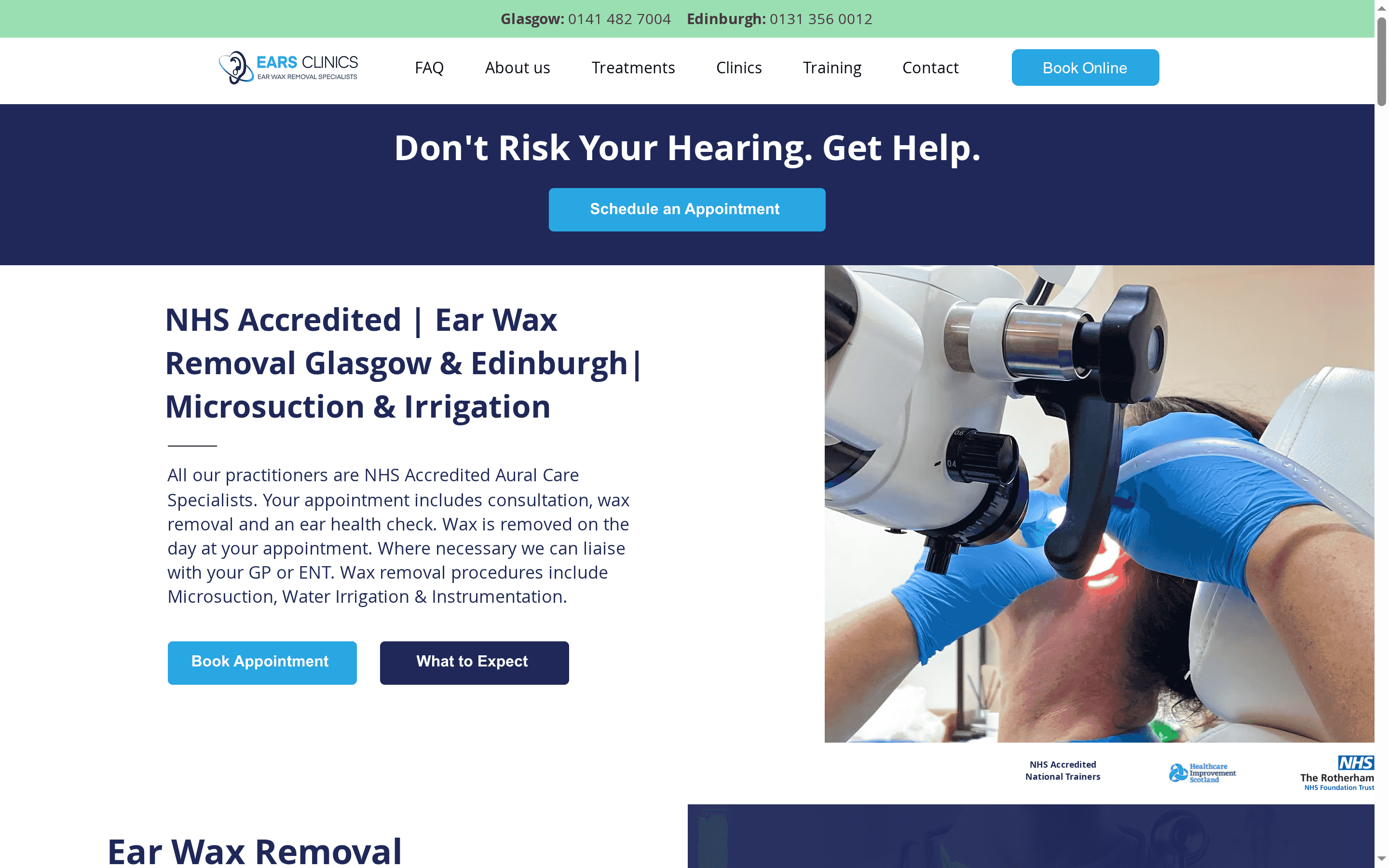
Explore detailed information about our ear wax removal procedures to understand exactly what happens during your appointment. Book your treatment with NHS accredited ear wax removal specialists in Glasgow and Edinburgh who meet the strictest regulatory standards. Visit our ear wax removal Edinburgh clinic or contact us to arrange your convenient appointment today.
Frequently asked questions
What is the safest ear wax removal method available on the NHS?
Microsuction is regarded as the safest NHS method with complication rates below 1%, especially suitable for sensitive cases including children and perforated eardrums. It requires no pre-treatment ear drops and provides immediate symptom relief. The technique uses gentle suction under microscopic visualisation, minimising risks whilst maximising effectiveness.
How quickly can I get an ear wax removal appointment in Glasgow or Edinburgh?
NHS ENT clinics typically impose waiting periods from 2 to 8 weeks for non-urgent ear wax removal. Private NHS-accredited clinics offer same-day or next-day appointments as standard practice. This dramatic difference in accessibility allows you to address symptoms immediately rather than enduring prolonged discomfort.
Are ear wax removal treatments painful?
Microsuction is generally painless and well tolerated by most patients, producing only mild suction sounds and minimal physical sensation. Irrigation may cause discomfort due to water pressure and temperature changes but remains safe when performed correctly. Patient comfort levels vary, but microsuction consistently receives the highest satisfaction ratings.
Can children safely receive ear wax removal treatments?
Microsuction is approved for children aged 2 and over and serves as the preferred method for paediatric patients. Specialist-trained practitioners ensure safety and comfort through age-appropriate explanations and gentle technique. The procedure avoids water exposure and requires no pre-treatment drops, simplifying the experience for young patients and parents alike.
Recommended