
Step by Step Ear Wax Removal for Safe, Effective Relief
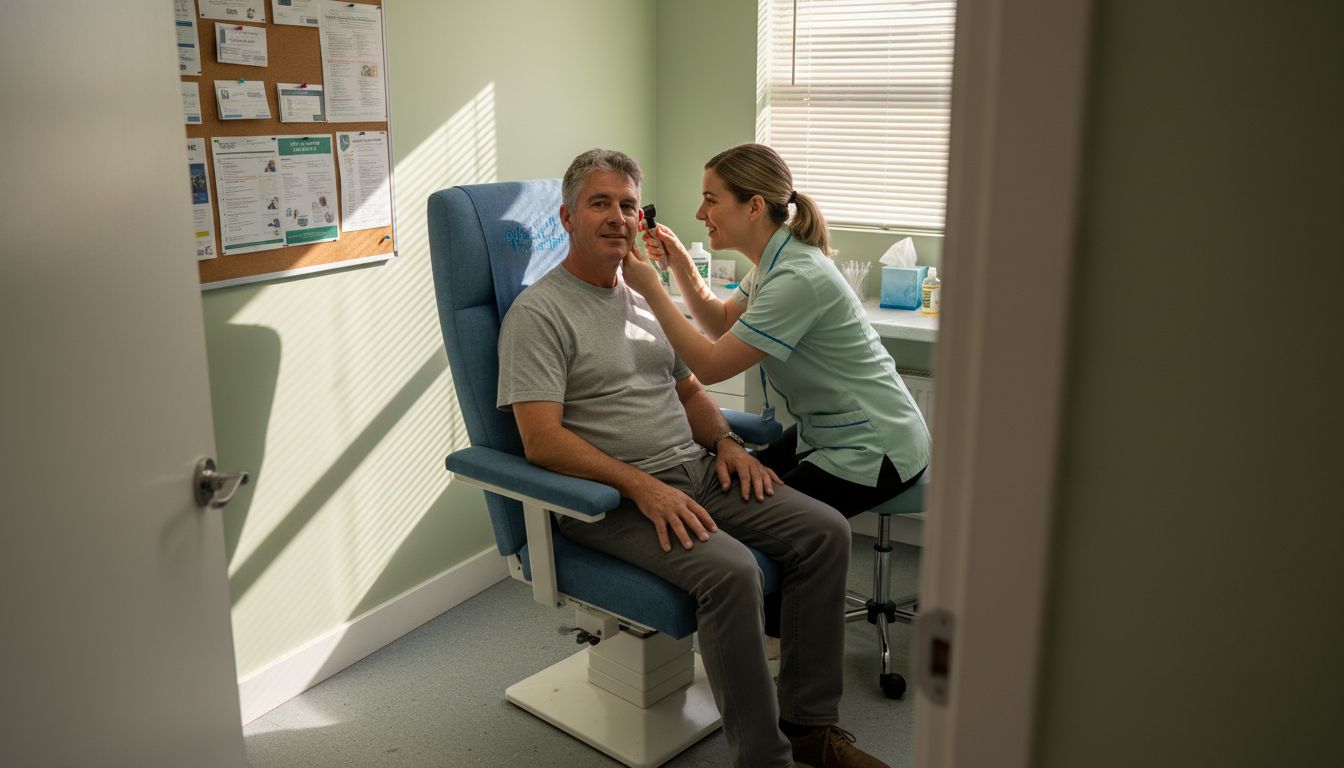
Over half of British adults will experience ear wax build-up at some point, often with surprising symptoms like unexplained hearing changes or a sudden sensation of fullness. Ignoring these early signs can quickly lead to discomfort or even temporary hearing loss, making prompt recognition crucial for long-term ear health. This guide offers practical advice to help you identify, address, and prevent ear wax problems with confidence.
Quick Summary
Key Insight | Explanation |
1. Identify symptoms early | Look for fullness, partial hearing loss, or discomfort to catch issues promptly. |
2. Prepare for removal | Use ear drops for a few days ahead to soften wax and ensure a better procedure experience. |
3. Choose professional care | Always consult qualified specialists for safe and effective wax removal techniques. |
4. Follow aftercare advice | Post-removal, establish a maintenance plan to prevent future build-up and ensure ear health. |
5. Regular health checks | Schedule ear assessments regularly to detect potential wax issues early on. |
Stage 1: Identify symptoms of ear wax build-up
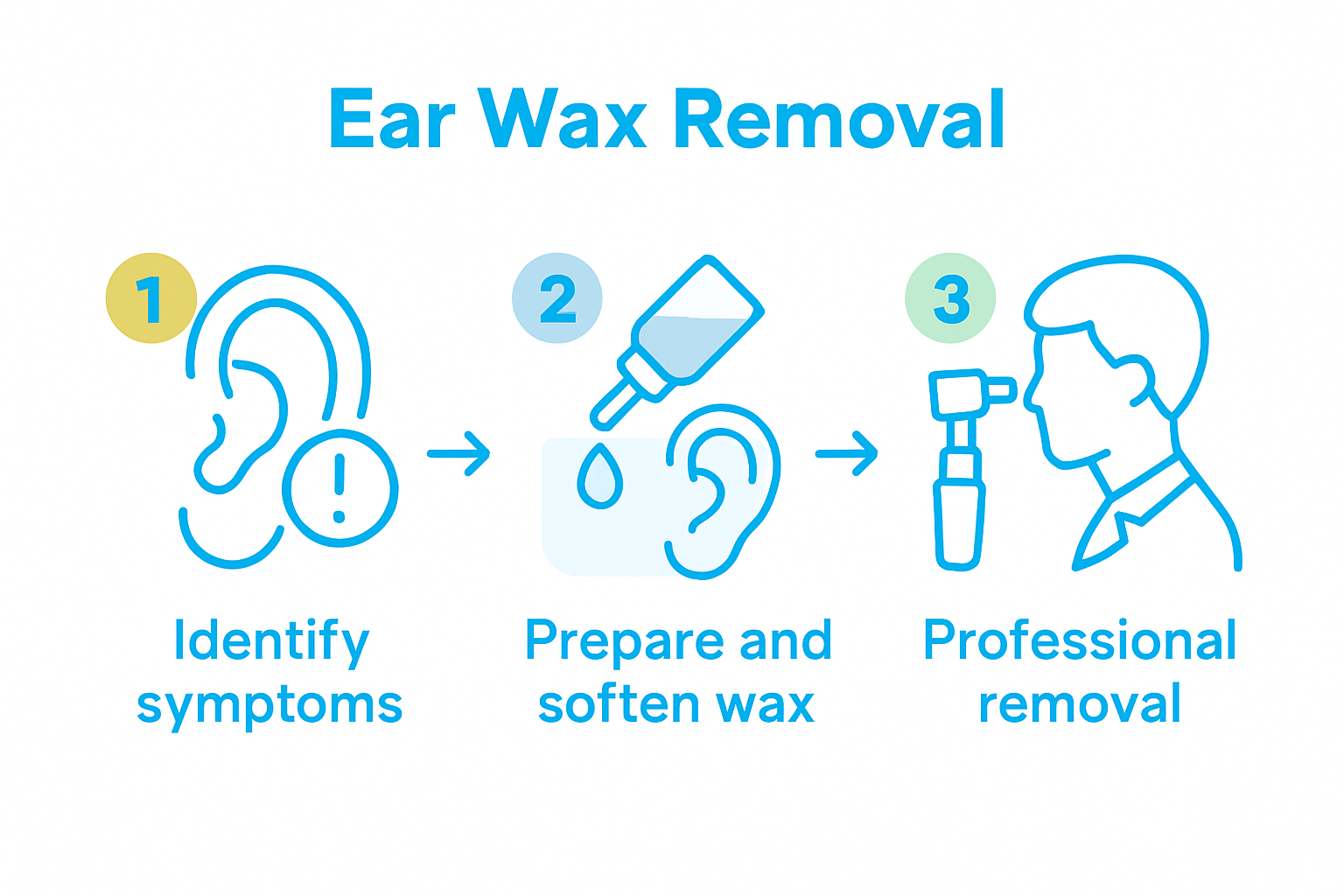
Recognising early signs of ear wax accumulation helps you address potential hearing issues before they become more serious. Understanding these symptoms allows you to seek professional ear care promptly and prevent potential complications.
Common symptoms of ear wax build-up include experiencing a sensation of fullness or blockage in your ear, which might feel like something is preventing sound from travelling normally. You might also notice partial hearing loss or a persistent ringing sound known as tinnitus. Some individuals experience additional discomfort such as earache, occasional dizziness, or an itchy sensation inside the ear canal.
Pro Tip: Not all ear discomfort indicates wax build-up. If symptoms persist or worsen, consult a professional ear healthcare specialist for accurate diagnosis.
Pay attention to less obvious signs like increased ear discharge, unexpected pain, or a noticeable odour from your ear. These symptoms suggest your ear wax might have become impacted and require professional intervention. Professional ear care specialists can perform safe, precise wax removal techniques to restore your hearing and eliminate discomfort.

Stage 2: Prepare for safe ear wax removal
Preparing for ear wax removal requires strategic planning to ensure a safe and effective procedure. Your preparation can significantly enhance the success of professional ear wax removal and minimise potential discomfort.
The primary preparatory step involves softening ear wax using gentle medical solutions, such as olive oil or sodium chloride drops. Apply these drops for 2 to 3 days before your scheduled appointment. This process helps loosen the wax, making professional removal easier and more comfortable. Importantly, avoid inserting any objects into your ear canal such as cotton buds, hairpins, or improvised tools, as these can cause serious damage.
Pro Tip: Always consult a trained ear healthcare professional before attempting any self management techniques.
On the day of your appointment, arrive with clean ears and be prepared to discuss your medical history and any specific symptoms. Wear comfortable clothing and be ready to follow the clinician’s instructions carefully. This preparation ensures a smooth, safe ear wax removal experience that prioritises your hearing health and overall comfort.
Stage 3: Select the right professional technique
Choosing the most appropriate ear wax removal technique is crucial for ensuring safe and effective treatment. Each patient requires a personalised approach that considers their unique ear health, medical history, and specific wax characteristics.
Professional ear wax removal techniques include microsuction, irrigation, and manual instrumentation. Your healthcare provider will carefully assess your individual circumstances to determine the most suitable method. Microsuction uses gentle suction to remove wax without introducing liquid, making it ideal for patients with sensitive ears or previous ear surgery. Irrigation involves carefully controlled water flow to flush out softened wax, while manual instrumentation uses specialised tools to carefully extract wax under direct visual guidance.
Pro Tip: Never attempt to remove ear wax yourself, as improper techniques can cause permanent hearing damage.
The selection process involves a comprehensive examination of your ear canal, considering factors like wax consistency, ear canal shape, and any existing medical conditions. Your clinician will explain the recommended technique, its benefits, and potential risks, ensuring you feel comfortable and informed throughout the procedure.
Stage 4: Undergo ear wax removal at a regulated clinic
Undergoing professional ear wax removal is a precise medical procedure that requires expertise and careful attention. Your appointment represents a critical step towards restoring your hearing and addressing potential ear health concerns.
When pharmacy treatments prove ineffective, it is crucial to seek professional medical intervention. Professional clinicians can safely address persistent ear wax symptoms such as hearing loss or discomfort. During your appointment, a trained healthcare specialist will conduct a thorough examination of your ear canal, using specialised equipment to visualise the wax build-up and determine the most appropriate removal technique.
Pro Tip: Always choose a regulated clinic with NHS-accredited professionals to ensure the highest standards of ear care.
The procedure itself typically takes between 15 to 30 minutes and involves minimal discomfort. Your clinician will guide you through each step, explaining the process and ensuring you feel comfortable throughout the treatment. After the procedure, they will provide aftercare advice and discuss any follow-up recommendations to maintain your ear health.
Stage 5: Verify successful ear wax removal and plan aftercare
After your ear wax removal procedure, confirming the treatment’s success and establishing a comprehensive aftercare strategy becomes paramount. This final stage ensures your ear health remains optimal and prevents future wax accumulation.
Follow-up assessments are critical to verify complete and safe wax removal. Your clinician will conduct a thorough examination to confirm that all problematic wax has been successfully eliminated and your ear canal appears healthy. Developing a personalised home maintenance plan with your audiologist can help prevent future build-up and maintain excellent ear hygiene.
Pro Tip: Regular ear health checks can help identify potential issues before they become significant problems.
Your aftercare strategy might include recommendations for periodic olive oil treatments, guidance on avoiding excessive ear cleaning, and advice about recognising early signs of wax accumulation. By following professional guidance, you can maintain clear, healthy ears and prevent recurrent wax build-up, ensuring long-term hearing comfort and wellness.
Discover Safe and Professional Ear Wax Removal with EARS Clinics
If you are experiencing symptoms like ear blockage, hearing loss or discomfort described in the step-by-step guide to ear wax removal, it is crucial to seek expert care without delay. At EARS Clinics, we specialise in safe, NHS-accredited ear wax removal using advanced techniques such as microsuction, irrigation, and instrumentation. Our trained Aural Care Specialists ensure personalised treatment tailored to your ear health needs, providing relief from persistent wax build-up swiftly and securely.

Take control of your ear health today by choosing a regulated clinic trusted in Glasgow and Edinburgh. Benefit from shorter waiting times, convenient same-day appointments or even home visits for those who need them. Learn more about safe removal methods and book your appointment now at EARS Clinics. Don’t wait until symptoms worsen — your hearing comfort and safety matter.
Frequently Asked Questions
What are the symptoms of ear wax build-up?
Ear wax build-up often presents as a sensation of fullness or blockage in the ear, partial hearing loss, and possibly tinnitus or earache. To address these symptoms, monitor your ear health and consult a professional if discomfort persists or worsens.
How can I prepare for safe ear wax removal?
To prepare for ear wax removal, soften your ear wax for 2 to 3 days before your appointment using gentle medical solutions like olive oil drops. This step will make the removal process more comfortable and effective, so ensure you follow this advice closely.
What professional techniques are used for ear wax removal?
Common professional techniques for ear wax removal include microsuction, irrigation, and manual instrumentation. Discuss these options with your healthcare provider to understand the most suitable method based on your ear health and specific needs.
How long does an ear wax removal procedure typically take?
An ear wax removal procedure usually lasts between 15 to 30 minutes and involves minimal discomfort. Arrive prepared to follow your clinician’s instructions to ensure a smooth process and effective results.
What should I do after my ear wax has been removed?
After your ear wax removal, confirm the treatment’s success with a follow-up assessment and establish a personalised aftercare strategy. This may include periodic treatments and regular check-ups to maintain optimal ear hygiene and prevent future build-up.
How often should I have my ears checked for wax build-up?
It is advisable to have your ears checked regularly, ideally every 6 to 12 months, to monitor for any signs of wax accumulation. Establish a schedule with your healthcare provider to ensure timely interventions and maintain good ear health.
Recommended