
Does the NHS Still Remove Ear Wax? 2025 Changes Explained
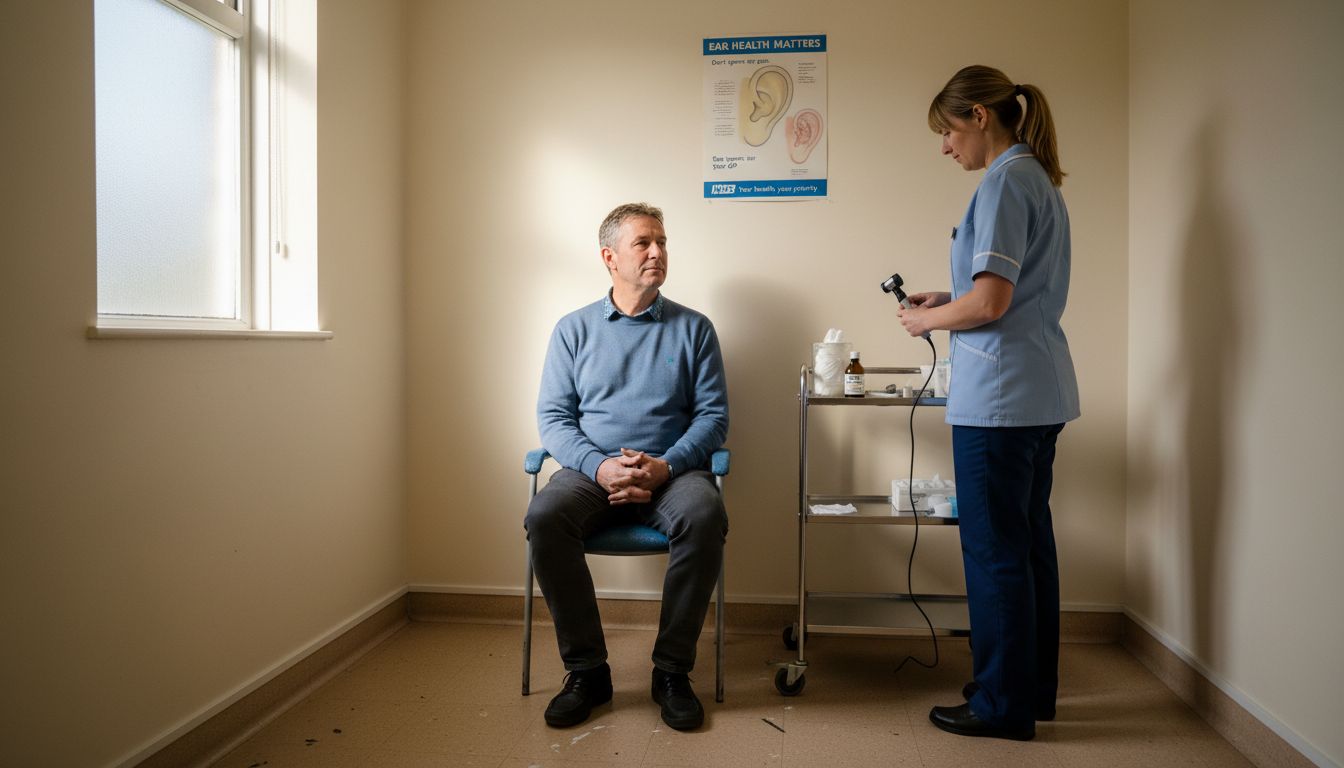
Most british adults will experience some degree of ear wax buildup in their lifetime, yet few realize just how quickly it can lead to discomfort or hearing loss. More than eight million people across England face reduced access to professional ear care, making safe at-home solutions and private clinic options increasingly important. This guide offers up-to-date insights on safe removal methods, new NHS policies for 2025, and essential tips for maintaining healthy ears.
Key Takeaways
Point | Details |
Ear Wax Removal Techniques | Professional methods such as microsuction, irrigation, and manual instrumentation are recommended for effective ear wax removal. These techniques ensure safe and precise extraction by trained healthcare professionals. |
NHS Service Changes | By 2025, many NHS-funded ear wax removal services will be significantly reduced, compelling patients to seek private care options or manage ear health independently. |
Private Clinic Options | Private clinics provide immediate access and tailored care for ear wax removal, with costs ranging from £50 to £100 per session, depending on the method used. |
Patient Responsibility | Patients must now take greater responsibility for their ear health management and may need to explore options such as GP consultations or private services for effective treatment. |
Ear Wax Buildup and Safe Removal Methods
Ear wax, or cerumen, is a natural protective substance produced by the human ear canal to trap dust, debris, and microorganisms. While it plays a crucial role in ear health, excessive buildup can lead to discomfort, hearing difficulties, and potential complications. Understanding safe and effective removal methods is essential for maintaining optimal ear health.
Healthcare professionals recommend several professional techniques for ear wax removal, including microsuction, irrigation, and manual instrumentation. Mayo Clinic experts advise that healthcare professionals can remove excess earwax using specific tools and techniques, ensuring safe and precise extraction. The most appropriate method depends on individual ear anatomy, wax consistency, and overall ear health.
Before seeking professional ear wax removal, patients are recommended to prepare by applying olive oil drops for several days prior to their appointment. This helps soften the wax, making removal more straightforward and comfortable. Importantly, individuals should avoid attempting home remedies like cotton swabs or ear candles, which can potentially cause damage to the delicate ear canal. Each removal method requires careful assessment by trained healthcare professionals who can determine the most suitable approach based on individual patient needs.
Microsuction: Precise vacuum technique using specialised equipment
Irrigation: Gentle flushing with warm water and saline solution
Manual Instrumentation: Carefully removing wax using specialised medical tools
Professional ear wax removal techniques are significantly safer than DIY methods, reducing risks of hearing damage and ensuring comprehensive ear health management.
NHS Ear Wax Removal in 2025: Key Changes
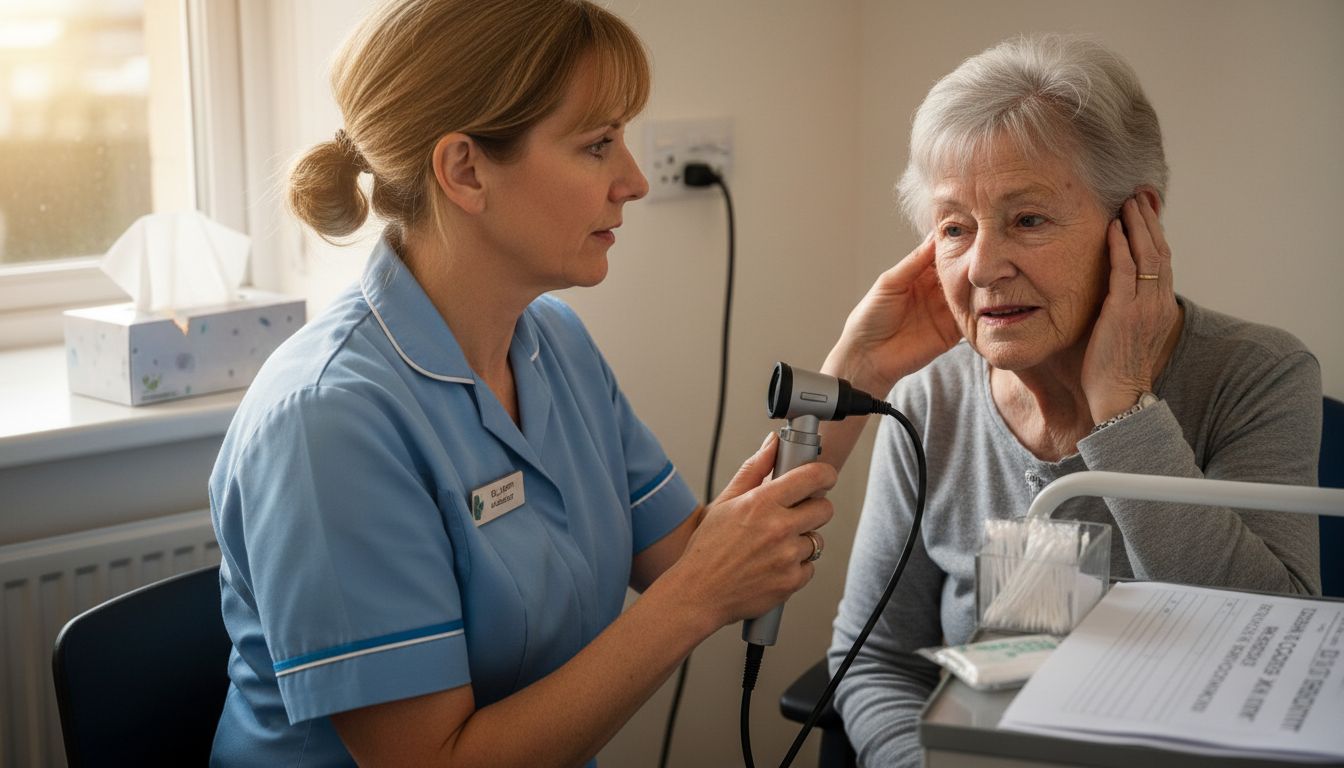
The landscape of ear wax removal services within the National Health Service (NHS) has undergone significant transformation by 2025, presenting substantial challenges for patients seeking accessible healthcare. Approximately 8.1 million people in England now face significant barriers to accessing ear wax removal services, creating what healthcare experts describe as a ‘postcode lottery’ of ear healthcare provision.
Integrated Care Boards across England have dramatically reduced NHS-funded ear wax removal services, forcing many patients to seek alternative solutions. By January 2024, nearly 10 million individuals could no longer access free NHS ear wax removal, compelling patients to either pay for private treatments or risk potential hearing complications through self-management.
The key changes impacting NHS ear wax removal in 2025 include:
Significant reduction in free ear wax removal services
Increased patient responsibility for ear health management
Greater emphasis on private clinic interventions
Limited NHS coverage based on geographic location
Understanding the current NHS ear wax removal landscape is crucial for patients navigating these evolving healthcare challenges. Patients are now recommended to explore private clinics, seek GP consultations, or consider self-management techniques under professional guidance to address ear wax buildup effectively.
Eligibility and Process for NHS Services
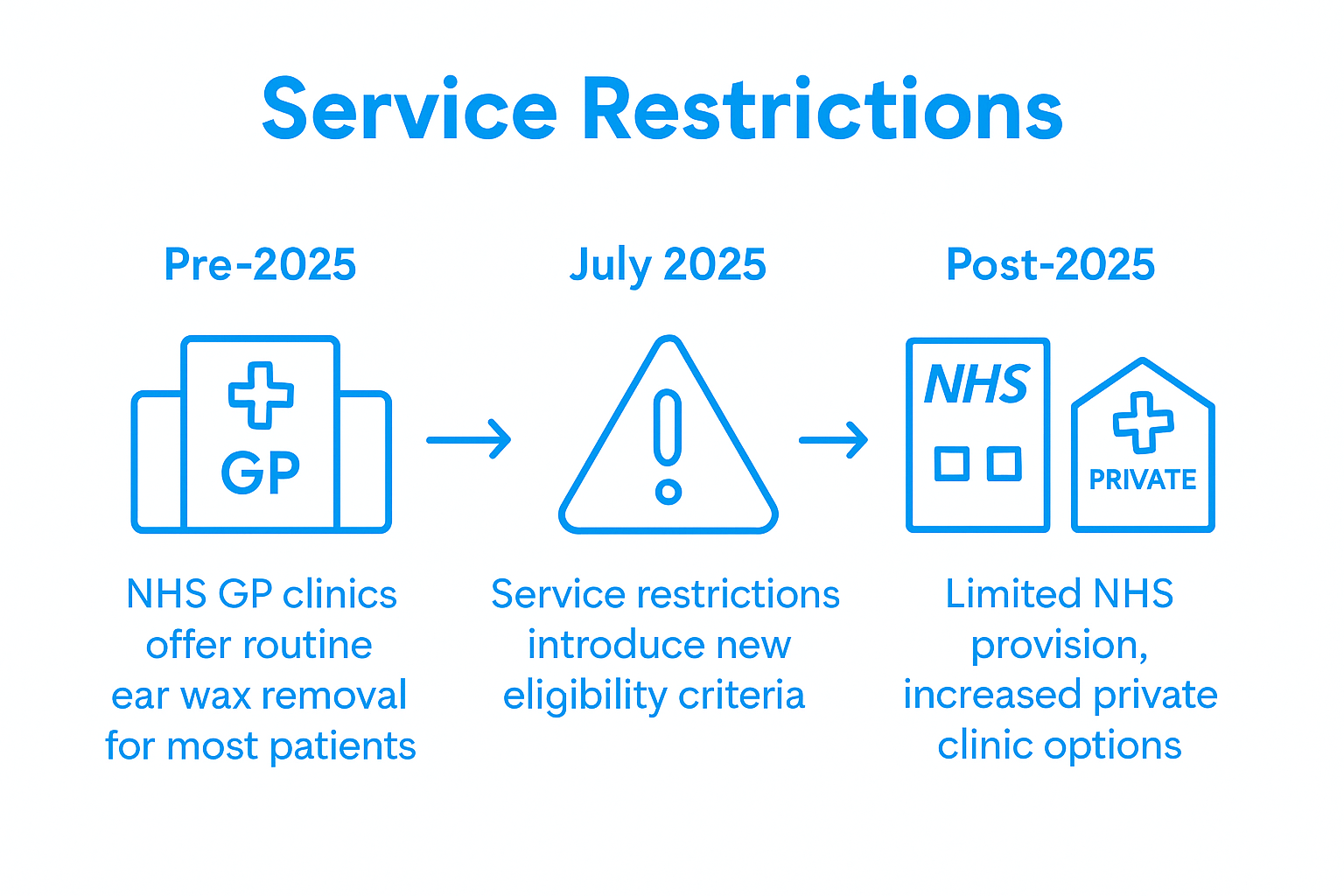
Navigating the evolving landscape of NHS ear wax removal services requires a clear understanding of the current eligibility criteria and referral processes. From April 2025, many GP practices will no longer provide routine ear syringing, significantly changing how patients access ear wax removal services, with a new emphasis on self-care and targeted clinical interventions.
The updated NHS approach prioritises a structured pathway for ear wax removal. After July 2025, simple ear wax removal will no longer be automatically funded or provided at standard GP practices. Patients will now need to meet specific clinical criteria to receive NHS-funded treatment, with priority given to individuals experiencing:- Significant hearing impairment- Chronic ear conditions- Complex medical histories affecting ear health- Potential risks of self-management- Referrals from specialist healthcare professionalsPatients seeking NHS ear wax removal must now follow a more comprehensive assessment process. This typically involves initial self-care attempts, documented evidence of ear wax complications, and potential referral to specialist audiology or Ear, Nose, and Throat (ENT) services. NHS ear wax removal guidelines provide crucial insights into navigating these new healthcare pathways, ensuring patients understand their options and can make informed decisions about their ear health management.
Alternatives to NHS: Private Clinic Options
With the significant reduction in NHS ear wax removal services, private clinics have emerged as a crucial alternative for patients seeking professional ear care. Many individuals are now compelled to pay up to £100 for private ear wax removal procedures, highlighting the growing importance of understanding private healthcare options.
Private ear wax removal clinics offer several advantages over traditional NHS services, including:
Immediate appointment availability
Specialised ear care techniques
Comprehensive diagnostic assessments
Flexible treatment options
Shorter waiting times
Personalised patient care
Patients considering private ear wax removal should prioritise clinics with NHS-accredited practitioners and those following Healthcare Improvement Scotland (HIS) or Care Quality Commission (CQC) guidelines. Home ear wax removal services provide additional convenience for patients with mobility challenges, ensuring accessible ear health management across diverse patient needs.
When selecting a private clinic, patients should carefully consider factors such as practitioner qualifications, treatment techniques, pricing transparency, and overall patient reviews. Microsuction, irrigation, and manual instrumentation remain the primary professional methods for safe and effective ear wax removal, with costs typically ranging between £50 to £100 per session depending on the clinic and specific treatment required.
Cost Comparison and What to Expect
Nearly 10 million people in England now face challenges accessing NHS ear care services, creating a complex landscape of private ear wax removal options with varying costs and service levels. Patients must now carefully navigate between NHS limitations and private clinic offerings, understanding the financial implications of professional ear care.
Cost Breakdown for Ear Wax Removal:
NHS Service: Previously free, now significantly reduced
Private Clinic Standard Rate: £50 - £100 per session
Home Visit Rate: £180 (typically higher due to additional service)
Specialist Clinics: Prices vary based on complexity of treatment
Children’s Rates: Often slightly higher, ranging £75 - £100
The emerging ‘tax on wax’ has forced individuals to pay between £50-£100 for private ear wax removal treatments, highlighting the financial burden of modern ear healthcare. Patients should expect a comprehensive consultation, professional assessment, and one of three primary removal techniques: microsuction, irrigation, or manual instrumentation. Each method requires specialised training, explaining the associated costs and ensuring safe, effective ear wax management.
Take Control of Your Ear Health Beyond NHS Changes
The recent NHS restrictions on ear wax removal services have left many feeling uncertain and frustrated about managing ear wax buildup safely. If you are experiencing discomfort, hearing difficulties, or worry about the risks of self-treatment, expert care is essential. At EARS Clinics, we specialise in NHS-accredited ear wax removal using trusted methods such as microsuction, irrigation, and manual instrumentation performed by trained Aural Care Specialists. Our clinics in Glasgow and Edinburgh provide fast, safe, and regulated care that puts your wellbeing first.
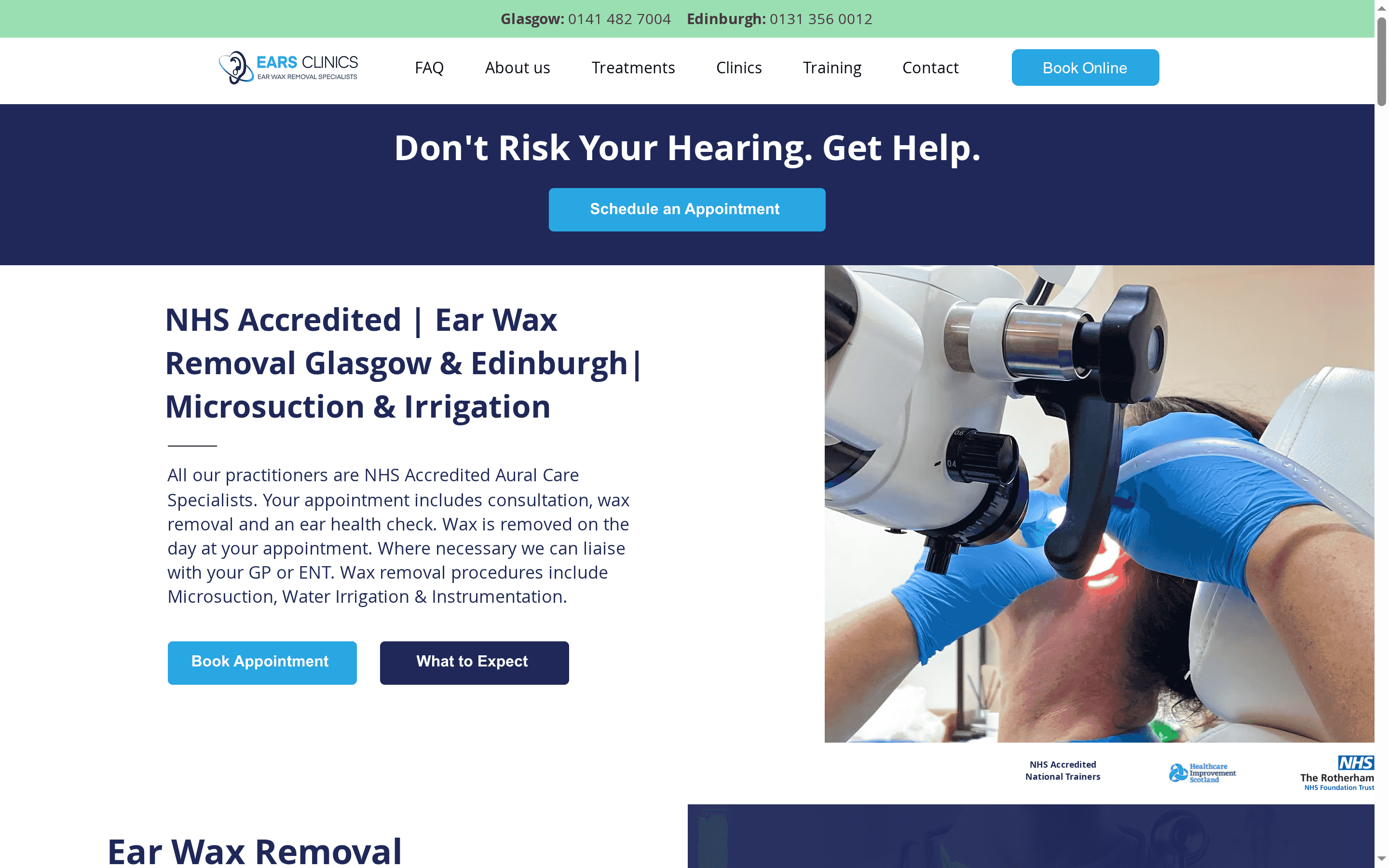
Do not wait weeks or risk unsafe self-management due to limited NHS services. Experience the benefits of quicker appointments, no pre-treatment requirements, and personalised care for all ages including children and complex cases. Explore more about our expert techniques and book your appointment easily online at EARS Clinics. Learn why professional ear wax removal is safer than DIY approaches in our detailed guidance on ear wax removal safety and understand how changing NHS pathways may affect you by reading NHS ear wax removal explained. Take action today to protect your hearing and enjoy immediate, expert relief.
Frequently Asked Questions
Does the NHS still provide ear wax removal services in 2025?
As of 2025, many GP practices are no longer offering routine ear wax removal services under the NHS, significantly limiting access to these treatments.
What are the eligibility criteria for NHS ear wax removal services?
Patients must meet specific clinical criteria to receive NHS-funded ear wax removal, including significant hearing impairment, chronic ear conditions, or referrals from specialist healthcare professionals.
What are the alternatives if I cannot access NHS ear wax removal?
If NHS services aren’t available, patients can consider private clinics that offer ear wax removal, often providing faster access and specialised techniques for treating ear wax buildup.
How much does private ear wax removal typically cost?
The cost of private ear wax removal generally ranges from £50 to £100 per session, with higher fees for home visits or more complex treatments.
Recommended