
Ear Wax Removal on the NHS: What to Expect Now
Over 2 million British residents face ear wax buildup each year, with many struggling to access timely care. This common issue not only affects hearing but can also disrupt daily life and comfort. Knowing the signs, removal options, and current limitations within the healthcare system empowers individuals to make informed choices for their ear health, especially as private clinics now fill key service gaps across the United Kingdom.
Key Takeaways
Point | Details |
Role of Ear Wax | Ear wax is essential for ear health but excessive buildup can cause discomfort and hearing issues. Recognising symptoms is crucial for timely intervention. |
NHS Treatment Limitations | Access to NHS ear wax removal is restricted, often prioritising patients with serious complications. Many individuals may need to seek private care. |
Private Clinic Benefits | Private ear clinics provide immediate access, personalised treatment, and specialised techniques that cater to individual needs, making them a viable option for thorough ear care. |
Complex Needs in Children | Children and individuals with complex needs face additional challenges in accessing NHS services, often necessitating private care for adequate ear wax management. |
Ear Wax Buildup and Removal Explained
Ear wax, medically known as cerumen, is a natural protective substance produced by glands in the ear canal. While ear wax plays a crucial role in ear health by trapping dust, debris, and microorganisms, excessive buildup can lead to discomfort and potential hearing issues. Understanding the nature of ear wax blockage helps patients recognise when professional intervention might be necessary.
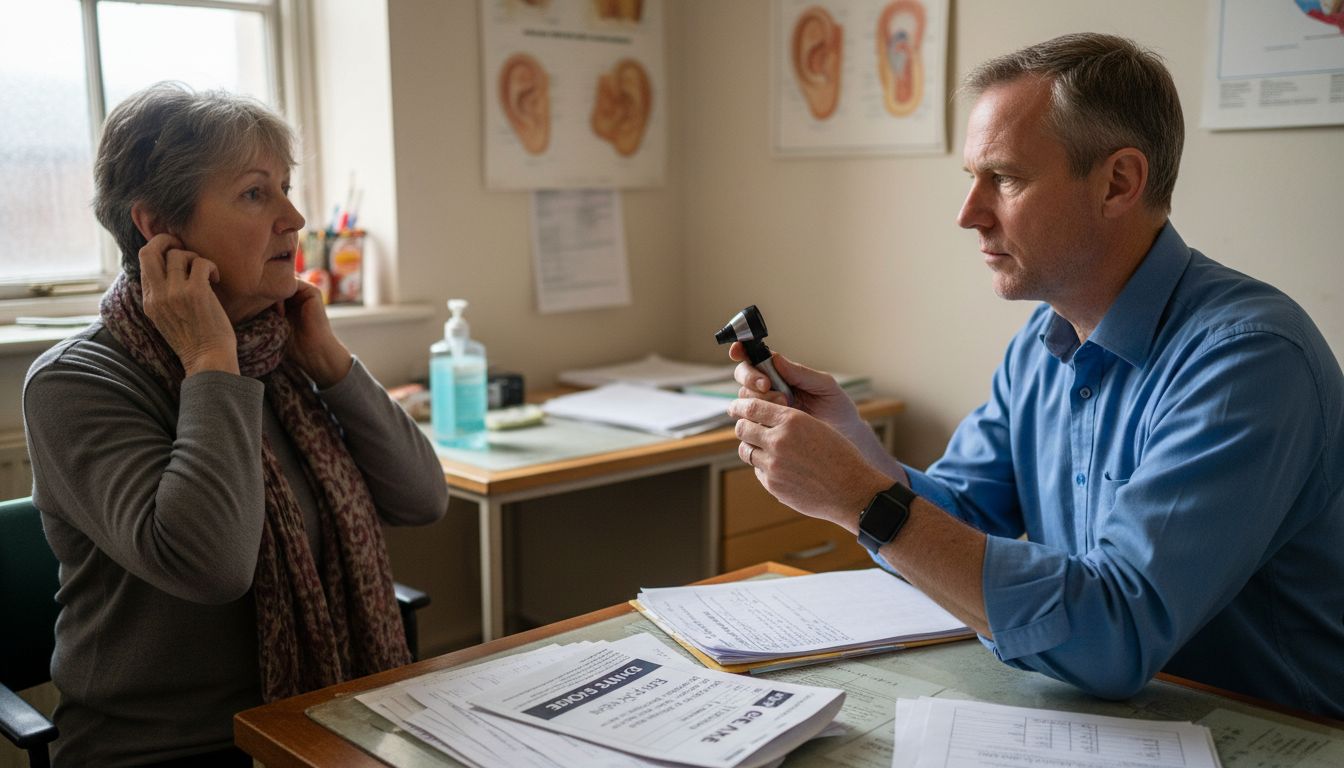
The process of ear wax accumulation varies between individuals. Some people naturally produce more ear wax, while others are prone to impaction due to factors like narrow ear canals, frequent use of earbuds, or attempts at home removal using cotton swabs. Symptoms of excessive ear wax include hearing difficulties, ear fullness, tinnitus, and occasional mild earache. These signs indicate that the natural self-cleaning mechanism of the ear canal has become disrupted.
Professional ear wax removal techniques have evolved to provide safe and effective solutions. Clinical research suggests that medicated ear drops can help soften and facilitate wax removal, though the effectiveness can vary. The primary methods used by healthcare professionals include microsuction, irrigation, and manual instrumentation. Each technique is selected based on the patient’s specific ear health condition, ensuring minimal risk and maximum comfort during the procedure.
Understanding ear wax removal is crucial for maintaining optimal ear health. While home remedies might seem tempting, professional intervention ensures safe and thorough wax management, preventing potential complications like ear canal damage or persistent hearing problems.
NHS Ear Wax Removal: Who Qualifies?
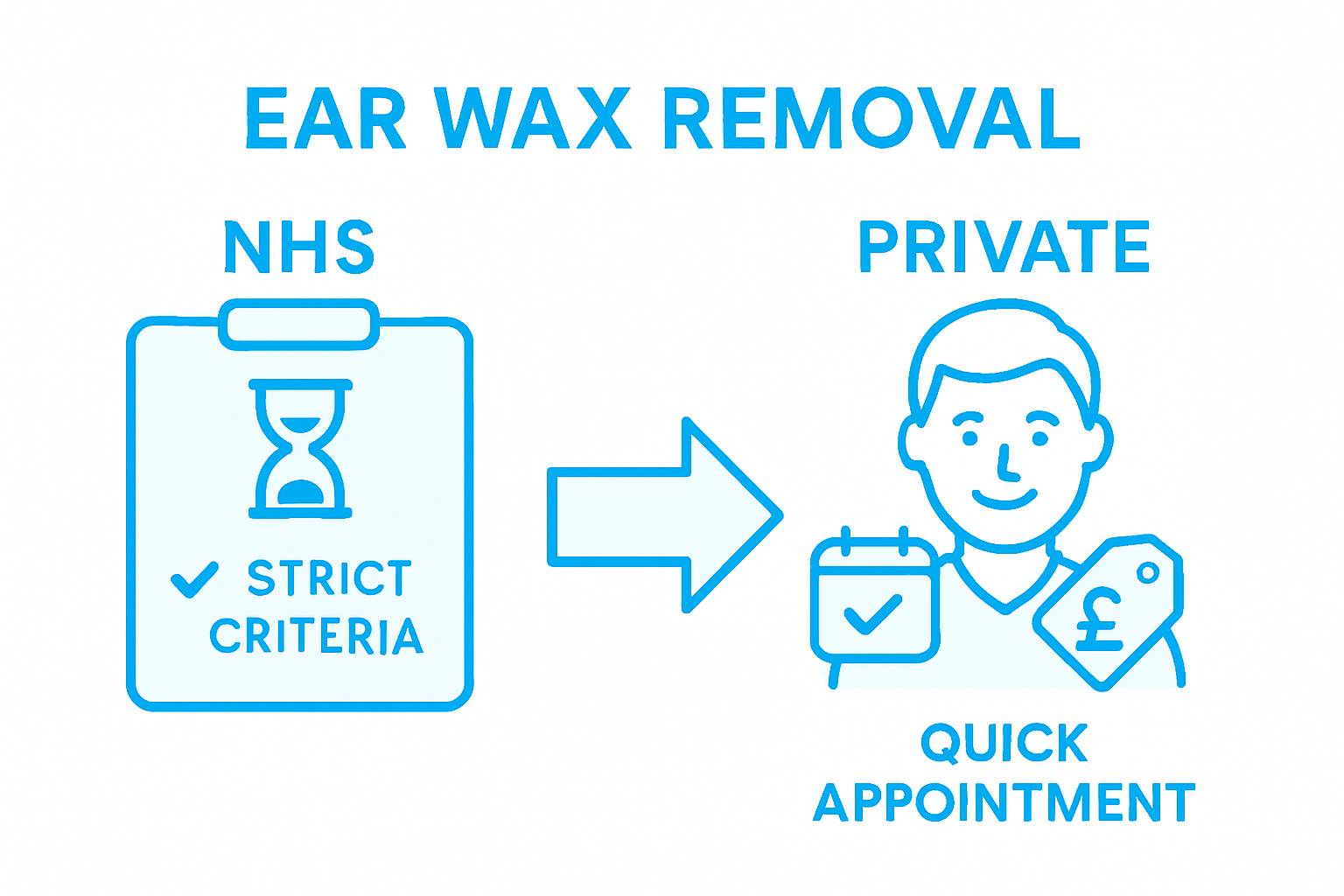
Navigating the complexities of NHS ear wax removal can be challenging, with strict eligibility criteria determining who receives treatment. Specific NHS guidelines for ear wax removal indicate that not everyone qualifies for free treatment. Patients with specific medical conditions or significant ear-related symptoms are prioritised for NHS intervention.
The NHS typically considers ear wax removal for individuals experiencing serious complications. Qualifying conditions include chronic tympanic membrane perforations, a history of ear surgery, foreign bodies in the ear canal, or substantial hearing impairment directly caused by wax buildup. Patients presenting with persistent ear pain, recent middle ear infections, or previous complications from ear irrigation are more likely to receive NHS-funded treatment. However, routine ear wax removal for otherwise healthy individuals is rarely approved.
Most general practitioners now recommend private ear wax removal services for standard cases. The NHS has significantly restricted access to ear wax removal, meaning most patients will need to seek private treatment. This shift is primarily due to limited healthcare resources and the desire to prioritise more critical medical interventions. Young children and individuals under 18 are particularly affected, as the NHS rarely provides ear wax removal services for this age group.
Patients should be prepared for potential referral challenges. While some complex ear health conditions might qualify for NHS treatment, the default recommendation is increasingly towards private clinics specialising in professional ear wax removal. Understanding these limitations can help patients make informed decisions about managing their ear health effectively.
Appointment Waits and Treatment Pathways
Current research on NHS ear wax removal services reveals a challenging landscape for patients seeking treatment. Over 2 million individuals in the United Kingdom require ear wax removal annually, yet the majority now face significant barriers in accessing timely care. The traditional route of visiting a general practitioner for ear wax removal has largely disappeared, forcing patients to navigate complex alternative pathways.
The typical treatment journey now involves multiple potential steps. Patients first require a referral from their general practitioner, which can take several weeks. Even after referral, the waiting time for an actual ear wax removal appointment can extend to four to six weeks. Many patients will need to attend multiple appointments, with some requiring two or three visits to completely clear ear wax buildup. This prolonged process can exacerbate hearing difficulties and cause significant frustration for individuals experiencing ear-related discomfort.
Under current NHS protocols, ear wax removal is primarily reserved for patients with complex medical conditions or severe symptoms. Routine cases are systematically redirected to private healthcare providers. The waiting times and restricted access mean that most patients will need to consider private clinics, which can offer same-day appointments and more flexible treatment options. The shift represents a fundamental change in how ear health services are delivered, placing increased responsibility on individual patients to seek and fund their own ear care.
Patients should prepare for potential complications in their treatment pathway. This might include multiple GP consultations, referral delays, and the likelihood of being advised to seek private treatment. Understanding these challenges in advance can help individuals make informed decisions about managing their ear health, potentially saving time and reducing unnecessary discomfort.
Children and Complex Needs: NHS Limitations
The NHS ear wax removal service presents significant challenges for children and individuals with complex medical needs. Most NHS trusts have strict policies that effectively exclude children under 18 from standard ear wax removal procedures, forcing parents to seek alternative private healthcare solutions. This blanket restriction means that young patients with ear wax buildup must navigate complex and often expensive treatment pathways.
Patients with neurodevelopmental conditions, sensory processing disorders, or those requiring specialised care face additional barriers. The NHS typically does not provide tailored ear wax removal services for individuals who might find standard procedures distressing or challenging. Children with autism, sensory sensitivities, or those requiring gentle handling are particularly disadvantaged by these limitations. The lack of specialised provision means that families often must fund private treatments that can accommodate their specific medical and emotional requirements.
Complex medical conditions that might necessitate ear wax removal are subject to stringent assessment criteria. Patients with chronic ear infections, hearing impairments, or those using hearing aids are not automatically guaranteed NHS treatment. The healthcare system’s approach increasingly emphasises referring such cases to private clinics that can provide more immediate and personalised interventions. This shift places substantial financial and logistical burdens on families already managing complex health challenges.
For parents and carers, understanding these limitations is crucial. The NHS ear wax removal service has become increasingly restrictive, prioritising only the most urgent and medically complex cases. Families should be prepared to seek private healthcare options, budget for specialised treatments, and advocate strongly for their loved ones’ ear health needs. The current system demands proactive engagement and potentially significant out-of-pocket expenses for comprehensive ear care.
Benefits of Choosing Private Ear Clinics
Professional ear wax removal services offer substantial advantages over traditional NHS pathways, addressing the critical gaps in public healthcare provision. Private clinics provide immediate access, specialised care, and comprehensive treatment options that the NHS can no longer consistently deliver. Patients gain significant flexibility and control over their ear health management through these targeted private services.
The most compelling benefits include same-day appointments, age-inclusive treatment, and personalised care approaches. Unlike NHS services, private clinics can treat patients of all ages, including children and young adults who are systematically excluded from public healthcare ear wax removal. These clinics employ advanced techniques like microsuction, irrigation, and manual instrumentation, ensuring safe and precise wax removal tailored to individual patient needs. The ability to choose appointment times, receive immediate treatment, and access specialist practitioners represents a transformative approach to ear healthcare.
Financial considerations reveal that private clinics often provide more cost-effective solutions than navigating complex NHS referral systems. The hidden costs of multiple GP consultations, extended waiting periods, and potential hearing deterioration can far outweigh the direct expense of private treatment. Private clinics also offer comprehensive assessments, detailed consultations, and follow-up care that extend beyond simple wax removal, providing holistic ear health management.
For individuals with complex medical histories, sensory sensitivities, or specific healthcare requirements, private ear clinics offer unparalleled personalisation. Practitioners can adapt their approach to individual patient needs, providing gentle, patient-centred care that traditional NHS services struggle to accommodate. The combination of immediate access, specialised techniques, and patient-focused treatment makes private ear clinics an increasingly attractive option for comprehensive ear health management.
Experience Faster, Safer Ear Wax Removal with EARS Clinics
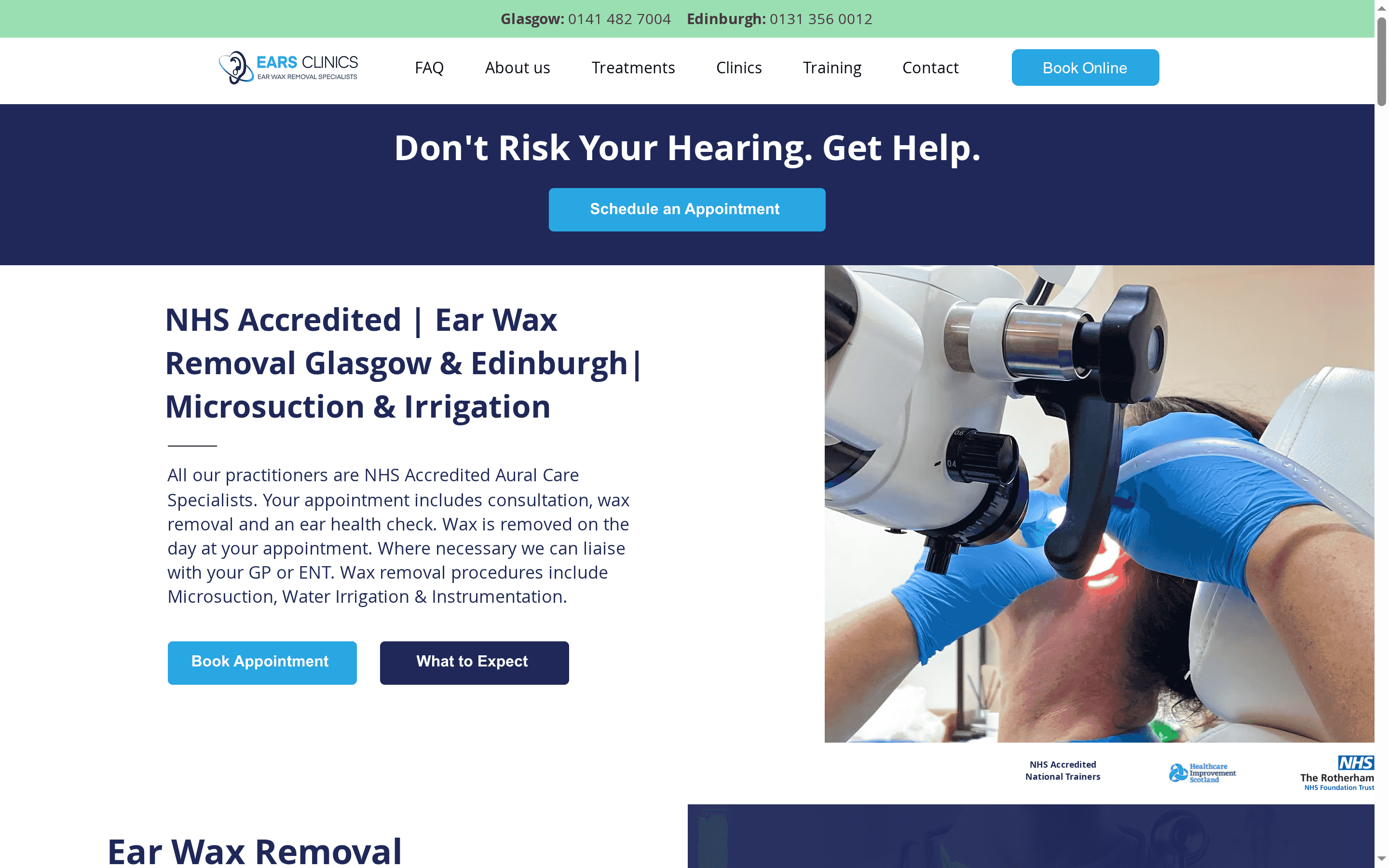
The article highlights the frustrating NHS limitations on ear wax removal including long waiting lists, strict eligibility, and restricted care especially for children or those with complex conditions. If you are tired of delays, repeated GP visits, or uncertain treatment pathways EARS Clinics offer a trusted alternative. Our private ear health services provide immediate access to professional microsuction, irrigation, and instrumentation delivered by NHS-accredited specialists in Glasgow and Edinburgh. We safely treat patients starting from 2 years old under strict Healthcare Improvement Scotland regulation.
Take control of your ear health today with shorter wait times and tailored care that the NHS cannot guarantee. Whether you have persistent wax buildup or complex needs you deserve prompt and comfortable treatment. Discover more at EARS Clinics and book a same-day appointment or home visit. Learn how our safe procedures can restore your hearing and wellbeing now by visiting our professional ear wax removal services page.
Frequently Asked Questions
What should I expect during an NHS ear wax removal appointment?
Patients should expect a thorough assessment of their ear health and symptoms. Depending on the evaluation, treatment options may include referral to private clinics if NHS services are not available for their case.
Who qualifies for NHS ear wax removal services?
NHS ear wax removal is typically reserved for individuals with serious complications, medical conditions affecting their ears, or significant hearing impairment due to wax buildup. Routine cases are often directed towards private treatment.
How long is the waiting time for NHS ear wax removal?
The waiting time for an NHS ear wax removal appointment can extend up to four to six weeks after receiving a referral from a general practitioner, which itself may take several weeks.
Are children eligible for NHS ear wax removal services?
Most NHS trusts have strict policies that exclude children under 18 from receiving routine ear wax removal services, often necessitating private healthcare solutions for these cases.
Recommended