
7 Ear Wax Removal Best Practices Parents Must Know
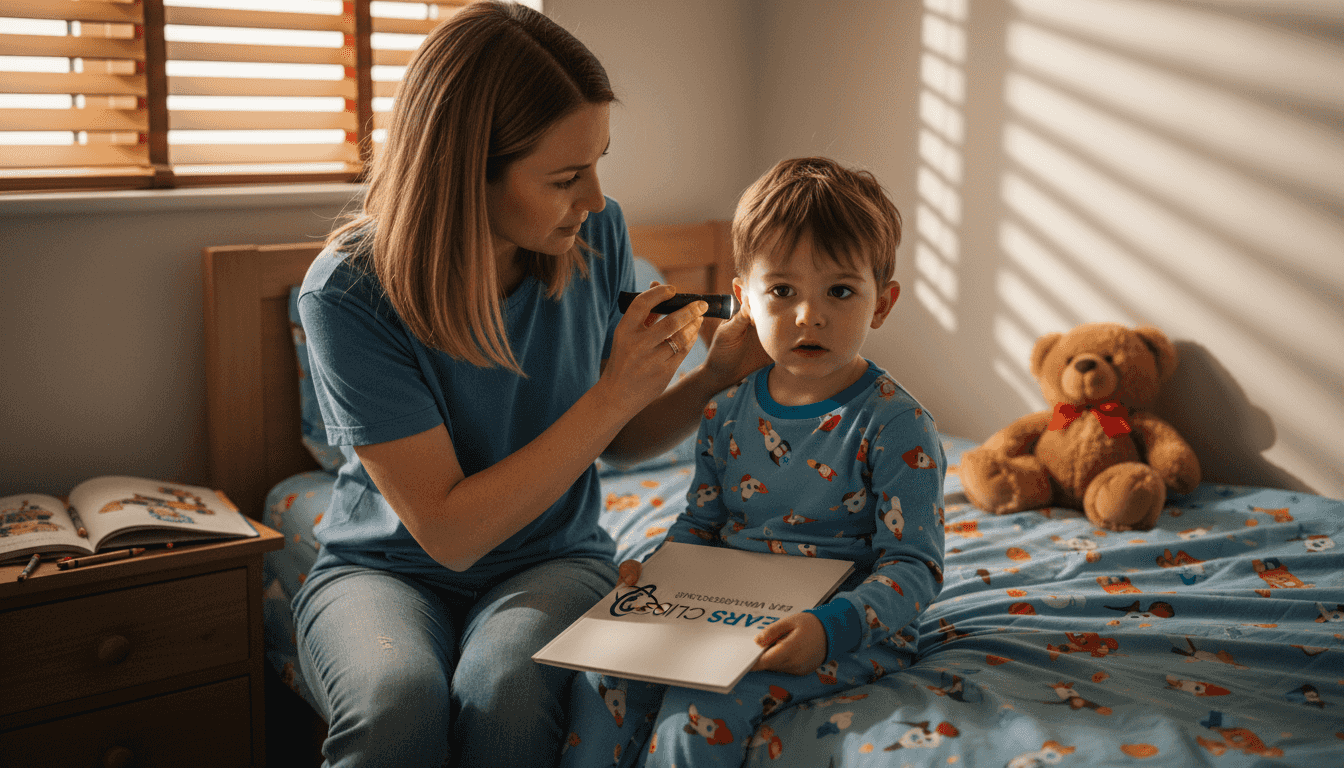
Ear wax build-up in children can lead to unexpected issues like muffled hearing, earache, or a feeling of fullness that leaves both you and your child concerned. Recognising the early signs and knowing what steps to take can save your child from unnecessary discomfort and prevent lasting complications. The practical advice you are about to discover is tailored to help you manage ear wax safely and effectively at home, while knowing exactly when professional help is needed.
Every tip in this list is designed to empower you with clear actions and expert-backed strategies for caring for your child’s ears. You will learn how to spot symptoms, avoid risky habits, and use safe solutions recommended by healthcare professionals. Get ready to uncover actionable insights that will make ear care easier, safer, and less stressful for your family.
Quick Summary
Key Message | Explanation |
1. Watch for signs of ear wax build-up | Symptoms like muffled hearing and earache indicate potential wax issues needing professional evaluation. |
2. Avoid inserting objects into ears | Using items like cotton swabs can harm the delicate ear structure and worsen wax build-up. |
3. Individualised ear care for different ages | Tailor ear health strategies according to your child’s age and developmental stage for best outcomes. |
4. Seek professional help for persistent symptoms | Consult an ear health specialist if symptoms last over three days or include severe pain. |
5. Prepare children for clinic visits | Calmly explain procedures, validate feelings, and practice relaxation techniques to ease anxiety prior to appointments. |
1. Understand Common Signs of Ear Wax Build-Up
Ear wax build-up is a common condition that affects children’s ear health and can cause significant discomfort if left unaddressed. Parents should be vigilant about recognising early warning signs that might indicate excessive wax accumulation.
Children experiencing ear wax build-up often display several distinctive symptoms. These include:
Decreased or muffled hearing
Persistent earache
Feeling of fullness or blockage in the ear
Unexplained dizziness
Intermittent ringing sounds
Ear itchiness
Occasional discharge or unusual odour
Ear wax is actually a natural protective mechanism designed to trap dirt and prevent infections.
While ear wax serves a crucial protective function by trapping dirt and blocking germs, excessive accumulation can lead to potential hearing difficulties. Parents should understand that not all wax build-up requires immediate intervention, but persistent symptoms warrant professional assessment.
Recognising these signs early allows parents to seek timely professional advice. Consulting an ear health specialist can prevent potential complications and ensure your child’s ear health remains optimal.
Expert tip: Monitor your child’s ear health by gently observing any changes in hearing or persistent ear discomfort, and seek professional guidance if symptoms persist longer than a week.
2. Avoid Inserting Objects Into the Ear Canal
Parents often underestimate the risks associated with inserting objects into their child’s ear canal. Understanding why this practice is dangerous is crucial for protecting your child’s hearing and preventing potential ear injuries.
Inserting objects such as cotton swabs, hairpins, or other implements can lead to severe complications:
Pushing earwax deeper into the canal
Potentially perforating the delicate eardrum
Causing painful infections
Creating microscopic cuts in the ear canal
Risking permanent hearing damage
Ears are self-cleaning organs that naturally manage wax removal without external intervention.
The human ear has a remarkable self-cleaning mechanism. Earwax naturally migrates outwards, carrying dirt and debris away from the eardrum during normal movements and bathing. Attempting to remove wax manually often causes more harm than good.
Healthcare professionals strongly advise against using any foreign objects in children’s ears. If excessive wax build-up is suspected, parents should consult a professional who can safely assess and address the issue using specialised medical techniques.
Expert tip: If you notice persistent ear discomfort in your child, schedule a professional ear examination rather than attempting home removal techniques.
3. Choose Age-Appropriate Ear Care Solutions
Ear care is not a one-size-fits-all approach, especially when it comes to children of different ages and developmental stages. Understanding the nuanced requirements for ear health is crucial for parents seeking safe and effective solutions.
Key considerations for age-appropriate ear care include:
Infant ear care (0-2 years): Gentle, minimal intervention
Toddler ear care (2-4 years): Supervised cleaning techniques
School-age children (5-12 years): Educational approach to self-care
Teenager ear care (13+ years): Increasing personal responsibility
Professional guidance remains essential for managing ear health across all age groups.
Mineral oil represents a versatile ear care solution that can be safely used for softening earwax in various age groups. Consulting healthcare professionals ensures personalised recommendations tailored to your child’s specific ear health needs.
Parents should prioritise gentle, non-invasive techniques that respect the ear’s natural self-cleaning mechanisms. Understanding that each child’s ear care requirements differ can help prevent unnecessary interventions and potential complications.
Expert tip: Always consult a paediatric ear health specialist before implementing any home ear care techniques to ensure age-appropriate and safe practices.
4. Know When to Seek Professional Help
Recognising when ear wax becomes more than a minor inconvenience is crucial for maintaining your child’s ear health and preventing potential long-term complications. Parents must understand the warning signs that indicate professional intervention is necessary.
Critical symptoms suggesting immediate professional ear care include:
Persistent ear pain or discomfort
Noticeable hearing loss
Continuous ear tugging or pulling
Discharge or unusual odour from the ear
Ringing or buzzing sounds
Unexplained dizziness
Fever accompanying ear symptoms
Professional assessment ensures safe and accurate ear health management.
Professional intervention becomes essential when home remedies prove ineffective or symptoms persist. Trained ear health specialists can diagnose and treat underlying issues that might not be apparent to parents.
Timely professional consultation prevents potential complications such as ear canal damage, infection spread, or hearing impairment. Healthcare providers can safely remove earwax using specialised techniques that minimise risks associated with amateur attempts.
Expert tip: If ear-related symptoms persist longer than three days or are accompanied by pain, schedule a professional ear examination immediately to prevent potential complications.
5. Explore Safe Removal Methods Like Microsuction
Choosing the right ear wax removal technique is crucial for maintaining your child’s ear health and preventing potential complications. Modern medical practices offer several safe and effective methods for managing ear wax build-up.
Key ear wax removal methods include:
Microsuction: Precise and minimally invasive
Irrigation: Gentle water-based technique
Manual instrumentation: Professional tool-assisted removal
Ear drops: Softening wax for natural elimination
Professional techniques prioritise patient safety and comfort.
Microsuction represents the most advanced ear wax removal approach, offering unprecedented precision and minimal discomfort. Professional clinicians can target specific wax accumulations with remarkable accuracy, ensuring a safe and controlled procedure.
Each removal method has specific applications depending on the patient’s age, ear canal condition, and wax characteristics. Healthcare professionals assess individual requirements to determine the most appropriate technique, minimising risks and maximising treatment effectiveness.
Expert tip: Always consult a trained ear health specialist who can recommend the most suitable wax removal method tailored to your child’s unique ear health needs.
6. Prepare Your Child for the Clinic Appointment
Preparing your child for an ear health clinic visit can significantly reduce anxiety and ensure a smoother, more positive healthcare experience. Understanding how to approach the appointment can make a substantial difference in your child’s comfort and cooperation.
Key strategies for preparing your child include:
Explain the procedure in age-appropriate language
Use calm and reassuring communication
Practice relaxation techniques beforehand
Bring a favourite comfort item
Discuss what to expect during the appointment
Validate their feelings and concerns
Emotional preparation is just as important as physical preparation.
Gentle communication helps children feel secure during medical procedures. Maintaining a calm and supportive atmosphere can transform a potentially stressful experience into a manageable and even educational moment for your child.
Healthcare professionals recommend creating a narrative that demystifies the procedure. Describe the clinic as a friendly place where skilled professionals help children maintain their ear health, emphasising the positive aspects of the visit.
Expert tip: Role-play the clinic visit at home using a soft toy or doll to help your child understand and feel more comfortable with the upcoming appointment.
7. Recognise When Home Visits Are Needed
Some children and families require specialised ear care that extends beyond traditional clinic settings. Understanding when home visits become essential can help parents ensure comprehensive ear health management for their loved ones.
Key scenarios indicating a potential need for home ear care visits include:
Limited mobility for the patient
Chronic health conditions preventing clinic travel
Paediatric patients with significant anxiety about medical settings
Complex medical histories requiring personalised care
Families with transportation challenges
Immobile elderly family members
Professional home visits prioritise patient comfort and accessibility.
Home visits provide critical ear healthcare access for patients facing unique medical circumstances. Trained healthcare professionals can adapt their approach to meet individual patient requirements while maintaining the highest standards of medical care.
These specialised visits ensure that ear health is not compromised due to logistical barriers. Audiologists and ear health specialists carefully assess each situation to determine the most appropriate and safe home care strategy.
Expert tip: When booking a home visit, prepare a comprehensive medical history and list of current medications to help healthcare professionals provide the most effective personalised care.
Below is a comprehensive table summarising the key points regarding children’s ear health management as discussed throughout the article.
Topic | Details | Recommended Actions |
Common Signs of Ear Wax Build-Up | Symptoms include muffled hearing, ear pain, and dizziness. | Observe and consult a specialist if symptoms persist. |
Risks of Inserting Objects | Risks include eardrum damage and infections. | Avoid inserting any objects into the ear canal. |
Age-Appropriate Ear Care | Ear care needs vary across ages. | Follow gentle and non-invasive practices based on age. |
Recognising Need for Professional Help | Persistent symptoms such as ear pain warrant consulting. | Seek professional assessment promptly. |
Safe Removal Methods | Options include microsuction and irrigation. | Always choose professional techniques. |
Preparing for Clinic Visits | Ensure a positive experience by explaining the process to the child. | Use calm communication and reassurance. |
Necessity of Home Visits | Scenarios include limited mobility or anxiety issues. | Ensure professional care via home visits when needed. |
Ensure Safe and Effective Ear Wax Removal with EARS Clinics
If you are concerned about your child’s ear wax build-up or wish to avoid the risks of home ear cleaning methods highlighted in the article, professional care is essential. Many parents face challenges recognising signs like ear discomfort or hearing loss and are unsure when to seek expert help. At EARS Clinics, we specialise in delivering NHS-accredited, safe ear wax removal services for patients from 2 years of age, using advanced techniques such as microsuction, irrigation, and manual instrumentation to protect your child’s delicate ears.

Trust the expertise of trained Aural Care Specialists at EARS Clinics who understand the importance of tailored, age-appropriate treatment. Skip the long NHS waiting times, book today for same-day or home visit appointments, and experience the reassurance of regulated, compassionate ear healthcare. Start by visiting our main website, learn more about the Role of Microsuction in Ear Care and discover why professional intervention is crucial when symptoms persist. Don’t delay safeguarding your child’s hearing – schedule your appointment now.
Frequently Asked Questions
What are the signs of ear wax build-up in children?
Ear wax build-up in children can manifest through signs such as muffled hearing, ear pain, or a sensation of fullness in the ear. Monitor your child for these symptoms and seek professional advice if they persist for more than a week.
How can I safely remove ear wax from my child’s ears at home?
It is best to avoid inserting objects into your child’s ear canal, as this can push wax deeper or cause injury. Instead, consider using mineral oil to soften the wax and allow it to naturally migrate out; consult a healthcare professional for guidance before attempting any home methods.
When should I take my child to a professional for ear wax removal?
If your child is experiencing persistent ear pain, significant hearing loss, or other concerning symptoms like discharge or dizziness, it’s time to schedule a visit with a healthcare professional. Act promptly if these symptoms continue for more than three days to prevent complications.
What is the microsuction method for ear wax removal?
Microsuction is a precise method used by professionals to remove ear wax without causing damage to the ear canal. If you believe your child may have excessive wax build-up, request a microsuction appointment for safe and effective removal tailored to their specific needs.
How can I prepare my child for a clinic appointment for ear wax issues?
Prepare your child by explaining the appointment process in simple, reassuring terms and discussing what they can expect. Role-play the visit at home to help them feel more comfortable; this can make their experience much more relaxed and cooperative.
Are there situations where home visits for ear care are preferable?
Home visits are beneficial if your child has mobility issues, severe anxiety about medical settings, or other health conditions that make travelling to a clinic difficult. Consider scheduling a home visit for personalised care when these barriers exist, ensuring your child’s ear health is prioritised.
Recommended