
Role of Aural Care Specialist – Impact on Safe Ear Health

Every parent faces the worry of seeing their child struggle with ear discomfort or hearing issues. Ear wax can build up quickly, causing pain or blocked ears, but choosing the right specialist makes all the difference. In Glasgow and Edinburgh, a regulated aural care specialist provides safe, evidence-based ear wax removal, protecting your child’s hearing and offering peace of mind. This guide helps you understand what sets a qualified specialist apart and how prompt support can make a lasting impact.
Key Takeaways
Point | Details |
Aural Care Specialists | They provide expert assessment and treatment of ear health conditions across all ages, using evidence-based practices to ensure safe care. |
Regulation and Training | Aural care specialists must complete recognised training and maintain competency through ongoing professional development, ensuring high standards of care. |
Technique Selection | Different techniques for ear wax removal are tailored to individual patient needs, such as microsuction, irrigation, or manual instrumentation. |
Accreditation Importance | Choosing a regulated clinic like EARS Clinics ensures adherence to safety standards, protecting patients from unqualified practitioners and promoting quality care. |
Defining the Aural Care Specialist Role
An aural care specialist is a regulated healthcare professional who provides expert assessment and treatment of ear health conditions. These clinicians work with patients of all ages—from young children to adults—ensuring safe, evidence-based care tailored to individual needs. Their expertise protects hearing and prevents complications from untreated ear conditions.
Aural care specialists focus on several core responsibilities in clinical practice:
Assessing ear health conditions using clinical examination and appropriate diagnostic techniques
Performing safe ear wax removal using microsuction, irrigation, or manual instrumentation based on patient needs
Evaluating hearing function and identifying concerns that require specialist referral
Educating patients and families about ear hygiene, prevention, and ongoing care
Managing complex cases, including children with developmental conditions or medical sensitivities
Training and Qualifications
Becoming an aural care specialist requires specific clinical training and professional certification. These practitioners complete recognised qualifications in ear care techniques and must maintain competency through ongoing professional development. In Scotland, EARS Clinics employs only Healthcare Improvement Scotland (HIS) registered specialists who meet the strictest regulatory standards.
The training covers practical skills in using advanced equipment, understanding contraindications, and managing patient safety protocols. Specialists learn auditory perception and hearing assessment techniques to identify underlying hearing concerns. They also develop communication strategies for working with anxious patients and children.
Aural care specialists are not general practitioners—they hold specific qualifications in ear health management and must be regulated by recognised healthcare bodies.
Why Regulation Matters for Your Family
Choosing a regulated aural care specialist protects your child’s health. Unqualified practitioners risk causing permanent hearing damage, infection, or perforation of the eardrum. Regulated specialists follow strict protocols covering infection control, equipment sterilisation, and patient safety.
EARS Clinics is one of the few regulated ear healthcare providers in Scotland, licensed to treat patients from age 2 onwards. This means you can book with confidence, knowing your child receives care from a competent, accountable professional.
The Specialist’s Role Beyond Treatment
Aural care specialists do more than remove ear wax. They provide safe solutions tailored to complex medical needs, including children with autism, sensory sensitivities, or additional health conditions. Specialists assess whether a child can tolerate a particular procedure and adapt their approach accordingly.
They also counsel families on prevention and ongoing ear health. This includes advice on water exposure during swimming, proper ear cleaning techniques, and when to seek specialist review. For many families, this guidance prevents future problems and reduces unnecessary clinic visits.
Each appointment includes assessment, treatment, and clear aftercare instructions tailored to your child’s individual situation.
Pro tip: When booking your appointment at EARS Clinics, mention any sensory sensitivities, previous ear procedures, or medical conditions your child has—this helps the specialist prepare the most appropriate care plan.
Core Techniques Used in Ear Wax Removal
Aural care specialists use three main techniques to safely remove ear wax, each selected based on wax consistency, ear canal anatomy, and patient medical history. The choice of method protects your child’s hearing whilst ensuring comfort and safety throughout the procedure.

Microsuction
Microsuction is the preferred technique recommended by current NICE guidelines and offers several advantages. This method uses gentle suction under direct visualisation through an operating microscope or otoscope, allowing the specialist to see precisely what they are removing.
Microsuction works well for most patients because it:
Provides clear visibility of the ear canal and eardrum
Minimises risk of water entering the middle ear
Suits patients with perforated eardrums or grommets
Causes minimal discomfort during the procedure
Produces quick results with minimal aftercare
Irrigation
Irrigation involves flushing warm water through the ear canal to soften and dislodge wax. This traditional method remains clinically valid and works effectively for certain wax types, particularly softer, impacted cerumen that responds well to hydration.
Irrigation is particularly suitable for patients with:
Dry, hard ear wax that softens easily
Good eardrum integrity with no perforation
Tolerance for the sensation of water in the ear
Specialists often apply wax-dissolving agents before irrigation to facilitate removal and reduce discomfort.
Manual Instrumentation
Manual instrumentation uses specialist instruments such as curettes or hooks to carefully extract wax from the ear canal. This technique requires exceptional skill and precision, as the specialist works without magnification in some cases and must avoid contact with the sensitive ear canal walls.
Manual instrumentation is chosen when:
Wax is hard and dense
Suction alone proves ineffective
The patient cannot tolerate irrigation or suction
All three techniques are safe when performed by trained, regulated aural care specialists who follow strict infection control and patient safety protocols.
Preparation Before Removal
Before any technique is used, specialists assess the ear thoroughly. They examine wax consistency, check for eardrum integrity, and review your child’s medical history for contraindications. Many specialists recommend softening the wax beforehand using cerumenolytic drops, which dissolves wax gently over several days.
This assessment phase prevents complications and ensures the selected technique is appropriate for your child’s individual situation.
Here’s a clear comparison of ear wax removal techniques according to patient suitability:
Technique | Ideal Patients | Key Benefit | Potential Limitation |
Microsuction | All ages, perforated drums | Precise, minimal discomfort | May not suit anxious children |
Irrigation | Intact eardrums, softer wax | Good for hydrated wax | Not suitable if perforation |
Manual Instrumentation | Hard wax, intolerant to water | Effective for dense wax | Requires high clinical skill |
Pro tip: Ask your aural care specialist which technique they recommend for your child before the appointment—understanding the approach helps reduce anxiety and allows you to prepare any necessary aftercare at home.
NHS Accreditation and Regulatory Standards
NHS accreditation and regulatory oversight ensure that ear care services meet strict safety and quality standards. When you choose a regulated provider like EARS Clinics, you’re selecting a clinic that has met rigorous compliance requirements and maintains accountability to healthcare authorities.
What Accreditation Means
NHS accreditation verifies that a clinic operates to the highest standards of patient safety, infection control, and clinical competence. Accredited providers must demonstrate ongoing compliance with healthcare regulations and submit to regular inspections and audits.
EARS Clinics holds Healthcare Improvement Scotland (HIS) registration, one of the strictest regulatory frameworks in the UK. This means the clinic has been independently assessed and approved to deliver ear care safely to patients aged 2 and above.
Regulatory Framework in the UK
Ear care clinics must comply with multiple layers of regulation. The Medicines and Healthcare products Regulatory Agency (MHRA) oversees medical devices used in ear care procedures, ensuring they meet safety and efficacy standards. Equipment used in microsuction, irrigation, and instrumentation undergoes rigorous testing before approval.
This multi-layered oversight protects your child through:
Device safety validation and clinical evaluation
Standards for infection control and sterilisation protocols
Regular audits of clinic practices and procedures
Professional accountability and liability insurance
Training and competency requirements for all staff
Quality Assurance and Safety Standards
Regulated clinics follow established healthcare quality and safety standards that protect patient wellbeing. Staff must maintain current qualifications, participate in continuing professional development, and adhere to evidence-based practice guidelines.
HIS-registered clinics like EARS Clinics undergo regular assessments to confirm they maintain these standards. This ongoing scrutiny means the clinic cannot compromise on safety or quality without losing accreditation.
Why This Matters for Your Child
Unaccredited providers lack external oversight and accountability. They may use untrained staff, inadequate equipment sterilisation, or outdated techniques that increase risks of infection, eardrum perforation, or permanent hearing damage.
Accreditation gives you confidence that your child receives care from competent professionals using safe, approved equipment within a regulated environment.
Choosing an accredited clinic means booking with a provider that has passed independent assessments and maintains accountability to healthcare authorities for every aspect of care.
Pro tip: Always verify a clinic’s HIS or CQC registration before booking—ask for their registration number or check the Healthcare Improvement Scotland register online to confirm accreditation status.
Patient Safety, Appointment Options, and Costs
When choosing ear care for your child, three factors matter most: safety, convenience, and cost clarity. EARS Clinics offers flexible appointment options with transparent pricing, allowing you to find a solution that fits your family’s needs and schedule.
Safety First
Patient safety is built into every appointment at EARS Clinics through rigorous protocols and staff competence. All specialists are HIS-registered, trained in infection control, and use sterile equipment with proper sterilisation procedures between patients.
Safety measures include:
Pre-appointment health screening for contraindications
Safe technique selection based on individual medical history
Immediate access to referral pathways if complications arise
Comprehensive aftercare instructions
Professional indemnity insurance and accountability
Your child’s wellbeing is protected through regulated oversight and evidence-based practices at every stage.
Flexible Appointment Options
EARS Clinics offers multiple ways to access care, accommodating busy family schedules. You have choices in how and where to receive ear care treatment that suit your preferences and circumstances.
Appointment options include:
In-clinic appointments: Visit our Glasgow or Edinburgh clinics during standard business hours
Same-day appointments: Get urgent care without lengthy waiting periods
Home visits: Specialists come to your house, ideal for anxious children or those with mobility concerns
No pre-treatment preconditions apply—your child receives care immediately without waiting for softening agents or NHS referral letters.
Transparent Pricing
EARS Clinics pricing is straightforward with no hidden costs. Unlike NHS waiting lists that can stretch months, private appointments deliver prompt care with clear fee structure:
Over-18s: £60 per appointment
Under-18s: £75 per appointment
Home visits: £180 (includes travel)
You know the cost before booking, allowing you to budget accordingly.
Why Choose Private Over NHS Waiting Lists?
The NHS provides excellent care, but demand often exceeds capacity. Waiting times for ear wax removal can extend to 12 weeks or longer in some areas. Private care at EARS Clinics eliminates waiting—you book, receive treatment promptly, and your child experiences quick symptom relief.
Transparent costs, flexible appointments, and same-day options mean you can access safe ear care on your timeline, not months down an NHS waiting list.
Many families use private ear care for urgent issues while maintaining NHS services for other healthcare needs.
Pro tip: Book a same-day appointment if your child is experiencing hearing loss or discomfort—prompt treatment prevents complications and restores hearing faster than NHS waiting periods allow.
Comparing Private Clinics With NHS Services
Both NHS and private ear care services deliver safe, regulated treatment. The choice between them depends on your priorities: waiting times, appointment flexibility, cost, and immediate access. Understanding the differences helps you make an informed decision for your child’s ear health.
NHS Ear Care Services
The NHS provides ear wax removal through general practitioner surgeries and hospital audiology departments. Treatment is fully funded—you pay nothing at the point of care through your National Insurance contributions.
NHS ear care strengths include:
No out-of-pocket costs for treatment
Access to secondary care referrals if complications arise
Integration with broader healthcare records
Established pathways for complex cases
However, waiting lists are substantial. Many areas report 8 to 12-week delays for routine ear wax removal appointments.
Private Clinic Services
Private clinics like EARS Clinics offer ear wax removal with greater flexibility and faster access. You pay privately but receive prompt appointments, often same-day, without lengthy waiting periods.
Private clinic advantages include:
Same-day or next-day appointments available
No waiting lists or extended delays
Choice of appointment location (clinic or home visit)
Flexible scheduling around family commitments
Transparent, upfront pricing
Patient safety standards apply equally to both sectors through regulatory oversight and clinical governance requirements.
Key Differences at a Glance
Waiting times show the starkest contrast. NHS services can mean weeks of discomfort whilst your child waits for an appointment. Private clinics eliminate waiting—book today, receive treatment within days.
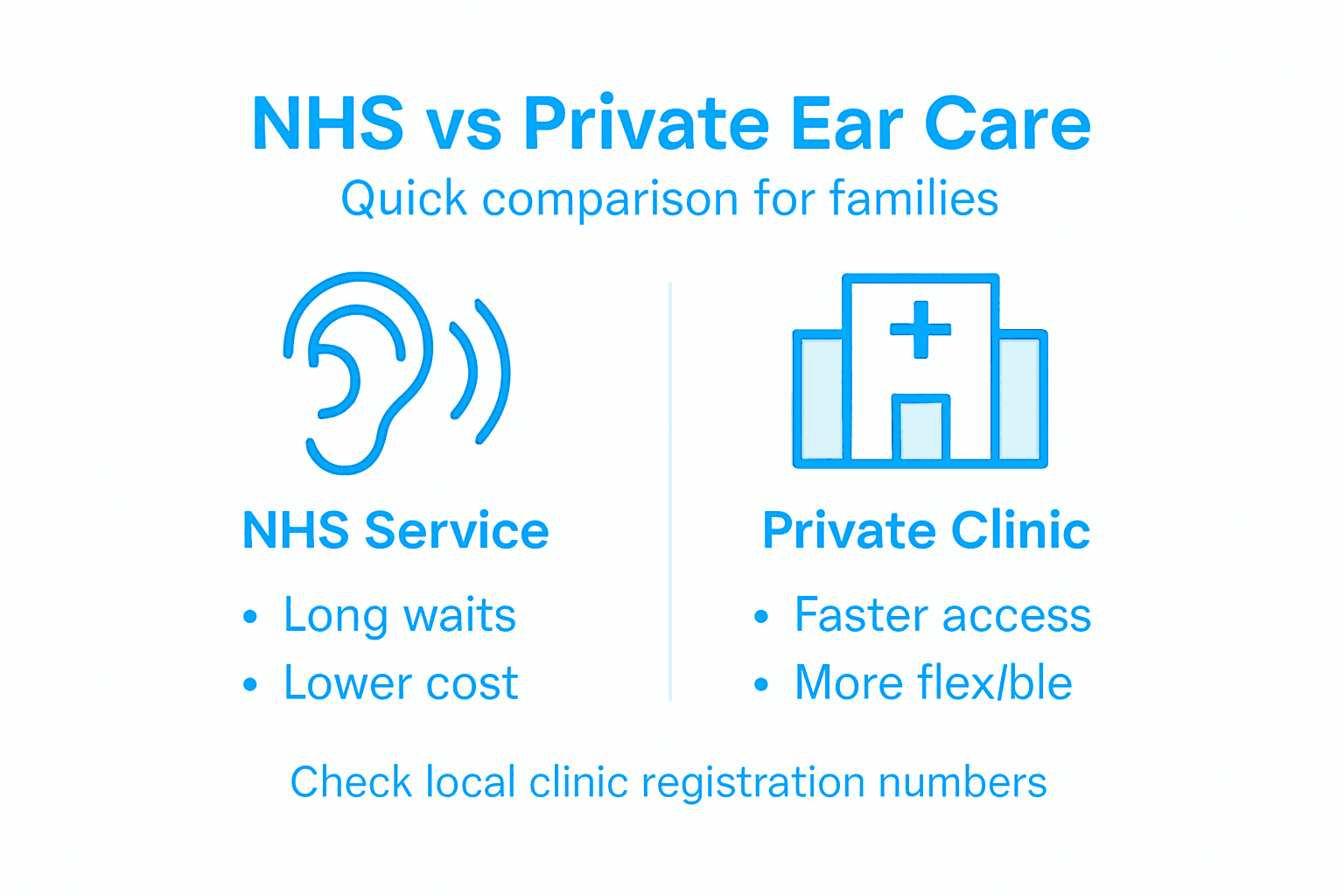
Cost differs significantly. NHS patients choosing private care pay out-of-pocket fees whilst NHS treatment remains free. EARS Clinics charges £60 for adults and £75 for children—a reasonable investment for prompt relief and hearing restoration.
Appointment flexibility favours private providers. NHS appointments follow standard clinic hours. EARS Clinics offers same-day slots and home visits, accommodating anxious children or busy schedules.
Explore major differences between NHS and private ear care options:
Aspect | NHS Service | Private Clinic | Impact for Families |
Waiting time | 8-12 weeks typical | Same-day or next-day | Faster relief for urgent cases |
Cost to patient | Free at point of care | £60-£180, upfront | Clear budgeting required |
Flexibility | Standard hours only | Flexible, home visits | Easier scheduling for parents |
Registration | Automatic via NHS | Patient must book directly | Direct access for families |
Why Families Choose Private Care
Many parents use private ear care when NHS waiting times become untenable. A child experiencing hearing loss cannot wait 12 weeks—it affects school performance, social development, and confidence. Private clinics bridge this gap, delivering urgent care when your child needs it.
Both NHS and private ear care are safe and regulated, but private clinics eliminate waiting lists and offer appointment flexibility that suits family life.
Some families maintain NHS registration whilst using private clinics for urgent issues—both systems can work together.
Pro tip: If your child is experiencing sudden hearing loss or ear discomfort affecting school attendance, book a private appointment immediately rather than waiting for NHS availability—prompt treatment prevents complications and restores hearing faster.
Trust Expert Aural Care Specialists for Safe and Effective Ear Health
If the risk of improper ear wax removal or delays in treatment worries you, finding a regulated professional is essential. EARS Clinics delivers expert ear care with NHS-accredited aural care specialists who follow the highest safety protocols described in the article. Our specialists use advanced techniques like microsuction, irrigation, and manual instrumentation to protect your child’s hearing and wellbeing.
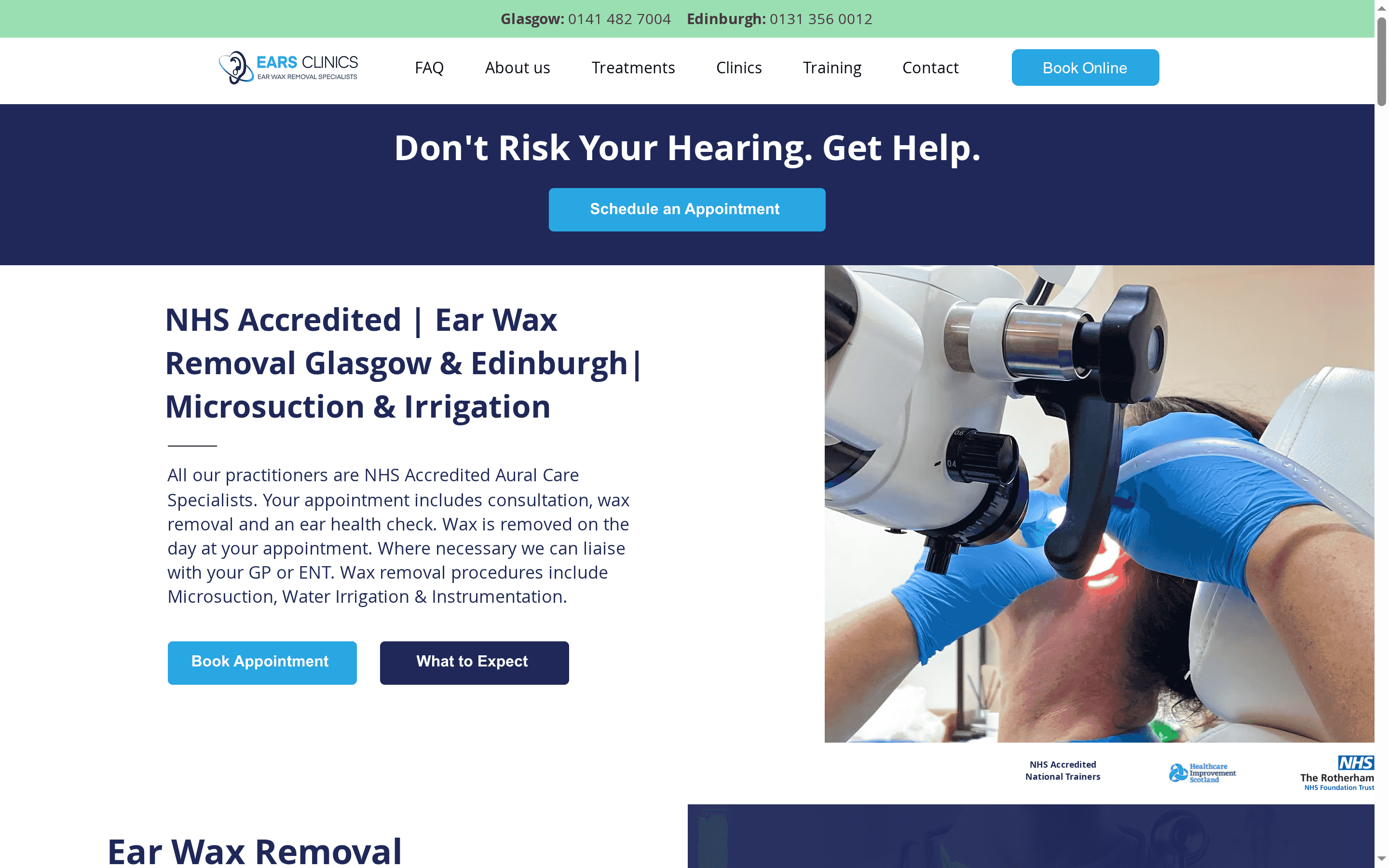
Don’t let long NHS waiting times or unregulated providers put your child’s ear health at risk. With convenient same-day appointments, flexible in-clinic or home visits across Glasgow and Edinburgh, you get prompt, personalised care from trusted professionals. Book your appointment now at EARS Clinics and experience regulated, safe ear wax removal provided by trained specialists who truly understand your family’s needs. Learn more about our approach and services at EARS Clinics Ear Care and take control of your child’s ear health today.
Frequently Asked Questions
What is the role of an aural care specialist?
An aural care specialist is a regulated healthcare professional who assesses and treats ear health conditions, performs ear wax removal, evaluates hearing function, and provides education on ear hygiene and prevention.
How does aural care treatment ensure patient safety?
Aural care specialists follow strict infection control protocols, use sterile equipment, and adhere to safety guidelines to minimise risks such as hearing damage or infection during treatment.
What techniques do aural care specialists use for ear wax removal?
They primarily use microsuction, irrigation, and manual instrumentation, selecting the method based on the patient’s individual needs, wax consistency, and ear canal anatomy to ensure comfort and safety.
Why is it important to choose a regulated aural care specialist?
Choosing a regulated specialist ensures that your child receives care from a qualified professional who follows established protocols, significantly reducing the risk of complications like permanent hearing damage or eardrum perforation.
Recommended