
Is Ear Wax Removal Free on the NHS?

Over 8 million British people now struggle to access timely ear wax removal, facing a complex web of NHS restrictions and long waits. With traditional GP ear wax services reduced, many find themselves in a postcode lottery where eligibility and waiting times vary widely. This guide offers clear answers on how NHS ear wax removal currently works, highlighting crucial facts about who qualifies, expected delays, and why so many British residents are turning to private care.
Key Takeaways
Point | Details |
NHS Services Limited to Medical Need | NHS ear wax removal is available only under specific medical circumstances, leaving many patients without access. |
Long Waiting Times for Treatment | Patients may face waiting times of 4-12 weeks for NHS services, making private clinics a more immediate option. |
Postcode Lottery Issues | Availability of ear wax removal services varies significantly by region, often leaving patients reliant on private options. |
Self-Management Cautions | Patients are encouraged to assess symptoms and consider self-care first, as improper self-management techniques can pose risks. |
NHS Ear Wax Removal Explained Clearly
Navigating ear wax removal through the NHS has become increasingly complex in recent years. Many patients are discovering that traditional GP ear wax services have dramatically changed, with many GP surgeries no longer offering routine ear wax removal.
Currently, the NHS provides ear wax removal services only under specific medical circumstances. Patients with complex ear health histories or existing ear conditions might qualify for free NHS treatment. However, the availability is extremely limited. The National Institute for Health and Care Excellence (NICE) recommends microsuction as the preferred safe removal method, but accessing these services has become challenging.
The stark reality is that approximately 8.1 million people in England now face significant barriers to ear wax removal services. Recent reports indicate a ‘postcode lottery’ where NHS ear wax removal availability varies dramatically across different regions. Patients are increasingly being directed towards private clinics or recommended self-management techniques, which can potentially pose risks if not performed correctly.
Key considerations for NHS ear wax removal include:
Services are typically only available for patients with confirmed medical need
Waiting times can extend up to four weeks
Children under 18 are generally not eligible for NHS ear wax removal
Microsuction is the recommended professional removal technique
For most individuals seeking ear wax removal, private clinics now represent the most reliable and accessible option, offering immediate appointments and comprehensive ear health assessments.
Eligibility and Age Limits for Free NHS Care
Recent NHS guidelines reveal significant complexities in ear wax removal service eligibility, with services now prioritised based on clinical necessity rather than universal availability. Patients experiencing substantial hearing impairment or specific ear-related symptoms may qualify for free NHS treatment, though access remains highly variable.
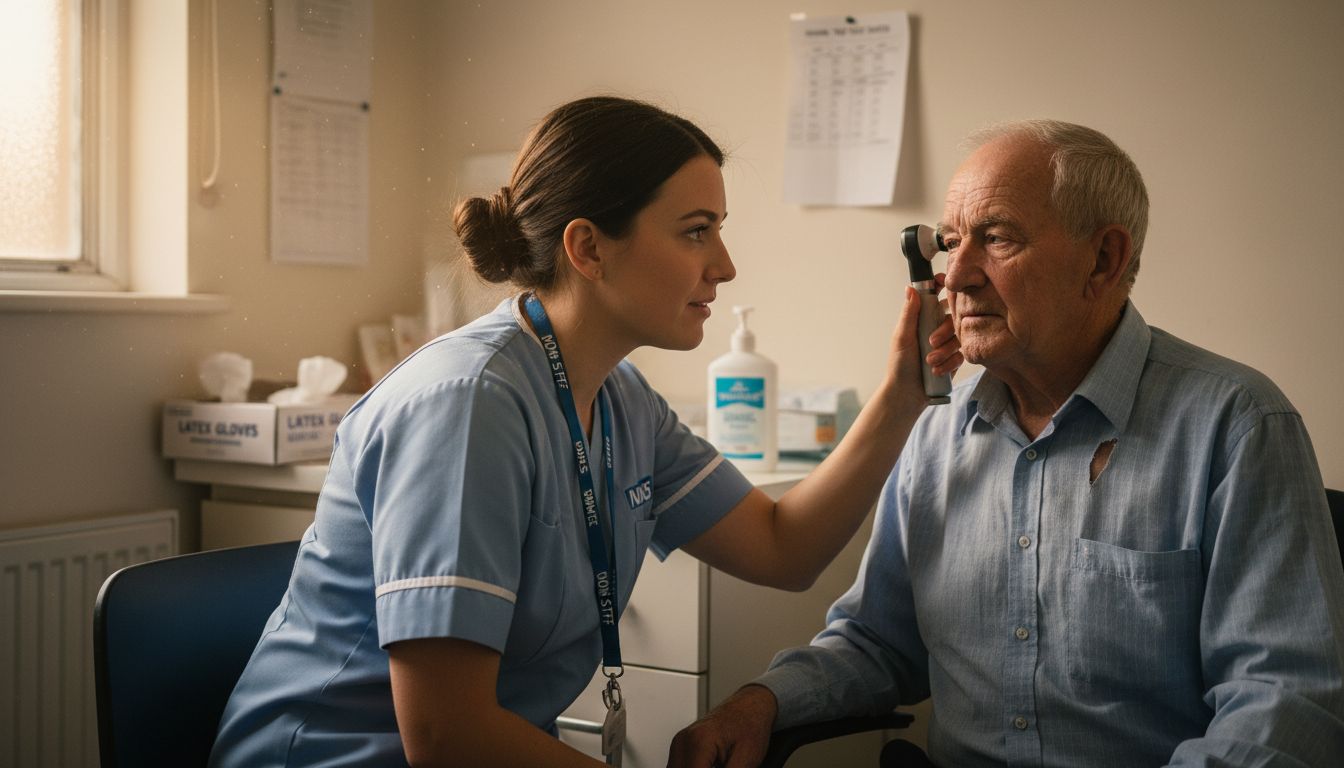
The current landscape of NHS ear wax removal is characterised by what experts describe as a ‘postcode lottery’. Only 43% of NHS Integrated Care Boards offer comprehensive earwax removal services to all adults, with significant regional disparities in service provision. This means that your eligibility can depend entirely on your geographical location and local healthcare policies.
Specific age-related restrictions further complicate NHS ear wax removal services. Generally, the NHS does not provide ear wax removal for children under 18, with most clinics recommending private treatment for younger patients. Adults over 18 may be eligible, but only if they meet strict clinical criteria demonstrating medical necessity.
Key eligibility criteria typically include:
Documented hearing impairment
Evidence of ear canal blockage
Symptoms causing significant discomfort or functional limitations
Referral from a general practitioner
No alternative treatment options
Patients should consult their local GP or NHS Integrated Care Board to understand their specific eligibility, as national guidelines provide limited clarity on comprehensive access to ear wax removal services.
Typical NHS Pathway and Waiting Times
The current NHS pathway for ear wax removal has become increasingly complex and fragmented, with patients typically required to navigate a multi-step process before receiving treatment. The journey begins with a consultation with a general practitioner, who will assess the severity of ear wax accumulation and determine whether specialist referral is necessary.
The cessation of earwax removal services in many GP practices has significantly impacted patient waiting times, creating substantial delays in accessing treatment. Patients can now expect waiting periods ranging from four to twelve weeks, depending on local NHS Integrated Care Board resources and the complexity of their specific ear health condition.
The typical NHS pathway involves several critical stages:
Initial GP consultation and assessment
Potential referral to audiology or ENT specialists
Diagnostic examination to confirm ear wax severity
Determination of treatment eligibility
Scheduling of ear wax removal procedure
Key waiting time considerations include:
Average waiting period: 4-12 weeks
Urgent cases may be prioritised
Referral complexity affects processing time
Regional variations in service availability
Patients are strongly advised to prepare medical documentation, maintain consistent communication with their healthcare providers, and consider private alternatives if NHS waiting times become excessively prolonged.
Private Clinics Versus NHS Services Compared
The landscape of ear wax removal has dramatically shifted, with private clinics increasingly filling the gaps left by reduced NHS services, presenting patients with challenging choices between cost and accessibility. While NHS services remain free, their availability has become increasingly restricted, forcing many individuals to consider private alternatives.
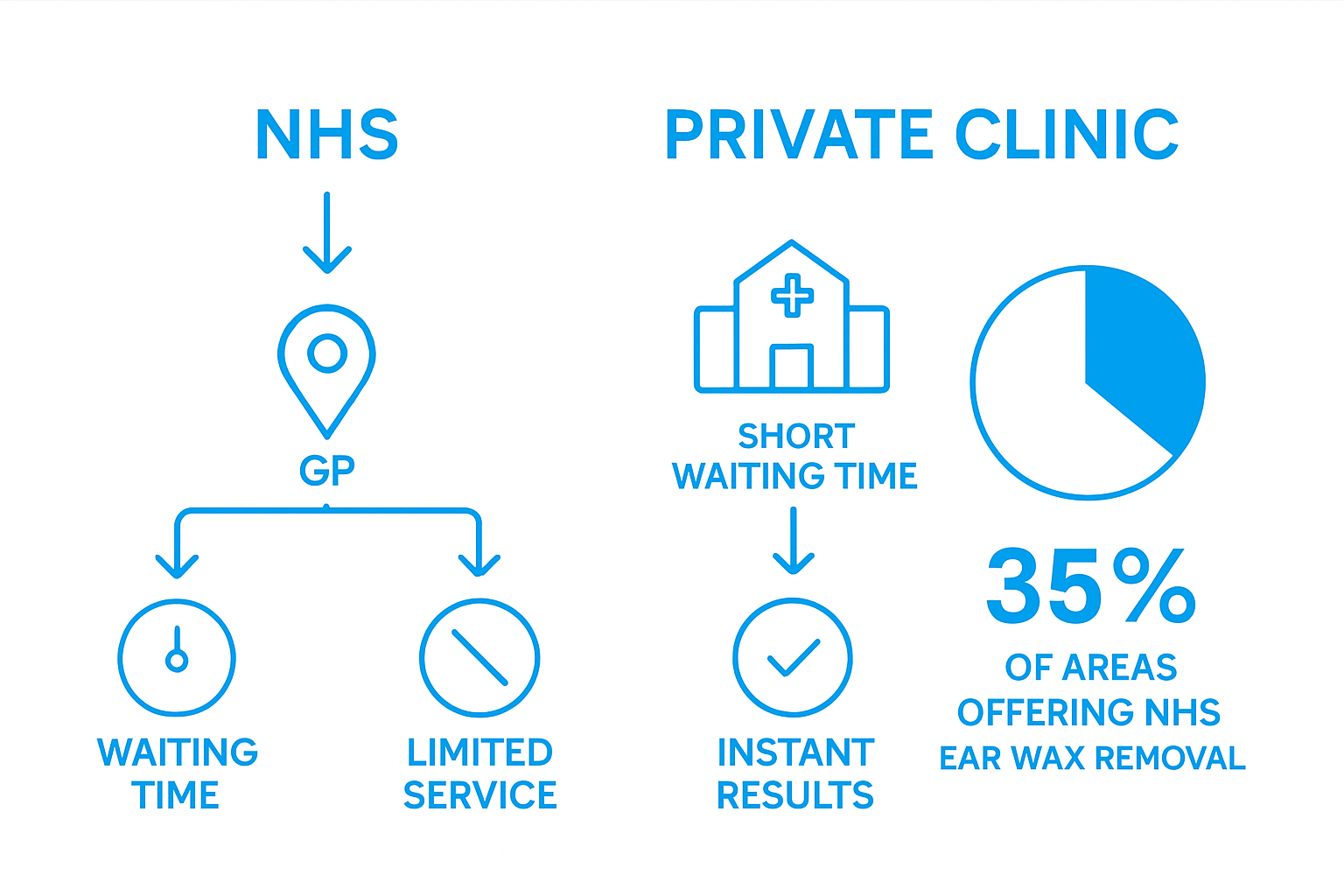
The reduction of NHS ear wax removal services has created significant financial implications for patients seeking prompt treatment. Private clinics typically charge between £50 and £100 per session, offering immediate appointments and specialized techniques that may not be available through NHS pathways.
Key differences between NHS and private ear wax removal services include:
Waiting Times
NHS: 4-12 weeks
Private: Same-day or next-day appointments
Cost
NHS: Free
Private: £50-£100 per session
Treatment Techniques
NHS: Limited options
Private: Multiple advanced techniques
Patients must weigh their immediate health needs against financial constraints, considering factors such as urgency of treatment, personal budget, and specific ear health requirements. While private clinics offer convenience, the NHS remains the most cost-effective option for those able to navigate its increasingly complex service provision.
Choosing the Right Route for Your Needs
Medical practices recommend a structured approach to managing ear wax build-up, beginning with conservative self-care methods before considering professional intervention. The first line of defence involves attempting home treatments and seeking professional guidance only when initial strategies prove ineffective.
Patients should carefully assess their symptoms and consult healthcare professionals to determine the most appropriate ear wax removal pathway. The decision between NHS and private services depends on multiple factors, including symptom severity, financial resources, and individual health circumstances.
Decision-making flowchart for ear wax removal:
Initial self-care techniques
Over-the-counter ear drops
Olive oil treatments
Home irrigation methods
Pharmacist consultation
GP assessment
NHS referral eligibility check
Consider private clinic options
Key considerations when selecting your ear wax removal route:
Severity of symptoms
Waiting times for NHS services
Personal budget
Urgency of treatment
Previous ear health history
Ultimately, patients must balance clinical necessity, financial constraints, and personal convenience when navigating ear wax removal options. Consulting healthcare professionals remains the most reliable method for determining the most suitable treatment pathway.
Struggling With NHS Ear Wax Removal Delays and Eligibility Issues
The article highlights the growing challenges many face when trying to access free ear wax removal through the NHS, including long waiting times, limited eligibility, and regional disparities. If you are experiencing significant hearing discomfort or blockage but find NHS services difficult to access due to strict clinical criteria or lengthy delays, you are not alone. These barriers can cause frustration and impact your quality of life.
At EARS Clinics, we understand the urgency of safe and effective ear wax removal without the hassle of waiting weeks or dealing with complex NHS eligibility rules. Our professionally trained, NHS-accredited Aural Care Specialists offer advanced microsuction, irrigation, and instrumentation techniques that can provide relief swiftly and safely. We serve patients across Glasgow and Edinburgh with options including in-clinic appointments, same-day visits, and convenient home visits for those with complex conditions or young children.
Take control of your ear health today and avoid the postcode lottery and long waits outlined in the article. Visit EARS Clinics now to book a consultation tailored to your needs. Our clear procedures and regulated care offer peace of mind. Act now to receive professional ear wax removal from just £60 with no preconditions or delays.
Frequently Asked Questions
Is ear wax removal free on the NHS?
Ear wax removal is not universally free on the NHS. It is typically only available under specific medical conditions, and patients may need to demonstrate a clinical necessity to qualify for free treatment.
What are the eligibility criteria for NHS ear wax removal?
To be eligible for free NHS ear wax removal, patients usually need to have documented hearing impairment, evidence of ear canal blockage, or significant symptoms causing discomfort. A referral from a general practitioner is often required.
How long is the waiting time for NHS ear wax removal?
Waiting times for NHS ear wax removal can vary widely, typically ranging from four to twelve weeks, depending on local resources and the complexity of the patient’s ear health condition.
What should I do if I am not eligible for NHS ear wax removal?
If you are not eligible for NHS ear wax removal, you may consider visiting a private clinic, which often provides same-day appointments for ear wax removal, although there will be associated costs, usually between £50 and £100 per session.
Recommended