
Free Ear Wax Removal: NHS Services and Private Options
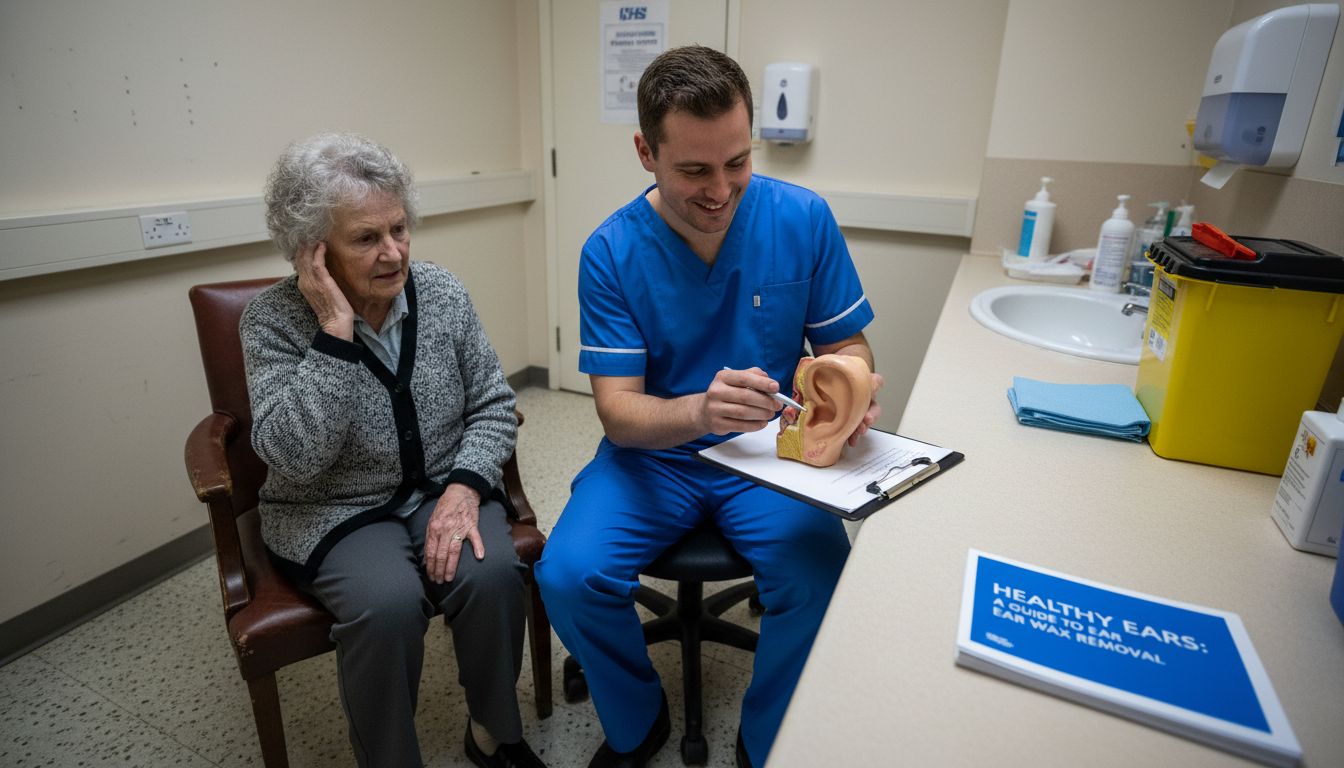
More than 8 million people in England currently find themselves without access to reliable ear wax removal services, sparking concern among British patients seeking safe care. As traditional NHS ear syringing is phased out for safety reasons, understanding modern ear wax removal has never been more important. From new clinical guidelines to the growing role of private clinics, this guide breaks down the essential methods, NHS criteria, and what every British patient should know before choosing a provider.
Key Takeaways
Point | Details |
Ear Wax Removal Methods | Professionals use methods such as microsuction, irrigation, and manual instrumentation to safely remove excess ear wax. Home remedies like ear candling are not recommended due to safety concerns. |
NHS Service Changes | NHS ear wax removal services have become limited, with many GP surgeries discontinuing ear syringing due to safety issues and funding constraints. Patients may need to seek private clinics for immediate treatment. |
Eligibility for Free Treatment | Qualification for free NHS ear wax removal is increasingly restrictive, primarily for those experiencing significant discomfort, hearing loss, or with specific medical conditions. |
Cost and Accessibility | Private clinics offer quicker access to ear wax removal services, with costs ranging from £40 to £95, contrasting with extended waiting times under NHS provisions. |
What Is Ear Wax Removal? Core Methods Explained
Ear wax removal is a professional medical procedure designed to safely eliminate excess cerumen (ear wax) from the ear canal, helping restore optimal hearing and prevent potential complications. Ear wax, a natural protective substance produced by glands inside the ear, sometimes accumulates excessively and requires professional intervention.
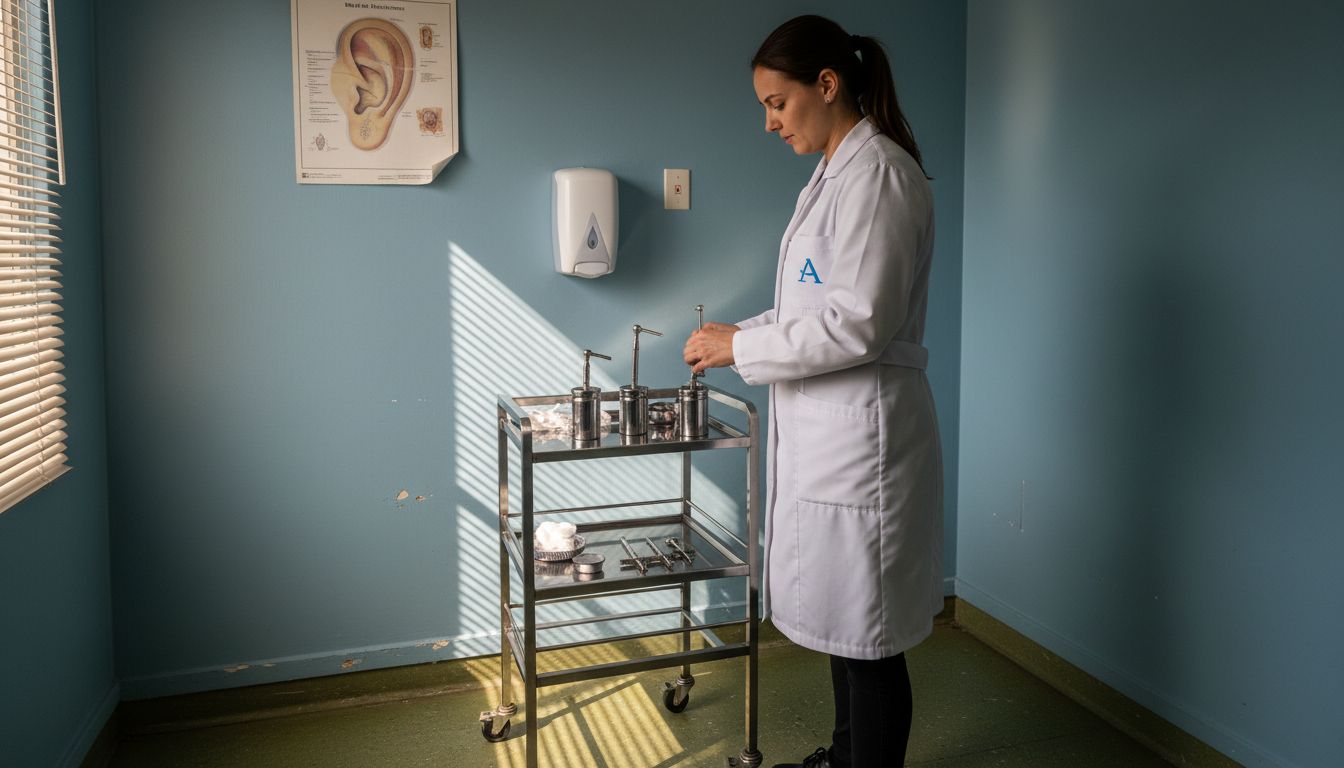
Medical professionals utilise several established techniques for ear wax removal, including microsuction, irrigation, and manual instrumentation. These methods are carefully selected based on individual patient needs and clinical presentation. Some individuals might benefit from cerumenolytic agents, which are specialised solutions that help soften and break down ear wax, facilitating easier removal.
While home remedies and alternative treatments exist, medical professionals strongly advise against practices like ear candling, which can be dangerous and ineffective. The National Health Service (NHS) and regulated private clinics recommend only professional interventions performed by trained healthcare specialists. These professionals assess each patient’s ear health, determine the most appropriate removal technique, and ensure a safe, comfortable procedure.
The primary goal of ear wax removal is to maintain optimal ear health, prevent hearing difficulties, and address symptoms such as ear fullness, reduced hearing, tinnitus, or discomfort. By choosing professional services like Is Ear Wax Removal Safe? What You Need to Know, patients can ensure a safe and effective approach to managing ear wax build-up.
NHS Ear Syringing: Availability and Criteria
The landscape of ear wax removal services within the National Health Service has undergone significant changes in recent years. Many GP surgeries have discontinued ear syringing services due to safety concerns, funding constraints, and evolving medical recommendations. This shift has created considerable challenges for patients seeking convenient and affordable ear wax removal.
Currently, NHS policies regarding ear wax removal vary across different regions. Some healthcare regions have already implemented complete changes to ear wax removal services, with plans to transition away from traditional syringing techniques. The primary reasons for these changes include reducing potential risks associated with ear syringing and promoting safer alternative methods such as microsuction and manual instrumentation.
Patients seeking NHS ear wax removal must now navigate a more complex healthcare landscape. Most NHS trusts now recommend initial self-care strategies, such as using olive oil drops to soften ear wax, before seeking professional intervention. When professional treatment is required, patients are typically referred to specialised ear care clinics or audiology departments that offer safer, more advanced removal techniques. Why GP Surgeries No Longer Provide Ear Syringing provides comprehensive insights into these systemic changes.
To access ear wax removal services, patients usually need to meet specific criteria. These often include demonstrating significant ear wax build-up causing hearing impairment, experiencing discomfort, or having wax that cannot be safely managed through home treatments. Each NHS region may have slightly different referral protocols, so patients are advised to consult their local healthcare provider or GP to understand the precise requirements and available options for professional ear wax removal.
Who Qualifies for Free Treatment on the NHS?
Significant changes in NHS ear wax removal services have dramatically reduced free treatment options, creating a challenging landscape for patients seeking ear care. By January 2023, approximately 66% of individuals were informed that ear wax removal services were no longer freely available through their local GP practices, forcing many to explore alternative healthcare routes.
Qualification for free NHS ear wax removal is now increasingly restrictive and varies considerably across different healthcare regions. Patients most likely to receive free treatment typically fall into specific clinical categories, including:
Individuals with confirmed hearing loss directly attributed to ear wax build-up
Patients with underlying medical conditions affecting ear health
Those experiencing significant discomfort or pain from ear wax impaction
Individuals with complex ear anatomy or previous ear surgeries
Patients referred by an ENT specialist or audiologist
Research indicates that approximately 8.1 million people in England currently lack access to NHS-provided ear wax removal services, effectively creating a postcode lottery where treatment availability depends entirely on geographical location. This inconsistency means patients must proactively communicate with their local GP surgery or NHS trust to understand their specific eligibility criteria.
Patients unable to qualify for free NHS treatment are increasingly turning to private clinics, which offer more consistent and immediate ear wax removal services. While these private options involve out-of-pocket expenses, they provide a reliable alternative for those unable to access NHS ear care. NHS Ear Wax Removal Explained offers additional guidance for patients navigating these complex healthcare pathways.
Safety Updates: Why Syringing Is Being Phased Out
Recent healthcare guidance has highlighted significant safety concerns surrounding traditional ear syringing techniques. The procedure, once a standard approach for ear wax removal, is now being systematically phased out across NHS practices due to potential risks of ear canal damage, infection, and complications that can compromise patient safety.
The primary reasons for discontinuing ear syringing include:
High risk of introducing bacterial infections
Potential for causing structural damage to the ear canal
Inconsistent effectiveness in complete wax removal
Limited suitability for patients with complex ear conditions
Potential for creating additional hearing complications
National healthcare providers are transitioning towards safer, more precise ear wax removal methods, such as microsuction and manual instrumentation. These advanced techniques offer more controlled, gentle approaches that minimise patient discomfort and reduce the likelihood of potential complications. Professional ear care specialists can now perform detailed assessments and select the most appropriate removal method based on individual patient requirements.
Patients experiencing ear wax build-up are now encouraged to consult healthcare professionals who can provide personalised advice and recommend the most suitable contemporary ear wax removal techniques. Understanding these safety updates helps patients make informed decisions about their ear health and appreciate the ongoing improvements in medical care standards.
Private Clinics Versus NHS: Waiting Times and Costs
The landscape of ear wax removal services in the UK reveals significant differences between private clinics and NHS offerings, with cost and accessibility being the primary distinguishing factors. While NHS services have become increasingly limited, private clinics have emerged as a viable alternative for patients seeking prompt and professional ear care.
Cost comparisons between private and NHS services highlight the financial considerations patients must navigate:
Private ear wax removal typically ranges from £40 to £95 per session
NHS services are technically free but often involve extended waiting periods
Private clinics offer immediate appointments with specialist practitioners
Some private providers offer flexible booking options, including same-day consultations
NHS availability varies dramatically across different healthcare regions
Waiting times represent another crucial factor in decision-making. NHS ear wax removal services have experienced significant reductions in availability, with many patients facing weeks or even months of delay. Private clinics, by contrast, can often provide treatment within days, offering a more immediate solution for those experiencing significant discomfort or hearing impairment.

Ultimately, patients must weigh the trade-offs between cost, convenience, and accessibility. How Much Does Ear Wax Removal Cost in the UK? provides additional insights for those navigating this complex healthcare landscape. While private options require out-of-pocket expenses, they frequently provide a more responsive and personalised approach to ear health management.
Get Safe, Professional Ear Wax Removal with EARS Clinics Today
Navigating the challenges of reduced NHS ear wax removal availability can be frustrating and worrying, especially when symptoms like hearing loss, discomfort, or blockages severely impact your daily life. Many people now face waiting lists or restrictive NHS criteria that delay effective care. At EARS Clinics, we understand these pain points and offer a trustworthy, NHS-accredited private alternative using advanced techniques such as microsuction, irrigation, and manual instrumentation performed by trained specialists.
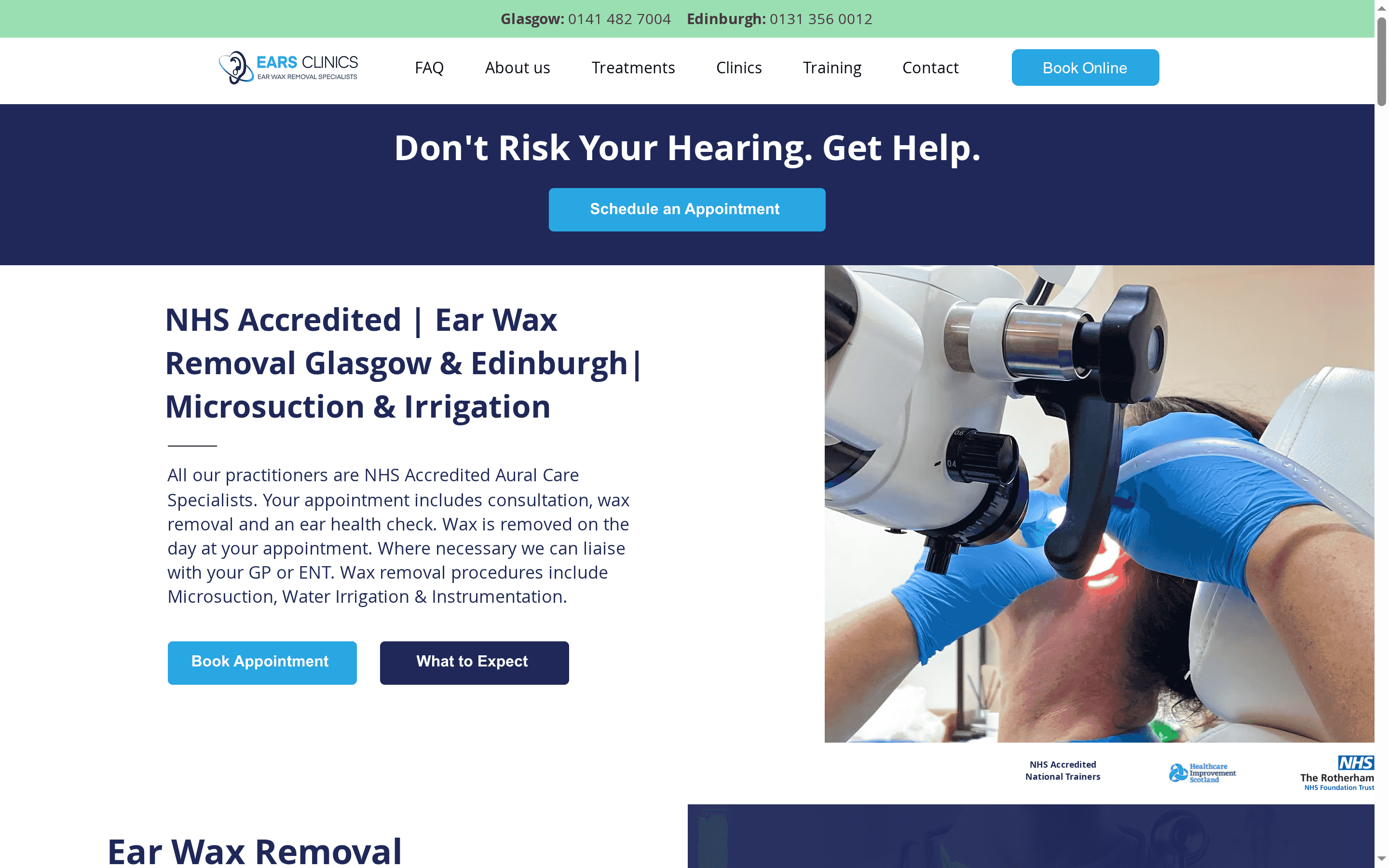
Experience the peace of mind that comes from expert ear health services tailored to your unique needs. Whether you require immediate relief or ongoing care for complex conditions, EARS Clinics provide quick, convenient bookings and options including same-day appointments and home visits across Glasgow and Edinburgh. Don’t wait weeks in discomfort when professional, regulated ear wax removal is just a click away. Visit EARS Clinics now to learn more about our safe procedures and secure your appointment. For additional insights on costs and NHS service changes, explore our detailed resources such as How Much Does Ear Wax Removal Cost in the UK? and NHS Ear Wax Removal Explained.
Frequently Asked Questions
What are the criteria for free ear wax removal on the NHS?
Qualification for free NHS ear wax removal is now increasingly restrictive. Patients most likely to receive free treatment typically include those with confirmed hearing loss caused by ear wax build-up, significant discomfort or pain from impaction, and individuals referred by an ENT specialist or audiologist.
Why is ear syringing being phased out by NHS services?
Ear syringing is being phased out due to significant safety concerns, including the risk of bacterial infections, potential damage to the ear canal, and inconsistent effectiveness in removing wax. Safer methods such as microsuction and manual instrumentation are now preferred.
What are private options for ear wax removal, and how do they compare to NHS services?
Private clinics offer ear wax removal services at a cost ranging from £40 to £95 per session, with immediate appointments available. In contrast, NHS services may be free but often come with longer waiting times, sometimes extending to weeks or even months.
Can ear wax build-up affect hearing, and what symptoms should I look for?
Yes, excessive ear wax can lead to hearing difficulties, a sensation of fullness in the ear, discomfort, or even tinnitus. If you experience these symptoms, it may be necessary to seek professional ear wax removal services.
Recommended