
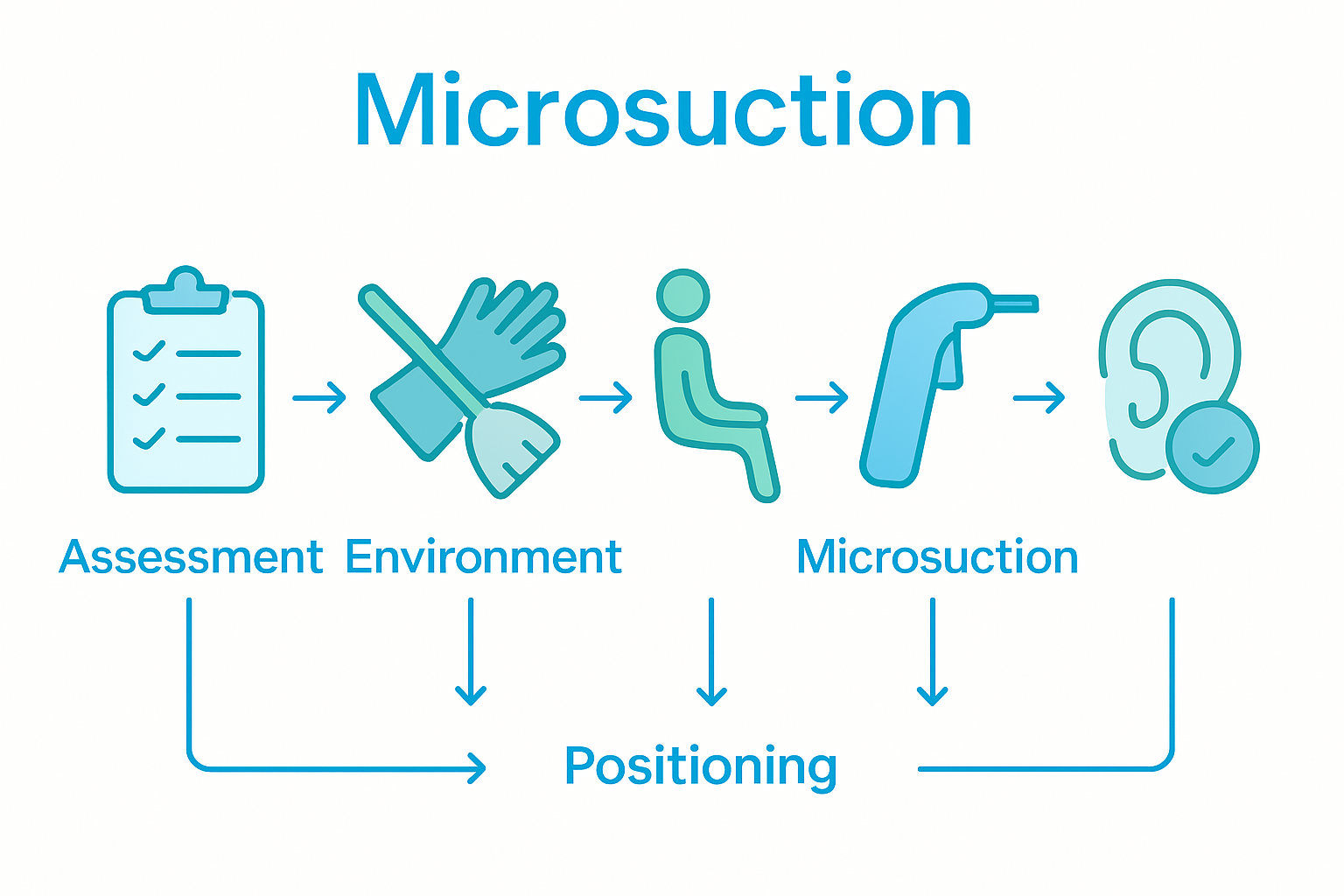
Microsuction Procedure Workflow for Safe Ear Wax Removal
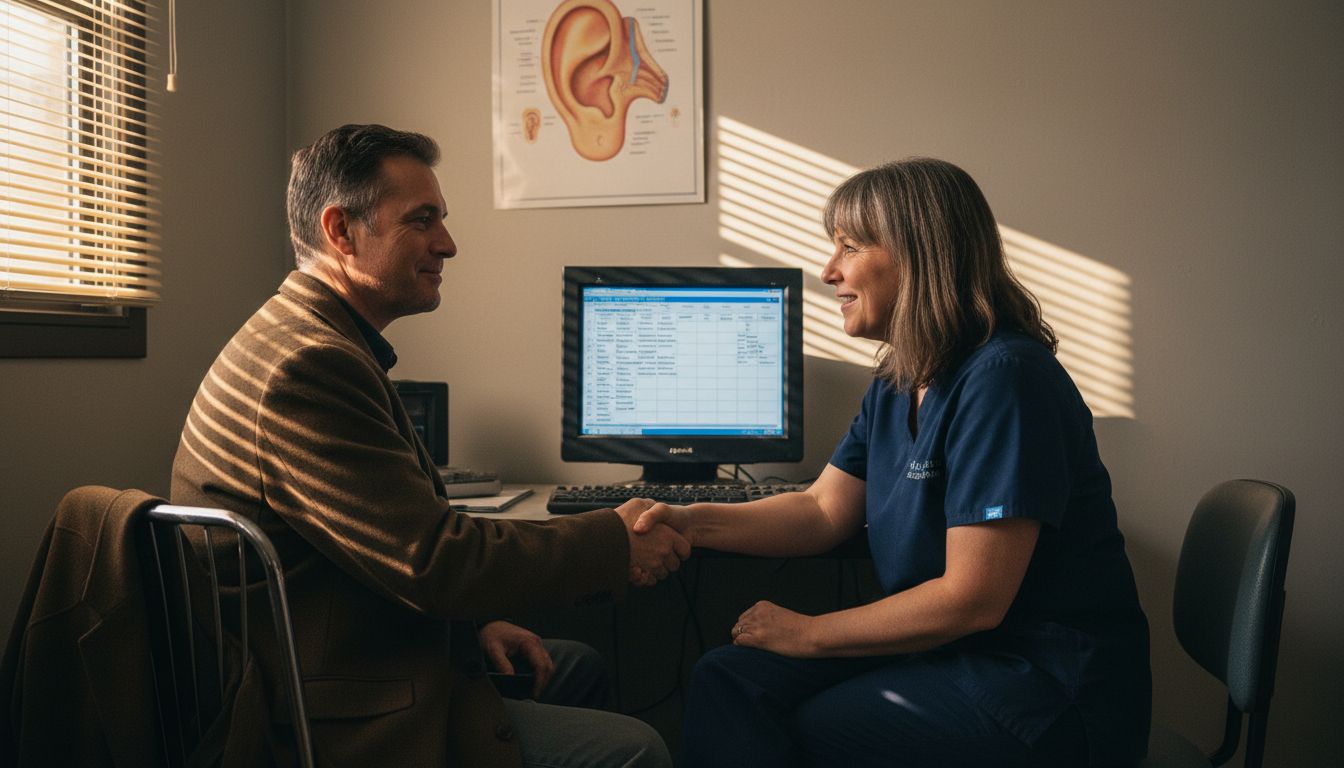
Over 2.3 million people in the british population seek help for ear wax removal each year, highlighting just how common and disruptive this issue can be. Safe and effective treatment requires more than a quick procedure—every stage, from initial assessment to aftercare, plays a vital role in protecting ear health and comfort. Discover a step by step approach that puts patient safety and clinical precision at the forefront of british ear care.
Quick Summary
Essential Insight | Explanation |
1. Thorough patient assessment is vital | Evaluate patients’ medical history and symptoms before microsuction to ensure safety and suitability for the procedure. |
2. Ensure a sterile clinical environment | Prepare personal protective equipment and organise microsuction tools methodically to prevent cross-contamination and enhance procedural effectiveness. |
3. Proper patient positioning crucial | Position the patient comfortably with optimal ear visibility, which aids in improving safety and reducing anxiety during the procedure. |
4. Gentle and precise microsuction technique | Use direct visual guidance during microsuction to carefully remove ear wax, communicating consistently with the patient to ensure their comfort. |
5. Comprehensive aftercare instructions essential | Provide detailed aftercare guidance to patients, emphasising the importance of monitoring ear health and avoiding harmful practices. |
Stage 1: Assess patient and discuss symptoms
The initial assessment is a critical foundation for safe and effective ear wax removal. Before proceeding with any microsuction procedure, you will carefully evaluate the patient’s medical history, current ear condition, and specific symptoms that have prompted their visit.
Begin by creating a comfortable and open environment where patients feel encouraged to share detailed information about their ear health. You will conduct a thorough consultation, asking specific questions about ear infection history, previous surgeries, and current symptoms. This involves understanding key details such as the duration of ear discomfort, presence of pain, hearing changes, or any recent ear-related medical interventions. Pay close attention to any potential contraindications that might make microsuction unsuitable or require alternative approaches.
One crucial aspect of this assessment involves examining the patient’s ear canal visually to determine wax consistency, location, and potential complications. Be prepared to ask about underlying conditions like eczema, previous ear drum perforations, or ongoing treatments that might impact the wax removal procedure. Your goal is not just to remove ear wax but to ensure the safest possible approach tailored to each individual’s unique ear health profile.
Should your initial assessment reveal any complex medical history or potential risks, you may need to consult with a senior clinician or recommend alternative treatment methods. This careful preliminary evaluation sets the stage for a safe and successful ear wax removal process.
Stage 2: Prepare clinical environment and equipment
Preparing the clinical environment is a meticulous process that ensures patient safety and procedure effectiveness. You will systematically set up a clean, organised workspace that meets professional healthcare standards and minimises potential risks during ear wax removal.
Begin by carefully preparing personal protective equipment and ensuring a sterile clinical environment. This involves donning appropriate protective gear including disposable gloves, safety glasses, and a surgical mask to prevent cross contamination. Arrange your microsuction equipment methodically on a clean, designated tray including the microsuction device, speculum attachments of various sizes, suction tips, and emergency intervention tools. Ensure all equipment is sterilised, functioning correctly, and within easy reach.
Position your clinical workspace to provide optimal lighting and a clear, unobstructed view of the patient’s ear canal. Have emergency medical equipment readily accessible in case of unexpected complications. Double check that your suction device is calibrated to the correct pressure settings and that all attachments are clean and properly fitted. A well-prepared environment demonstrates professionalism and significantly reduces procedural risks.
Your thorough preparation now sets the stage for a safe and efficient ear wax removal process, ensuring patient comfort and clinical excellence.
Stage 3: Position patient for optimal access
Positioning the patient correctly is a crucial step that directly impacts the safety and effectiveness of ear wax removal. You will carefully guide the patient into a position that provides clear visibility and comfortable access to the ear canal.
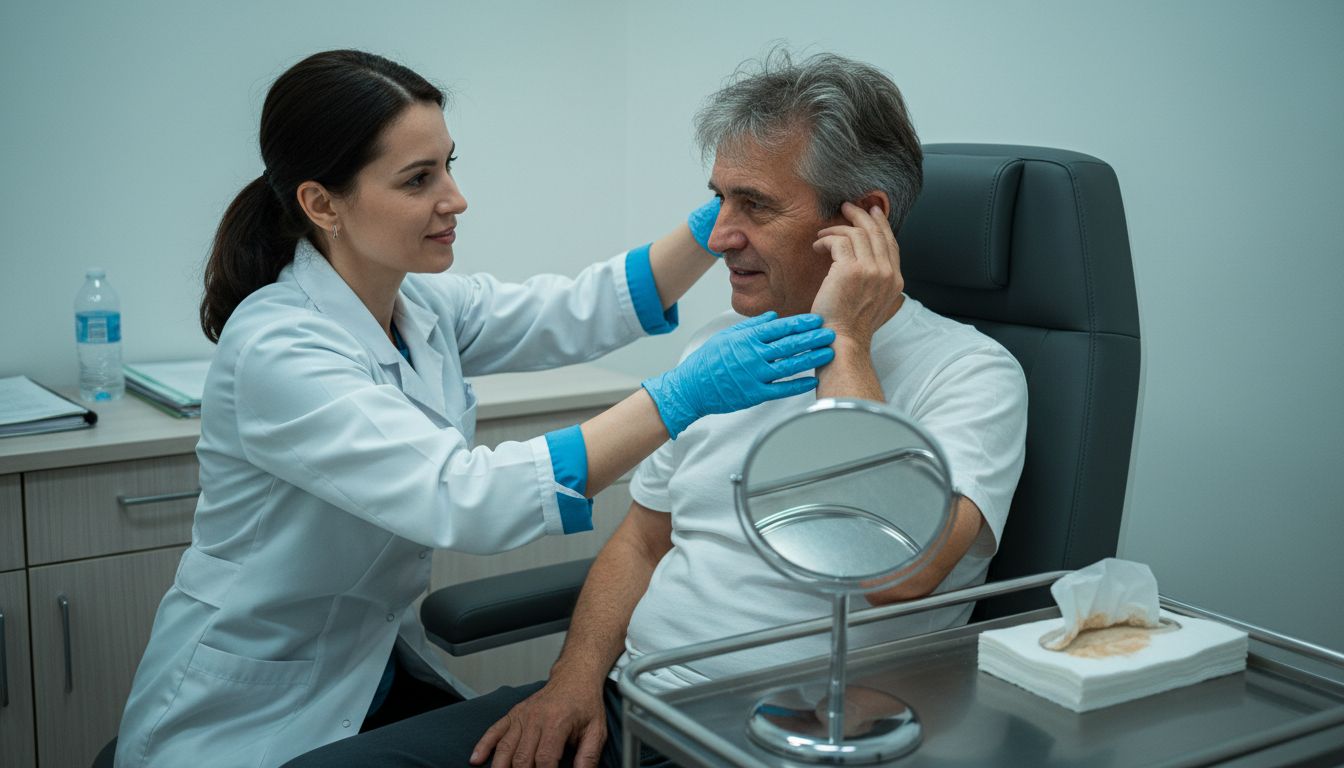
Patient positioning requires strategic arrangement to ensure both comfort and clinical precision. Begin by inviting the patient to sit in a supportive chair with a backrest, ensuring they can maintain a stable position throughout the procedure. Tilt the patient’s head slightly to the side, creating an optimal angle for ear canal examination and microsuction. For individuals with limited mobility or specific medical conditions, you may need to adjust the positioning more carefully to maintain their comfort and safety.
Carefully support the patient’s head if needed, using a gentle approach that helps them feel secure and relaxed. Ensure the examination area has adequate lighting and that you can maintain a clear, unobstructed view of the ear canal. Communicate with the patient throughout the positioning process, explaining each movement and checking their comfort level. A well positioned patient not only facilitates a more effective procedure but also helps reduce anxiety and promote a sense of trust in the clinical process.
With the patient now carefully positioned, you are ready to proceed to the next stage of the ear wax removal procedure with confidence and precision.
Stage 4: Perform microsuction technique safely
Microsuction is a precise ear wax removal technique that requires meticulous skill and professional expertise. You will carefully navigate the delicate process of removing ear wax while ensuring patient comfort and minimising potential risks.
Using a microscope for direct visual guidance, gently insert the small suction probe into the ear canal. Move slowly and maintain constant visual contact, carefully extracting wax and debris with controlled, gentle suction. Clinical studies demonstrate that this procedure is well tolerated by patients, with mild and temporary side effects. Select an appropriately sized speculum attachment to ensure a comfortable and secure fit, minimising potential discomfort or trauma to the ear canal.
Pay close attention to the patient’s reactions throughout the procedure, watching for signs of discomfort or distress. Communicate consistently, explaining each step and checking their wellbeing. Monitor the suction pressure carefully, maintaining a gentle yet effective technique that removes wax efficiently without causing unnecessary strain. By combining visual precision with a compassionate approach, you will successfully complete the microsuction procedure, helping the patient achieve improved ear health and hearing clarity.
With the ear wax carefully and safely removed, you are now ready to conduct a final assessment and prepare for patient discharge.
Stage 5: Verify results and provide aftercare guidance
The final stage of the microsuction procedure involves carefully confirming the effectiveness of the ear wax removal and ensuring the patient understands how to maintain their ear health moving forward. You will conduct a thorough post-procedure assessment and provide comprehensive aftercare instructions.
Re-examine the ear canal using the microscope to verify complete and accurate wax removal. Check for any remaining debris or potential areas of concern, ensuring the ear canal is clean and healthy. Discuss the procedure outcomes with the patient, explaining what was removed and addressing any immediate questions or observations about their hearing or ear sensation.
Prepare detailed aftercare guidance for the patient. Emphasise the importance of avoiding inserting any objects into the ear canal and monitoring for potential signs of infection or discomfort. Recommend gentle cleaning practices and advise when they should seek further medical attention if they experience unusual symptoms. Provide written instructions they can reference at home, reinforcing the verbal guidance and supporting their ongoing ear health.
With the procedure complete and aftercare instructions shared, you have successfully supported the patient through a safe and effective ear wax removal process.
Expert Microsuction Ear Wax Removal Made Simple and Safe
Struggling with ear wax buildup or worried about the safety of removal methods described in the microsuction procedure workflow Our expert team at EARS Clinics specialises in NHS-accredited ear wax removal using advanced microsuction techniques tailored to your unique ear health. We understand the importance of thorough assessment preparation and patient positioning to ensure safe treatment just like the detailed stages explained in the microsuction workflow.
Choose EARS Clinics for your ear wax removal and benefit from professional care by trained Aural Care Specialists in Glasgow and Edinburgh. With shorter waiting times no pre-treatment preconditions and flexible booking options including same-day appointments and home visits you can quickly regain clear hearing and comfort. Book your appointment now at https://earhealthservice.co.uk and experience safe effective ear wax removal today.
Frequently Asked Questions
What is the purpose of an initial assessment before microsuction?
The initial assessment is crucial for ensuring safe ear wax removal. Conduct a thorough evaluation of the patient’s medical history and ear condition to determine if microsuction is appropriate.
How do I prepare the clinical environment for microsuction?
Prepare a clean and organised workspace by setting up your microsuction equipment and ensuring all personal protective equipment is in place. Make sure your environment meets healthcare standards to minimise risks during the procedure.
How should I position the patient for optimal access during the procedure?
Position the patient in a supportive chair, tilting their head slightly to the side to enhance visibility of the ear canal. This positioning helps ensure comfort and clinical precision throughout the microsuction process.
What techniques should I use during the microsuction procedure?
Use a microscope for direct visual guidance and insert the suction probe gently into the ear canal, ensuring to apply controlled suction. Monitor the patient’s reactions throughout to maintain their comfort and security during the procedure.
How can I verify the results after completing the microsuction?
Re-examine the ear canal using the microscope to confirm complete wax removal. Discuss the outcome with the patient to address any immediate concerns about their hearing or ear health.
What aftercare guidance should I provide following the microsuction?
Provide comprehensive aftercare instructions, emphasising the importance of not inserting objects into the ear canal. Recommend monitoring for signs of infection and suggest gentle cleaning practices to maintain ear health.
Recommended