
Microsuction ear wax removal: safe and effective guide

Ear wax build-up affects thousands of adults and children across Scotland each year, causing discomfort, hearing loss, and frustration. When symptoms persist despite home care, microsuction ear wax removal offers a safe, effective solution performed by trained specialists. This guide walks you through understanding ear wax problems, preparing for treatment, what to expect during microsuction, and how to care for your ears afterwards. Whether you’re seeking relief for yourself or your child, you’ll learn when professional intervention is needed and how to access regulated care.
Key takeaways
Point | Details |
Microsuction safety | This method is safe and well-tolerated when performed by trained professionals using specialised equipment. |
Self-care first | Olive oil drops applied daily for up to two weeks can soften wax before seeking professional removal. |
Referral timing | Microsuction is typically a last resort after self-management and irrigation attempts have failed. |
Protective role | Ear wax naturally protects ears, but excessive build-up causes pain, hearing loss, and other symptoms. |
Avoid DIY methods | Cotton buds and ear candles risk serious damage and should never be used for wax removal. |
Understanding ear wax and common build-up causes
Ear wax plays an important role in protecting your ears by trapping dust, bacteria, and other unwanted particles. This natural substance, called cerumen, typically migrates outward on its own, keeping your ear canals clean without intervention. Problems arise when this self-cleaning process fails, leading to uncomfortable blockages that affect hearing and wellbeing.
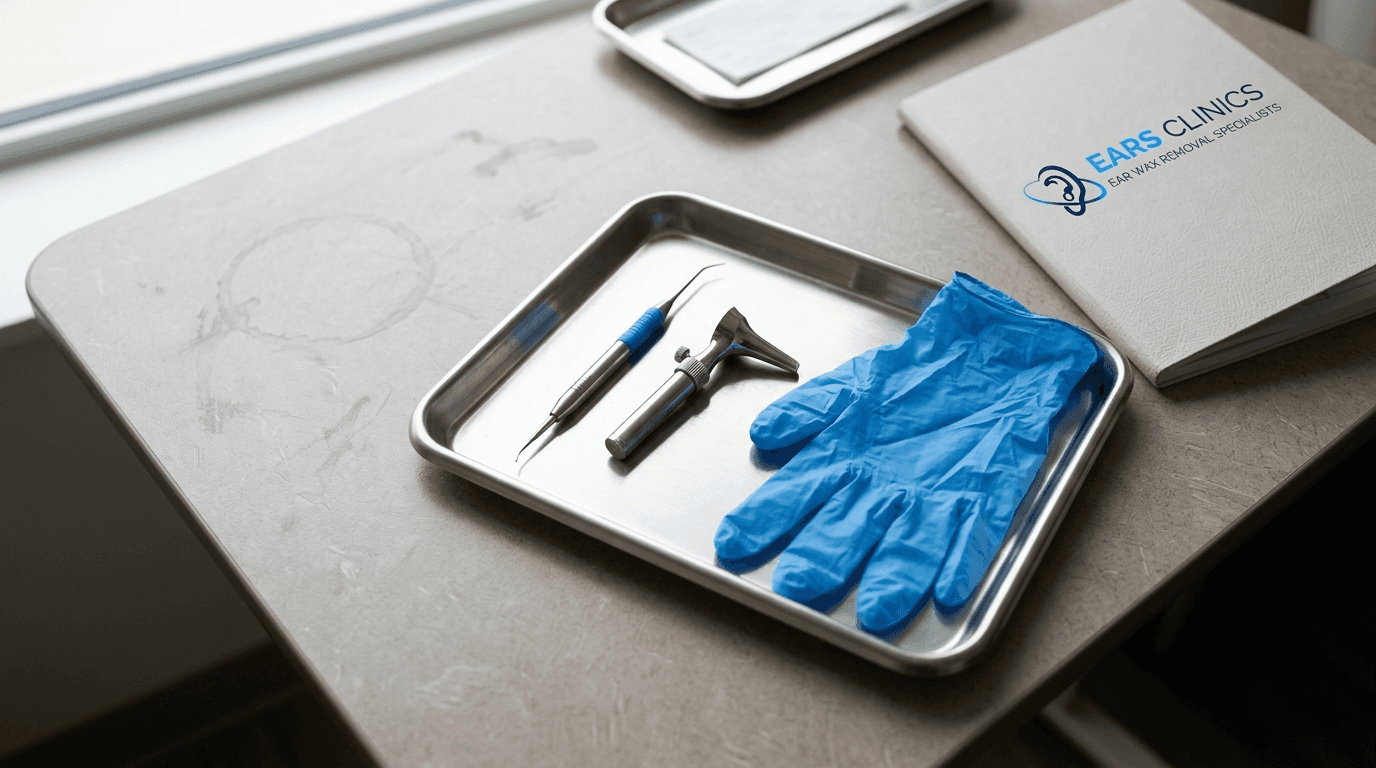
Common causes of ear wax build-up include ageing, skin conditions, narrow ear canals, wearing hearing aids or earplugs regularly, and using cotton buds. As you age, ear wax becomes drier and harder, making natural migration difficult. Narrow canals provide less space for wax to move, whilst hearing aids can push wax deeper into the canal. Cotton buds, despite their popularity, compress wax against the eardrum rather than removing it, worsening blockages over time.
Recognising symptoms early helps you take appropriate action. Watch for these common signs:
Hearing loss or muffled sounds
Earache or discomfort
Dizziness or balance issues
Tinnitus or ringing in the ears
Itching or irritation
Feeling of fullness in the ear
Unusual discharge or odour
Understanding these ear facts empowers you to distinguish between normal wax production and problematic build-up. If you experience multiple symptoms persisting beyond a few days, professional assessment becomes necessary. Attempting DIY removal with cotton buds, hairpins, or ear candles risks perforating your eardrum, pushing wax deeper, or causing infections that require medical treatment.
Preparing for microsuction ear wax removal
Before considering microsuction, healthcare professionals recommend starting with self-management. First line treatment involves olive oil applied for two weeks to soften wax. Place two to three drops of room-temperature olive oil in the affected ear twice daily, lying on your side for five minutes to allow penetration. This simple approach often resolves minor blockages without professional intervention.
If self-care fails after two weeks, ear irrigation may be attempted unless medical contraindications exist. Irrigation uses warm water to flush softened wax from the canal. However, certain conditions make irrigation unsuitable, including recent ear surgery, perforated eardrums, active infections, or previous irrigation complications. Your GP or practice nurse will assess whether irrigation is safe for your situation.
Referral for microsuction should be considered as a last resort after self-management and ear irrigation unless contraindicated. This stepped approach ensures you receive the least invasive treatment necessary whilst reserving specialist services for cases requiring expert care. Microsuction becomes the preferred option when irrigation is unsafe or previous attempts have failed to clear the blockage.
Pro Tip: Keep a symptom diary noting when discomfort started, which ear is affected, and any hearing changes. This information helps practitioners assess your situation quickly and tailor treatment accordingly.
Preparing for your microsuction appointment involves several practical steps:
Continue olive oil drops until your appointment unless advised otherwise
List all medications and medical conditions affecting your ears
Note previous ear problems, surgeries, or perforations
Bring hearing aids if you wear them for assessment
Arrange transport if you experience severe dizziness
Understanding NHS versus private ear treatment options helps you make informed decisions about care. Whilst NHS services traditionally provided free ear wax removal, access has become increasingly limited, with many areas no longer offering routine removal. Private clinics fill this gap, providing timely appointments without lengthy waits. The microsuction procedure workflow at regulated clinics ensures consistent, safe treatment by trained specialists.
Microsuction procedure: what to expect step-by-step
Microsuction is a safe and effective method for ear wax removal, particularly when performed by trained professionals. The procedure uses a gentle suction device combined with a microscope or loupe magnification, allowing practitioners to see clearly whilst removing wax with precision. This visibility makes microsuction safer than blind irrigation methods, especially for patients with complex ear anatomy or previous complications.
Here’s what happens during your microsuction appointment:
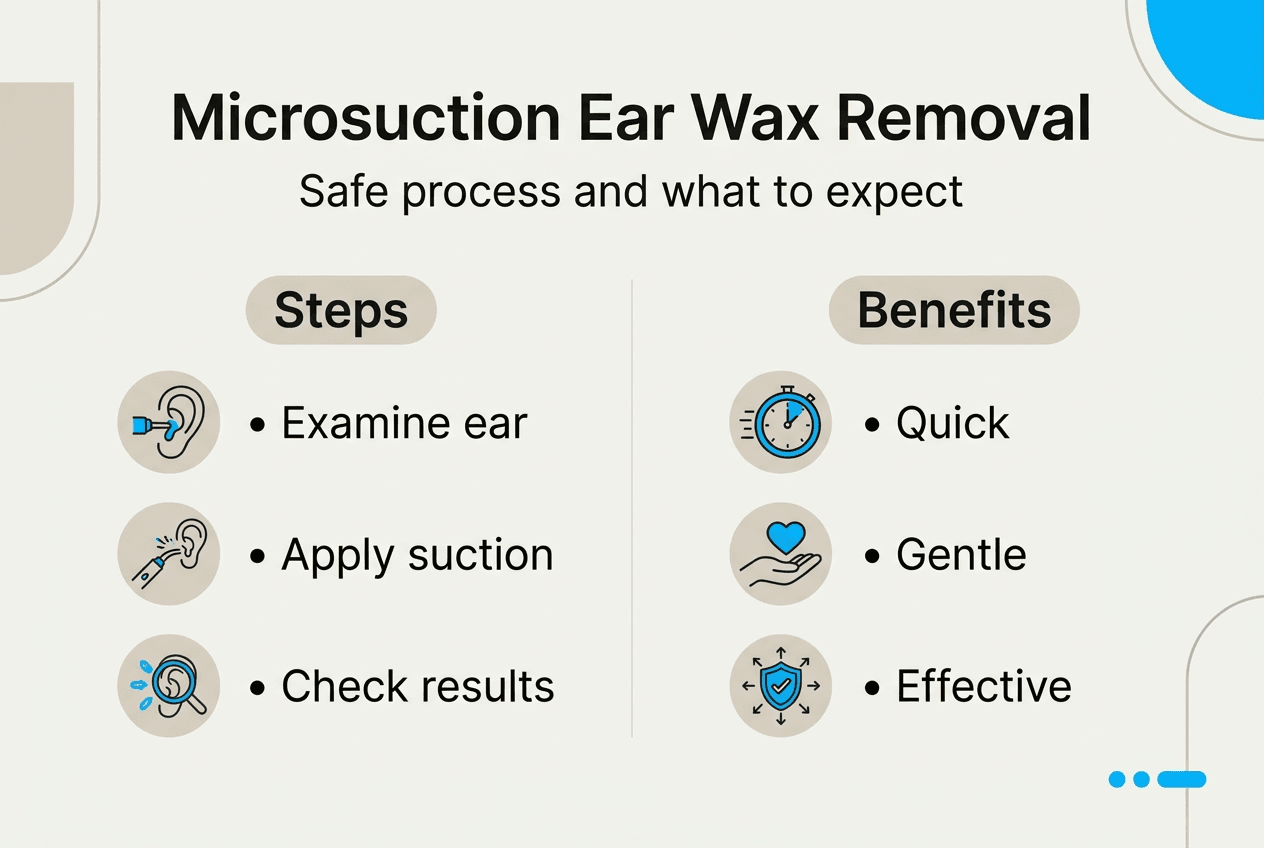
Initial examination using an otoscope to assess wax location and ear canal health
Positioning comfortably in a reclined chair with your head tilted slightly
Insertion of a speculum to hold the ear canal open for clear visualisation
Gentle suction applied using a fine sterile tip to remove wax sections
Periodic pauses to check progress and ensure your comfort throughout
Final inspection to confirm complete wax removal and ear canal health
The procedure typically lasts 10 to 20 minutes depending on wax amount and ear anatomy. Single ears with moderate wax may take just 10 minutes, whilst bilateral blockages with hard, impacted wax require longer. Your practitioner adjusts suction pressure and technique based on wax consistency and your comfort level, ensuring a controlled, safe process.
Most patients find the microsuction process well-tolerated with minimal discomfort. You’ll hear a gentle suction sound, similar to a vacuum cleaner but quieter. Some people experience brief tickling sensations or mild pressure, but pain is rare. If you feel discomfort at any point, inform your practitioner immediately so they can adjust technique or take a short break.
Pro Tip: Bring a companion if you feel anxious about medical procedures. Having someone familiar nearby often reduces stress and makes the experience more comfortable, especially for first-time patients.
Procedure Aspect | Details | Duration |
Initial examination | Otoscope assessment of both ears | 2-3 minutes |
Wax removal | Gentle suction with microscope guidance | 5-15 minutes |
Final check | Verification of complete clearance | 1-2 minutes |
Total appointment | Including consultation and aftercare advice | 15-25 minutes |
Recovery is quick with immediate hearing improvement in many cases. You can resume normal activities straight after treatment, though some practitioners recommend avoiding swimming for 24 hours to prevent infection. Understanding what microsuction involves beforehand reduces anxiety and helps you feel confident about choosing this treatment option.
Aftercare and recognising when to seek further help
After microsuction, your ears need minimal special care. Ear wax has antimicrobial properties that help protect the ear canal, so avoiding over-cleaning is important. Your ears will naturally produce new wax to maintain this protective barrier. Resist the urge to clean aggressively with cotton buds or other implements that risk damage.
Mild discomfort or itching may occur briefly after microsuction but should resolve quickly. This temporary sensation results from the ear canal adjusting after wax removal. You might also notice slightly increased sensitivity to sound for a few hours as your hearing returns to normal. These effects are expected and indicate successful treatment.
Watch for signs requiring medical attention:
Persistent pain lasting beyond 24 hours
Bleeding or discharge from the ear canal
Sudden hearing loss or worsening symptoms
Fever or signs of infection
Severe dizziness affecting balance
If any of these occur, contact your practitioner or GP promptly. Whilst complications from professional microsuction are rare, early intervention prevents minor issues from escalating. Most patients experience none of these problems, enjoying immediate relief and improved hearing.
Safe ear care practices maintain long-term ear health:
Never insert cotton buds, hairpins, or other objects into ear canals
Use olive oil drops sparingly only when symptoms suggest build-up
Dry ears gently after swimming or bathing with a towel
Avoid ear candles, which lack evidence and risk burns
Schedule regular hearing checks if you wear hearing aids
Treatment Option | Best For | Safety Profile | Availability |
Self-care with olive oil | Mild wax build-up, prevention | Very safe, minimal risks | Immediate, over-the-counter |
Ear irrigation | Moderate blockages, no contraindications | Safe when performed correctly | Limited NHS, available privately |
Microsuction | Impacted wax, contraindications to irrigation | Safest professional method | Private clinics, some NHS |
Understanding NHS ear wax removal policies helps you navigate changing service availability. Many Scottish health boards no longer provide routine ear wax removal, directing patients to self-care or private options. This shift makes knowing when to seek professional help more important than ever.
Discover professional microsuction services tailored for you
When self-care isn’t enough, professional microsuction offers quick, safe relief from persistent ear wax issues. EARS Clinics provides NHS-accredited services across Scotland, including convenient locations in Clydebank and Edinburgh. Our experienced specialists use the latest microsuction equipment to ensure comfortable, effective treatment for adults and children from age two.
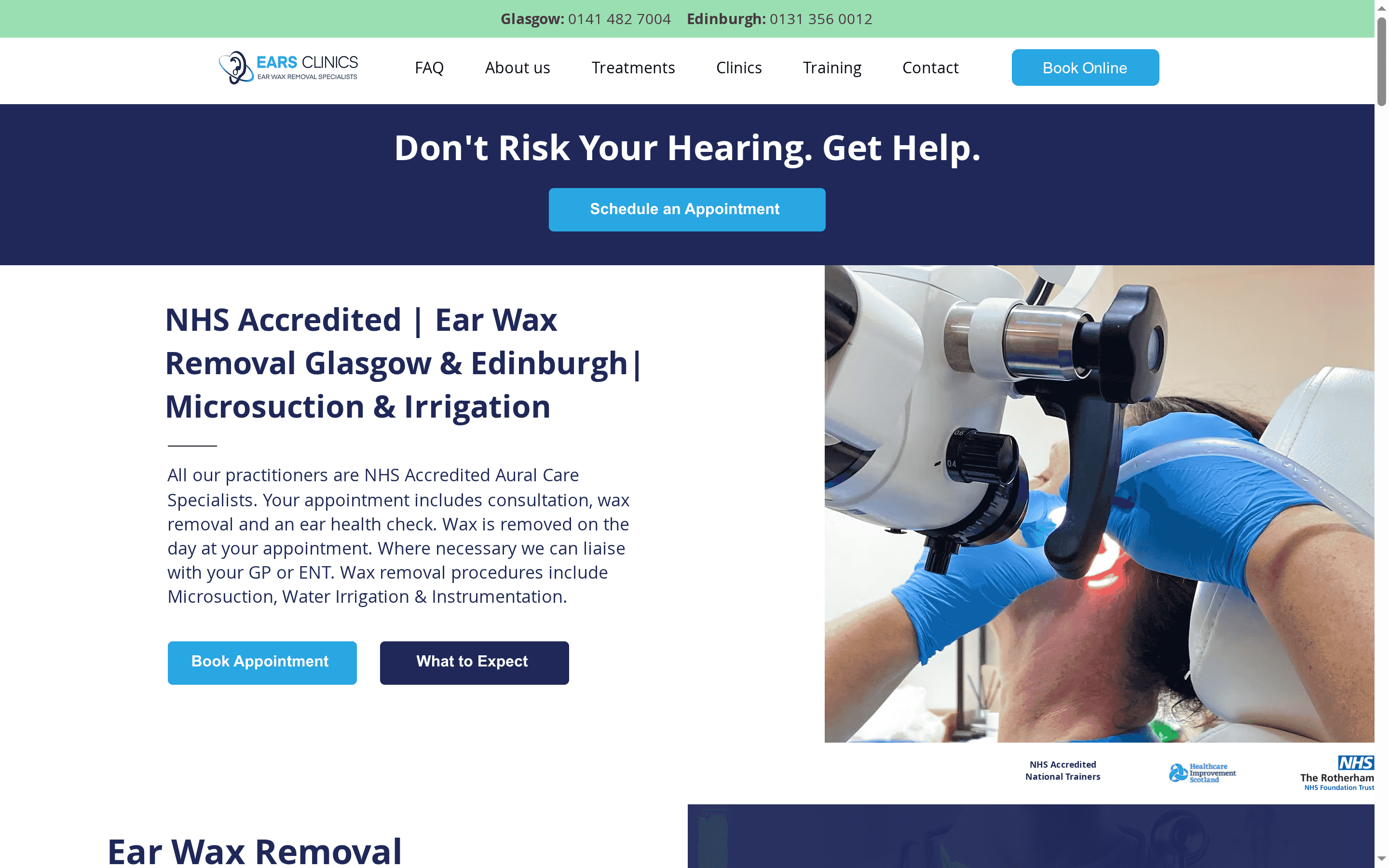
Explore different ear wax removal types to understand which approach suits your needs best. We offer same-day appointments and home visits for patients with mobility concerns, eliminating the lengthy waits often associated with NHS ear wax removal. Professional care reduces risks linked to DIY methods whilst providing immediate symptom relief. Our Healthcare Improvement Scotland registration ensures you receive the highest standards of regulated ear healthcare.
How safe is microsuction ear wax removal?
Microsuction is very safe when performed by trained professionals using specialised equipment. The procedure’s direct visualisation allows practitioners to see exactly what they’re doing, minimising risks of eardrum perforation or canal damage. Studies show high success rates with minimal complications compared to irrigation or manual removal methods.
Most patients tolerate the procedure well with little discomfort. The gentle suction creates a distinctive sound but rarely causes pain. Practitioners adjust pressure and technique based on individual anatomy and wax consistency, ensuring a controlled, comfortable experience. Serious adverse events are extremely rare when treatment follows proper protocols.
Professional microsuction has a high success rate in fully clearing ear wax blockages. Research indicates over 90% of patients achieve complete wax removal in a single session. The remaining cases typically involve extremely impacted wax requiring a second appointment after further softening. Understanding microsuction safety helps you feel confident choosing this evidence-based treatment.
Can I perform microsuction ear wax removal myself at home?
DIY microsuction risks serious ear damage due to lack of specialist skills and equipment. The procedure requires medical-grade suction devices, magnification, and training to perform safely. Home suction devices lack the precision and control necessary to avoid injuring delicate ear canal skin or perforating the eardrum.
Safer home options include olive oil drops and gentle ear bulb irrigation from pharmacists. These methods soften and flush wax without the risks associated with attempting professional techniques at home. Always follow product instructions carefully and stop immediately if you experience pain or discomfort.
Seek professional care if symptoms persist or worsen after self-care attempts. Delaying appropriate treatment can lead to impacted wax, infections, or hearing damage requiring more extensive intervention. Understanding free NHS ear wax removal limitations helps you access timely private care when necessary.
What changes to NHS ear wax removal services should I expect in 2026?
By 2026, many NHS-funded ear wax removal services will be significantly reduced, compelling patients to seek private care options or manage ear health independently. Scottish health boards have progressively withdrawn routine ear wax removal from primary care, classifying it as a minor ailment suitable for self-management. This policy shift affects millions, particularly elderly patients and those with complex needs.
Patients are encouraged to manage minor issues with self-care and consider private clinics for persistent problems. NHS guidance now emphasises olive oil drops as first-line treatment, with professional intervention reserved for cases involving hearing loss, pain, or medical complications. This approach aims to focus NHS resources on urgent clinical needs whilst empowering patients to address simple blockages independently.
Professional microsuction clinics remain a safe, accredited alternative to NHS delays. Private providers like EARS Clinics offer immediate appointments without referral requirements, ensuring timely treatment when you need it. Awareness of these 2026 NHS ear wax removal changes helps you plan appropriate, timely ear care without frustrating waits or worsening symptoms.
Recommended