
Importance of Safe Ear Cleaning—Protecting Child Hearing
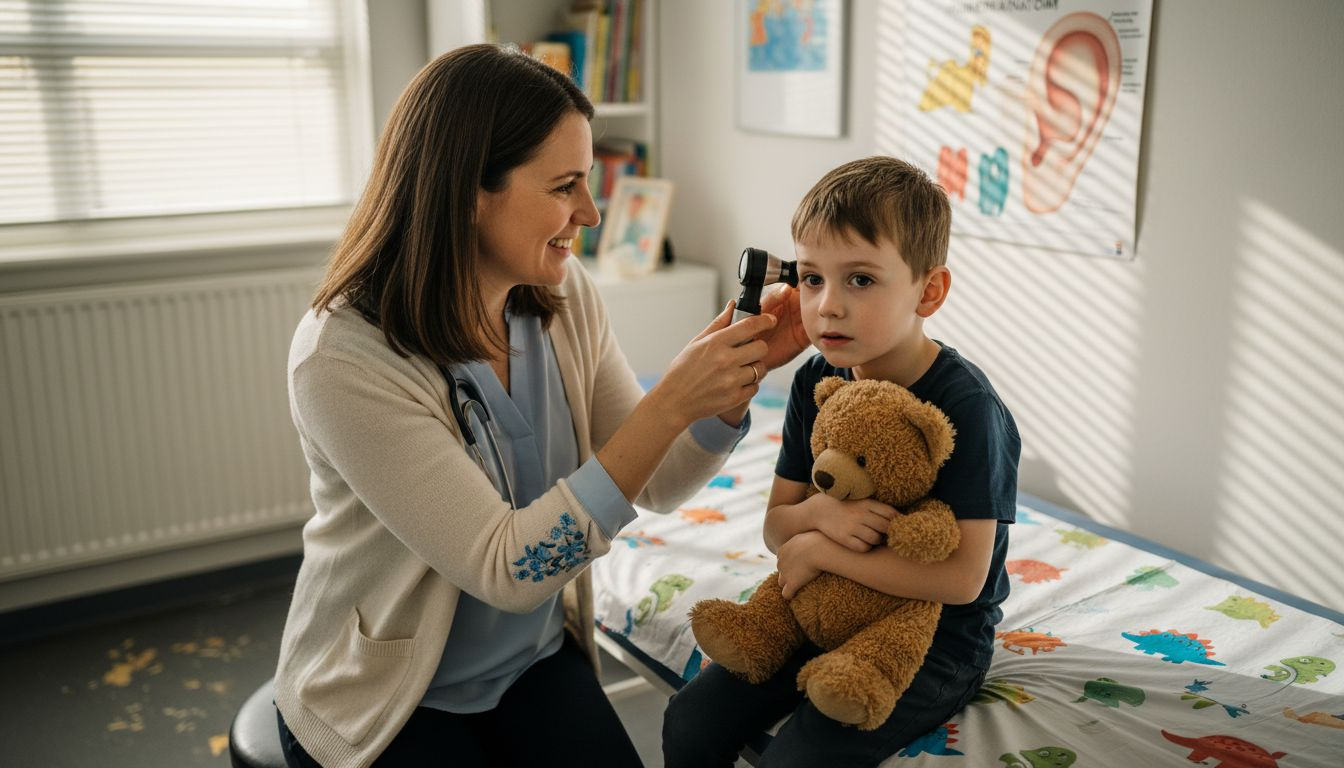
Every british parent knows the frustration of seeing a child struggle with itchy ears or muffled hearing. In Glasgow and Edinburgh, ear wax buildup is a common cause of discomfort, with studies showing that over 30 percent of children experience ear wax issues before age 12. Addressing this safely is vital, as improper cleaning can lead to infections or hearing problems. Discover what every british family needs to know about safe and professional ear wax removal for children.
Key Takeaways
Point | Details |
Ear Cleaning Practices | Aggressive ear cleaning can harm ear health; ears are self-cleaning and earwax serves a protective role. |
Symptoms of Wax Build-Up | Parents should monitor for signs of earwax accumulation in children, such as ear rubbing and hearing difficulties. |
Professional Care Advantages | Professional ear cleaning is safer and more effective, using sterile techniques to avoid complications. |
Consult Healthcare Professionals | Always seek professional advice before attempting ear cleaning, especially for children or when discomfort occurs. |
Safe Ear Cleaning—Definition and Myths
Ear cleaning is a delicate process that requires understanding and caution. Many parents mistakenly believe aggressive cleaning improves ear health, but scientific research demonstrates the opposite. Earwax serves a crucial protective function that helps maintain optimal ear health and prevents infections.

Contrary to popular belief, ears are self-cleaning organs with a remarkable natural mechanism for maintaining hygiene. The human ear canal produces cerumen (earwax) which naturally traps dust, debris, and microorganisms, preventing them from entering deeper ear structures. Attempting to remove this protective substance can cause more harm than good, potentially leading to impacted wax, infections, or even hearing damage.
Common myths about ear cleaning persist, often driven by misconceptions about hygiene. Cotton buds, despite their widespread use, are particularly dangerous. Improper cleaning techniques can push wax deeper into the ear canal, creating blockages and increasing the risk of injury. Healthcare professionals recommend gentle external cleaning and professional assessment when wax accumulation becomes problematic.
Pro tip: Always consult a qualified healthcare professional before attempting any ear cleaning procedure, especially for children.
Recognising Wax Build-Up Symptoms in Children
Parents and caregivers play a critical role in identifying potential ear health issues in children. Recognising early signs of earwax buildup can help prevent complications and ensure timely professional intervention. Children often cannot articulate their discomfort, making it essential to understand the subtle indicators of excessive earwax accumulation.
Typical symptoms of ear wax buildup in children include persistent ear rubbing, complaints of ear pressure, and noticeable changes in hearing perception. Hearing difficulties might manifest as children asking for increased television volume or seeming less responsive to verbal communications. Physical signs such as ear itchiness, mild discomfort, and visible wax in the ear canal should prompt parents to seek professional assessment.
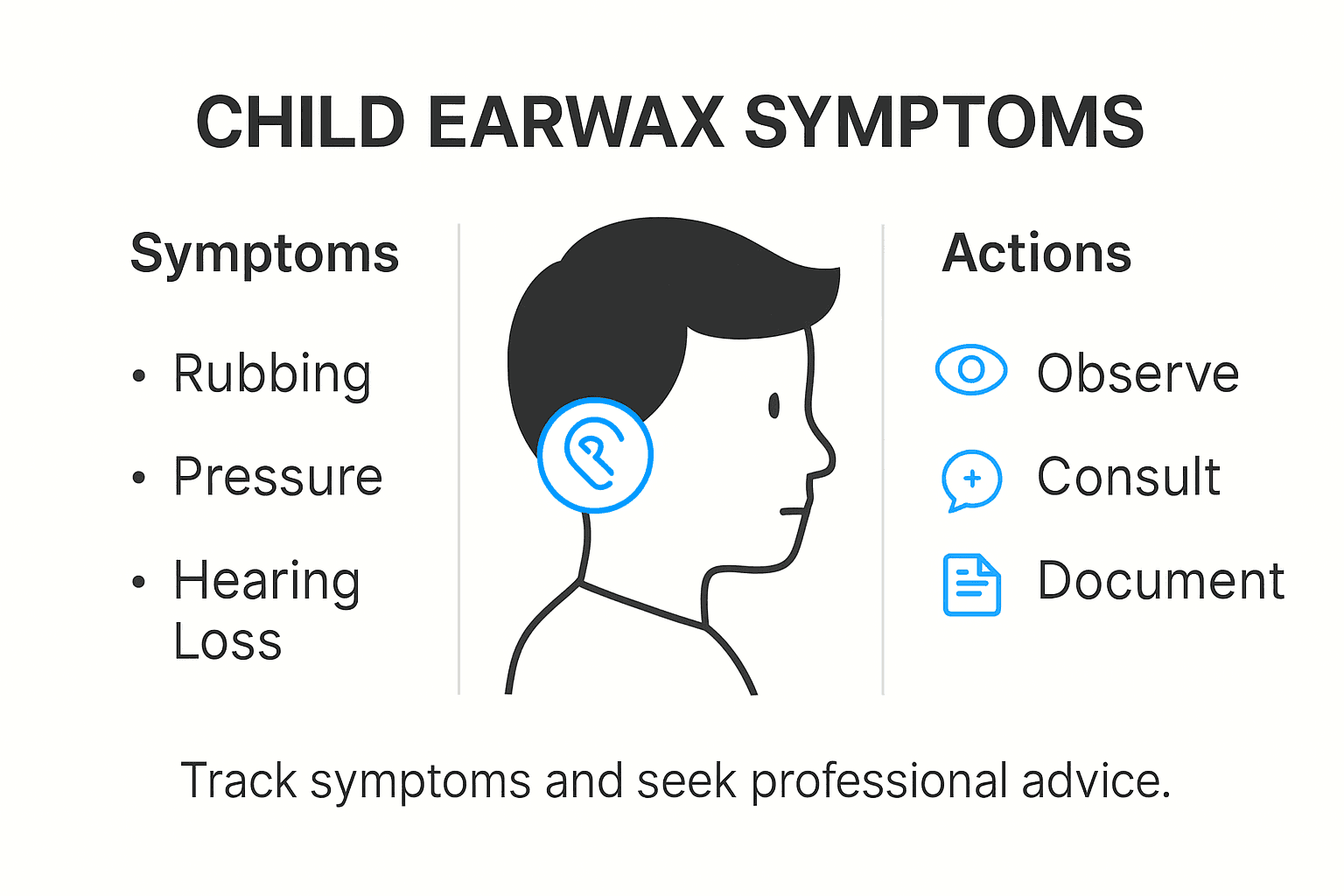
Certain children are more susceptible to wax impaction due to factors like anatomical ear structure, frequent use of hearing aids, or recurring ear infections. Additional warning signs include unexplained ear pain, a feeling of fullness in the ear, and occasional ringing sounds. Professional paediatric ear care specialists recommend monitoring these symptoms and avoiding home remedies that might cause further complications.
For quick reference, here are common earwax build-up symptoms and suggested response actions for parents:
Symptom | Common Indicator | Recommended Parent Action |
Persistent ear rubbing | Discomfort or irritation | Observe and consult GP if persistent |
Decreased response to sounds | Hearing difficulty | Book hearing assessment |
Ear fullness or ringing | Wax impaction | Seek professional evaluation |
Visible wax in canal | Excess accumulation | Avoid at-home removal, ask specialist |
Pro tip: Keep a symptom diary documenting your child’s ear-related behaviours to help healthcare professionals make accurate assessments.
NHS-Approved Ear Cleaning Techniques
NHS guidelines for ear cleaning provide comprehensive and safe approaches to managing ear health for children and adults. Professional recommendations emphasise gentle, non-invasive techniques that protect the delicate ear canal while effectively managing earwax accumulation. Understanding these approved methods is crucial for preventing potential hearing damage and unnecessary medical interventions.
The primary NHS-recommended home technique involves using olive oil drops to soften and disperse earwax naturally. Parents can carefully apply a few drops of pharmaceutical-grade olive oil into the ear canal, which helps loosen and facilitate the natural migration of wax. This method is particularly effective when performed under professional guidance and should not be considered a substitute for medical assessment if symptoms persist or worsen.
Professional ear cleaning techniques approved by the NHS include microsuction, irrigation, and manual instrumentation, each selected based on individual patient needs and clinical presentation. These procedures are performed by trained healthcare professionals who can safely remove earwax without risking damage to the sensitive ear structures. Critically, the NHS strongly advises against using cotton buds or any foreign objects that might push wax deeper or cause potential injury to the ear canal.
Pro tip: Always consult a healthcare professional before attempting any ear cleaning procedure, and never insert objects directly into the ear canal.
Risks and Complications of Unsafe Ear Cleaning
Systematic research reveals extensive risks associated with improper ear cleaning practices, highlighting the critical need for professional guidance and cautious approaches. Unsafe ear cleaning techniques can lead to significant and potentially permanent damage to delicate ear structures, particularly in children whose ear canals are smaller and more vulnerable to injury.
Common complications from unsafe ear cleaning include permanent hearing damage, eardrum perforation, and severe infections. Cotton buds and improvised cleaning tools can push earwax deeper into the canal, creating impactions that increase pressure and potentially cause traumatic injuries. The mechanical force applied during amateur cleaning can rupture the tympanic membrane, leading to acute pain, potential hearing loss, and complex medical interventions.
Self-ear cleaning practices pose substantial risks across different age groups, with potential consequences ranging from mild irritation to serious medical complications. Bacterial infections, chronic inflammation, and long-term hearing impairment can result from repeated inappropriate cleaning techniques. Healthcare professionals consistently emphasise that ears are self-cleaning organs designed to naturally manage earwax production and removal without external intervention.
Pro tip: Never insert any objects into the ear canal, and always consult a professional healthcare provider if you suspect excessive earwax or experience ear-related discomfort.
Benefits of Professional Care Versus DIY Methods
Professional ear cleaning services offer comprehensive advantages that dramatically surpass home-based interventions. Trained healthcare professionals possess specialised equipment, diagnostic skills, and clinical expertise that ensure safe and precise ear wax management. Unlike DIY methods, which can potentially cause permanent damage, professional practitioners conduct thorough assessments of individual ear health before recommending any treatment.
The primary distinctions between professional and do-it-yourself ear cleaning involve sophisticated diagnostic capabilities and minimally invasive techniques. Microsuction technology allows clinicians to visualise the ear canal directly, removing wax with microscopic precision while maintaining maximum patient comfort. Professional clinicians can identify underlying conditions such as ear canal inflammation, impacted wax, or potential infections that would remain undetected during home attempts.
Risk mitigation represents another critical advantage of professional ear care. Home cleaning techniques often involve cotton buds, irrigation systems, or improvised tools that can cause mechanical trauma, push wax deeper, or introduce harmful bacteria. Regulated healthcare professionals follow strict protocols, utilising sterile instruments and evidence-based techniques that prioritise patient safety. They can adapt their approach based on individual patient anatomy, medical history, and specific ear health requirements.
Here is a comparison of home ear cleaning techniques versus professional care, highlighting their safety and effectiveness:
Aspect | Home Techniques | Professional Care |
Safety | Risk of injury and infection | Conducted under sterile conditions |
Effectiveness | May not fully remove wax | Thorough removal ensured |
Comfort | May cause discomfort | Focus on patient comfort |
Identification of Issues | Cannot detect deeper problems | Can diagnose underlying conditions |
Pro tip: Schedule regular professional ear health consultations to prevent wax buildup and address potential issues before they become serious medical concerns.
Protect Your Child’s Hearing with Expert Ear Care from EARS Clinics
The article highlights the importance of safe ear cleaning and recognising symptoms of wax build-up in children. If you have noticed signs like persistent ear rubbing, hearing difficulties, or a feeling of fullness in your child’s ear it is crucial to seek professional help. Unsafe at-home methods can cause serious harm including hearing damage and infections. At EARS Clinics, we specialise in safe, NHS-accredited ear wax removal using advanced techniques such as microsuction, irrigation, and manual instrumentation performed by trained aural care specialists.
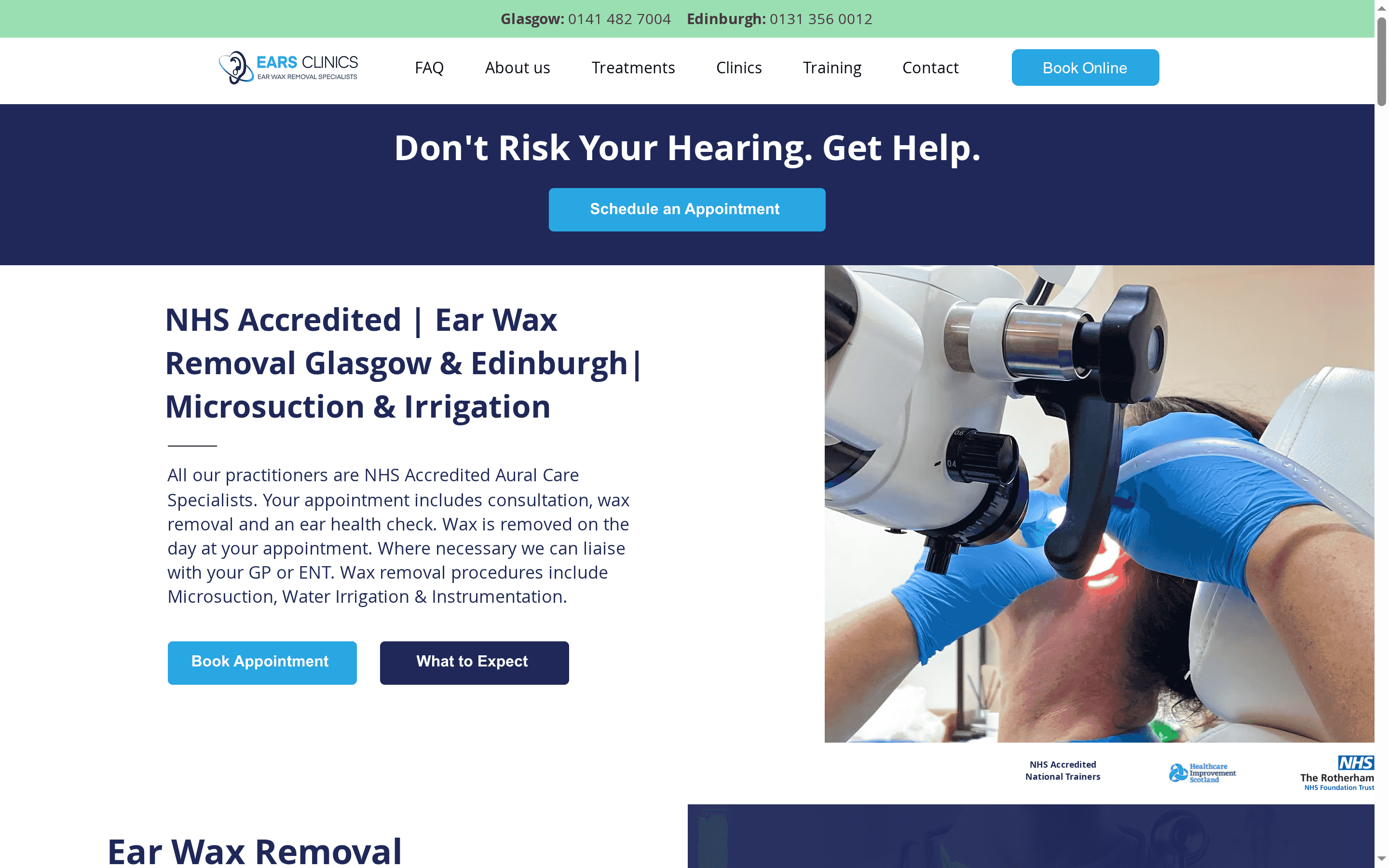
Choose expert care that puts your child’s ear health first. Avoid risks associated with DIY ear cleaning and book a same-day appointment or arrange a convenient home visit via our site. We serve Glasgow and Edinburgh with regulated, safe, and child-friendly ear healthcare starting from age two. Visit EARS Clinics to learn more about our professional ear wax removal services and how we prioritise safety and comfort for your family.
Take the first step to protecting your child’s hearing today by scheduling a consultation with us. Don’t wait until discomfort turns into damage – get expert ear care that offers peace of mind and healthy hearing.
Frequently Asked Questions
What are the signs of earwax buildup in children?
Typical signs include persistent ear rubbing, changes in hearing perception, ear discomfort, and physical signs like itchiness or visible wax in the ear canal.
Why is cotton bud use discouraged for ear cleaning?
Cotton buds can push earwax deeper into the ear canal, leading to blockages, potential injuries, or infections. They can further complicate ear health rather than effectively cleaning the ears.
What are safe methods for ear cleaning recommended for children?
Safe methods include using olive oil drops to soften earwax and seeking professional cleaning services when necessary. The NHS recommends avoiding any invasive cleaning methods at home.
What are the risks associated with unsafe ear cleaning practices?
Unsafe ear cleaning can lead to serious complications such as permanent hearing damage, eardrum perforation, and severe infections. It is crucial to consult professionals to avoid these risks.
Recommended