
7 Examples of Safe Ear Care Procedures for Children
- Wix Legend Support
- 6 days ago
- 9 min read

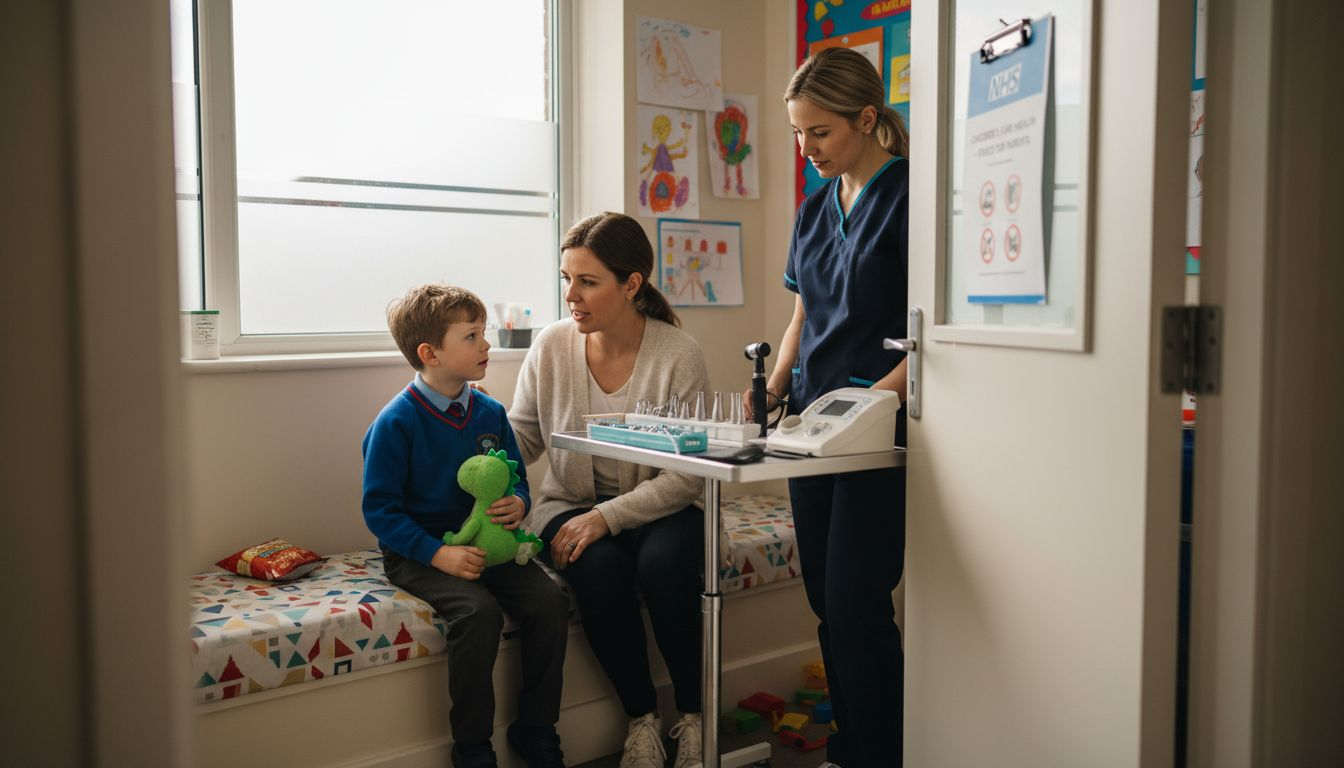
Every british parent in Glasgow or Edinburgh knows the worry when a child starts complaining about ear pain or muffled sounds. With more than one in ten children struggling with ear wax buildup at some point, quick and professional attention becomes essential. Discover the latest advanced solutions and safety-focused care options trusted by leading british clinics to keep your child’s hearing clear and healthy.
Quick Summary
Key Message | Explanation |
1. Recognise Symptoms of Ear Wax Buildup | Look for signs like muffled hearing or ear discomfort, indicating excessive ear wax. |
2. Choose Microsuction for Ear Wax Removal | This gentle technique safely removes wax without discomfort, ideal for anxious children. |
3. Avoid Home Irrigation for Ear Cleaning | Only professionals should perform ear irrigation to prevent injury or complications. |
4. Ensure Proper Aftercare for Healthy Ears | Follow gentle cleaning and drying techniques to maintain ear health and avoid infections. |
5. Consult Qualified Clinicians for Complex Conditions | Seek specialists for children with unique ear conditions to ensure tailored and effective treatments. |
1. Understanding Symptoms of Ear Wax Buildup in Children
Ear wax buildup is a common childhood condition that can cause discomfort and potential hearing challenges. Parents should be alert to subtle signs that might indicate excessive cerumen accumulation in their child’s ear canal.
Children experiencing ear wax buildup often demonstrate specific symptoms that signal potential blockage. Earwax blockage can manifest through several key indicators such as decreased hearing ability, ear discomfort, and unusual sensations within the ear.
Primary Symptoms Include:
Muffled or Reduced Hearing: Your child might struggle to hear clearly or frequently ask you to repeat instructions
Ear Pain or Discomfort: Persistent earache or sensation of fullness in the ear
Itching or Irritation: Unexplained ear canal irritation or constant ear touching
Dizziness: Occasional balance issues or feeling unsteady
Unusual Ear Discharge: Potential drainage with slight odour
Parents should recognise that not all ear wax requires immediate intervention. The human ear naturally produces wax as a protective mechanism, helping to trap dust and prevent bacterial infections. However, excessive buildup can create problematic symptoms.
Factors contributing to ear wax accumulation in children often include improper cleaning techniques, frequent use of earbuds, or genetic predisposition towards higher wax production. Importantly, inserting cotton swabs or other objects into the ear canal can inadvertently push wax deeper, causing impaction.
Pro tip: Always consult a professional healthcare practitioner if your child experiences persistent ear symptoms or discomfort, as they can safely assess and recommend appropriate treatment.
2. Microsuction for Gentle Ear Wax Removal
Microsuction represents a sophisticated and minimally invasive approach to ear wax removal for children, offering unprecedented precision and safety. This advanced technique allows trained healthcare professionals to remove ear wax with remarkable gentleness and accuracy.
Aural microsuction is a highly precise method for wax extraction that utilises specialised microscopic equipment and gentle suction technology.
Key Benefits of Microsuction:
Minimal Discomfort: Unlike traditional irrigation methods, microsuction causes negligible pain
Visual Precision: Uses microscopic visualization for exact wax removal
No Liquid Involvement: Eliminates risks associated with water irrigation
Quick Procedure: Typically completed within minutes
Child Friendly: Designed to minimise noise and sensory disruption
The procedure involves a trained clinician using a specialized microscope and gentle suction device to carefully remove ear wax. This approach ensures maximum safety and minimal intrusion, making it particularly suitable for children who might feel anxious during medical procedures.
Professional practitioners recommend preparing children by explaining the procedure simply and reassuringly. Softening ear wax with olive oil drops the night before can also enhance the microsuction process effectiveness.
Pro tip: Discuss the procedure with your child beforehand, using calm and positive language to help them feel comfortable and reduce potential anxiety.
3. Irrigation as a Safe Cleaning Method
Ear irrigation represents a professional ear wax removal technique that requires precision and careful execution when treating children. This method involves carefully flushing the ear canal with warm water to remove accumulated wax under professional supervision.
Ear irrigation by healthcare professionals uses warm water and gentle pressure to safely extract ear wax while minimising potential discomfort or risks.
Key Considerations for Safe Ear Irrigation:
Professional Supervision: Always performed by trained healthcare practitioners
Controlled Water Temperature: Warm water carefully regulated to prevent discomfort
Gentle Pressure Application: Controlled water flow prevents potential ear canal damage
Prior Wax Softening: Typically preceded by approved ear drop treatments
Child Positioning: Specific seating arrangements to ensure safety and comfort
The procedure requires meticulous preparation and execution. Parents should understand that home irrigation attempts are strongly discouraged due to potential risks of injury or ear drum perforation. Professional clinicians assess each child individually to determine the most appropriate wax removal method.
Professional practitioners recommend discussing the procedure with children beforehand to reduce anxiety and ensure cooperation. Explaining each step in age appropriate language helps children feel more comfortable and less apprehensive about the treatment.
Pro tip: Ensure your child wears comfortable clothing that can be easily protected with a towel during the irrigation procedure to manage potential water spillage.
4. Instrumentation for Precise Wax Extraction
Ear wax extraction using specialised instrumentation represents a precise medical approach for safely removing accumulated wax in children. This method requires exceptional skill and professional expertise to minimise potential risks while ensuring complete wax removal.
Professional earwax removal involves carefully selected micro instruments and microscopic visualization to extract ear wax with minimal trauma to delicate ear structures.
Key Instrumentation Techniques:
Curette Instruments: Small specialised tools designed for gentle wax extraction
Microscopic Visualization: Enables precise targeting and removal of wax
Suction Micro Devices: Allow controlled and gentle wax elimination
Direct Observation: Ensures complete and safe wax removal
Minimal Invasive Approach: Reduces potential discomfort for children
Trained healthcare professionals select specific instruments based on the individual child’s ear canal anatomy and wax characteristics. These professionals undergo extensive training to master techniques that protect the sensitive ear structures while effectively removing problematic wax build up.
Parents should understand that instrumentation requires significant expertise. Only clinicians with advanced training and experience should perform these delicate procedures to prevent potential ear canal injury or complications.
Pro tip: Always request information about the clinician’s specific qualifications and experience in paediatric ear wax removal before scheduling an appointment.
5. Tailored Ear Care for Complex Conditions
Children with unique ear anatomical variations require specialised medical attention that goes beyond standard ear care procedures. Comprehensive and personalised approaches become essential when addressing complex ear conditions that impact hearing and overall ear health.
Complex congenital ear differences demand multidisciplinary evaluation and targeted intervention strategies to ensure optimal functional and aesthetic outcomes.
Key Considerations for Complex Ear Conditions:
Early Professional Assessment: Prompt specialist evaluation prevents potential complications
Multidisciplinary Team Approach: Involves otolaryngologists, audiologists, and reconstructive specialists
Individualised Treatment Planning: Unique approaches tailored to specific ear condition
Comprehensive Hearing Evaluation: Detailed assessments to understand functional implications
Long Term Monitoring: Regular follow up to track developmental progress
Conditions such as microtia, anotia, and cryptotia require nuanced medical strategies that consider both functional hearing rehabilitation and potential aesthetic reconstruction. Parents should seek specialised clinics with expertise in paediatric ear health to ensure comprehensive care.
Understanding that each child presents a unique clinical scenario is crucial. Healthcare professionals must develop personalised care plans that address individual anatomical variations while prioritising the child’s overall ear health and hearing development.
Pro tip: Request a comprehensive initial consultation that includes genetic screening and thorough audiological assessment to develop the most effective personalised ear care strategy.
6. Safety Protocols and Professional Standards
Ensuring patient safety during ear care procedures requires stringent professional standards and comprehensive clinical protocols. Healthcare professionals must adhere to meticulously designed guidelines that protect children during delicate ear treatments.
Professional standards emphasise evidence based management and rigorous patient selection criteria to minimise potential risks during ear care interventions.
Critical Safety Considerations:
Comprehensive Patient Assessment: Thorough medical history evaluation before any procedure
Sterilisation Protocols: Strict equipment cleaning and infection prevention measures
Practitioner Qualifications: Mandatory specialised training in paediatric ear care
Informed Consent: Detailed explanation of procedures to parents and guardians
Continuous Monitoring: Regular follow up and documentation of patient outcomes
Healthcare regulators such as Healthcare Improvement Scotland and the Care Quality Commission mandate specific guidelines to ensure practitioners maintain the highest standards of patient care. These protocols cover everything from initial patient consultation through to post procedure monitoring.
Parents should feel empowered to request information about a clinician’s credentials, experience with paediatric ear care, and specific safety protocols employed during treatments. Understanding these standards helps build trust and confidence in medical interventions.
Pro tip: Always request documentation of a healthcare provider’s professional registration and specific qualifications in paediatric ear care procedures.
7. Aftercare Tips for Healthy Ears
Maintaining optimal ear health requires consistent and thoughtful care strategies that protect children’s delicate ear structures. Parents play a crucial role in preventing potential ear complications through proactive and gentle maintenance techniques.
Proper ear care involves specific strategies to prevent infections and maintain overall ear health while minimising potential risks of injury or complications.
Essential Aftercare Recommendations:
Gentle External Cleaning: Use soft washcloth during bathing to clean outer ear
Avoid Invasive Objects: Never insert cotton swabs or other objects into ear canal
Swimming Precautions: Use protective ear plugs during water activities
Moisture Management: Keep ears dry and clean after swimming or bathing
Temperature Protection: Use ear coverings in cold weather conditions
Parents should understand that children’s ears are particularly sensitive and require careful attention. Regular observation and prompt medical consultation when unusual symptoms arise can prevent potential long term hearing complications.
Specific attention must be given to children who have undergone ear procedures. Monitoring for signs of infection such as unexpected pain discharge or hearing changes becomes paramount in ensuring successful recovery and preventing potential complications.
Pro tip: Create a simple ear care routine chart for your child to help them understand and participate in maintaining their ear health.
Below is a comprehensive table summarising the key points and recommendations from the article on ear wax buildup and ear care in children, including symptom awareness, treatment methods, and preventive measures.
Topic | Description | Recommendations |
Recognising Symptoms | Key symptoms of ear wax buildup include muffled hearing, ear discomfort, and odd sensation or itching. | Monitor for symptoms like these and seek professional advice if they persist. |
Microsuction Method | A precise, gentle technique using microscopes and suction devices for wax removal. | Consider microsuction for minimal discomfort and high safety, performed by trained practitioners. |
Ear Irrigation | A controlled flushing technique using warm water to clear wax from the ear canal. | Ensure this is carried out by healthcare professionals to avoid complications. |
Instrumentation | Professional tools such as curettes and visualisation equipment for exact wax extraction. | Performed by specialists to safeguard ear health and precision in removal. |
Complex Ear Conditions | Unique anatomical conditions requiring multidisciplinary care and customised treatment. | Early specialist intervention and consistent monitoring are crucial for optimum care. |
Parent Preventative Measures | Includes hygienic care, preventing invasive procedures, and monitoring ear health. | Adopt a regular ear care routine and educate children on healthy ear habits. |
Safety Standards in Care | Importance of professional standards, equipment sterilisation, and qualified practitioners. | Always verify practitioner credentials and follow advised safety protocols. |
Expert Ear Care for Children Starts Here
If your child shows signs of ear wax buildup such as ear discomfort, itching, or muffled hearing as described in the article, professional care is vital to ensure safe and effective treatment. At EARS Clinics, we specialise in NHS-accredited ear wax removal services using advanced methods like microsuction, irrigation, and instrumentation performed by highly trained Aural Care Specialists. Our focus on gentle, child-friendly procedures ensures your little one experiences minimal discomfort while receiving expert treatment.

Take action now to protect your child’s hearing and comfort with one of Scotland’s few regulated ear healthcare providers. With options including same-day clinic appointments in Glasgow and Edinburgh or convenient home visits, we make it easy to get the care your child needs without long waits or pre-treatment hurdles. Visit EARS Clinics to learn more about our safe ear care protocols and book your appointment today. Trust the professionals who prioritise your child’s ear health every step of the way.
Frequently Asked Questions
What are the signs of ear wax buildup in children?
Children may show signs of ear wax buildup through muffled hearing, ear pain, itching, dizziness, or unusual ear discharge. Monitor these symptoms and consider consulting a healthcare professional if they persist or cause discomfort.
How can I prepare my child for an ear care procedure?
Prepare your child for an ear care procedure by explaining what will happen in simple terms. Use calm and positive language to help reduce any anxiety they may feel about the experience.
What should I do if my child experiences discomfort after an ear care procedure?
If your child experiences discomfort after an ear care procedure, monitor their symptoms and consult a healthcare professional if pain, unusual discharge, or hearing changes occur. Taking action promptly can help address any potential complications.
How can I maintain ear health for my child at home?
Maintain your child’s ear health at home by gently cleaning the outer ear with a washcloth and avoiding inserting any objects into the ear canal. Establish a simple ear care routine to encourage your child to participate in their ear health.
When should I seek professional help for my child’s ears?
Seek professional help for your child’s ears if they show persistent signs of discomfort, hearing loss, or any unusual symptoms. Early intervention can prevent more serious complications down the line.
Recommended