
7 Essential Steps for Your Child's Ear Health Checklist
Updated: Jan 16

Every parent in Glasgow and Edinburgh knows the worry when a child complains of ear discomfort. With over 60 percent of british children experiencing ear wax build-up before age ten, early action is crucial for preventing long-term hearing issues. When prompt and professional care makes all the difference, this guide uncovers effective strategies trusted by experts to help your child stay safe, comfortable, and healthy.
Quick Summary
Takeaway | Explanation |
1. Identify Symptoms of Ear Wax Build-Up | Monitor for muffled hearing, ear discomfort, and itching sensations to catch ear wax accumulation early. |
2. Avoid Unsafe Home Ear Cleaning Methods | Do not use cotton buds or sharp objects, as they can push wax deeper or cause injury. |
3. Seek Professional Help for Persistent Symptoms | Consult a healthcare professional if your child has ear pain, fluid discharge, or sudden hearing loss. |
4. Choose NHS-Accredited Practitioners | Ensure the practitioner is NHS accredited and has experience in treating children’s ear health. |
5. Schedule Regular Ear Health Checks | Incorporate regular check-ups into your child’s healthcare routine to catch any issues early. |
1. Know Early Signs of Ear Wax Build-Up in Children
Ear wax is a natural protective substance in children’s ears, but excessive build-up can signal potential health concerns. Understanding the early signs helps parents proactively manage their child’s ear health and prevent potential complications.
Children experience ear wax build-up differently from adults, with symptoms that can range from subtle to more pronounced. Key warning signs include muffled hearing, persistent ear discomfort, and unusual sensations within the ear canal. Earwax build-up in children can cause symptoms such as hearing problems, earache, and a feeling of fullness that parents should carefully monitor.
Parents should watch for specific indicators that suggest excessive ear wax accumulation. These include:
Hearing Changes: Noticeable difficulty hearing clearly or responding to sounds
Ear Discomfort: Frequent tugging or rubbing of ears
Itching Sensations: Persistent ear canal irritation
Balance Issues: Unexpected dizziness or balance problems
Discharge or Odour: Unusual ear secretions or unpleasant smells
Understanding that ear wax is a natural protective mechanism is crucial. The human body produces cerumen to trap dust, debris, and microorganisms, preventing them from entering deeper ear structures. Not all ear wax requires removal, and attempting unsafe extraction can potentially cause more harm.
Pro tip: If you notice multiple persistent symptoms, consult a professional paediatric ear health specialist for a comprehensive assessment rather than attempting home remedies.
2. Avoid Unsafe Home Remedies for Ear Cleaning
Children’s ear health requires careful attention and understanding of what constitutes safe cleaning practices. Many well intentioned parents unknowingly risk harming their child’s delicate ear structures through improper home remedies.
Dangerous home practices can cause significant ear damage. Cotton swabs and other home objects pose serious risks to children’s ear health, potentially pushing wax deeper and causing painful complications.
Common Unsafe Ear Cleaning Methods to Avoid:
Inserting cotton buds into ear canals
Using sharp or pointed objects for ear cleaning
Attempting excessive wax removal at home
Applying unverified home remedies or oils
Irrigating ears without professional guidance
Parents must understand that ears are self cleaning organs with a natural protective mechanism. Earwax serves a crucial biological function by trapping dust, preventing infections, and maintaining ear canal health. Most ear wax naturally exits the ear during routine activities like bathing or talking.
Professional guidance is essential when considering ear cleaning. If your child experiences persistent discomfort, hearing changes, or excessive wax buildup, consulting a qualified healthcare professional remains the safest approach.
Pro tip: Always use a soft damp cloth to clean only the outer ear area and avoid inserting anything inside the ear canal.
3. Understand When Expert Help Is Needed
Recognising when professional medical intervention is crucial can significantly impact your child’s ear health and prevent potential long term complications. Parents must develop a keen understanding of the warning signs that indicate immediate professional assessment is necessary.
Doctors diagnose ear conditions by carefully examining specific symptoms and using specialised equipment like an otoscope to assess the underlying issues. Understanding these critical indicators can help parents make informed decisions about seeking timely medical assistance.
Critical Signs Requiring Professional Medical Attention:
Persistent ear pain lasting more than 24 hours
High fever accompanying ear discomfort
Visible fluid discharge from the ear
Noticeable hearing difficulties
Unusual irritability or disrupted sleep patterns
Balance problems or unexpected dizziness
Swelling around the ear area
Parents should recognise that ear infections can stem from viral or bacterial sources and often require professional assessment to determine the most appropriate treatment strategy. Not all ear issues demand immediate antibiotic intervention some may require careful observation and targeted pain management.
The complexity of children’s ear health means that professional evaluation provides the most accurate diagnosis. Healthcare professionals can differentiate between various ear conditions and recommend tailored treatment approaches specific to your child’s age and medical history.
Pro tip: Keep a detailed log of your child’s symptoms including onset time duration and intensity to provide healthcare professionals with comprehensive information during consultation.
4. Choose NHS-Accredited Practitioners for Safety
Ensuring your child receives ear healthcare from qualified professionals is paramount to their wellbeing and safety. The complexities of paediatric ear care demand specialised knowledge and strict adherence to national healthcare standards.
In Scotland independent healthcare providers must register with Healthcare Improvement Scotland to legally deliver medical services, providing parents with a crucial mechanism for verifying practitioner credentials.
Key Considerations When Selecting Ear Health Professionals:
Verify NHS accreditation status
Check professional registration credentials
Confirm specialisation in paediatric ear care
Review practitioner training certifications
Ensure compliance with Healthcare Improvement Scotland regulations
Investigate professional experience with children
Ask about specific ear care techniques and safety protocols
Parents should understand that NHS accreditation is not merely a bureaucratic requirement but a comprehensive assessment of a practitioner’s competence. Registered professionals undergo rigorous training ensuring they meet stringent safety and performance standards designed to protect patient health.
Before booking an appointment parents can request evidence of professional qualifications and confirm the clinic’s regulatory status. Reputable clinics will be transparent about their credentials and welcome inquiries about their professional standing.
Pro tip: Request to see a practitioner’s current NHS registration certificate and professional indemnity documentation before proceeding with any ear health treatment.
5. Explore Safe Removal Techniques Like Microsuction
Microsuction represents a modern precision approach to ear wax removal that offers exceptional safety and effectiveness for children. Understanding this gentle technique can help parents make informed decisions about their child’s ear healthcare.
Ear microsuction is a highly recommended method involving a microscope and specialised suction device to remove ear wax without invasive procedures, ensuring minimal discomfort and maximum precision.
Key Features of Microsuction:
Utilises advanced microscopic visualisation
Enables direct observation of ear canal
Prevents unnecessary contact with ear structures
Minimally invasive technique
Performed by trained healthcare professionals
Quick and efficient procedure
Suitable for sensitive paediatric patients
Traditional ear cleaning methods often involve risks such as pushing wax deeper or causing potential injury. Microsuction eliminates these concerns by using controlled suction under direct visual guidance. Trained clinicians can precisely target problematic wax deposits while maintaining complete visibility of the ear canal.
Parents should seek practitioners specifically trained in paediatric microsuction techniques. These specialists understand the unique anatomical considerations of children’s ear structures and can adapt their approach accordingly.
Pro tip: Request a preliminary consultation to discuss your child’s specific ear health needs and understand how microsuction can be tailored to their individual requirements.
6. Prepare Your Child for Their Clinic Visit
Navigating a child’s first ear health clinic visit can be challenging, requiring strategic emotional and practical preparation. Creating a positive experience helps reduce anxiety and ensures smoother medical interactions.
Preparing a child for medical appointments involves carefully explaining procedures using age appropriate language and setting clear expectations, which builds trust and reduces potential stress.
Essential Preparation Strategies:
Explain the clinic visit purpose clearly
Use calm and reassuring communication
Practice medical scenarios through play
Discuss potential examination procedures
Encourage questions and validate feelings
Bring a comfort item like a favourite toy
Plan a small reward after the appointment
Children respond best to honest communication delivered with compassion. Parents should avoid using language that might increase fear such as words like ‘hurt’ or ‘pain’. Instead focus on describing the process as a friendly health check where professionals will ensure their ears are healthy.
Consider role playing the clinic visit at home using toy medical kits. This approach helps children become familiar with potential examination processes and reduces unknown factors that might cause anxiety.
Pro tip: Create a simple social story or picture guide about ear health clinic visits to help your child understand what to expect during their appointment.
7. Schedule Regular Ear Health Checks for Prevention
Proactive ear health monitoring represents a crucial strategy for safeguarding your child’s long term hearing and overall wellbeing. Regular professional assessments can detect potential issues before they escalate into more serious conditions.
Healthcare experts recommend incorporating ear health checks as an essential component of routine preventative care, enabling early intervention and comprehensive hearing protection.
Recommended Ear Health Check Frequencies:
Newborns: Initial hearing screening
Infants: Recommended checks at 3 6 and 12 months
Toddlers: Annual comprehensive ear health assessment
School age children: Biennial professional evaluations
Children with history of ear infections: Quarterly monitoring
Professional ear health checks involve more than simple hearing tests. Trained clinicians assess ear canal condition, potential wax accumulation, structural integrity, and conduct comprehensive evaluations that go beyond basic screenings.
Parents should maintain a proactive approach by documenting family hearing history, monitoring their child’s hearing responsiveness, and scheduling consistent professional assessments. Early detection of potential issues can prevent long term hearing complications and support optimal developmental outcomes.
Pro tip: Maintain a dedicated health journal documenting your child’s ear health history, including any symptoms, previous infections, and professional assessment results.
Below is a comprehensive table summarising the key advice and points on children’s ear health discussed in the article.
Topic | Key Advice | Benefits |
Recognising Early Signs | Watch for hearing changes, persistent discomfort, and unusual sensations linked to ear wax build-up. | Prompt identification can prevent further complications. |
Avoiding Unsafe Remedies | Do not use cotton buds or sharp objects for ear cleaning. | Minimises the risk of injuries and ensures safe practices. |
Seeking Professional Help | Consult specialists for symptoms like pain, fever, hearing difficulties, or unusual discharges. | Guarantees accurate diagnosis and treatment. |
Choosing NHS-Certified Practitioners | Verify practitioners’ qualifications and credentials. | Ensures specialised care and adherence to standards. |
Using Microsuction Method | Consider professional microsuction removal for excess ear wax. | Provides safe, effective, and minimally invasive care. |
Preparing for Clinic Visits | Explain procedures and role-play visits with children beforehand. | Reduces anxiety and fosters a positive experience. |
Scheduling Regular Checks | Maintain routine ear health assessments. | Supports long-term hearing and developmental health. |
Ensure Your Child’s Ear Health with Expert Care from EARS Clinics
The article highlights the importance of recognising early signs of ear wax build-up in children and the need to avoid unsafe home removal methods like cotton buds. If you want to move beyond uncertain home remedies and guarantee safe, NHS-accredited ear wax removal, EARS Clinics provide specialised microsuction and expert treatments tailored for children. Our trained Aural Care Specialists in Glasgow and Edinburgh use gentle, precise techniques designed to prevent discomfort and protect your child’s delicate ear structures while offering peace of mind.
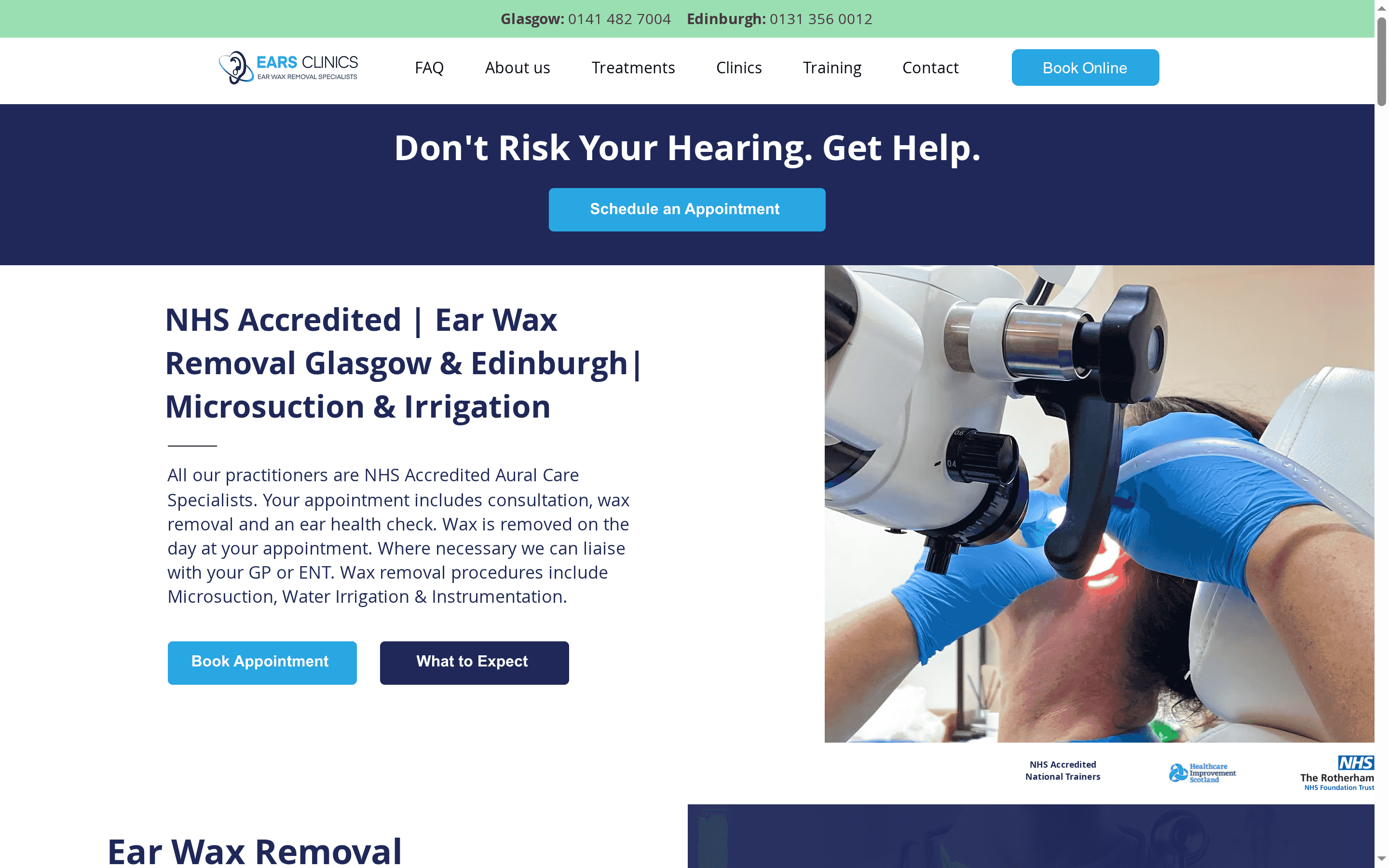
Take control of your child’s ear health today by booking a same-day appointment or arranging a convenient home visit. Explore how our regulated clinic meets the highest safety standards mandated by Healthcare Improvement Scotland and delivers faster care with no need for NHS waiting times or preconditions. Learn more about our professional services and secure your child’s appointment at EARS Clinics. You can also read about the benefits of our microsuction ear wax removal and why trusting an NHS-accredited practitioner matters for your child’s wellbeing.
Frequently Asked Questions
What are the early signs of ear wax build-up in children?
Excessive ear wax build-up in children may present as muffled hearing, ear discomfort, or unusual sensations in the ear canal. Monitor for symptoms like frequent tugging of the ears or balance issues to address any potential concerns promptly.
How can I prepare my child for their first ear health clinic visit?
Speak to your child about the visit using calm and reassuring language. Role-play the clinic experience at home, using toys, to familiarise them with the procedures and reduce anxiety.
When should I seek professional help for my child’s ear health?
Consult a healthcare professional if your child experiences persistent ear pain for more than 24 hours, shows signs of a high fever, or has visible fluid discharge from the ear. Document any symptoms to provide detailed information during the consultation.
What are the recommended frequencies for ear health checks for children?
Newborns should have an initial hearing screening, while infants require checks at 3, 6, and 12 months. Schedule annual assessments for toddlers and biennial evaluations for school-age children to ensure ongoing ear health.
How can I ensure I choose a qualified practitioner for my child’s ear health care?
Verify that the practitioner is NHS accredited and specialises in paediatric ear care. Always check their professional registration and request confirmation of their qualifications before scheduling any treatments.
What is microsuction, and how does it help with ear wax removal for children?
Microsuction is a safe and effective technique for ear wax removal that uses a microscope and suction device to gently clear the ear. Consider scheduling a consultation with a trained professional who can explain how this method suits your child’s specific needs.
Recommended