
7 Essential Ear Care Tips 2025 for Parents in Glasgow
Updated: Jan 16
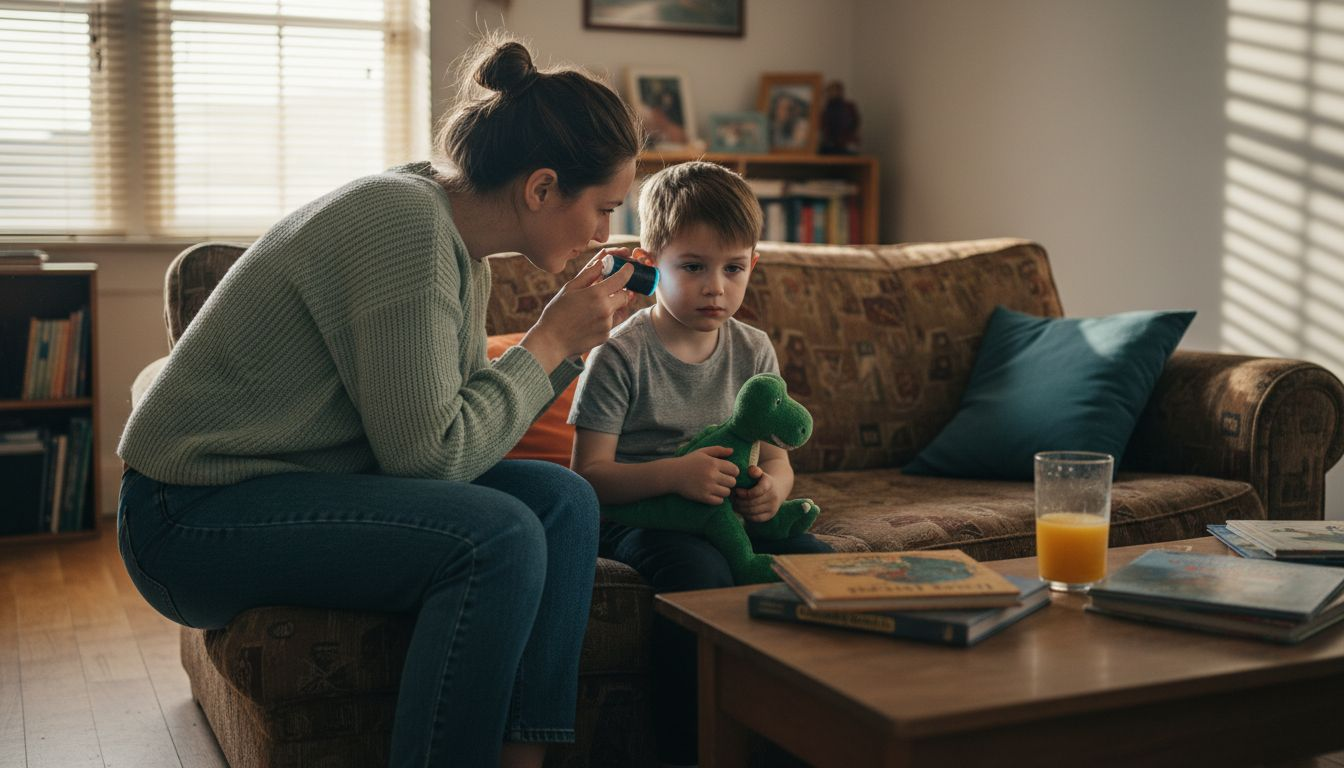
Every parent knows that a child’s ear pain can create urgent worry, especially when safe care is needed right away. Over 60 percent of British children experience ear wax issues at some point, making fast response in places like Glasgow and Edinburgh essential. This guide spotlights how to recognise symptoms, why regulated specialist clinics matter, and how to find same-day solutions for your family’s peace of mind.
Quick Summary
Key Message | Explanation |
1. Monitor ear health signs closely | Be vigilant for symptoms like discomfort, hearing issues, or visible wax to address ear health early. |
2. Seek immediate care for severe symptoms | High fever, severe pain, or unusual discharge from the ear require urgent medical attention to prevent complications. |
3. Use safe cleaning practices | Clean only the outer ear with a damp cloth and avoid q-tips to prevent pushing wax deeper into the canal. |
4. Verify practitioner credentials before care | Always check for professional qualifications and follow safety protocols to ensure effective and safe ear treatment. |
5. Personalise care for complex cases | Tailor ear care strategies according to a child’s medical history and developmental needs for appropriate management. |
1. Recognising Signs of Ear Wax Build-Up in Children
Ear wax build-up is a common yet often misunderstood condition in children that requires careful observation and professional management. Understanding the subtle signs of excessive ear wax accumulation can help parents take timely action and prevent potential hearing complications.
Children might experience ear wax build-up when their natural protective mechanism produces more cerumen than can be naturally expelled. Earwax buildup symptoms range from mild discomfort to more pronounced hearing challenges, making parental awareness crucial.
Key Signs of Ear Wax Accumulation:
Hearing Difficulties: Your child might seem less responsive or frequently ask you to repeat instructions
Ear Discomfort: Persistent ear tugging, scratching, or complaints of ear fullness
Pain or Irritation: Unexplained fussiness or discomfort around the ear area
Visible Wax: Yellowish or brownish wax visible at the ear canal entrance
Balance Issues: Occasional unsteadiness or balance problems
Parents should never attempt to remove ear wax using cotton swabs or sharp objects, as these can push wax deeper and potentially damage the delicate ear canal. Professional assessment remains the safest approach for managing ear wax build-up.
Top tip: Keep a gentle, watchful eye on your child’s ear health and consult an aural care specialist if symptoms persist or worsen.
2. When to Seek Immediate Professional Ear Care
Navigating childhood ear health requires parents to understand when professional intervention becomes critical. Recognising the warning signs that demand immediate medical attention can prevent potential complications and safeguard your child’s hearing.
Critical Warning Signs Requiring Urgent Ear Care:
High Fever: Temperatures above 38°C accompanied by ear pain
Severe Ear Pain: Persistent or escalating discomfort that disrupts daily activities
Hearing Changes: Noticeable reduction in hearing ability or response to sounds
Unusual Discharge: Fluid or pus draining from the ear canal
Balance Disruptions: Unexpected dizziness or loss of equilibrium
Swelling: Visible inflammation around the ear region
Urgent medical evaluation becomes essential when symptoms indicate potential infection or hearing complications. Children under two years are particularly vulnerable, with bacterial infections posing significant risks if left untreated.
Parents should prioritise same-day appointments with specialised ear care professionals when these symptoms manifest. Professional assessment using specialised equipment like otoscopes allows precise diagnosis and targeted treatment.
Expert advice: Trust your parental instincts and seek professional guidance if your child’s ear symptoms cause significant concern or do not improve within 24 to 48 hours.
3. Safe Cleaning Practices at Home for Children
Ear cleaning for children demands precision, gentleness and a keen understanding of what constitutes safe practice. Parents must navigate ear hygiene with caution to prevent potential damage or infection.
Essential Safe Cleaning Guidelines:
Outer Ear Only: Clean exclusively the visible outer ear area
Soft Cloth Technique: Use a clean, soft damp washcloth during bath time
Avoid Insertion: Never insert cotton swabs or any objects into the ear canal
Gentle Wiping: Carefully remove visible debris without pushing into ear
Professional Consultation: Seek expert advice before using any ear cleaning solutions
Safe ear cleaning requires understanding the delicate nature of children’s ear canals, where improper techniques can cause significant harm. Parents must recognise that ears are self cleaning mechanisms with natural protective wax that should not be aggressively removed.
Additional precautions include drying ears thoroughly after swimming or bathing using a soft towel or low heat hair dryer. Mineral oil or specialised ear drops can help soften excess wax when recommended by healthcare professionals.
Expert advice: Always pat ears dry gently and consult a professional if you are uncertain about proper ear cleaning techniques for your child.
4. Understanding Microsuction and Clinic-Based Techniques
Microsuction represents a cutting-edge approach to professional ear care that provides safe and precise wax removal for patients across all age groups. This advanced technique offers parents a reliable solution for managing complex ear health challenges.
Key Features of Microsuction:
Precision Instrumentation: Uses specialised microscopic suction equipment
Direct Visualisation: Enables practitioners to view ear canal during procedure
Minimal Discomfort: Significantly less invasive than traditional methods
Quick Procedure: Treatments typically last between seconds and 20 minutes
Suitable for Complex Cases: Effective for impacted wax and sensitive ear conditions
Community-based microsuction services provide a safe alternative to traditional ear irrigation techniques, offering patients professional and regulated ear care. The procedure involves using a microscope and gentle suction to remove ear wax and debris without introducing liquid into the ear canal.
Parents should seek regulated clinics with NHS accredited professionals who specialise in paediatric ear care. Proper training and adherence to clinical guidelines ensure the highest standards of safety and effectiveness.
Expert advice: Always verify the practitioner’s professional credentials and NHS accreditation before proceeding with any ear care procedure.
5. Why Regulated Aural Specialists Matter for Safety
Parental peace of mind begins with understanding the critical importance of professional ear care delivered by appropriately regulated specialists. Unqualified practitioners can inadvertently cause significant harm to delicate ear structures.
Essential Safety Considerations:
Professional Qualifications: Practitioners must hold recognised audiological credentials
Infection Control: Rigorous protocols prevent cross contamination
Detailed Assessment: Comprehensive ear canal examination before any procedure
Risk Management: Understanding potential complications and mitigation strategies
Communication Skills: Clear explanation of procedures and potential outcomes
British audiological societies emphasise strict regulatory standards to protect patient wellbeing, ensuring that every ear care intervention meets stringent safety requirements. Healthcare Improvement Scotland mandates specific competency levels for practitioners performing invasive ear treatments.
Parents should verify practitioner credentials by checking registration with official bodies such as the Health and Care Professions Council (HCPC) or professional audiology associations. These checks guarantee that the specialist possesses appropriate training and adheres to national safety guidelines.
Expert advice: Always request to see a practitioner’s professional credentials and verify their registration status before allowing any ear care procedure.
6. Tailored Care for Young Children and Complex Needs
Every child deserves personalised ear healthcare that recognises their unique medical background and developmental requirements. Specialised approaches become crucial when managing ear health for children with complex medical conditions or developmental differences.
Key Elements of Personalised Ear Care:
Multidisciplinary Assessment: Involving multiple healthcare specialists
Individual Treatment Planning: Customised strategies based on specific medical history
Developmental Considerations: Adapting techniques for different age groups
Family Engagement: Educating and involving parents in care processes
Ongoing Monitoring: Regular follow-up and adaptive treatment approaches
Comprehensive care frameworks support individualised treatment for children with complex health requirements, ensuring safety and optimal health outcomes. Practitioners must understand that standard approaches cannot be universally applied across all paediatric patients.
Specialised clinics focus on creating supportive environments that accommodate sensory sensitivities, communication challenges, and potential medical complexities. This approach ensures that every child receives dignified, compassionate and precise ear healthcare tailored to their specific needs.
Expert advice: Request a comprehensive initial consultation that explores your child’s complete medical history and develops a personalised ear care strategy.
7. Booking Same-Day and Flexible Appointments Easily
Quick access to professional ear care can make a significant difference in managing your child’s ear health. Modern clinics understand the urgency of ear related concerns and offer streamlined booking processes to ensure timely medical attention.
Booking Strategies for Immediate Care:
Online Scheduling: Book appointments through digital platforms
Telephone Support: Direct contact with nurse coordinators
Urgent Care Options: Same day or next day appointments available
Flexible Consultation Formats: In clinic and potential virtual consultations
Prioritised Paediatric Services: Specialised pathways for children
Same day appointment services provide critical access to specialised ear healthcare for urgent medical needs, reducing potential complications through prompt professional assessment. Parents can minimise waiting times and address ear health concerns rapidly.
EARS Clinics in Glasgow offer dedicated booking channels designed to simplify the appointment process. Families can expect clear communication, quick response times, and professional guidance when scheduling ear care services.
Expert advice: Keep your medical records and contact information updated to expedite the booking process and ensure seamless communication with healthcare providers.
Below is a comprehensive table summarising the key information covered in the article about ear wax management and care in children.
Topic | Description | Key Advice |
Recognising Ear Wax Build-Up | Signs include hearing difficulties, ear discomfort, pain, visible wax, and balance issues. | Avoid inserting objects into the ear; seek professional advice for management safely and effectively. |
Seeking Professional Care | Immediate medical attention is needed for symptoms like high fever, severe pain, hearing changes, or ear discharge. | Book urgent consultations with NHS-accredited specialists for accurate diagnoses and treatments. |
Safe Cleaning Practices | Clean only the outer ear using a damp cloth; avoid inserting objects into the ear canal. | Consult professionals before using ear cleaning solutions or tackling perceived excessive wax. |
Microsuction and Techniques | Microsuction offers precise, minimally invasive ear wax removal using specialised tools. | Opt for regulated clinics with trained practitioners accredited by reliable healthcare institutions. |
Importance of Regulation | Regulated practices ensure safety through professional credentials, infection control, and risk management. | Verify healthcare provider accreditation before any procedure. |
Personalised Paediatric Care | Involving unique care plans and collaboration with multidisciplinary teams for children with complex needs or health conditions. | Engage with specialists having experience in developmental and paediatric care. |
Accessible Appointment Options | Clinics provide streamlined booking via online platforms, offering urgent and flexible appointments to address children’s ear complaints swiftly. | Maintain detailed medical records and contact information to expedite consultations and treatments. |
Trusted Ear Care Solutions for Your Child in Glasgow
Managing your child’s ear wax build-up and recognising early symptoms can be challenging and worrying. The article highlights key issues like hearing difficulties, ear discomfort, and the importance of seeking professional help safely. At EARS Clinics, we understand these concerns deeply and offer expert care tailored for children and those with complex needs using advanced and gentle techniques such as microsuction and irrigation.
Why choose EARS Clinics?
NHS-accredited Aural Care Specialists with professional qualifications
Quick same-day appointments and flexible booking options
Specialised care from age two upwards in regulated clinics following strict safety protocols
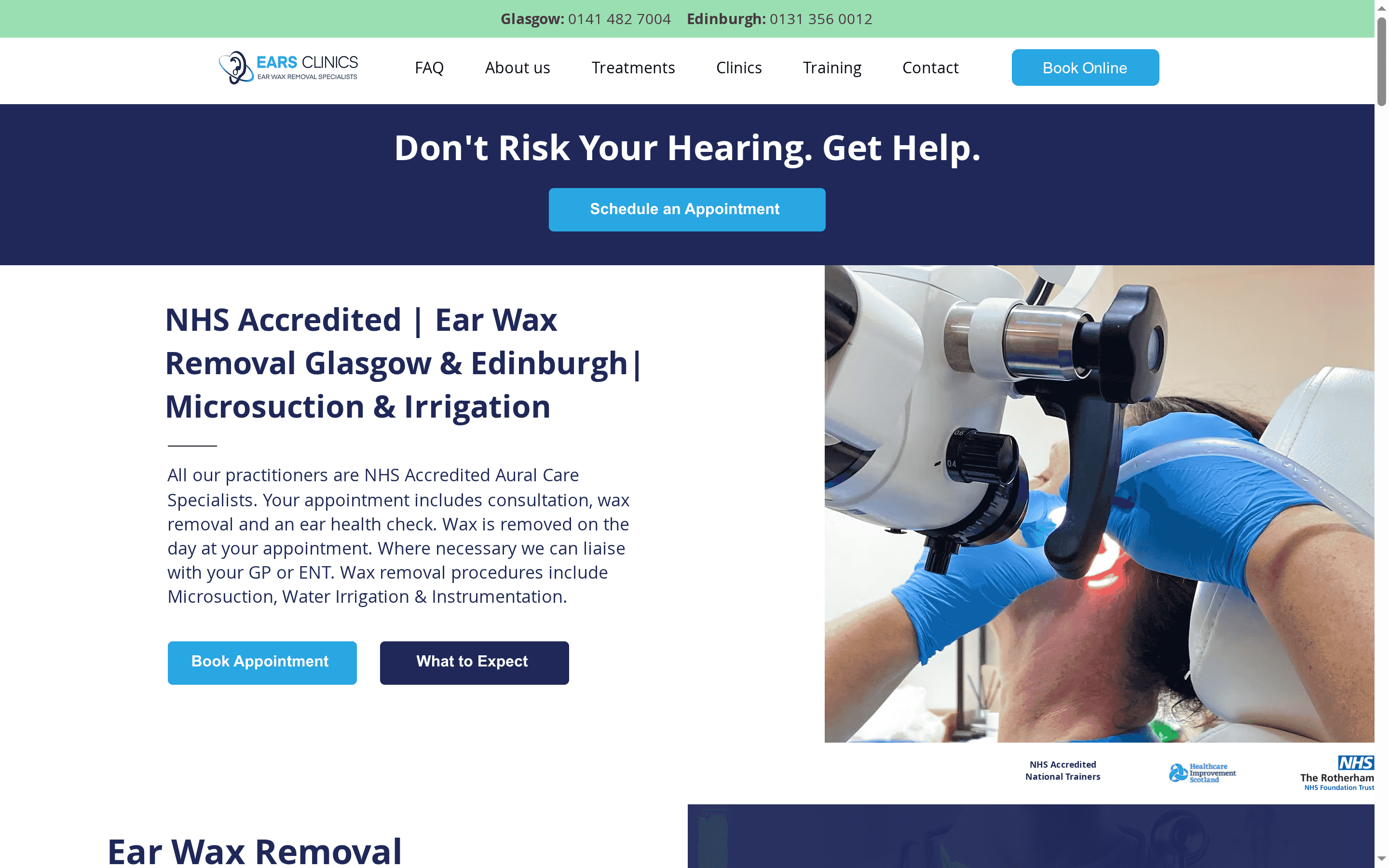
Don’t let ear wax build-up affect your child’s hearing or well-being. Visit EARS Clinics today to book a consultation or learn more about our safe ear wax removal services. Explore how our microsuction treatments and regulated specialist care can provide immediate relief and expert support designed for families in Glasgow. Act now for prompt professional attention and peace of mind.
Frequently Asked Questions
How can I recognise signs of ear wax build-up in my child?
Ear wax build-up often manifests as hearing difficulties, ear discomfort, or visible wax at the ear canal entrance. Observe your child for signs such as persistent ear tugging or complaints of ear fullness and consult a professional if you notice these symptoms to ensure timely intervention.
When should I seek immediate professional ear care for my child?
Immediate professional care is necessary if your child experiences high fever, severe ear pain, or unusual discharge from the ear. Prioritise booking a same-day appointment with a specialised ear care professional when these symptoms arise to safeguard your child’s hearing and health.
What are safe cleaning practices for children’s ears at home?
Only clean the visible outer ear area using a clean, soft damp washcloth. Avoid inserting cotton swabs or any objects into the ear canal, and consult a professional before using any ear cleaning solutions to prevent potential harm.
What is microsuction and how does it help with ear wax removal?
Microsuction is a precise procedure using specialised equipment to safely remove ear wax while allowing the practitioner to see inside the ear canal. Consider seeking this treatment as it is generally quick and minimally uncomfortable for your child, taking only about 20 minutes on average.
Why is choosing a regulated aural specialist important for my child’s ear care?
A regulated aural specialist ensures that your child receives safe ear care from qualified professionals trained to handle potential complications. Always verify a practitioner’s professional credentials before any procedure to ensure that they meet safety standards for paediatric care.
How can I book a same-day appointment for my child’s ear health needs?
You can book a same-day appointment by using online scheduling tools or by calling your healthcare provider directly. Enhancing your chances for timely care can be achieved by keeping your medical records handy and contacting the clinic first thing in the morning.
Recommended