
Ear Wax Removal Step by Step: Safe Home and Clinic Guide
Updated: Jan 16

Every british parent knows how worrying it feels when a child’s hearing suddenly changes. Waiting for professional care in Glasgow or Edinburgh can seem endless, especially with NHS queues stretching longer each year. With over half of children under 12 experiencing ear wax build-up at some point, learning the safe steps for professional removal brings peace of mind and protects your child’s wellbeing.
Quick Summary
Key Point | Explanation |
1. Identify symptoms of ear wax build-up | Look for signs such as hearing difficulties, earaches, or a blocked sensation. Getting a professional opinion is essential if symptoms persist. |
2. Use olive oil drops before removal | Applying olive oil ear drops helps soften wax, making it easier for professionals to remove during your appointment. |
3. Choose a suitable removal method | Methods like microsuction or electronic irrigation should be selected based on individual health conditions and wax consistency. |
4. Follow post-removal care guidelines | Monitor your ear for signs of improvement or complications; contact a healthcare provider if problems persist after the procedure. |
5. Communicate during the procedure | Inform your clinician of any discomfort or unusual sensations during the wax removal process to ensure a safe experience. |
Step 1: Assess symptoms for ear wax build-up
Identifying whether you have excessive ear wax build-up requires understanding key physical indicators that signal potential blockage. Medical experts highlight several crucial symptoms suggesting a potential ear wax accumulation that might require professional intervention.
The primary symptoms indicating ear wax build-up include hearing difficulties, ear discomfort, and sensory changes. According to NHS guidance, specific warning signs encompass hearing loss, earache, a persistent sensation of blocked ears, and potential tinnitus (ringing or buzzing sounds). Some individuals might also experience dizziness or vertigo associated with significant wax accumulation.
Physical manifestations can vary between individuals, but common indicators include reduced hearing clarity, a feeling of fullness within the ear canal, intermittent ear pain, and unexpected noises like buzzing or ringing. If you notice multiple symptoms persisting for more than a few days, consulting a professional ear care specialist becomes crucial for proper assessment and safe removal.
Top tip: Apply olive oil ear drops the night before your professional ear examination to help soften any accumulated wax, making assessment and potential removal more straightforward.
Step 2: Prepare for safe ear wax removal
Preparing for ear wax removal requires careful attention to safety protocols and specific home preparation techniques. Professional ear care specialists recommend a strategic approach to softening and preparing ear wax for potential removal.
NHS guidance on ear wax management emphasises the importance of using appropriate ear drops to gradually soften accumulated wax. Typically, olive oil drops at room temperature work effectively when applied systematically. The recommended procedure involves lying on your side with the affected ear facing upwards, allowing the drops to penetrate and gradually break down the wax build-up.
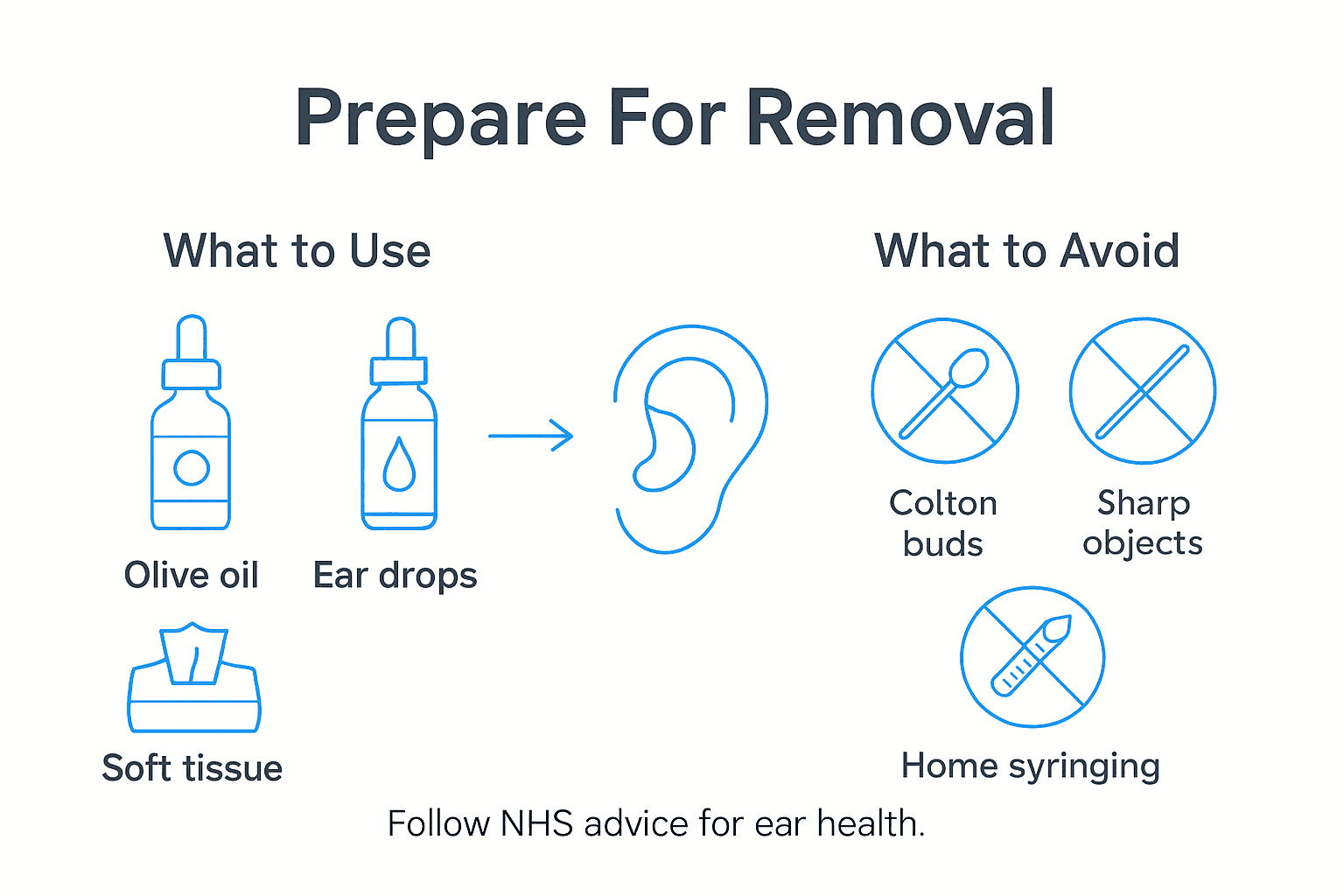
Consistent application is key to successful preparation. You should apply the drops 2 to 3 times daily for up to two weeks, ensuring each application allows the liquid to remain in the ear canal for several minutes. This methodical approach helps loosen ear wax naturally, making subsequent professional removal safer and more straightforward. Always discontinue drop application if you experience pain, discomfort, or any unusual discharge.
Top tip: Warm your olive oil drops to body temperature by holding the bottle in your hands for a few minutes before application to increase comfort and absorption.
Step 3: Select the appropriate removal method
Choosing the right ear wax removal technique requires careful consideration of individual health conditions, symptoms, and professional recommendations. Understanding the various safe removal methods will help you make an informed decision about your ear health.
Patient information guidelines highlight three primary approaches to ear wax removal: ear softening drops, microsuction, and professional irrigation. Microsuction emerges as a particularly safe and precise method, especially recommended for individuals with complex ear conditions or those who cannot undergo traditional water irrigation. This technique involves using specialised medical equipment to gently extract ear wax under direct visual guidance, minimising potential risks associated with other removal techniques.
Your healthcare professional will assess your specific ear condition, medical history, and symptoms to recommend the most suitable removal method. Factors such as wax consistency, ear canal structure, previous ear surgeries, and existing health conditions will influence their recommendation. Some patients might require a combination of softening drops and professional removal, while others might be suitable for a single intervention method.
Here is a comparison of professional ear wax removal methods to help inform your choice:
Method | Main Benefit | Ideal For | Potential Limitation |
Microsuction | Precise wax removal | Complex ear anatomy or prior surgery | May require specialist access |
Electronic Irrigation | Gentle cleaning with water | Most adults with soft wax | Not suitable after ear surgery |
Manual Instrumentation | Direct manual extraction | Localised, hard wax | Can be uncomfortable if uncooperative |
Top tip: Always discuss your full medical history with your ear care specialist to ensure they select the most appropriate and safest ear wax removal technique for your unique circumstances.
Step 4: Perform wax removal using best practices
Navigating the ear wax removal process requires precision, care, and adherence to professional medical guidelines. Your primary goal is to ensure safe and effective wax extraction while minimising potential risks to your ear health.

NHS recommendations for ear wax removal emphasise the importance of professional intervention, specifically highlighting three primary removal techniques: electronic ear irrigation, microsuction, and manual instrumentation. Each method requires specialised training and should only be performed by qualified healthcare professionals who can assess your individual ear condition and select the most appropriate approach.
During the procedure, your clinician will carefully examine your ear canal, selecting the most suitable technique based on wax consistency, ear canal anatomy, and your specific medical history. Microsuction offers a particularly precise method, using specialised equipment to gently extract wax under direct visual guidance. This approach minimises potential complications and provides a controlled, comfortable experience for patients. Throughout the removal process, your healthcare provider will prioritise your comfort and safety, ensuring minimal discomfort and maximum effectiveness.
Top tip: Remain still and relaxed during the procedure, and communicate immediately with your clinician if you experience any unexpected sensations or discomfort.
Step 5: Verify ear health after removal
After your ear wax removal procedure, carefully monitoring your ear health becomes crucial to ensure a successful and complication-free recovery. Understanding the signs of proper healing and potential warning indicators will help you maintain optimal ear wellness.
Post-procedure guidance from NHS trusts emphasises the importance of tracking specific symptoms following ear wax removal. Key indicators to monitor include hearing clarity, absence of discomfort, and overall ear canal sensation. You should experience immediate improvement in hearing and feel a sense of relief following the procedure.
Specifically, pay close attention to potential warning signs such as persistent pain, unusual discharge, continued hearing difficulties, or unexpected sensations within the ear. If any of these symptoms persist beyond 24 to 48 hours post-procedure, contact your healthcare provider immediately. Your clinician will want to ensure no complications have occurred and that your ear is healing correctly. Normal recovery typically involves gradual improvement in hearing and a complete absence of previous blockage symptoms.
Use this table as a quick reference for typical ear health after removal versus when to seek further care:
Observation | Expected After Removal | When to Consult a Specialist |
Hearing clarity | Noticeable improvement | No improvement after 48 hours |
Ear discomfort | Mild or none | Persistent or worsening pain |
Ear discharge | None or very minimal | Unusual smell or coloured fluid |
Sensation in ear canal | Feels normal or relieved | Fullness or blocked feeling stays |
Top tip: Keep a short diary of your ear health symptoms for the first 48 hours after removal to help your healthcare provider track your recovery effectively.
Experience Safe and Effective Ear Wax Removal with EARS Clinics
Dealing with stubborn ear wax build-up can be uncomfortable and impact your hearing as described in the detailed step-by-step guide. If you are facing issues such as persistent ear blockage, discomfort, or hearing difficulties, it is essential to seek professional care that prioritises safety and expert assessment. At EARS Clinics, we understand these challenges and offer NHS-accredited ear wax removal services using advanced techniques like microsuction, irrigation, and manual instrumentation performed by trained specialists.
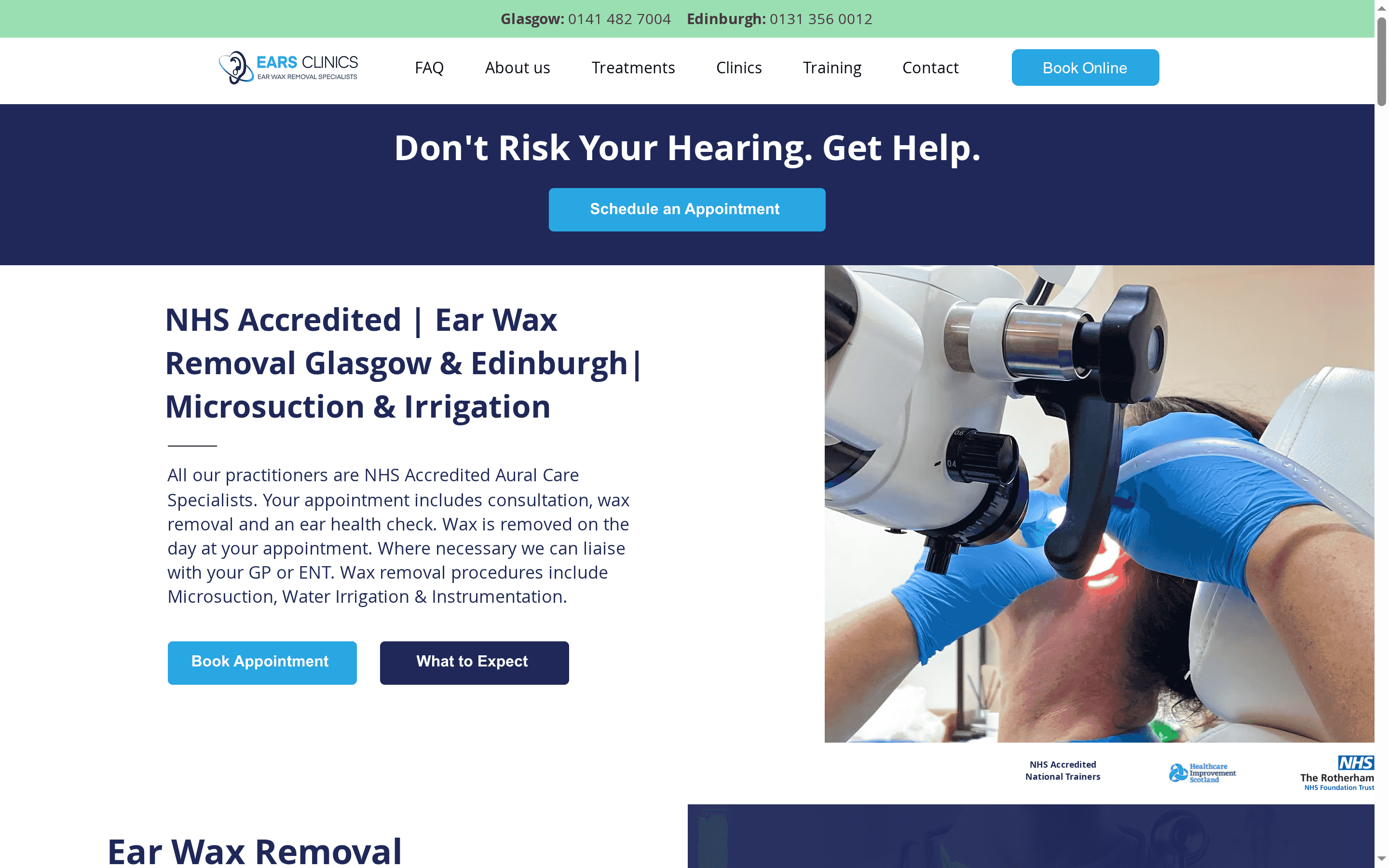
Avoid the risks of home removal attempts and benefit from our short waiting times, same-day appointments, and convenient home visits across Glasgow and Edinburgh. Whether you need treatment for adults or children from 2 years upwards, trust our Healthcare Improvement Scotland registered clinics for regulated and compassionate care. Take the next step for clearer hearing and comfort by booking an appointment online today on EARS Clinics or learn more about our expert services by visiting Ear Health Service. Your ears deserve professional attention that puts your health first.
Frequently Asked Questions
How can I tell if I have ear wax build-up?
Identifying ear wax build-up often involves noticing symptoms such as hearing loss, ear discomfort, or a feeling of fullness in the ear. If you experience these symptoms continuously for more than a few days, consult a healthcare professional for assessment and potential removal.
What should I do to prepare for ear wax removal at home?
To prepare for ear wax removal, apply olive oil ear drops to soften the wax. Use the drops 2 to 3 times daily for up to two weeks, ensuring the oil stays in the ear canal for several minutes each time to effectively break down the wax.
What are the safest methods for ear wax removal in a clinic?
The safest methods for ear wax removal in a clinic include microsuction, electronic irrigation, and manual instrumentation. Discuss your specific symptoms and medical history with your healthcare provider, who will recommend the most suitable method based on your unique ear condition.
What can I expect immediately after an ear wax removal procedure?
After an ear wax removal procedure, you should experience noticeable improvement in hearing and minimal discomfort. Monitor your symptoms for 24 to 48 hours, and if you notice persistent pain or unusual discharge, contact your healthcare provider for guidance.
How can I ensure proper ear health after removal?
To ensure proper ear health after wax removal, track key symptoms such as hearing clarity and any sensations in the ear canal. Maintain a diary of symptoms for the first 48 hours post-procedure, so you can provide this information to your healthcare provider if needed.
How long does it take to recover from ear wax removal?
Recovery from ear wax removal is typically swift, with noticeable improvement in hearing often occurring immediately. However, if symptoms like discomfort or a feeling of fullness persist for more than 48 hours, consult a healthcare professional for further evaluation.
Recommended