
Importance of Ear Health – Safe Care for Families
Updated: Jan 16

Every parent knows a blocked ear can turn a happy child’s day upside-down. Protecting children’s ear health is more pressing than ever, especially across British cities like Glasgow and Edinburgh, where access to NHS-accredited ear wax removal is vital. With up to one in ten children suffering from earwax-related discomfort, reliable care goes beyond just relief—it safeguards their hearing and long-term wellbeing. Discover how professional, child-focused solutions can make all the difference for families searching for trustworthy ear care.
Key Takeaways
Point | Details |
Understanding Ear Health | Ear health involves maintaining optimal auditory function and protecting delicate anatomical structures. Common myths can lead to harmful practices, highlighting the need for accurate information. |
Recognising Symptoms | Early identification of earwax build-up symptoms, such as fullness or hearing difficulties, is crucial for timely intervention and preventing complications. |
Professional Removal Techniques | Accredited practitioners use specialised methods for safe earwax removal, ensuring minimal discomfort and risks to patients through rigorous training and adherence to standards. |
Cost Considerations | Patients must weigh the differences in accessibility and costs between NHS and private services, as private options may offer quicker appointments and specialised care. |
Defining Ear Health and Common Myths
Ear health is a comprehensive concept involving the maintenance of optimal auditory function and protection of the ear’s complex anatomical structures. Far beyond simple hearing capacity, ear health encompasses understanding how our ears naturally maintain themselves and identifying potential risks that could compromise their delicate mechanisms.
Contrary to popular misconceptions, ears are remarkably self-regulating systems with built-in protective features. Prevalent myths about ear care often lead to harmful practices that can potentially damage these sensitive organs. For instance, many individuals mistakenly believe aggressive internal cleaning is necessary, when in reality, ears have sophisticated self-cleaning capabilities.
Most ear health myths stem from misunderstandings about basic physiological processes. Some common misconceptions include believing that earwax is inherently harmful and must be completely removed, or that loud environments cannot cause permanent hearing damage. In reality, earwax serves critical protective functions, trapping debris and preventing bacterial infections. Moderate amounts of earwax are not only normal but essential for maintaining ear health.
Pro tip: Always consult healthcare professionals before attempting any invasive ear cleaning procedures to prevent potential damage to your ear canal.
Recognising Symptoms of Wax Build-Up
Earwax build-up is a common condition that can significantly impact an individual’s hearing and overall ear comfort. Recognising the symptoms early is crucial for preventing potential complications and seeking appropriate medical intervention.
The most common symptoms of excessive earwax accumulation include a persistent feeling of fullness or blockage in the ear, noticeable hearing difficulties, and occasional discomfort. Some individuals may experience additional signs such as mild ear pain, intermittent ringing sounds (tinnitus), or a sense of dizziness. These symptoms can vary in intensity and may develop gradually, making it essential to pay attention to subtle changes in ear sensation.
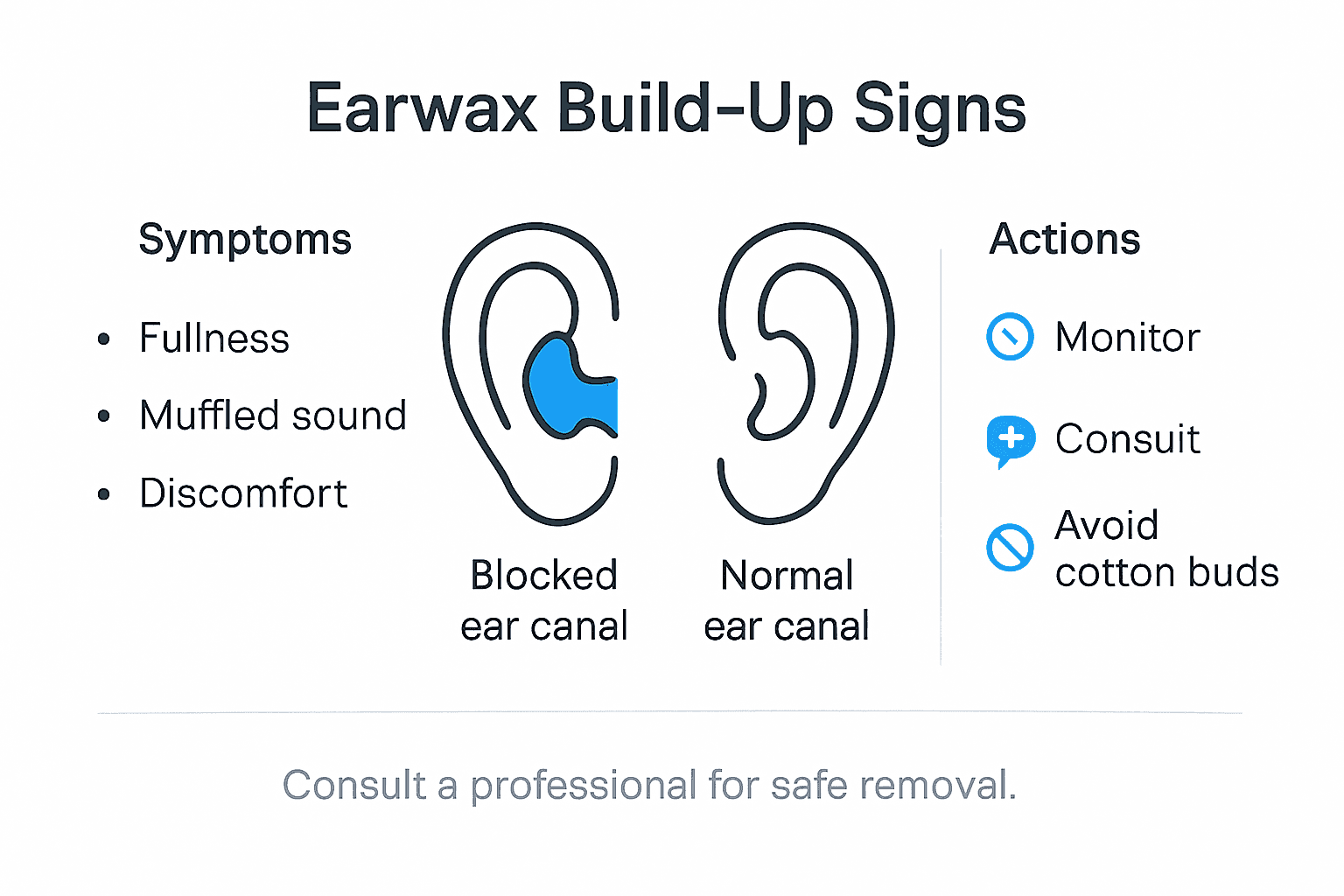
Parents and individuals should be particularly vigilant about potential wax build-up indicators. Symptoms might manifest differently across age groups, with children often experiencing more pronounced discomfort or communication challenges. Persistent ear scratching, reduced response to sounds, or complaints about ear pressure could signal an accumulation of earwax that requires professional assessment.
Pro tip: Keep a record of your ear-related symptoms and their duration to provide accurate information during your healthcare consultation.
Professional Wax Removal: Accredited Techniques
Professional ear wax removal requires specialised skills and rigorous training to ensure patient safety and effective treatment. Practitioners must adhere to comprehensive clinical standards that govern safe earwax extraction techniques, protecting patients from potential complications.

Accredited techniques encompass several sophisticated methods, including precise instrumental extraction using specialised tools like loops, curettes, and forceps. These instruments allow trained professionals to remove ear wax meticulously under magnification, ensuring minimal risk and maximum precision. Electronic water irrigation devices and professional suction equipment represent additional advanced approaches that skilled clinicians can employ, each technique carefully selected based on individual patient requirements.
Here’s a summary of professional ear wax removal methods and their key advantages:
Removal Method | Tools Used | Typical Benefits |
Instrumental extraction | Loops, curettes, forceps | Precise, minimal discomfort |
Water irrigation | Electronic irrigator | Suitable for soft wax |
Suction (microsuction) | Suction device, microscope | Effective for deep wax |
Qualified healthcare professionals undergo extensive training to master these techniques. This comprehensive preparation includes in-depth understanding of ear anatomy, infection control protocols, patient communication strategies, and medico-legal considerations. Practitioners must demonstrate competence through supervised training and rigorous evaluation, guaranteeing they can perform ear wax removal safely and effectively across diverse patient populations.
Pro tip: Always verify a practitioner’s professional credentials and training certification before undergoing any ear wax removal procedure.
Safety Regulations and Practitioner Expertise
The risks associated with ear wax removal demand strict regulatory oversight and professional competence, as improper techniques can lead to significant hearing and anatomical damage. Professional ear care requires extensive training, comprehensive understanding of ear physiology, and adherence to stringent safety protocols.
Healthcare regulators establish rigorous standards that practitioners must meet to perform ear wax removal. These standards encompass detailed training programmes, practical skill assessments, and ongoing professional development requirements. Qualified professionals must demonstrate precise knowledge of ear anatomy, understand potential complications, and possess the technical expertise to select appropriate removal techniques tailored to individual patient needs.
Safety regulations extend beyond technical competence, incorporating critical elements such as infection control, patient communication, and medico-legal considerations. Practitioners must maintain comprehensive documentation, obtain informed consent, and continuously update their clinical knowledge. This multifaceted approach ensures that ear wax removal remains a safe, controlled medical intervention that prioritises patient well-being and minimises potential risks.
Pro tip: Request to see a practitioner’s professional certification and ask about their specific training in ear wax removal techniques before any procedure.
Costs, Risks, and NHS Service Comparison
NHS ear wax removal services have experienced significant regional variations and accessibility challenges, creating substantial difficulties for patients seeking comprehensive ear healthcare. While public health services aim to provide essential medical support, many regions now struggle to offer consistent, timely ear wax removal treatments.
Private ear wax removal services typically range from £40 to £100 per session, presenting a more immediate and predictable alternative to NHS waiting lists. These private options often provide faster appointments, specialised equipment, and dedicated practitioners who can address ear health concerns more comprehensively. The cost difference reflects not just the procedure, but also the personalised care, shorter waiting times, and specialist expertise that private clinics offer.
This table highlights crucial differences between NHS and private ear wax removal services:
Service Type | Average Cost | Accessibility | Specialist Equipment |
NHS | Usually free | Variable, long waits | Basic public clinic tools |
Private clinic | £40–£100/session | Rapid, flexible | Advanced clinical devices |
The risks associated with delayed or inappropriate ear wax removal can be significant, potentially leading to hearing impairment, persistent discomfort, and increased likelihood of ear infections. Patients navigating between NHS and private services must carefully consider factors such as waiting times, practitioner qualifications, and the potential long-term consequences of untreated ear wax build-up. Understanding these nuances helps individuals make informed decisions about their ear health management.
Pro tip: Request a detailed cost breakdown and treatment plan from both NHS and private providers to make an informed decision about your ear wax removal options.
Prioritise Safe Ear Care with Professional Expertise
The article highlights the challenges of recognising symptoms and safely managing ear wax build-up without causing harm. Many individuals struggle with the risks of improper cleaning and the uncertainty around effective removal methods. If you or your family experience discomfort, hearing difficulties, or persistent ear blockage, these are important signs that professional intervention is needed. At EARS Clinics, we understand these concerns and provide NHS-accredited, safe ear wax removal techniques such as microsuction and irrigation performed by trained Aural Care Specialists.
Experience the reassurance of treatment by Healthcare Improvement Scotland registered clinicians who specialise in ear health care for all ages, including children and complex cases. With shorter waiting times and convenient options like same-day appointments or home visits, EARS Clinics offer a trusted alternative to NHS services. Take control of your ear health today by booking a professional appointment at EARS Clinics. Learn more about symptom recognition, treatment procedures, and personalised care on our website to protect your hearing now.
Frequently Asked Questions
What are the signs of earwax build-up?
Excessive earwax accumulation can lead to symptoms such as a feeling of fullness or blockage in the ear, hearing difficulties, discomfort, mild ear pain, tinnitus (ringing sounds), or dizziness. It’s essential to recognise these symptoms early to seek appropriate treatment.
How is earwax safely removed by professionals?
Professional earwax removal involves accredited techniques such as instrumental extraction using loops, curettes, and forceps. Methods can also include water irrigation or microsuction with a suction device. Qualified practitioners are trained to choose the most suitable method based on individual patient needs, ensuring safety and effectiveness.
Why is ear health important for families?
Maintaining ear health is crucial for everyone, particularly children, as it influences communication abilities, overall comfort, and development. Ignoring ear health can lead to complications such as hearing impairment or frequent ear infections, affecting quality of life.
What should I know before seeking professional earwax removal?
Before undergoing earwax removal, it’s vital to verify the practitioner’s credentials and their specific training in ear care. Additionally, understanding the costs associated with both NHS and private services, as well as the risks of inadequate treatment, can help in making an informed decision about ear health management.
Recommended