
What Is NHS Ear Care and Why It Matters

Every parent faces that moment when ear discomfort suddenly interrupts daily life, especially for children in Glasgow or Edinburgh. Safe and effective ear care matters because the NHS employs accredited procedures and strict safety standards for everything from ear wax removal to treating complex conditions. Whether you need urgent NHS-accredited help for your child or prefer private care for unique ear health needs, understanding your options ensures your family’s ears are cared for with confidence.
Key Takeaways
Point | Details |
NHS Ear Care Services | The NHS provides essential, comprehensive ear care services, including hearing aids, diagnostic assessments, and treatments for ear infections, mainly at no direct cost for eligible patients. |
Ear Hygiene Guidance | Families should avoid invasive cleaning methods like cotton buds and focus on gentle external cleaning instead, seeking professional help for persistent issues. |
Choosing Between Providers | Patients must consider the trade-offs between NHS and private providers, with the NHS offering standardised care and private options providing advanced technology and quicker access, albeit at a cost. |
Safety Standards | The NHS adheres to stringent safety standards and accredited procedures ensuring high-quality ear care across the United Kingdom, benefitting all patients, particularly vulnerable populations. |
NHS Ear Care Explained for Families
NHS ear care represents a comprehensive approach to maintaining healthy ears and preventing potential complications, particularly for families with children. The NHS provides guidance and professional support to ensure safe and effective ear hygiene practices that protect hearing and overall ear health.
For families, understanding ear care involves recognising the natural self-cleaning mechanisms of ears and knowing when professional intervention is necessary. Ear hygiene recommendations emphasise avoiding invasive practices like cotton bud usage, which can potentially push wax deeper and cause damage. Instead, the NHS recommends gentle external cleaning and seeking professional advice for persistent issues.
Children are particularly vulnerable to ear conditions, making professional guidance crucial. The NHS offers diagnostic services and treatment for common problems such as ear infections, providing clear guidance on symptom management and when to consult healthcare professionals. This includes recommending appropriate painkillers, understanding infection risks, and knowing the signs that require immediate medical attention.
Pro tip: Always consult your local GP or NHS professional if your child experiences persistent ear discomfort, hearing changes, or recurring infections.
Types of NHS Ear Care Services
The NHS offers a comprehensive range of ear care services designed to address various hearing and ear health needs for patients of all ages. These services encompass diagnostic assessments, treatment options, and ongoing support for individuals experiencing hearing challenges or ear-related medical conditions.
One of the primary services provided is hearing aid provision, which includes multiple hearing aid types tailored to individual patient requirements. The NHS supports individuals with different levels of hearing loss by offering behind-the-ear (BTE), receiver-in-ear (RITE), and in-the-ear (ITE) hearing aids. Audiologists work closely with patients to select the most appropriate device based on their specific hearing loss, ear anatomy, and lifestyle needs.
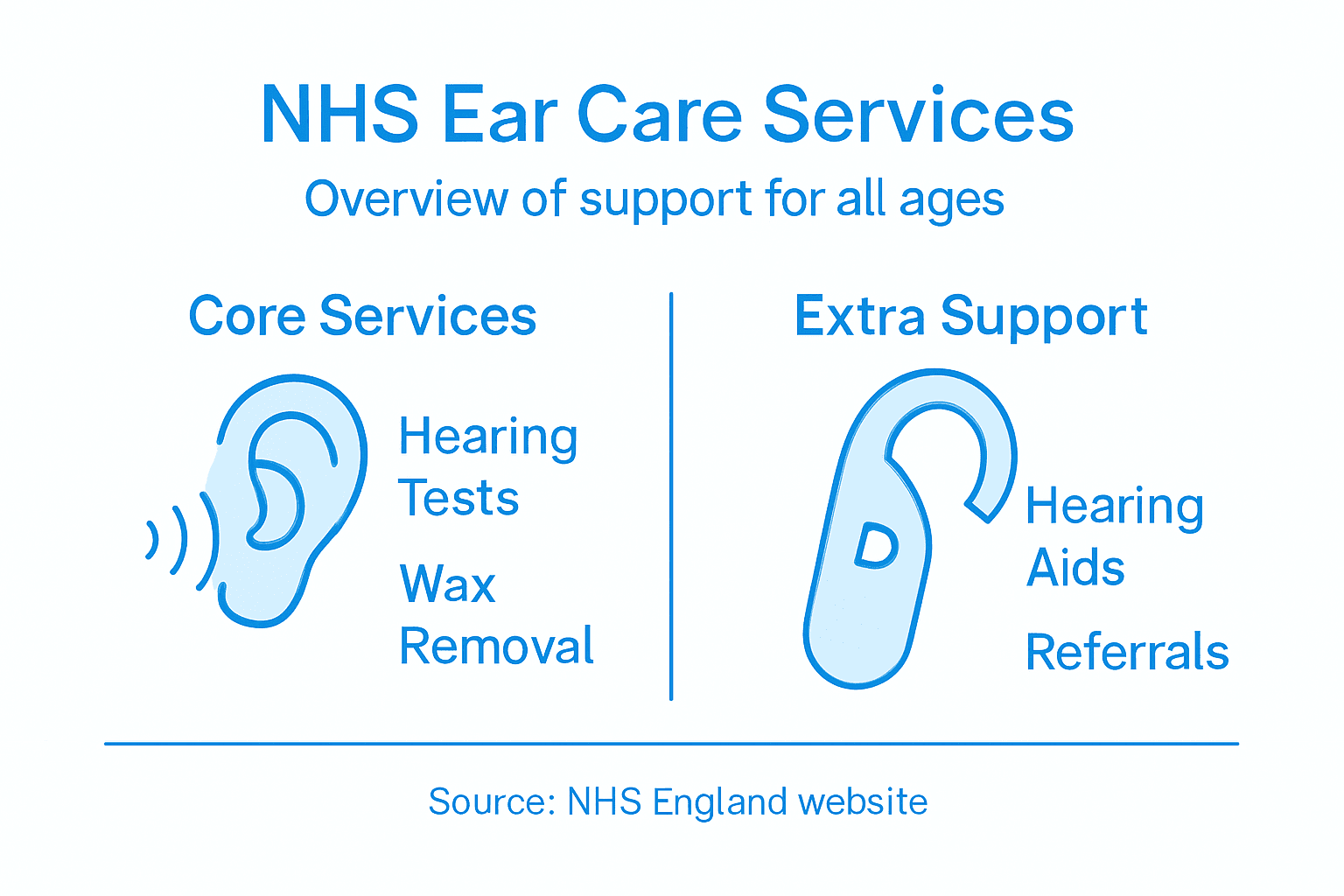
Beyond hearing aids, the NHS ear care services include comprehensive diagnostic assessments, ear wax removal procedures, treatment for ear infections, and specialised support for complex ear health conditions. These services are designed to provide holistic care, ensuring patients receive personalised treatment plans that address their unique hearing and ear health challenges. Professional audiologists and ENT specialists collaborate to deliver precise, patient-centred care that improves overall ear health and hearing capabilities.
Here’s a summary of NHS ear care service types and who benefits most from each:
Service Type | Description | Best For |
Hearing Aid Provision | Fitting and support for tailored hearing aids | Adults and children with hearing loss |
Diagnostic Assessments | Comprehensive tests of ear and hearing health | Patients with suspected issues |
Ear Wax Removal | Safe procedures for excessive or impacted wax | All age groups needing removal |
Infection Treatment | Management and prescription for ear infections | Children and vulnerable adults |
Pro tip: Schedule regular hearing assessments, especially if you notice any changes in your hearing or experience persistent ear-related symptoms.
Accredited Procedures and Safety Standards
The NHS maintains rigorous safety standards and accredited procedures to ensure the highest quality of ear care across the United Kingdom. These comprehensive guidelines are designed to protect patient welfare and maintain consistent, professional treatment protocols for various ear health interventions.
Central to these standards is the National Aural Care Strategy Group, which establishes standardised training and competency frameworks for healthcare professionals. This group plays a crucial role in developing and implementing protocols for safe ear wax removal, hearing assessments, and management of complex ear conditions. The guidelines ensure that practitioners follow evidence-based practices, minimising potential risks and maximising patient outcomes.

Specifically, the NHS has developed detailed clinical guidance that addresses unique patient needs, particularly for vulnerable populations. These standards encompass comprehensive assessment protocols, precise referral processes, and strict safety measures. Healthcare providers must undergo regular training and certification to maintain these high standards, which cover everything from initial patient consultation to complex ear health interventions. The guidelines are continuously updated to reflect the latest medical research and technological advancements in ear care.
Pro tip: Always request to see a practitioner’s current professional accreditation before undergoing any ear care procedure.
Costs of NHS vs Private Ear Clinics
Navigating the landscape of ear care services involves understanding the significant differences between NHS and private clinic offerings, particularly in terms of cost, accessibility, and service quality. While the NHS provides essential ear care services at no direct cost to eligible patients, private clinics offer alternative options with distinct advantages and financial considerations.
The NHS hearing aid service provides fundamental ear care solutions free of charge for eligible individuals. However, these services typically come with limitations such as restricted device choices and potentially longer waiting times. Private ear clinics, in contrast, offer a more expansive range of hearing aid technologies and styles, with costs varying significantly depending on the sophistication of the device and level of personalised care.
Cost considerations extend beyond the initial device purchase. Private clinics often provide more comprehensive aftercare, quicker appointments, and customised solutions that can be particularly beneficial for individuals with complex hearing needs. While NHS services remain a crucial healthcare resource, private options offer greater flexibility in technology selection, immediate access to care, and more personalised hearing health management. Patients must weigh the trade-offs between cost, waiting times, device variety, and ongoing support when choosing between NHS and private ear care services.
See how NHS and private ear clinics compare across key factors:
Aspect | NHS Clinics | Private Clinics |
Cost to Patient | Usually free for eligible | Varies, often substantial fees |
Device Choice | Limited, standard options | Wide range, advanced technologies |
Waiting Times | May be lengthy | Generally prompt appointments |
Aftercare Services | Basic support | Detailed, ongoing follow-up |
Pro tip: Request a detailed cost breakdown and compare the long-term value of NHS and private ear care options before making your final decision.
Choosing Between NHS and Private Providers
Selecting the right ear care provider requires careful consideration of individual healthcare needs, financial circumstances, and personal preferences. The decision between NHS and private services is not always straightforward and involves weighing multiple factors to ensure optimal ear health and hearing support.
Patients can make informed decisions by understanding the key differences between providers. NHS versus private healthcare options reveal distinct advantages and limitations. The NHS offers reliable, standardised care at no direct cost, making it an accessible option for many. Private providers, however, deliver more personalised services with advanced technology and shorter waiting times, albeit at a significant financial investment.
Critical factors to consider include technology access, waiting times, and service depth. While NHS services provide fundamental hearing support with reliable devices, private clinics offer cutting-edge hearing aid technologies, more comprehensive aftercare, and quicker appointment scheduling. Some patients opt for a hybrid approach, utilising NHS services for basic care and supplementing with private options for specialised treatments or advanced hearing solutions. The ultimate choice depends on individual hearing requirements, budget constraints, and personal healthcare priorities.
Pro tip: Schedule consultations with both NHS and private providers to gain a comprehensive understanding of your specific ear care needs before making a final decision.
Experience Safe and Expert Ear Care Beyond NHS Limits
The article highlights the importance of professional ear care and safe NHS-accredited procedures for ear wax removal and ear health management. If you or a loved one struggle with symptoms of wax buildup or require prompt, expert attention without long NHS waiting times, you deserve a solution that respects your time and health. At EARS Clinics, we understand how distressing persistent ear discomfort and hearing changes can be. Our trained, NHS-accredited Aural Care Specialists in Glasgow and Edinburgh provide microsuction, irrigation, and instrumentation techniques designed to deliver gentle, effective treatment in a safe environment.
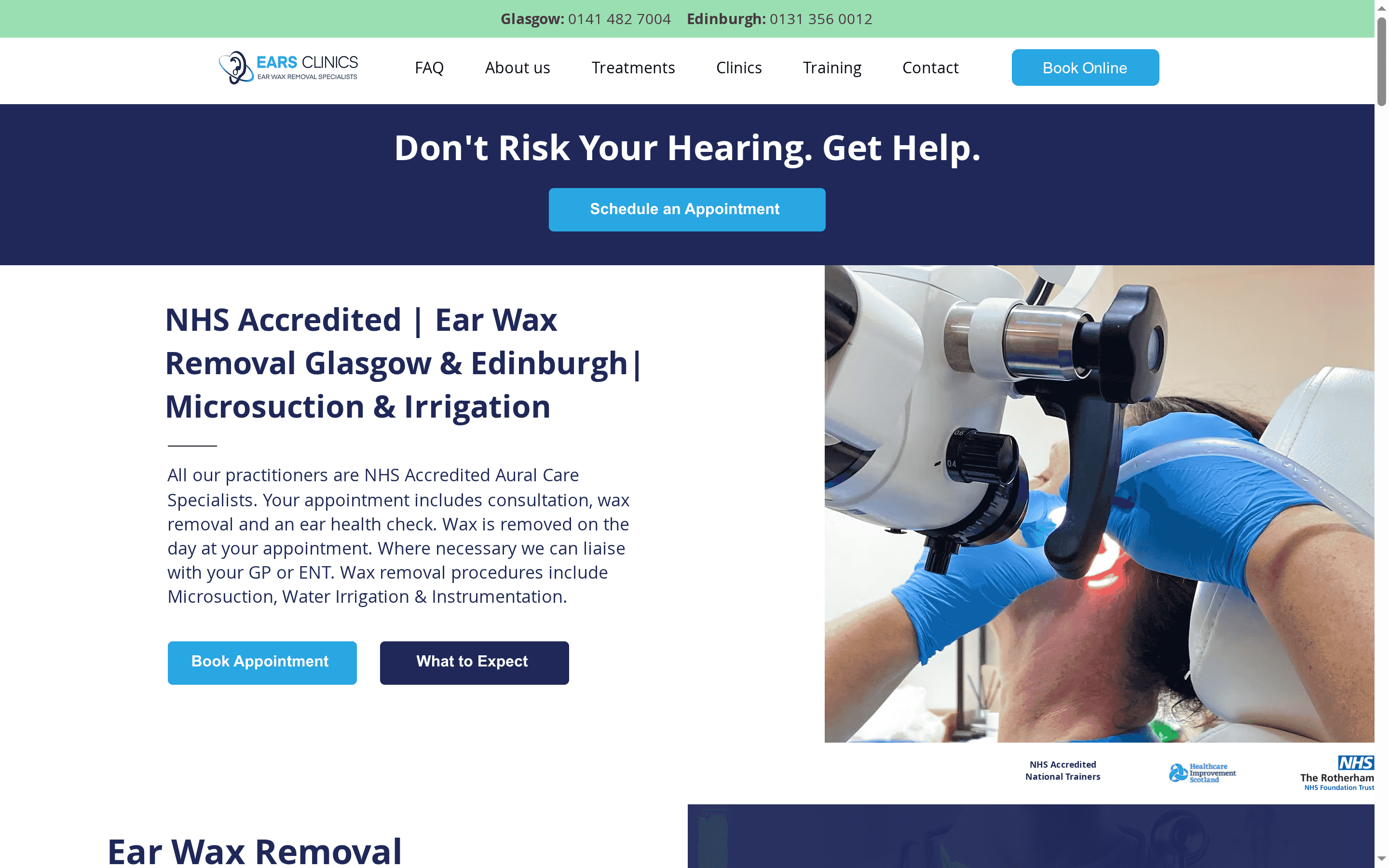
Don’t wait weeks for relief. Book a same-day appointment or arrange a convenient home visit with EARS Clinics today. Benefit from our strict Healthcare Improvement Scotland (HIS) regulation and personalised care tailored for patients aged 2 and above. Learn more about our expert ear wax removal services and discover how professional care can improve your ear health and hearing. Take control now by visiting EARS Clinics and secure the compassionate, accredited care you deserve.
Frequently Asked Questions
What services does the NHS offer for ear care?
The NHS provides a variety of ear care services, including hearing aid provision, diagnostic assessments, ear wax removal, and treatment for ear infections. These services cater to patients of all ages and aim to address different hearing and ear health needs.
How does NHS ear care ensure patient safety?
The NHS adheres to rigorous safety standards and accredited procedures, including guidelines established by the National Aural Care Strategy Group. These measures ensure that healthcare professionals are trained and follow best practices for ear assessment and treatment, minimising risks to patients.
What should I do if my child has persistent ear discomfort?
It’s important to consult your local GP or NHS professional if your child experiences ongoing ear discomfort, changes in hearing, or recurrent infections. Early intervention can help prevent complications and ensure appropriate management of ear health issues.
What are the key differences between NHS ear care and private clinics?
NHS ear care is typically free for eligible patients and provides fundamental services, whereas private clinics may offer a wider range of advanced technologies and personalised aftercare, often at a higher cost. Patients should consider their specific needs, budget, and preferences when deciding between the two options.
Recommended