
Professional Ear Cleaning: Safe Care for Children
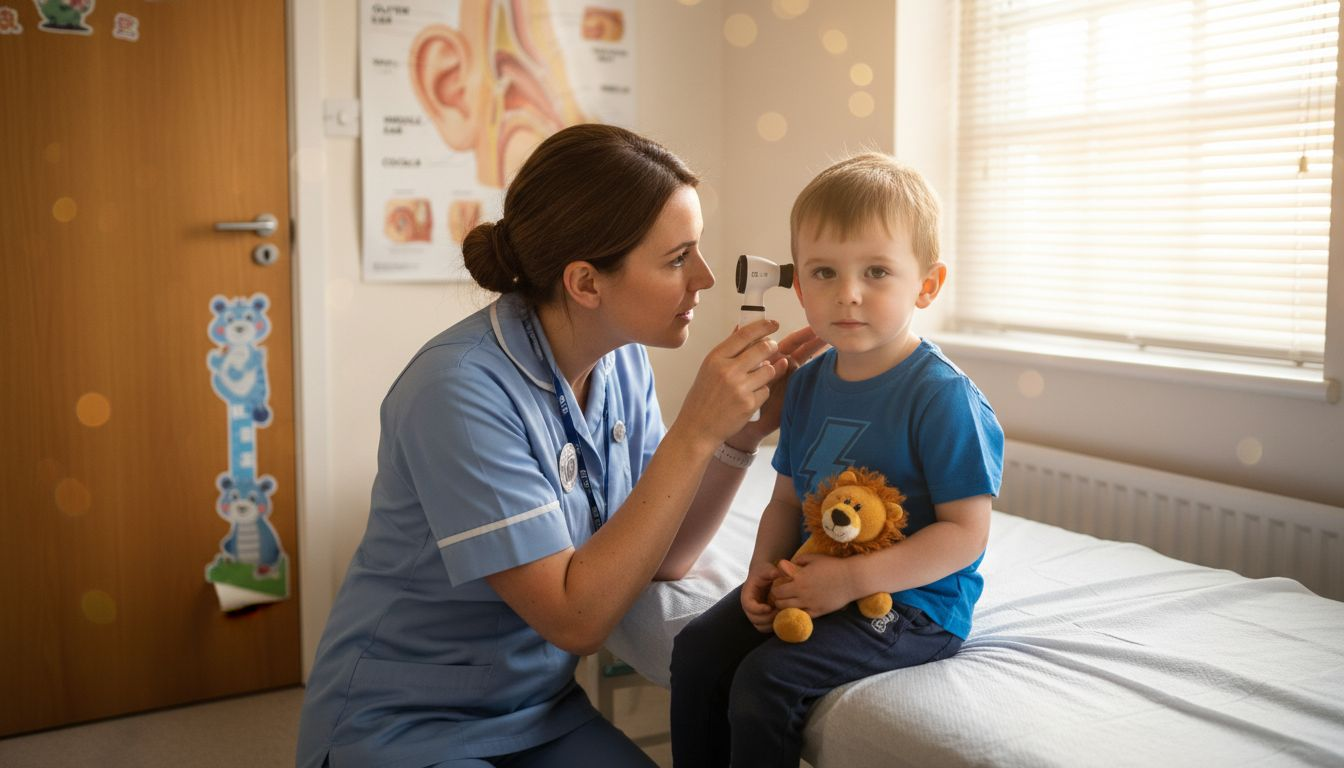
Every parent faces that moment when a child’s blocked ear brings discomfort and worry. Safe ear wax removal is more than just a quick fix for families in Glasgow and Edinburgh. Professional care means trained healthcare experts using specialised medical equipment to protect delicate ear structures, especially important for children under 18. This guide explains what makes regulated clinic services different and why choosing a skilled provider is vital for your child’s ear health.
Key Takeaways
Point | Details |
Professional Ear Cleaning is Essential | Qualified healthcare professionals employ advanced techniques to safely remove earwax and protect ear health, especially in children. |
Microsuction is the Preferred Method | This technique offers precision and minimal invasiveness, making it ideal for managing wax build-up in patients of all ages. |
Home Remedies Carry Risks | DIY cleaning can lead to injuries or infections; professional services ensure safe, regulated care tailored to individual needs. |
Private Clinics Offer Advantages | Private ear care provides prompt appointments and personalised treatment plans, reducing waiting times compared to NHS services. |
Defining professional ear cleaning services
Professional ear cleaning represents a specialised healthcare service designed to safely remove excess earwax and maintain optimal ear health for children. Unlike home remedies or untrained interventions, these services are performed by qualified healthcare professionals who utilise advanced techniques and specialised medical equipment to ensure patient safety and comfort.
During a professional ear cleaning procedure, trained clinicians conduct a comprehensive ear examination to assess the condition of the ear canal and determine the most appropriate cleaning method. These methods typically include microsuction, irrigation, and manual instrumentation, each selected based on the patient’s specific ear health requirements. The process involves using sterile, purpose-designed instruments that allow precise wax removal without risking damage to the delicate ear structures.
Healthcare professionals performing ear cleaning services follow strict regulatory guidelines established by organisations like Healthcare Improvement Scotland (HIS) and the Care Quality Commission (CQC). These regulations mandate comprehensive training, infection control protocols, and continuous professional development to ensure the highest standards of patient care. Clinicians must demonstrate extensive knowledge of ear anatomy, potential complications, and age-specific considerations, particularly when treating children who require more delicate and nuanced approaches.
Pro tip: Always request certification and professional credentials from ear cleaning practitioners to ensure you’re receiving safe, regulated healthcare services for your child.
Microsuction, irrigation and instrumentation explained
Microsuction represents the gold standard for professional ear cleaning, offering a precise and minimally invasive approach to removing earwax. Gold standard ear cleaning techniques involve using a specialised microscope and gentle suction device that allows clinicians to visualise the ear canal with exceptional clarity and remove wax safely.
The three primary professional ear cleaning methods include microsuction, irrigation, and manual instrumentation, each selected based on individual patient needs. Microsuction uses a low-pressure suction device under direct microscopic visualization, which enables clinicians to remove wax with remarkable precision. Irrigation employs a controlled water stream to flush out softer wax deposits, while manual instrumentation involves specialized tools like wax hooks and forceps for more stubborn or complex wax build-ups.
Clinical guidelines emphasise that the selection of ear cleaning technique depends on multiple factors including wax consistency, ear canal anatomy, patient age, and any pre-existing ear conditions. For children, clinicians must exercise additional caution, often preferring microsuction due to its minimal invasion and precise control. Each method requires extensive training and clinical judgment to ensure patient safety and prevent potential complications such as ear canal trauma or hearing damage.
Here is a summary of the main professional ear cleaning methods and when they are most suitable:
Method | Best for | Key Advantage |
Microsuction | Children, adults | Minimal risk, precise removal |
Irrigation | Soft wax build-up | Quick for large deposits |
Manual Instrumentation | Stubborn wax, complex canals | Effective in narrow canals |
Pro tip: Always request that your ear care professional explains the specific cleaning method they intend to use and why it’s most appropriate for your child’s unique ear health needs.
Risks of DIY methods versus clinic care
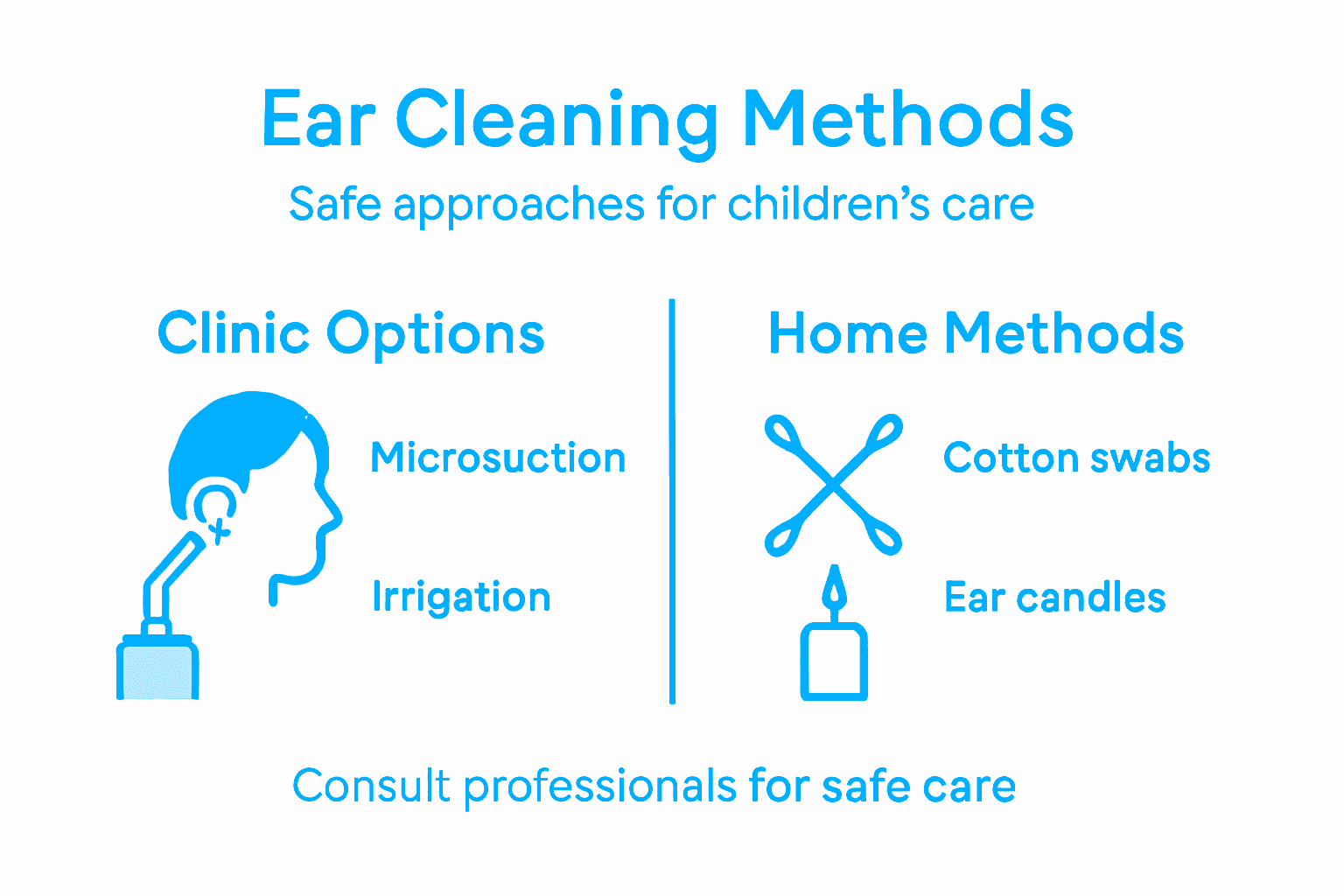
DIY ear cleaning methods pose significant risks that can compromise a child’s ear health and hearing. Self-ear cleaning practices frequently lead to unintended complications such as ear canal injuries, impacted earwax, and potential infections that can cause long-term damage to sensitive ear structures.
Common home cleaning techniques like cotton swabs, ear candles, and improvised tools can push earwax deeper into the ear canal, creating dangerous blockages and potentially perforating the delicate eardrum. Unlike professional clinicians who use specialised microsuction and visualization techniques, DIY methods lack the precision and safety mechanisms required for proper ear maintenance. These amateur approaches disrupt the ear’s natural self-cleaning mechanisms and protective wax barrier, increasing the risk of bacterial infections and hearing impairment.
Professional ear care clinics employ trained healthcare specialists who conduct thorough assessments before any cleaning procedure. They use sterile equipment, advanced microscopic visualization, and clinically approved techniques that minimise patient discomfort and eliminate the risks associated with home remedies. Children’s ear canals are particularly vulnerable, requiring expert handling to prevent potential trauma or long-term hearing complications that can arise from improper cleaning techniques.
Pro tip: Never insert any object into your child’s ear canal, and always consult a professional healthcare provider for ear cleaning and potential wax removal.
Specialist training and clinic accreditation standards
Professional ear care requires rigorous specialist training that goes far beyond basic medical education. Comprehensive ear wax removal training encompasses advanced modules covering ear anatomy, physiology, and specialised techniques such as microsuction and irrigation, ensuring practitioners develop exceptional clinical skills and patient care capabilities.
Accreditation standards for ear care clinics are stringently regulated by healthcare bodies like Healthcare Improvement Scotland (HIS) and the Care Quality Commission (CQC). These organisations mandate extensive professional development, requiring clinicians to complete continuous professional development (CPD) courses, demonstrate ongoing competency in advanced ear care techniques, and maintain meticulous patient record-keeping standards. Professional training programmes typically include detailed theoretical instruction and hands-on practical experience, with trainees learning to use sophisticated microscopic visualization equipment and understanding the nuanced complexities of ear canal structures.
The training curriculum for ear care specialists covers critical areas including patient assessment, risk management, infection control, and specialized removal techniques tailored to different patient age groups. For children’s ear care, additional specialised training focuses on gentle handling, age-appropriate communication, and understanding the unique anatomical considerations of paediatric ear health. Clinicians must demonstrate not only technical proficiency but also a comprehensive understanding of potential complications and patient safety protocols.
Pro tip: Always verify a clinic’s professional accreditations and ask about their practitioners’ specific qualifications before booking an ear care appointment for your child.
Child-specific techniques and tailored appointments
Ear care for children demands a highly specialised and sensitive approach that differs significantly from adult treatments. Child ear health checklist recommendations emphasise the importance of gentle, age-appropriate techniques designed to minimise anxiety and ensure maximum comfort during ear examinations and cleaning procedures.
Professional clinicians use specific paediatric assessment protocols that involve creating a calm, supportive environment before any ear cleaning procedure. These techniques include child-friendly communication strategies, careful positioning to reduce stress, and minimal invasive approaches tailored to a child’s developmental stage. Specialised microsuction equipment with adjustable settings allows practitioners to modify suction pressure and visualization techniques, ensuring safe and precise wax removal while maintaining the child’s emotional well-being.
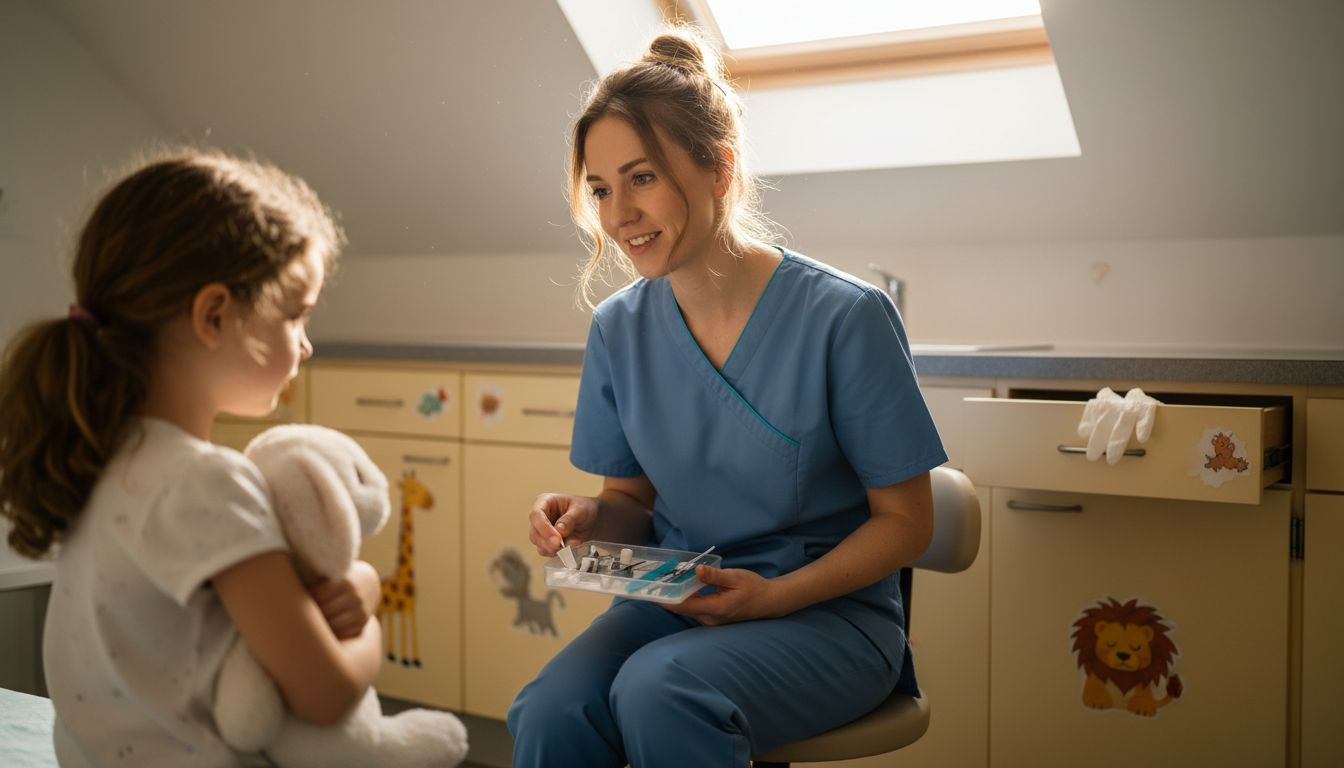
Tailored appointments for children incorporate comprehensive pre-screening processes that assess individual health history, ear canal development, and potential sensory sensitivities. Clinicians trained in paediatric ear care understand the unique anatomical differences in children’s ear structures, which require more delicate handling and advanced diagnostic skills. These appointments typically involve longer consultation times, allowing for gradual acclimatisation, parental involvement, and a step-by-step explanation of each procedure to build trust and reduce potential anxiety.
Pro tip: Schedule early morning appointments for children when they are typically more relaxed and cooperative, and bring a favourite comfort item to help them feel secure during the ear examination.
Private care advantages over NHS services
Navigation of ear wax removal services can be challenging, with NHS provisions becoming increasingly limited. NHS ear wax removal policies have significantly restricted access, creating lengthy waiting times and strict eligibility criteria that leave many patients without timely professional care.
Private ear care clinics offer substantial advantages over traditional NHS services, particularly for families seeking immediate and comprehensive ear health solutions. These clinics provide same-day appointments, flexible scheduling, and personalised treatment plans that are not typically available through NHS channels. Unlike NHS services, which often have stringent referral requirements and extended waiting periods, private clinics can assess and treat ear wax issues promptly, reducing the risk of potential complications from prolonged wax build-up.
The comprehensive nature of private ear care extends beyond mere wax removal. Clinicians in private practices offer detailed consultations, thorough diagnostic assessments, and follow-up care that comprehensively address individual patient needs. They invest significantly more time in patient education, demonstrating techniques for ear hygiene and providing personalised advice tailored to each child’s specific ear health requirements. This approach contrasts sharply with the often time-constrained and standardised approach of NHS ear care services.
Compare private and NHS ear care options at a glance:
Feature | Private Clinic | NHS Service |
Appointment Waiting Time | Usually same-day | Often several weeks |
Individualised Care | Personalised assessment | Standardised approach |
Follow-up Support | Routine follow-up offered | Limited to acute cases |
Service Availability | Broad, flexible hours | Restricted to core hours |
Pro tip: Compare the total cost of private ear care against potential NHS waiting times and associated risks of delayed treatment to make an informed healthcare decision.
Ensure Safe and Expert Ear Cleaning Care for Your Child Today
Excess earwax in children requires specialised and gentle handling to prevent discomfort and long-term hearing issues. At EARS Clinics, we understand the vital importance of professional ear cleaning methods such as microsuction, irrigation, and manual instrumentation. Our NHS-accredited Aural Care Specialists provide expert, child-specific assessments and treatments in a calm, reassuring environment following strict Healthcare Improvement Scotland guidelines. Avoid the risks of DIY methods and delayed NHS appointments with our swift and safe private ear health services.
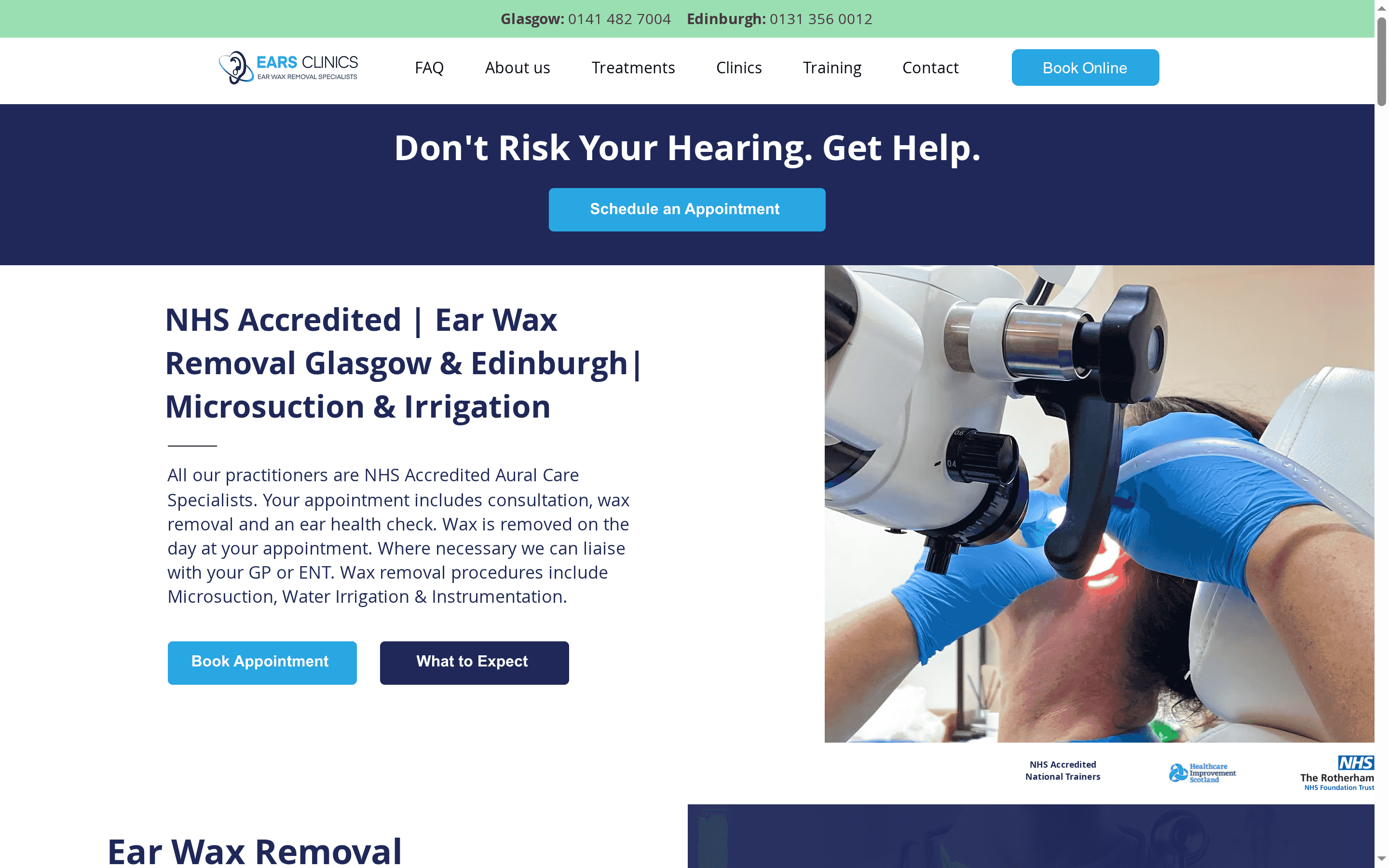
Take control of your child’s ear health now by booking a convenient appointment at EARS Clinics. Benefit from same-day consultations, expert care tailored to young patients, and proven techniques that prioritise safety and comfort. Discover how our regulated clinics in Glasgow and Edinburgh provide superior ear wax removal services for children from the age of two. Visit our website to learn more about professional ear cleaning procedures and secure your appointment today.
Frequently Asked Questions
What is professional ear cleaning for children?
Professional ear cleaning for children is a specialised healthcare service that safely removes excess earwax using techniques performed by qualified healthcare professionals. This ensures optimal ear health and prevents potential complications from improper cleaning methods.
What methods are used in professional ear cleaning?
The primary methods used in professional ear cleaning are microsuction, irrigation, and manual instrumentation. These techniques are selected based on the individual needs of the patient, considering factors like wax consistency and ear canal anatomy.
Why is DIY ear cleaning risky for children?
DIY ear cleaning can lead to significant risks, including ear canal injuries, impacted wax, and infections. Common methods such as cotton swabs can push wax deeper into the ear canal, causing blockages and potential damage to the eardrum.
What should I expect during a child’s ear cleaning appointment?
During a child’s ear cleaning appointment, a comprehensive assessment will be conducted, and techniques will be employed that ensure comfort and minimise anxiety for the child. Clinicians will explain each step of the procedure and tailor their approach to the child’s unique needs.
Recommended