
7 Essential Ear Care Tips for Children Every Parent Needs
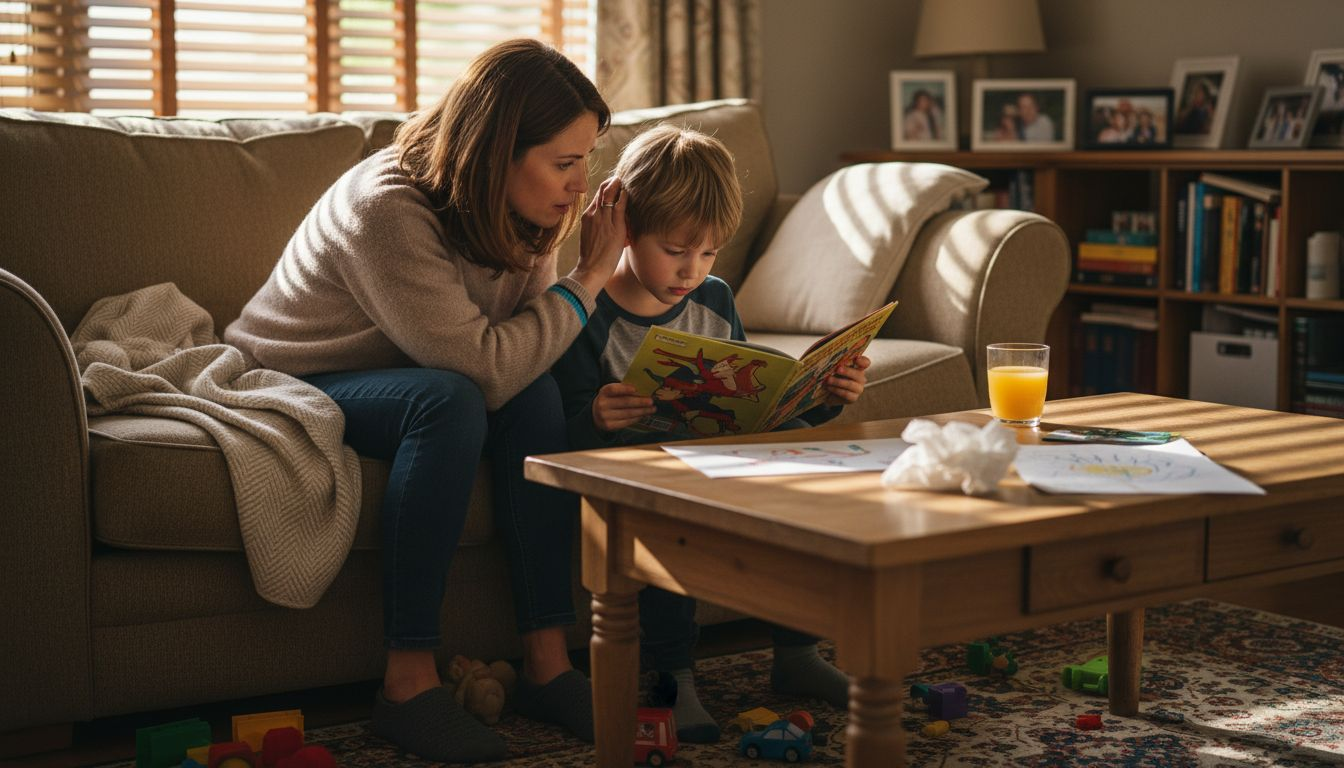
Caring for your child’s ears can feel confusing when you start noticing problems like muffled hearing, complaints of discomfort, or repeated ear pulling. The urge to reach for cotton buds or try home remedies is strong, but these methods often do more harm than good. Many parents are surprised to learn that earwax is healthy and that most cleaning attempts can actually make things worse.
The good news is that there are safe, specialist-backed ways to support your child’s ear health without risking injury or discomfort. This guide gives you straightforward tips and expert-approved methods to recognise when earwax is an issue, clean safely, and know when to seek professional help.
Read on to discover practical steps and insider advice that will give you peace of mind, prevent common mistakes, and help you keep your child’s ears healthy and comfortable.
Quick Summary
Key Message | Explanation |
1. Monitor for Earwax Signs | Look for decreased hearing, discomfort, or balance issues in children that may indicate earwax buildup. |
2. Avoid Unsafe Cleaning Methods | Do not use cotton buds or sharp objects, which can cause injury and push wax deeper into the ear. |
3. Consult Professionals for Symptoms | Seek medical attention for persistent ear pain, hearing loss, or unusual discharge to prevent complications. |
4. Prepare for Clinic Visits | Use honest communication and comfort objects to ease your child’s anxiety about medical examinations. |
5. Schedule Regular Check-ups | Annual ear health assessments help in the early detection of issues and maintain overall ear health. |
1. Recognising Signs of Ear Wax Buildup in Children
Children’s ear health requires careful observation and understanding of potential wax accumulation signs. Parents play a crucial role in identifying early indicators of ear wax buildup that might impact their child’s hearing and comfort.
Earwax naturally protects the ear canal, acting as a defence mechanism against dirt and bacteria. However, excessive buildup can cause noticeable symptoms that warrant professional attention. Earwax buildup in children typically manifests through several key indicators parents should monitor.
Key Signs of Ear Wax Buildup Include:
Decreased Hearing: Your child might seem less responsive or ask you to repeat instructions more frequently
Ear Discomfort: Pulling or rubbing ears, indicating potential blockage or irritation
Ringing Sensations: Unexplained buzzing or ringing sounds in the ear
Feeling of Fullness: Child reports a sensation of pressure or blockage in their ear
Balance Issues: Occasional dizziness or unsteadiness while walking
Parents should remember that not all ear wax requires removal. The body naturally expels excess wax through jaw movements and skin migration. Professional assessment becomes necessary when symptoms persistently impact your child’s daily functioning.
Important warning signs that demand immediate medical consultation include severe pain, persistent hearing loss, or discharge from the ear. These could indicate more serious conditions beyond typical wax buildup.
Top tip: Never attempt to remove ear wax using cotton buds or sharp objects, as these can push wax deeper and potentially cause injury.
2. Avoiding Cotton Buds and Unsafe Cleaning Methods
Parents often mistakenly believe cotton buds are a safe method for cleaning children’s ears. In reality, these seemingly innocuous tools pose significant risks to ear health and can cause serious damage.
Safe ear cleaning practices require understanding why certain methods are dangerous. Cotton buds can push earwax deeper into the ear canal, potentially causing blockages, infections, and even permanent hearing damage. The ear is a delicate structure that naturally self cleans and protects itself through earwax production.
Dangerous Ear Cleaning Methods to Avoid:
Cotton Buds: Risk pushing wax deeper and damaging ear canal
Sharp Objects: Bobby pins or other pointed items can perforate eardrums
Ear Candling: Completely unsafe and potentially causing severe burns
Aggressive Digging: Any internal ear canal manipulation by non professionals
Children’s ears require gentle external cleaning only. Parents should limit ear hygiene to wiping the outer ear with a soft washcloth during regular bathing. Earwax serves a protective function and should not be routinely removed unless recommended by a healthcare professional.
Top tip: If ear wax buildup seems excessive, consult a professional ear care specialist rather than attempting home removal.
3. Safe Cleaning Practices Recommended by Specialists
Ear hygiene for children requires gentle and specialised approaches that protect their delicate ear structures. Parents must understand that safe ear cleaning involves minimal intervention and careful external maintenance.
Professional ear cleaning techniques emphasise protecting the natural protective mechanisms of the ear canal. Specialists recommend approaches that respect the ear’s self cleaning abilities and minimise unnecessary interference.
Safe Ear Cleaning Guidelines:
Bathing Routine: Regular washing naturally helps remove excess earwax
Outer Ear Cleaning: Use soft washcloth to gently wipe external ear area
Avoid Internal Cleaning: Never insert objects inside ear canal
Approved Softening Drops: Use recommended mineral or baby oil drops if advised
Steam Assistance: Gentle steam can help naturally loosen earwax
Children’s ears are self regulating systems that typically manage earwax production independently. Parents should focus on external hygiene and consult healthcare professionals if significant wax buildup or discomfort occurs.
Top tip: Schedule annual ear health check ups to ensure your child’s ears remain clean and healthy without invasive interventions.
4. When to Seek Professional Ear Care for Your Child
Parents must remain vigilant about their children’s ear health, recognising that some situations require expert medical intervention. Understanding when professional care becomes necessary can prevent potential long term hearing complications.
Ear wax buildup impacts children’s health in ways that might not be immediately apparent to parents. Recognising critical warning signs helps ensure timely professional assessment and treatment.
Key Signs Requiring Professional Ear Care:
Persistent Ear Pain: Continuous discomfort lasting more than 24 hours
Hearing Loss: Noticeable reduction in hearing ability
Unusual Discharge: Green or bloody ear secretions
Repeated Ear Pulling: Frequent tugging suggests potential infection
Balance Disruptions: Unexplained dizziness or unsteadiness
Professional healthcare providers can safely remove impacted earwax using specialised techniques that protect your child’s delicate ear structures. They can also conduct comprehensive assessments to rule out underlying infections or structural issues.
Top tip: Trust your parental instincts and schedule a professional ear examination if you notice any persistent unusual symptoms in your child’s ear health.
5. Preparing Your Child for an Ear Clinic Visit
Navigating an ear clinic appointment can feel overwhelming for children, making parental preparation crucial to ensuring a smooth and stress free experience. Understanding how to approach this medical visit can significantly reduce anxiety for both child and parent.
Essential ear health care steps involve creating a supportive and calm environment before and during the clinical examination. Preparation begins well before entering the clinic.
Practical Preparation Strategies:
Honest Communication: Explain the procedure using age appropriate language
Comfort Objects: Bring a favourite toy or comfort item to the appointment
Remain Calm: Children often mirror parental emotional responses
Medical History: Prepare a concise summary of ear related symptoms
Ask Questions: Encourage your child to voice their concerns or curiosities
Healthcare professionals are trained to work with children and will adapt their approach to make the experience as comfortable as possible. Creating a positive narrative around medical visits helps children develop healthy attitudes towards healthcare.
Top tip: Practice gentle ear examination scenarios at home using play to help your child feel more comfortable with medical touch and procedures.
6. Maintaining Regular Ear Health Check-ups
ear health check-ups are more than a routine medical procedure they represent a critical preventative strategy for protecting your child’s long term hearing and overall ear wellness. Understanding the importance of consistent professional monitoring can help parents take proactive steps towards their child’s auditory health.
Professional ear wax removal offers significant advantages over home management strategies. Healthcare professionals can perform comprehensive assessments that go beyond simple wax removal.
Key Benefits of Regular Ear Health Check-ups:
Early Problem Detection: Identifying potential issues before they escalate
Professional Cleaning: Safe and thorough wax removal techniques
Hearing Assessment: Monitoring developmental hearing capabilities
Infection Prevention: Catching and treating ear infections early
Developmental Tracking: Ensuring proper ear and hearing development
Children with recurring ear issues or those using earbuds frequently require more vigilant monitoring. Regular check-ups provide an opportunity for healthcare professionals to assess ear health comprehensively and address any emerging concerns.
Top tip: Schedule annual ear health examinations and additional interim checks if your child experiences recurring ear related symptoms or discomfort.
7. Tailoring Ear Care Tips for Children with Special Needs
Children with special needs require individualised approaches to ear health that recognise their unique physiological and communication challenges. Understanding these distinctive requirements helps parents provide more compassionate and effective ear care.
Role of ear hygiene becomes particularly critical for children with developmental disabilities or sensory processing differences. These children may experience heightened sensitivity or communication barriers that complicate traditional ear care approaches.
Specialised Ear Care Considerations:
Communication Challenges: Develop non verbal symptom recognition techniques
Sensory Sensitivity: Use gentle approaches during ear examinations
Hearing Aid Management: Regular cleaning and moisture control
Professional Coordination: Work closely with specialised healthcare providers
Individualised Monitoring: More frequent professional ear health assessments
Caregivers must adopt flexible strategies that prioritise the child’s comfort and unique sensory experiences. This might involve creating calm examination environments or developing personalised communication methods for understanding ear related discomfort.
Top tip: Create a visual communication chart showing ear related symptoms to help children with communication difficulties express their ear health experiences.
Below is a comprehensive table summarising the key points discussed throughout the article regarding ear health practices for children.
Topic | Main Points | Important Considerations |
Recognising Signs of Ear Wax Buildup | Symptoms include decreased hearing, ear discomfort, ringing sensations, feeling of fullness, and balance issues. | Severe symptoms like pain or discharge require immediate medical attention. |
Avoiding Unsafe Cleaning Methods | Tools to avoid include cotton buds, sharp objects, ear candling, and aggressive digging. | Cleaning should be limited to the exterior ear using a soft cloth. |
Safe Cleaning Practices | Utilise bathing routines, use soft cloths for external cleaning, and consider approved softening drops. | Only professionals should remove excessive earwax when necessary. |
Professional Care Indicators | Persistent pain, hearing loss, discharge, repeated ear pulling, and balance disruptions suggest professional intervention is needed. | Ensure timely assessments by healthcare providers to avoid complications. |
Preparing for Professional Visits | Engage in honest communication, bring comfort items, and provide clear medical histories. | Create positive attitudes towards healthcare visits through gentle preparation. |
Importance of Regular Check-ups | Check-ups enable problem detection, infection prevention, and ongoing developmental monitoring. | Annual examinations are crucial for maintaining ear health. |
Tailoring Care for Special Needs Children | Customise ear care practices to account for sensory sensitivity and communication challenges. | Work closely with healthcare specialists to meet individual requirements effectively. |
Protect Your Child’s Ear Health with Expert Care at EARS Clinics
Navigating ear wax buildup and safe ear care for your child can be challenging. This article highlights common concerns such as recognising signs of blockage, why cotton buds should be avoided, and when professional intervention is essential. If you want to ensure your child receives the best care with advanced techniques like microsuction and irrigation, EARS Clinics in Glasgow and Edinburgh offer NHS-accredited specialists trained to handle these delicate situations safely and effectively.

Take action now to provide your child with reliable ear health support that respects their unique needs. Visit EARS Clinics to book your appointment for same-day clinical or convenient home visits. Learn more about safe ear cleaning practices and why professional ear wax removal beats DIY methods when it matters most. Don’t wait until symptoms worsen. Trust the experts who prioritize your child’s comfort and hearing health.
Frequently Asked Questions
How can I recognise ear wax buildup in my child?
Recognising ear wax buildup in your child involves monitoring signs like decreased hearing, ear discomfort, ringing sensations, a feeling of fullness in the ear, or balance issues. Observe these symptoms regularly and consult a professional if they persist to ensure your child’s ear health.
What are safe ear cleaning practices for children?
Safe ear cleaning practices for children include using a soft washcloth to gently wipe the outer ear during bathing and avoiding any internal cleaning. Focus on maintaining gentle hygiene while letting the ear’s natural mechanisms do their job.
When should I seek professional ear care for my child?
You should seek professional ear care for your child if they experience persistent ear pain, noticeable hearing loss, unusual ear discharge, frequent ear pulling, or balance disruptions. Schedule a consultation as soon as these symptoms occur to prevent further issues.
What should I do to prepare my child for an ear clinic visit?
To prepare your child for an ear clinic visit, explain the procedure in age-appropriate language, bring a favourite comfort object, and remain calm to ease their anxiety. Additionally, prepare a brief summary of their ear-related symptoms to share with the healthcare professional.
How often should I take my child for ear health check-ups?
It is advisable to schedule annual ear health check-ups for your child, and more frequent visits if they experience recurring ear discomfort or symptoms. Regular monitoring can help catch potential issues early and maintain optimal ear health.
What special considerations should I have for children with special needs regarding ear care?
For children with special needs, consider communication challenges and sensory sensitivities when providing ear care. Develop personalised monitoring strategies and work closely with specialised healthcare providers to ensure a comfortable and effective ear care approach.
Recommended