
How to Prevent Ear Wax Buildup Naturally and Safely
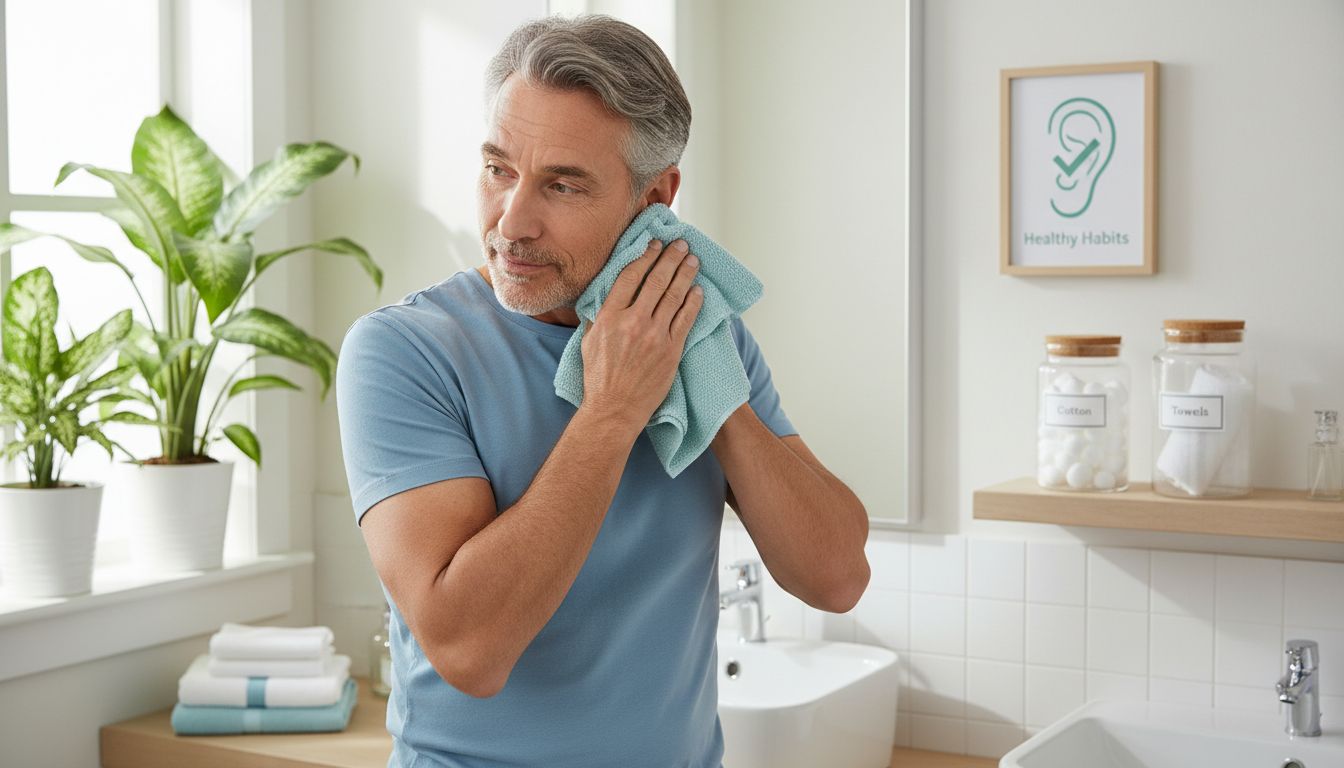
Over 30 percent of british adults report regular trouble with ear wax buildup, making it a surprisingly common concern. Everyday habits and environmental factors often play a bigger role than most people realise, and ignoring these triggers can lead to discomfort or even hearing problems. By understanding what causes excess wax and how to care for your ears safely, you can keep your ear health on track and avoid unnecessary complications.
Quick Summary
Key Insight | Explanation |
1. Recognise factors that increase wax buildup | Be aware of lifestyle and environmental factors, such as using earbuds, that can enhance ear wax production and retention. |
2. Practice gentle ear hygiene | Clean your ears by wiping the outer area with a soft washcloth and avoid inserting objects like cotton swabs that may push wax deeper. |
3. Modify habits to minimise irritation | Limit the use of earbuds and earphones; use over-ear styles instead and avoid foreign objects in your ear canal. |
4. Monitor for warning signs of blockage | Look out for symptoms like hearing loss, pain, or fullness in your ears that indicate excessive wax accumulation. |
5. Seek professional care for issues | Consult qualified professionals if experiencing persistent ear wax problems to ensure safe and effective removal and treatment. |
Étape 1: Identify factors increasing ear wax buildup
Understanding the key factors contributing to ear wax buildup can help you proactively manage your ear health and prevent unnecessary complications. Lifestyle and environmental conditions play a significant role in how rapidly ear wax accumulates, making it crucial to recognise potential triggers.
Certain daily activities and personal habits substantially increase ear wax production and retention. The regular use of earbuds, ear plugs, hearing aids, and even cotton swabs that push wax deeper into the ear canal can dramatically enhance wax buildup. Environmental factors like dust exposure, high humidity, and working in areas with significant airborne particles can also stimulate increased ear wax production as a natural protective mechanism.
Professional and lifestyle factors warrant particular attention. Individuals working in construction, manufacturing, or dusty environments are more prone to ear wax accumulation. Similarly, those who frequently use headphones, work in noisy environments, or have specific genetic predispositions might experience more rapid wax buildup. Recognising these factors empowers you to take preventative measures and maintain optimal ear health.
Étape 2: Adopt gentle daily ear hygiene routines
Maintaining healthy ears requires understanding how to clean them safely and effectively. Proper ear hygiene is essential for preventing wax buildup while protecting your delicate ear canal from potential damage.
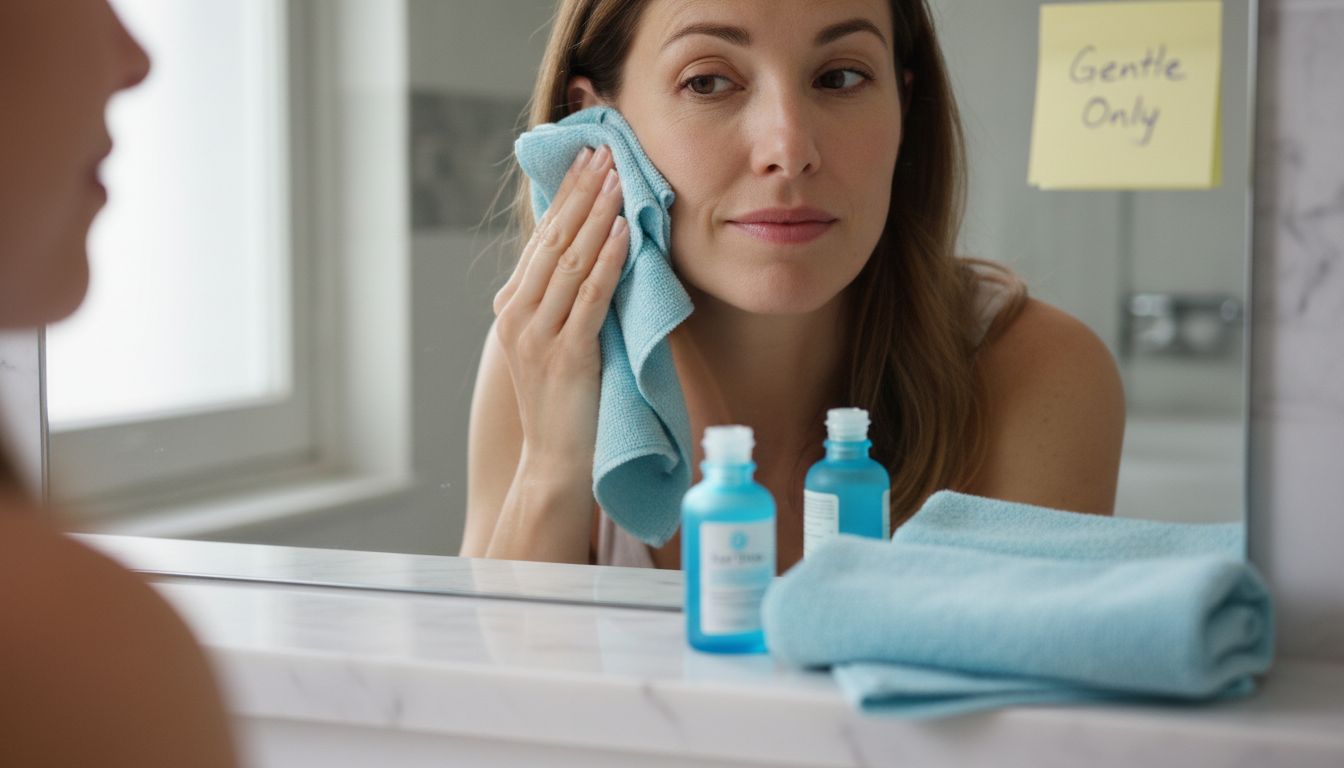
The most crucial aspect of ear care is avoiding invasive cleaning methods. Experts recommend letting ear wax naturally progress out of the canal and simply wiping the outer ear entrance with a clean, soft washcloth. Cotton swabs and similar objects should be completely avoided, as they can push wax deeper into the ear canal, potentially causing blockages or injuries.
A gentle daily routine involves washing the outer ear during your regular shower or bathing time. Use warm water and a soft washcloth to carefully clean around the ear opening, ensuring you do not insert anything inside the canal. Pat the area dry with a clean towel, and allow your ears to naturally regulate their wax production. Remember that ear wax serves a protective function, trapping dust and preventing bacterial infections, so over cleaning can actually disrupt this natural defence mechanism.
Étape 3: Modify habits to reduce ear canal irritation
Reducing ear canal irritation requires mindful changes in your daily habits and technology interactions. Avoiding foreign objects in the ear canal can significantly minimise the risk of wax accumulation and potential damage.
Perhaps the most critical habit to address is the frequent use of earbuds, headphones, and other insertable audio devices. Research demonstrates that repeated insertion of objects like q-tips and earbuds can predispose individuals to ear wax blockage. When using headphones, opt for over ear designs that do not directly contact the ear canal, and ensure you clean these devices regularly to prevent bacterial buildup. For those who must use in ear devices, consider purchasing models with soft, hypoallergenic tips and limit continuous usage to prevent moisture and wax retention.
Additionally, be mindful of environmental factors that might increase ear canal sensitivity. Exposure to high dust levels, extreme temperatures, and prolonged humidity can stimulate increased wax production. Consider using protective ear coverings in challenging environments and maintain good overall ear hygiene by gently cleaning the outer ear without inserting anything into the canal.
Étape 4: Monitor ear health and recognise warning signs
Staying vigilant about your ear health requires understanding the subtle signals your body sends when ear wax becomes problematic. Recognising early warning signs of ear wax blockage can help you take proactive steps to prevent potential hearing complications.
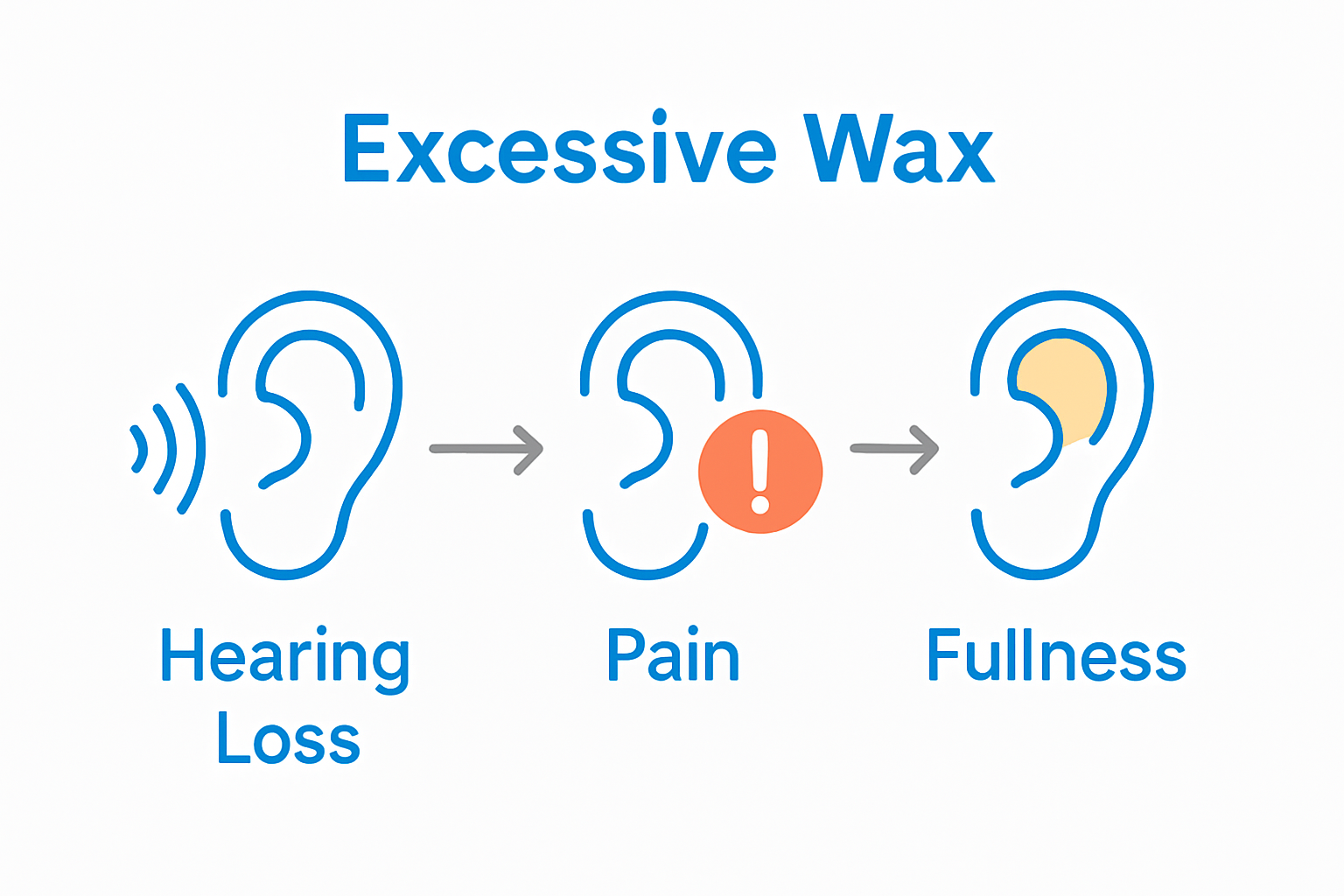
Clinical research indicates several key symptoms that suggest excessive ear wax accumulation. Comprehensive medical studies highlight multiple indicators including hearing loss, ear pain, fullness in the ear, unexpected dizziness, persistent itching, and even an intermittent cough. Pay special attention to gradual hearing reduction, a sensation of pressure or fullness in your ears, or unexplained ringing known as tinnitus. These symptoms often develop incrementally and should not be ignored.
If you experience persistent symptoms or significant discomfort, it is crucial to seek professional medical assessment. Trained ear care specialists can perform a thorough examination to determine the extent of wax buildup and recommend the most appropriate treatment. Remember that self diagnosis can be risky, and professional guidance ensures your ear health remains optimal.
Étape 5: Seek professional care for persistent issues
Persistent ear wax problems require expert intervention to prevent potential long term hearing complications. When ear wax build-up begins blocking your hearing or creating muffled sounds, it is crucial to consult a healthcare professional who can safely address the issue.
Trained and qualified professionals are best equipped to remove impacted ear wax using specialised techniques that minimise risk and discomfort. During a professional ear wax removal consultation, practitioners will conduct a comprehensive assessment to determine the most appropriate treatment method. These methods might include microsuction, irrigation, or manual instrumentation depending on your specific ear health condition.
Prioritise seeking care from regulated clinics with NHS accredited specialists who follow strict healthcare guidelines. These professionals can not only remove ear wax safely but also identify any underlying conditions that might contribute to excessive wax production. By choosing professional care, you protect your hearing and ensure a thorough, expert approach to your ear health.
Take Control of Ear Wax Buildup With Expert Help
Managing ear wax naturally and safely, as discussed in the article, is essential to avoid discomfort, hearing loss and other ear health issues. If you have noticed symptoms like ear fullness, itching or muffled hearing it might be time to consider professional support beyond daily hygiene and habit changes. The journey to healthy ears requires skilled care when wax buildup becomes persistent or impacts your quality of life.

At EARS Clinics, we specialise in NHS-accredited ear wax removal using gentle techniques such as microsuction, irrigation and manual instrumentation. Our trained Aural Care Specialists in Glasgow and Edinburgh understand how to address wax blockages safely and effectively for patients of all ages. We offer same-day appointments, convenient home visits and provide reassurance through regulated care adhering to the highest standards. Take the first step to better hearing today by visiting our booking page and experience professional ear care designed to protect and restore your natural ear health.
Frequently Asked Questions
How can I prevent ear wax buildup naturally?
To prevent ear wax buildup naturally, maintain a gentle ear hygiene routine by cleaning the outer ear with a soft washcloth during your shower. Avoid using cotton swabs or inserting objects into the ear canal, as this can push wax deeper and lead to blockages.
What lifestyle changes can help reduce ear wax production?
Making simple lifestyle modifications can help reduce ear wax production. Limit the use of earbuds and headphones, especially those that insert into the ear canal, and consider using over-ear designs instead. This can significantly minimise the chances of wax accumulation.
How often should I clean my ears to avoid wax build-up?
You should clean your ears gently a few times a week. Focus on the outer ear during your bathing routine, ensuring you use a clean, soft cloth to wipe the area without inserting anything into the canal. Regular maintenance helps keep wax at manageable levels.
What are the warning signs of excessive ear wax buildup?
Be vigilant for symptoms like hearing loss, ear pain, or a feeling of fullness in the ear, which can signal excessive wax buildup. If these symptoms persist or worsen, consider seeking professional advice to address the issue promptly.
How can environmental factors impact ear wax accumulation?
Environmental factors like high humidity, dust exposure, or working in dirty conditions can increase ear wax production. Protect your ears in such situations by using ear coverings and maintaining good hygiene to keep wax levels balanced.
When should I seek professional help for ear wax issues?
You should seek professional help if you experience persistent blocking of your hearing, pain, or discomfort due to ear wax. A qualified healthcare provider can safely remove impacted wax and prevent potential long-term hearing complications.
Recommended