
Ear Wax Removal in A&E: What Hospitals Actually Provide

Over eight million British adults experience ear wax buildup severe enough to require professional care each year. This surprising figure highlights how widespread ear health issues are in the United Kingdom, often disrupting daily routines and causing significant discomfort. Understanding the difference between urgent situations and routine ear wax removal can help you figure out when it is truly necessary to seek medical help and which British healthcare options are best suited for your needs.
Key Takeaways
Point | Details |
Ear Wax Blockage Symptoms | Persistent ear pain, reduced hearing, and fullness in the ear signify potential blockage requiring medical evaluation. |
Emergency Department Utilisation | Emergency departments are designed for urgent health conditions; patients with non-urgent issues should seek alternative care. |
When to Seek Immediate Attention | Intense pain, sudden hearing loss, or signs of infection necessitate prompt professional assessment. |
Alternative Care Options | General practitioners and specialised clinics provide efficient management for non-urgent ear health concerns, reducing wait times. |
Ear Wax Blockage and Medical Needs
Ear wax blockage represents a significant medical condition affecting hearing and ear health. When cerumen (ear wax) accumulates excessively in the ear canal, it can create substantial discomfort and potential medical complications. Ear wax impaction occurs when natural wax production exceeds the body’s ability to self-clear, leading to potential hearing challenges.
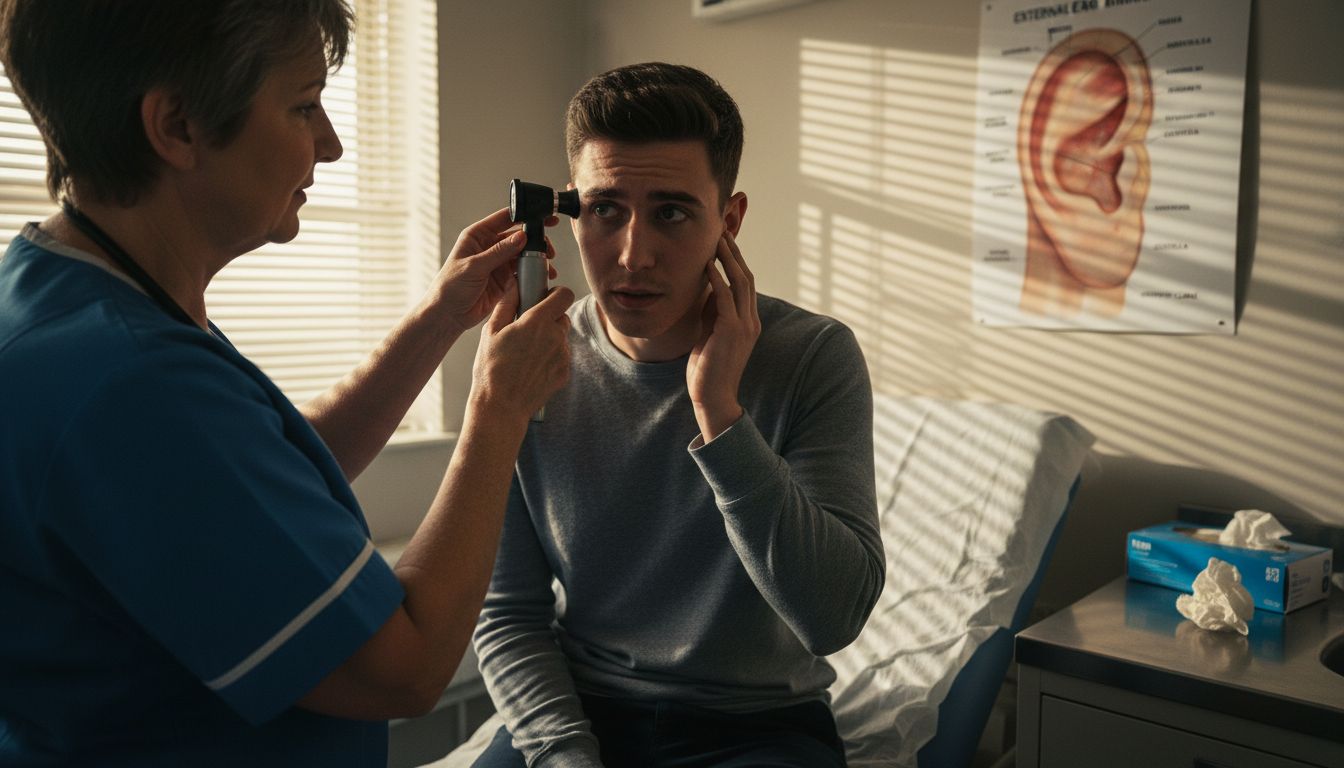
Several key symptoms indicate potential ear wax blockage that might require medical intervention. These include persistent ear pain, reduced hearing capacity, a sensation of fullness in the ear, tinnitus (ringing sounds), and occasional dizziness. Healthcare professionals recommend professional assessment when these symptoms persist, as untreated ear wax blockages can potentially lead to more serious ear infections or hearing complications.
Medical professionals utilise various diagnostic and treatment approaches for ear wax blockage. Standard procedures include:
Otoscopic examination to visualise wax accumulation
Professional microsuction techniques
Gentle irrigation methods
Manual instrumentation by trained clinicians
Patients should never attempt self-removal using cotton buds or sharp objects, as these methods can potentially damage the delicate ear canal and eardrum, potentially causing more significant medical issues. Professional assessment ensures safe, controlled wax removal tailored to individual ear health requirements.
Hospital Emergency Departments: What They Treat
Hospital emergency departments represent critical healthcare environments designed to provide immediate, comprehensive medical interventions for patients experiencing urgent health conditions. These specialised units operate continuously, ensuring round-the-clock access to emergency medical services for individuals facing potentially life-threatening or serious health challenges.
Emergency departments handle a diverse range of medical situations, prioritising treatments based on clinical urgency. Typical emergency scenarios include sudden medical collapses, severe chest pain, respiratory distress, major traumatic injuries, neurological emergencies, and acute systemic infections. Highly trained medical professionals such as emergency physicians, nurses, and specialist consultants work collaboratively to assess, stabilise, and initiate appropriate treatment protocols.
Key characteristics of hospital emergency departments include:
Immediate triage and patient assessment
Rapid diagnostic capabilities
Multidisciplinary medical teams
Advanced life support equipment
24-hour operational capacity
Comprehensive treatment for multiple medical conditions
While emergency departments are equipped to manage complex medical scenarios, patients are advised to use these services judiciously. Minor ailments or non-urgent medical concerns are better addressed through general practitioner clinics or walk-in healthcare centres, helping to maintain emergency resources for critical medical interventions.
When Ear Wax Is Considered an Emergency
Ear wax blockages are typically not considered medical emergencies, but certain circumstances demand immediate professional attention. Specific symptoms may indicate a more serious underlying condition that requires urgent medical evaluation. These critical indicators include sudden and severe ear pain, complete hearing loss, persistent dizziness, or signs of potential infection such as high fever, discharge, or significant swelling.
Urgent medical intervention becomes necessary when ear wax blockage presents with complex or escalating symptoms that suggest potential complications. Healthcare professionals recommend immediate assessment if patients experience:
Intense, unrelenting ear pain
Sudden or total hearing loss
Severe vertigo or balance disruptions
Signs of infection like high temperature
Neurological symptoms accompanying ear discomfort
Persistent drainage or unusual ear discharge
Patients should understand that while most ear wax issues can be managed through routine clinical procedures, certain red flags necessitate emergency department intervention. Traumatic ear injuries, suspected infections spreading beyond the ear canal, or neurological symptoms accompanying ear problems warrant immediate professional medical evaluation to prevent potential long-term hearing damage or systemic health complications.
Alternatives to NHS A&E for Ear Care
Patients seeking ear care alternatives have multiple options beyond hospital emergency departments. General practitioners, specialised ear clinics, and walk-in healthcare centres provide efficient, targeted solutions for non-urgent ear-related concerns. These alternative healthcare settings offer professional medical assessments without the extended waiting times and complex processes associated with A&E departments.
Non-emergency ear conditions can be effectively managed through various primary care pathways. Urgent care clinics and specialised ear health services present streamlined options for patients experiencing mild to moderate ear discomfort. These alternative healthcare providers typically offer:
Rapid consultation times
Targeted ear health assessments
Professional microsuction services
Comprehensive ear wax removal techniques
Personalised treatment recommendations
Shorter waiting periods compared to A&E
Patients should consider consulting their local general practitioner, community healthcare centre, or specialized ear clinic for routine ear health concerns. These professional environments provide expert care, ensuring thorough examination and appropriate treatment while reducing unnecessary strain on hospital emergency resources. Advanced ear care clinics can often schedule appointments within days, offering a more efficient and patient-focused approach to managing ear health issues.
Comparing A&E, GP, and Private Clinics
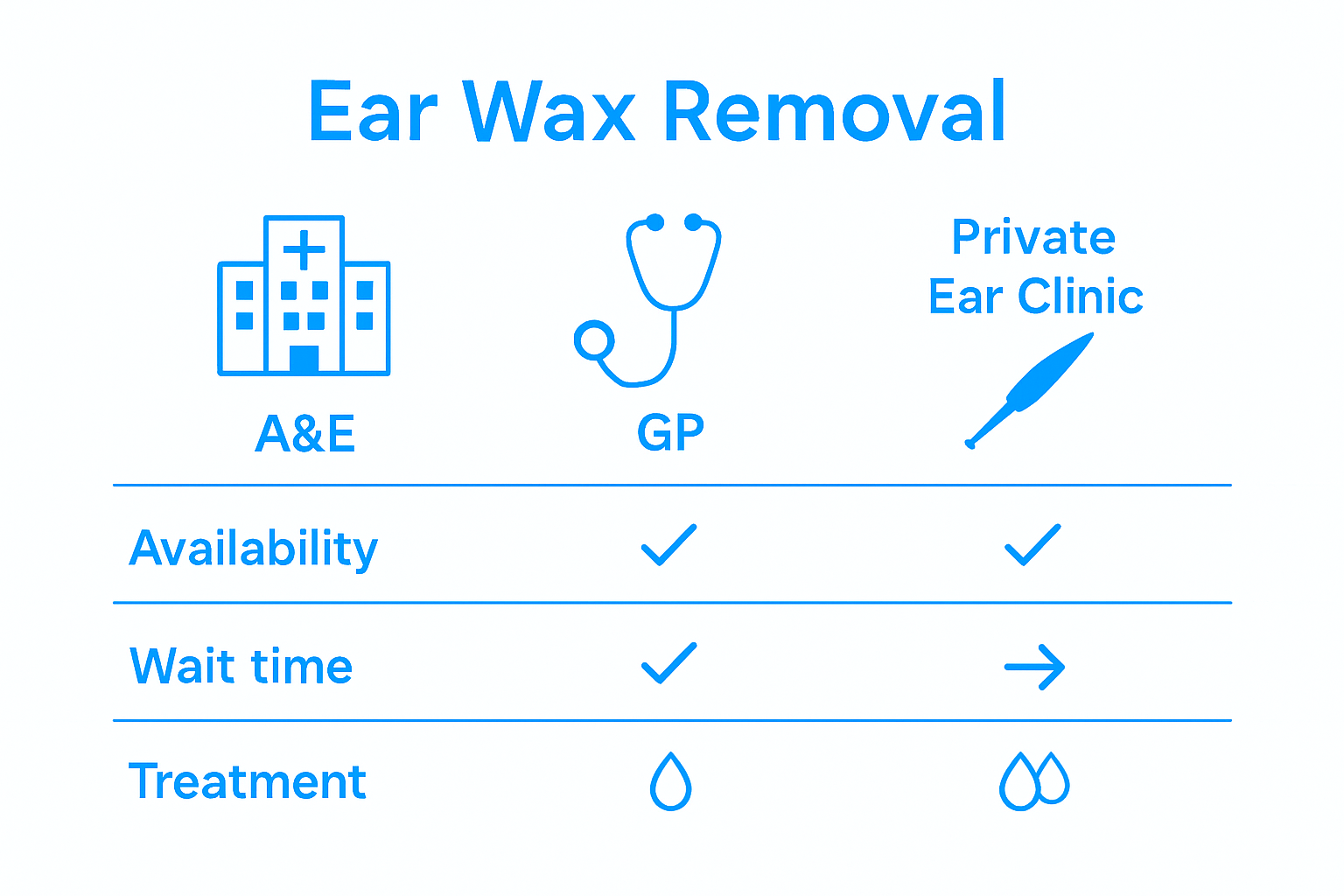
Healthcare pathways for ear-related concerns offer patients multiple options with distinct characteristics and service levels. Accident and Emergency (A&E) departments represent the most intensive medical environment, designed for critical and life-threatening conditions that require immediate, comprehensive intervention. General Practitioners (GPs) provide comprehensive primary care, addressing routine health concerns with personalised medical guidance and referral mechanisms.
Each healthcare setting presents unique advantages for different medical scenarios. Patient treatment options vary significantly depending on the urgency and complexity of their ear-related condition. A comparative overview reveals key distinctions:
A&E Departments
Immediate critical care
24/7 emergency treatment
Complex medical interventions
No appointment required
General Practitioners
Comprehensive primary care
Routine health assessments
Personalised treatment plans
Referral services
Private Clinics
Specialized ear healthcare
Shorter waiting periods
Advanced diagnostic techniques
Flexible appointment scheduling
Patients should carefully evaluate their specific ear health requirements, considering factors such as symptom severity, urgency, and potential complexity. While A&E departments remain crucial for emergency situations, routine ear wax removal and non-critical ear health concerns are typically better addressed through GP consultations or specialized private ear clinics, which can provide targeted, efficient healthcare solutions.
Discover Safer Ear Wax Removal Beyond A&E
The article highlights key challenges faced by patients seeking ear wax removal in busy hospital A&E departments such as long waiting times and limited availability of specialised care. If you are struggling with symptoms like ear discomfort, reduced hearing, or persistent blockage, it is important to find a safe, effective alternative that prioritises your ear health without delay. Common concerns include the risk of injury from self-treatment and the frustration of emergency department waits which may not fully address your ear care needs.
At EARS Clinics, we specialise in professional ear wax removal using advanced microsuction, irrigation, and instrumentation techniques. Our NHS-accredited Aural Care Specialists provide expert, patient-focused service in Glasgow and Edinburgh with options for same-day appointments, clinic visits, or even home visits. This means you receive comprehensive ear health care swiftly, avoiding the strain of A&E visits and the uncertainty of emergency treatment environments.
If you want to regain clear hearing and relief without unnecessary delays, explore our dedicated services today. Visit EARS Clinics to book your appointment. Learn more about why avoiding costly and crowded emergency departments can benefit your health at Hospital Emergency Departments. Take control of your ear health with specialised, timely care from trusted professionals.
Frequently Asked Questions
What symptoms indicate I may need ear wax removal?
Common symptoms that may indicate ear wax blockage include persistent ear pain, reduced hearing capacity, a sensation of fullness in the ear, tinnitus (ringing sounds), and occasional dizziness. If these symptoms persist, it’s advisable to seek medical assessment.
When is ear wax removal considered an emergency?
Ear wax removal is typically not an emergency, but severe ear pain, sudden hearing loss, persistent dizziness, signs of infection, or neurological symptoms may require immediate medical attention.
What methods are used for ear wax removal in hospitals?
Hospitals often use various methods for ear wax removal, including otoscopic examination, microsuction techniques, gentle irrigation methods, and manual instrumentation by trained clinicians.
Can I remove ear wax myself at home?
Self-removal of ear wax using cotton buds or sharp objects is not recommended, as it can cause injury to the ear canal or eardrum. It’s best to consult a professional for safe and effective ear wax removal.
Recommended