
Ear Wax and Hearing: The Essential Guide
Updated: Nov 28, 2025
Most british adults rarely think about ear wax until it starts causing trouble, yet up to 35 percent of gp consultations for ear problems involve ear wax issues. Even though it is often dismissed as just a nuisance, ear wax plays a vital role in ear health by trapping dirt, repelling bacteria, and keeping your ears naturally clean. Understanding how this simple substance protects you, and recognising when it becomes a problem, will help you care for your ears safely and avoid unnecessary risks.
Key Takeaways
Point | Details |
Ear Wax Functions | Ear wax serves protective roles by trapping debris, providing antimicrobial benefits, and self-cleaning the ear canal. |
Hearing Impairment Risk | Excessive ear wax can lead to hearing loss and sound distortion, necessitating professional assessment for removal. |
Symptoms of Blockage | Common signs of ear wax blockage include hearing difficulties, ear pain, and tinnitus, indicating the need for professional help. |
Safe Removal Methods | Effective ear wax removal includes microsuction, irrigation, and manual instrumentation, with an emphasis on professional intervention for safety. |
What Is Ear Wax and Its Purpose
Ear wax, scientifically known as cerumen, is a remarkable natural substance produced by specialised glands within the human ear canal. According to Audiology.org, this substance plays a crucial protective role in maintaining ear health and preventing potential infections.
The primary functions of ear wax are multifaceted and fascinating. As detailed by Cleveland Clinic, ear wax serves several critical protective mechanisms:
Dust and Debris Trapping: Captures foreign particles before they reach the delicate eardrum
Antimicrobial Protection: Contains natural substances that inhibit bacterial and fungal growth
Moisture Regulation: Helps maintain optimal ear canal hydration
Waterproofing: Creates a protective barrier against moisture and environmental contaminants
Beyond its defensive capabilities, ear wax acts as a sophisticated self-cleaning mechanism. Its slightly acidic composition and sticky texture enable it to gradually migrate outward, naturally removing accumulated debris. This remarkable process means that in most cases, your ears are designed to manage their own cleaning without external intervention.
Interestingly, ear wax production varies between individuals. Factors like age, genetics, and environment can influence the quantity and consistency of cerumen produced. Cotton Buds: The Untold Story of Why They Should Not Be In Your Ears highlights that attempting to remove ear wax manually can actually disrupt this natural process and potentially cause more harm than good.
How Ear Wax Can Impact Hearing Ability
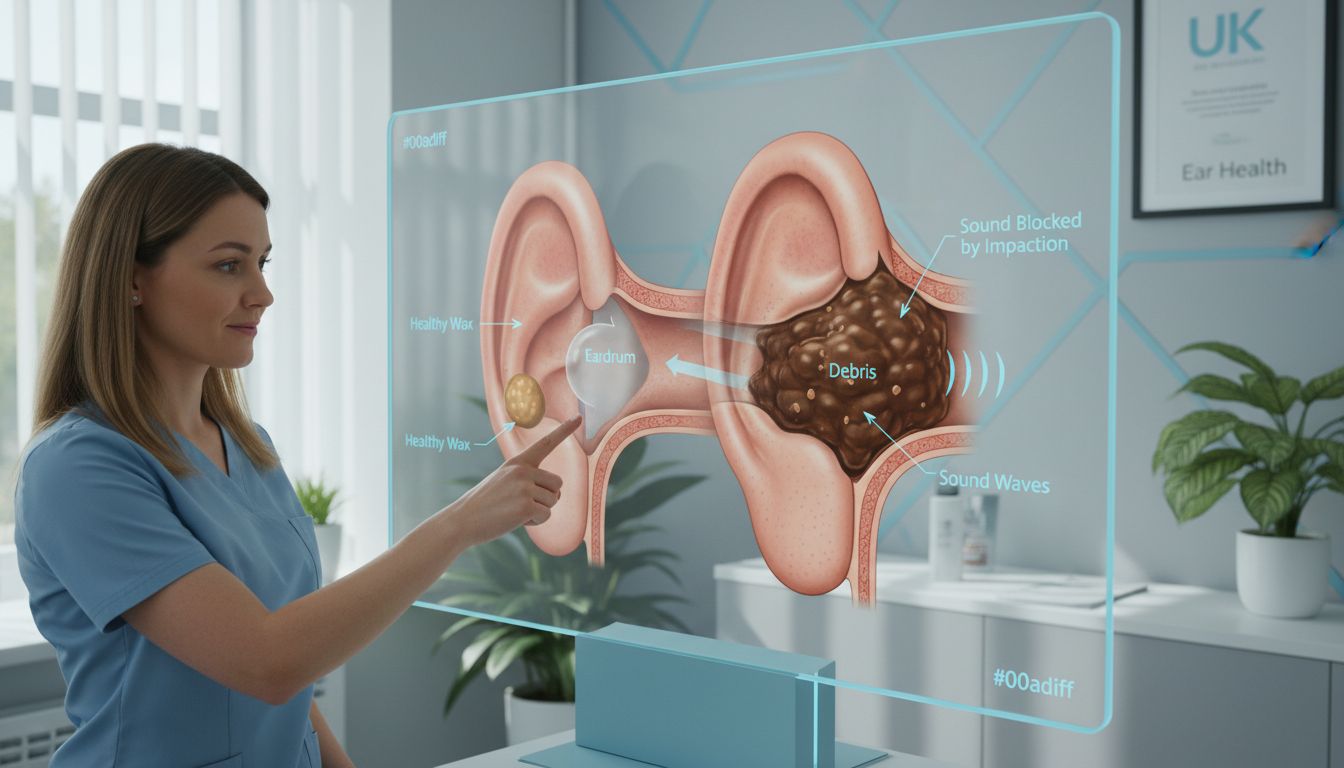
Excessive ear wax accumulation can significantly disrupt an individual’s hearing capacity. According to MedlinePlus, ear wax buildup is one of the most common causes of hearing impairment, as it physically blocks sound waves from reaching the eardrum effectively.
The impact of ear wax on hearing can manifest in several critical ways:
Partial Hearing Loss: Gradual wax accumulation can reduce sound transmission
Sound Distortion: Thick or hardened wax can create muffled or unclear hearing
Complete Ear Canal Obstruction: Significant buildup can entirely block sound waves
Increased Ear Pressure: Wax accumulation can create uncomfortable sensations of fullness
London School of Hygiene & Tropical Medicine research highlights particularly profound consequences for vulnerable populations. In children, impacted ear wax can potentially disrupt language and speech development, while in elderly individuals, reduced hearing might contribute to social isolation and communication challenges.
Interestingly, hearing impairment from ear wax is often reversible.
Professional Ear Wax Removal Beats DIY suggests that expert intervention can quickly restore hearing function, emphasising the importance of professional assessment and safe removal techniques.
Common Symptoms of Ear Wax Blockage
Ear wax blockage can manifest through a range of distinctive and often uncomfortable symptoms. MedlinePlus identifies several key indicators that suggest a potential ear wax impaction, which can significantly impact an individual’s daily functioning and overall ear health.
The most common symptoms of ear wax blockage include:
Hearing Difficulties: Noticeable reduction in sound clarity and volume
Ear Pain: Persistent discomfort or aching sensation in the affected ear
Tinnitus: Unexplained ringing or buzzing sounds within the ear
Dizziness: Unexpected sensations of imbalance or light-headedness
Ear Fullness: A persistent feeling of pressure or blockage in the ear canal
According to Audiology.org, these symptoms can vary in intensity and may develop gradually. Some individuals might experience additional complications such as itchiness or occasional discharge, which can further indicate the presence of excessive ear wax.
Individuals experiencing these symptoms should not attempt self-removal, as NHS Ear Wax Removal Explained: Safe, Fast Options emphasises the importance of professional assessment. Untreated or improperly managed ear wax blockage can lead to more serious complications, including potential hearing damage and persistent ear discomfort.
Safe Ear Wax Removal Methods Compared
Ear wax removal requires careful consideration of multiple professional techniques, each designed to safely and effectively clear accumulated cerumen. Is Ear Wax Removal Safe? What You Need to Know highlights the critical importance of choosing appropriate, regulated methods that minimise potential risks.
Three primary professional ear wax removal methods emerge as the most recommended:
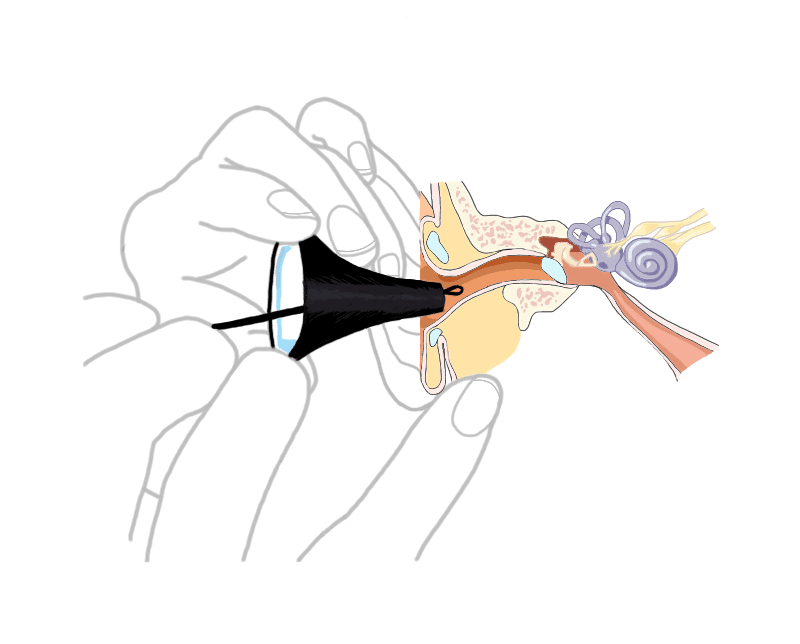
Microsuction: Non-invasive technique using gentle suction
Irrigation: Controlled water-based removal method
Manual Instrumentation: Precise mechanical extraction using specialised tools
Wikipedia notes that complementary approaches like cerumenolytics can help soften ear wax before removal. Substances such as hydrogen peroxide and carbamide peroxide can facilitate easier wax extraction, though they may occasionally cause mild ear discomfort.
The Advantages of Microsuction article emphasises that modern clinical practice prioritises microsuction as the preferred method. This technique offers superior precision, minimal discomfort, and reduced risk of complications compared to traditional ear syringing, which many GP surgeries have now discontinued.
Risks, Myths, and When to Seek Help
Ear health involves understanding nuanced myths and potential risks surrounding ear wax management. Audiology.org emphasises that one of the most pervasive misconceptions is that ear wax requires frequent or routine removal, when in fact, ears are naturally self-cleaning mechanisms.
Common myths about ear wax include:
Self-Removal Myth: Cotton buds or home remedies are safe for wax extraction
Constant Cleaning Misconception: Ears need regular professional cleaning
Wax is Harmful: All ear wax is detrimental and should be eliminated
One-Size-Fits-All Approach: All ear wax removal methods work identically
Significant warning signs that necessitate professional medical intervention include:
Persistent hearing loss
Intense ear pain
Continuous dizziness
Unexplained ear discharge
Sudden changes in hearing ability
Is Ear Wax Removal Safe? What You Need to Know reinforces the critical importance of seeking professional assessment when experiencing these symptoms. Attempting home remedies or ignoring persistent ear health issues can potentially lead to more severe complications.
Professional clinicians recommend a cautious, personalised approach to ear wax management. Each individual’s ear anatomy and wax production differs, making professional evaluation crucial for safe, effective treatment.
Restore Your Hearing with Expert Ear Wax Removal at EARS Clinics
Excessive ear wax can cause discomfort, hearing loss and even dizziness as explained in the article. If you are experiencing symptoms such as muffled hearing, ear fullness or tinnitus, it is essential to seek professional care rather than attempt home remedies. EARS Clinics offers safe, NHS-accredited ear wax removal using advanced microsuction, irrigation and manual extraction performed by trained specialists in Glasgow and Edinburgh. We understand the frustration and communication challenges that ear wax blockage can bring and provide fast, effective relief.

Don’t let impacted ear wax interfere with your daily life. Book your appointment today with EARS Clinics at https://earhealthservice.co.uk to experience expert ear care in clinic or at home. Discover why microsuction is the preferred method for safe removal by visiting Advantages of Microsuction. Learn more about our professional approach to ear wax management at Is Ear Wax Removal Safe? What You Need to Know. Take the step now for clearer hearing and improved ear health.
Frequently Asked Questions
What is ear wax, and what is its purpose?
Ear wax, or cerumen, is a natural substance produced in the ear canal that protects the ears by trapping dust and debris, providing antimicrobial protection, regulating moisture, and facilitating self-cleaning of the ear canal.
How can excessive ear wax accumulation affect hearing?
Excessive ear wax can lead to partial or complete hearing loss by blocking sound waves, causing distorted hearing, and creating pressure sensations in the ear. It may also disrupt language development in children and contribute to social isolation in the elderly.
What are the common symptoms of ear wax blockage?
Common symptoms of ear wax blockage include hearing difficulties, ear pain, tinnitus (ringing or buzzing in the ear), dizziness, and a sensation of fullness in the ear. Individuals may also experience itchiness or discharge.
What are the safe methods for ear wax removal?
The three primary methods for safe ear wax removal are microsuction, which uses gentle suction; irrigation, a controlled water-based method; and manual instrumentation, which involves precise mechanical extraction using specialised tools.
Recommended