
Complete Guide to Children’s Ear Wax Removal
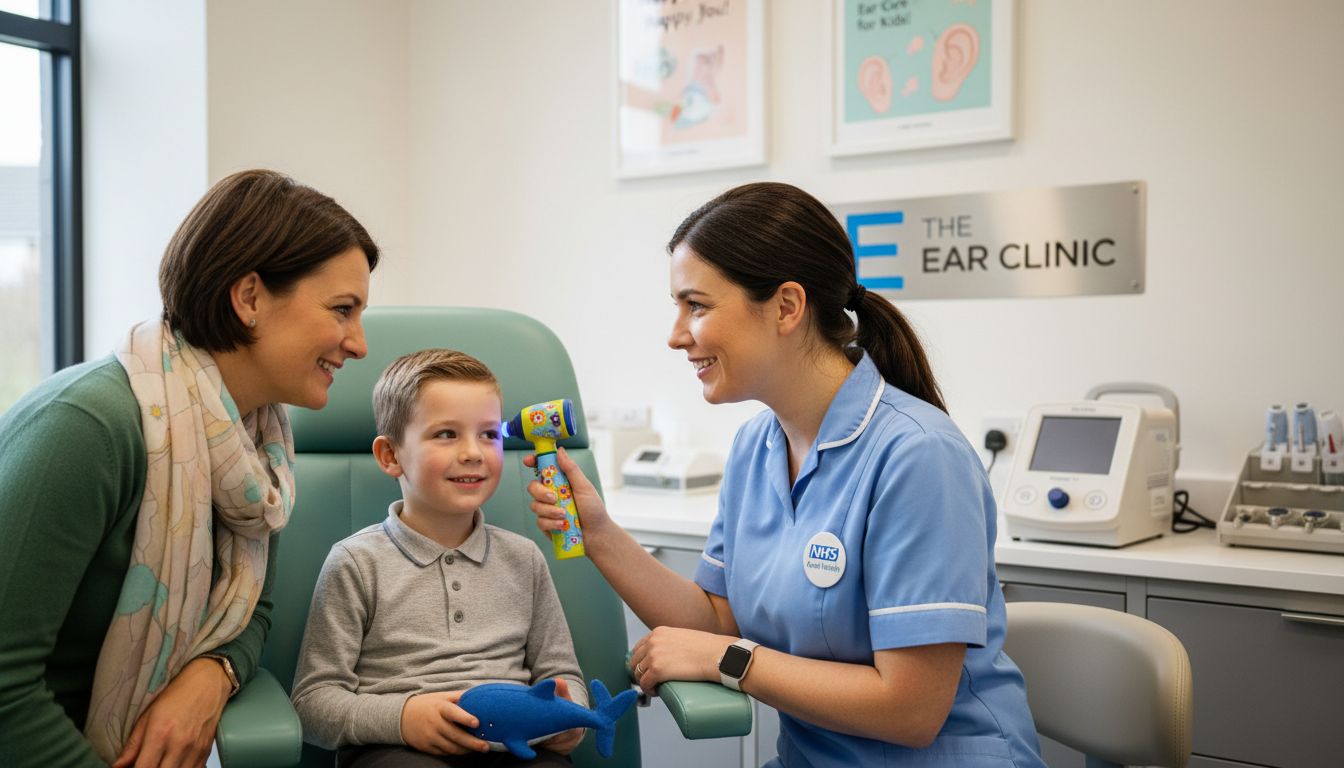
Nearly one in ten british children experiences troublesome ear wax build-up by school age, making ear health a real concern for many families. Children’s ears are not just smaller versions of adult ears—youngsters often produce softer ear wax that can quickly block their ear canals. Knowing the difference between natural protection and a problem helps parents keep their child’s hearing sharp. This guide sheds light on the signs, safe solutions, and what every british carer needs to know about managing children’s ear wax.
Key Takeaways
Point | Details |
Ear wax is protective but can cause issues | Cerumen protects ears by trapping harmful particles; however, excessive build-up can lead to discomfort and hearing difficulties in children. |
Recognise symptoms early | Parents should monitor for signs like ear tugging, irritability, or changes in hearing to address potential ear wax build-up promptly. |
Avoid home removal methods | Parents should not use cotton buds or other objects for ear wax removal, as these can worsen the situation or cause injury; professional help is recommended. |
Seek professional guidance | When symptoms persist or wax build-up is suspected, consulting an aural care specialist ensures safe and effective management of ear health. |
Understanding Children’s Ear Wax Build-Up
Ear wax, medically known as cerumen, serves a crucial protective function for children’s ears. This natural substance acts as a defence mechanism, trapping dust, debris, and microorganisms that could potentially harm the delicate ear canal. Despite its protective role, excessive ear wax accumulation can lead to discomfort and potential hearing difficulties in children.
Children’s ear wax production differs significantly from adults, with several unique characteristics that parents should understand. Younger children tend to produce softer, more liquid-like ear wax compared to older children and adults. This variation occurs due to hormonal changes and the ongoing development of ear canal structures. Help Them Hear Every Lesson This Term highlights how unaddressed ear wax build-up can impact a child’s ability to hear clearly, potentially affecting their learning and social interactions.
Recognising the signs of ear wax build-up is essential for parents and caregivers. Common indicators include:
Frequent ear tugging or rubbing
Reduced hearing responsiveness
Complaints of ear fullness or pressure
Unexplained irritability
Difficulty maintaining balance
Parents should avoid attempting ear wax removal at home, particularly using cotton buds, which can push wax deeper and potentially cause damage. Cotton Buds: The Untold Story of Why They Should Not Be In Your Ears provides crucial insights into the risks associated with improper ear cleaning techniques. Professional assessment by trained aural care specialists remains the safest approach for managing children’s ear wax build-up.
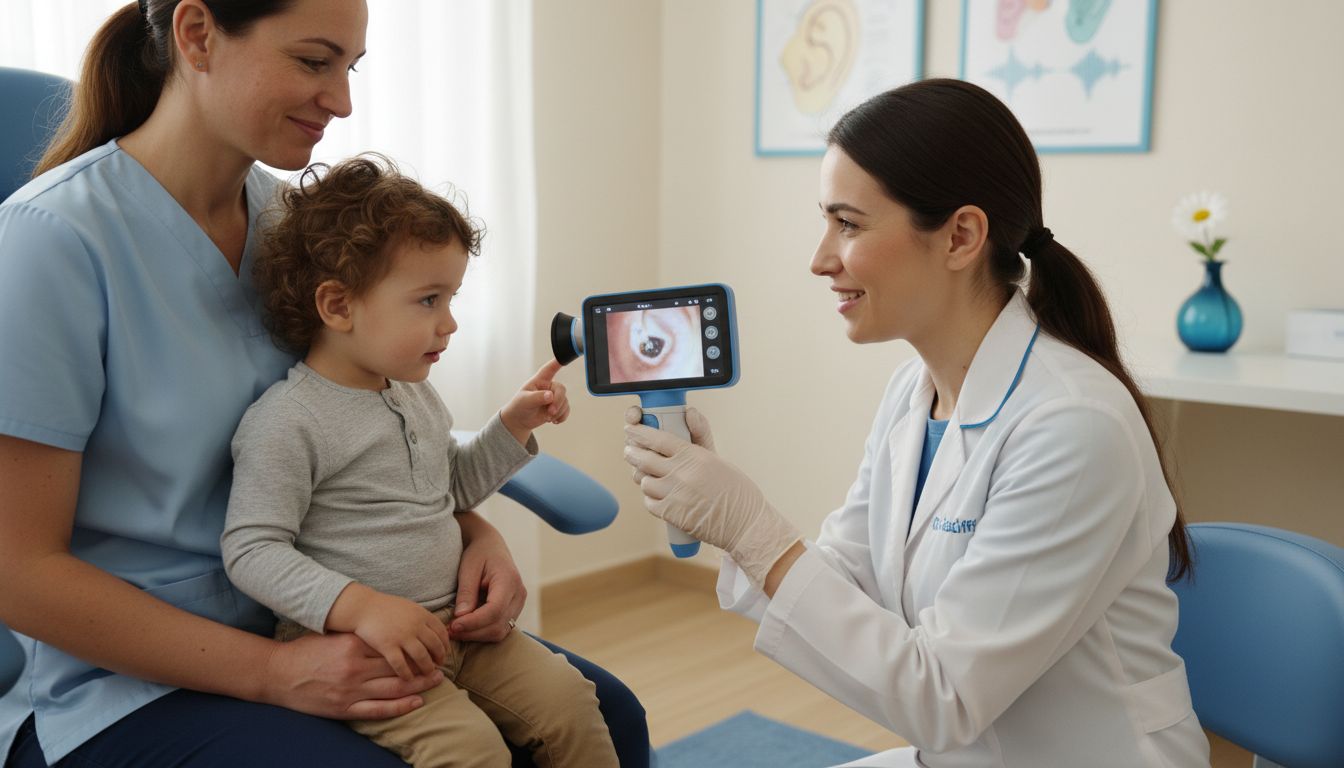
Recognising Signs and Symptoms in Children
Ear wax build-up can manifest through various subtle and pronounced symptoms that parents and caregivers should carefully monitor. Mayo Clinic highlights that children experiencing earwax blockage may display a range of indicators that signal potential auditory discomfort or hearing impairment.
The most common symptoms of excessive ear wax in children include:
Persistent ear rubbing or tugging
Reduced hearing responsiveness
Unexplained irritability or behavioural changes
Complaints of ear fullness or pressure
Unusual balance difficulties
Unexplained pain around the ear region
Noticeable discharge or unusual odour from the ear
Children’s Colorado emphasises that complete ear wax blockage can lead to more pronounced hearing loss and significant discomfort. Young children might struggle to communicate these sensations effectively, making parental observation crucial. Parents should pay special attention to changes in their child’s hearing, communication, or behaviour that might suggest ear wax accumulation.
Additionally, some children might experience tinnitus (ringing in the ears) or demonstrate increased sensitivity to sound. These symptoms can be particularly challenging for young children, potentially affecting their learning, social interactions, and overall quality of life. If parents notice any persistent signs of ear wax build-up, consulting a professional healthcare provider or an aural care specialist is recommended to ensure safe and appropriate treatment.
Safe Ear Wax Removal Methods for Kids
Nationwide Children’s Hospital emphasises that not all ear wax removal procedures are necessary for children. In many cases, ear wax naturally resolves without intervention, and parents should exercise caution when considering removal techniques.
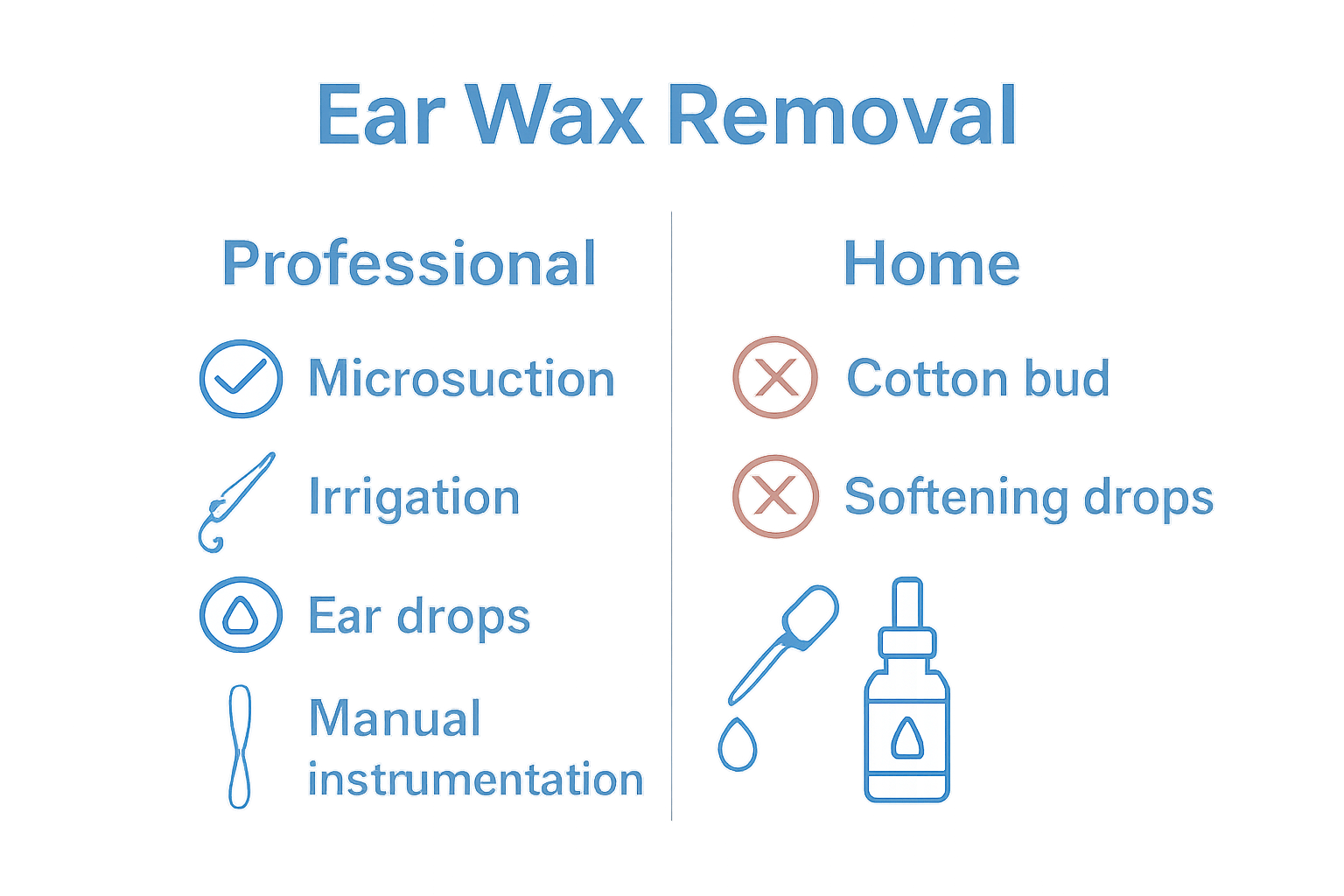
Professional ear wax removal methods for children include:
Ear drops to soften and gradually dissolve wax
Professional irrigation using warm water
Microsuction performed by trained aural care specialists
Manual instrumentation by healthcare professionals
Kids Health strongly advises against parents attempting home removal, particularly using cotton swabs or other household implements. These methods can potentially cause serious injury by pushing wax deeper into the ear canal or damaging delicate ear structures. Professional clinicians use specialised techniques that ensure safety and minimal discomfort.
For parents considering ear wax removal, Is Ear Wax Removal Safe? What You Need to Know provides comprehensive guidance on understanding the safest approaches. The critical rule remains consistent: never insert any objects into a child’s ear canal. Parents should always consult healthcare professionals who can assess the specific needs of their child and recommend the most appropriate, gentle removal method tailored to the individual’s ear health and wax accumulation.
Professional Removal Versus Home Techniques
Children’s Colorado highlights the critical distinction between home and professional ear wax removal techniques. While some mild ear wax issues can be managed at home, many situations require specialised professional intervention to prevent potential complications.
Home techniques for ear wax management are limited and come with significant risks:
Over-the-counter ear drops to soften wax
Gentle external ear cleaning
Monitoring ear wax accumulation
Avoiding self-extraction attempts
Nationwide Children’s Hospital emphasises that professional removal becomes necessary when home techniques prove ineffective. Trained healthcare providers can safely perform procedures like microsuction, irrigation, and manual instrumentation that minimise risks of injury or further ear canal complications.
Parents should be particularly vigilant and seek professional ear wax removal services when home methods fail or when children experience persistent symptoms such as hearing loss, ear pain, or discomfort.
NHS Ear Wax Removal Explained: Safe, Fast Options provides additional guidance on recognising when professional intervention becomes crucial, ensuring children’s ear health remains a top priority.
Legal Guidelines and Safety Considerations
Children’s Mercy emphasises the fundamental legal and safety principle that ear wax is a natural, protective substance in children’s ears. Healthcare regulations universally stress the critical importance of preventing unnecessary interventions that could potentially harm delicate ear structures.
Key safety guidelines for ear wax management include:
Absolute prohibition of inserting foreign objects into ear canals
Mandatory professional assessment for complex ear wax issues
Requiring parental consent for any medical ear procedures
Ensuring practitioner qualifications and regulatory compliance
Maintaining detailed medical documentation
Nationwide Children’s Hospital highlights that legal considerations vary by region, making it essential for parents to consult local healthcare regulations. Professional ear wax removal must adhere to strict standards, including:
Practitioner certification
Informed consent protocols
Age-appropriate treatment approaches
Comprehensive risk assessment
Patient safety monitoring
Specialised clinics like Children’s Ear Wax Removal | NHS Accredited | EARS Clinics are regulated by Healthcare Improvement Scotland (HIS), ensuring that all ear wax removal procedures for children meet the highest safety and legal standards. Parents can trust these professionally regulated services to provide safe, appropriate ear care for their children.
Costs and What Parents Should Expect
Children’s Colorado highlights the variability in professional ear wax removal procedures and associated costs. Parents should understand that not every ear wax situation requires immediate or expensive intervention, with many cases potentially resolving naturally.
EARS Clinics pricing structure for children’s ear wax removal is transparent and straightforward:
Under-18s consultation: £75
Home visits: £180
No hidden additional charges
Comprehensive ear health assessment included
Nationwide Children’s Hospital emphasises that parents can expect a simple, quick procedure typically performed in a clinical setting. The process usually involves:
Initial ear examination
Discussion of removal method
Gentle wax extraction
Post-procedure health advice
Brief recovery monitoring
Parents seeking professional guidance can review NHS Ear Wax Removal options to understand the full scope of treatment possibilities. Importantly, many clinics offer flexible booking, same-day appointments, and comprehensive care tailored specifically to children’s unique ear health requirements.
Ensure Your Child’s Ear Health with Expert Care at EARS Clinics
Excessive ear wax build-up in children can cause discomfort, hearing difficulties and impact their daily learning and social interactions. The guide highlights critical signs such as ear tugging, reduced hearing responsiveness and unexplained irritability that require professional attention. Avoid risking harm by attempting home removal methods that may push wax deeper or damage sensitive ear structures. Instead trust trained, NHS-accredited aural care specialists who use advanced and safe techniques like microsuction and irrigation tailored for children.
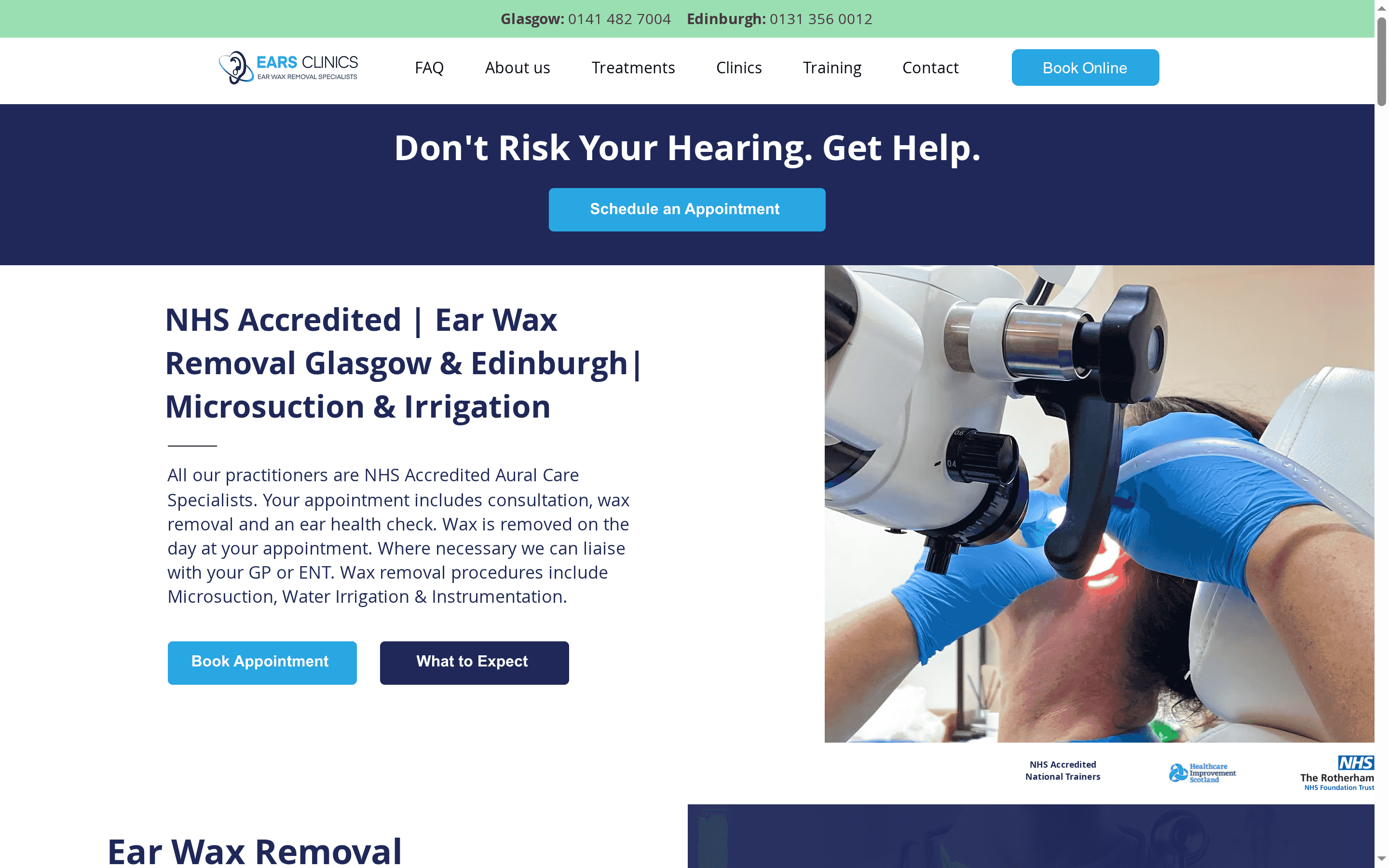
Take control of your child’s ear health today with EARS Clinics offering specialised services in Glasgow and Edinburgh. Benefit from quick access including same-day appointments and home visits. Learn more about the safe ear wax removal methods we provide and understand how to recognise the symptoms that signal when professional care is needed. Book now to give your child relief and clarity in hearing with trusted expertise and regulated, family-friendly care.
Frequently Asked Questions
What are the signs of ear wax build-up in children?
Common indicators include frequent ear tugging or rubbing, reduced hearing responsiveness, complaints of ear fullness or pressure, unexplained irritability, and difficulty maintaining balance.
Is it safe to remove ear wax at home?
No, it is not recommended to attempt ear wax removal at home, especially with cotton buds, as this can push wax deeper and potentially cause injury. Consulting a professional is the safest approach.
What are the professional methods for ear wax removal in children?
Professional methods include the use of ear drops to soften the wax, irrigation with warm water, microsuction by trained specialists, and manual instrumentation.
How much does professional ear wax removal for children typically cost?
Parents can expect costs to be around £75 for a consultation for those under 18, with home visits priced at £180, including a comprehensive ear health assessment.
Recommended