
Ear Hygiene in Children – Preventing Risks and Hearing Loss
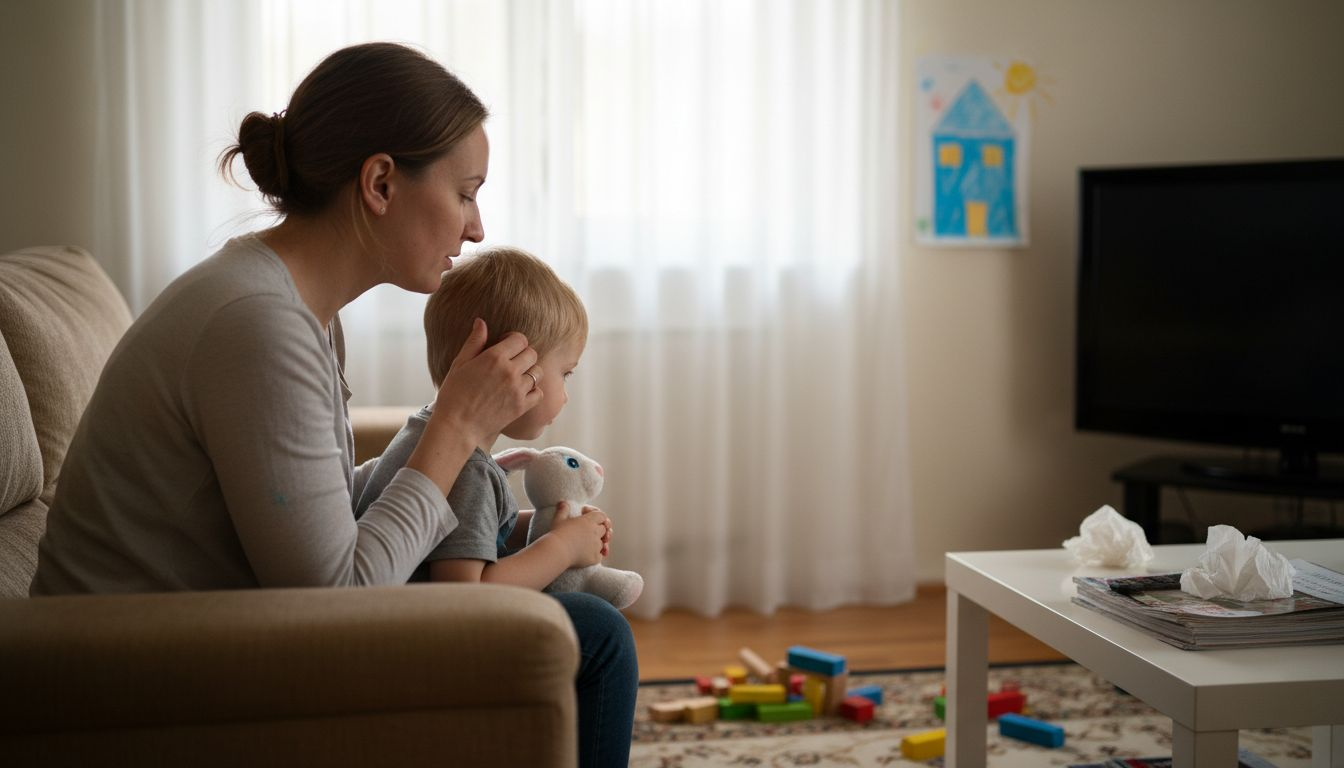
Every parent faces questions about the safest way to care for their child’s ears, especially with so much conflicting advice. Misunderstanding ear hygiene can have real consequences, putting hearing health at risk if common misconceptions lead to unsafe cleaning. Parents across Glasgow and Edinburgh can feel reassured when they understand that earwax is a natural protective substance. This guide highlights the facts and safe practices every family needs for healthy, trouble-free ears.
Key Takeaways
Point | Details |
Understanding Earwax | Earwax is a natural protective substance that should not be routinely removed without professional advice as it plays a crucial role in ear health. |
Safe Cleaning Practices | Parents should only clean the outer ear with a soft washcloth and avoid inserting any objects into the ear canal to prevent damage. |
Recognising Symptoms | Children may show symptoms of wax build-up, such as muffled hearing or increased irritability, which necessitate professional assessment. |
Professional Interventions | When earwax causes discomfort, parents should consult trained healthcare professionals for safe and effective treatment options. |
Ear hygiene and common misconceptions
Children’s ear hygiene is often misunderstood, with many parents unintentionally risking their child’s hearing health through common misconceptions. Ear care practices require careful understanding and gentle approaches to protect delicate ear structures.
Earwax, contrary to popular belief, is not a sign of poor hygiene but a natural protective mechanism. This waxy substance plays a crucial role in ear health by:
Trapping dirt and debris
Preventing bacterial and fungal infections
Lubricating the ear canal
Providing a protective barrier against external irritants
Many parents mistakenly believe that frequent earwax removal is necessary, but medical experts advise against unnecessary intervention. Cotton swabs and home cleaning techniques can actually cause more harm than good, potentially pushing wax deeper into the ear canal or damaging sensitive ear tissues.
Earwax is a natural protective substance that should not be routinely removed without professional guidance.
Parents should understand that safe ear protection involves minimal interference and recognising early signs of potential ear health issues. Proper ear hygiene means:
Cleaning only the outer ear with a soft washcloth
Avoiding insertion of any objects into the ear canal
Monitoring for signs of excessive wax build-up or discomfort
Consulting healthcare professionals for persistent concerns
Pro tip: Always consult a professional ear health specialist before attempting any at-home ear cleaning procedures for children.
How ear wax protects children’s ears
Ear wax is far more than a simple bodily substance - it’s a sophisticated defence mechanism specifically designed to protect children’s delicate ear structures. Natural ear protection involves a complex process of defence and maintenance that parents often misunderstand.
The cerumen (medical term for ear wax) serves multiple critical protective functions for children’s ear health:
Creates a protective barrier against external contaminants
Possesses natural antibacterial properties
Helps regulate moisture in the ear canal
Prevents dust and debris from entering deeper ear structures
Supports the ear’s self-cleaning mechanism
Children’s ear canals are particularly vulnerable, making this natural defence mechanism extraordinarily important. Earwax’s protective qualities include trapping microscopic particles and creating an acidic environment that discourages bacterial growth, effectively acting as a biological shield.
Ear wax is not dirt, but a sophisticated biological defence system protecting children’s hearing.
The natural migration of ear wax ensures continuous protection. As new wax is produced, older wax gradually moves outward, carrying trapped debris and dead skin cells. This self-cleaning process means that most children do not require invasive ear cleaning interventions.
Important considerations for parents include understanding that:
Ear wax is a healthy, normal bodily function
Unnecessary removal can disrupt the ear’s natural protection
Excessive cleaning might cause more harm than good
Professional consultation is recommended for persistent concerns
Pro tip: Never insert objects into a child’s ear canal, as this can damage the delicate protective mechanisms and potentially cause serious injury.
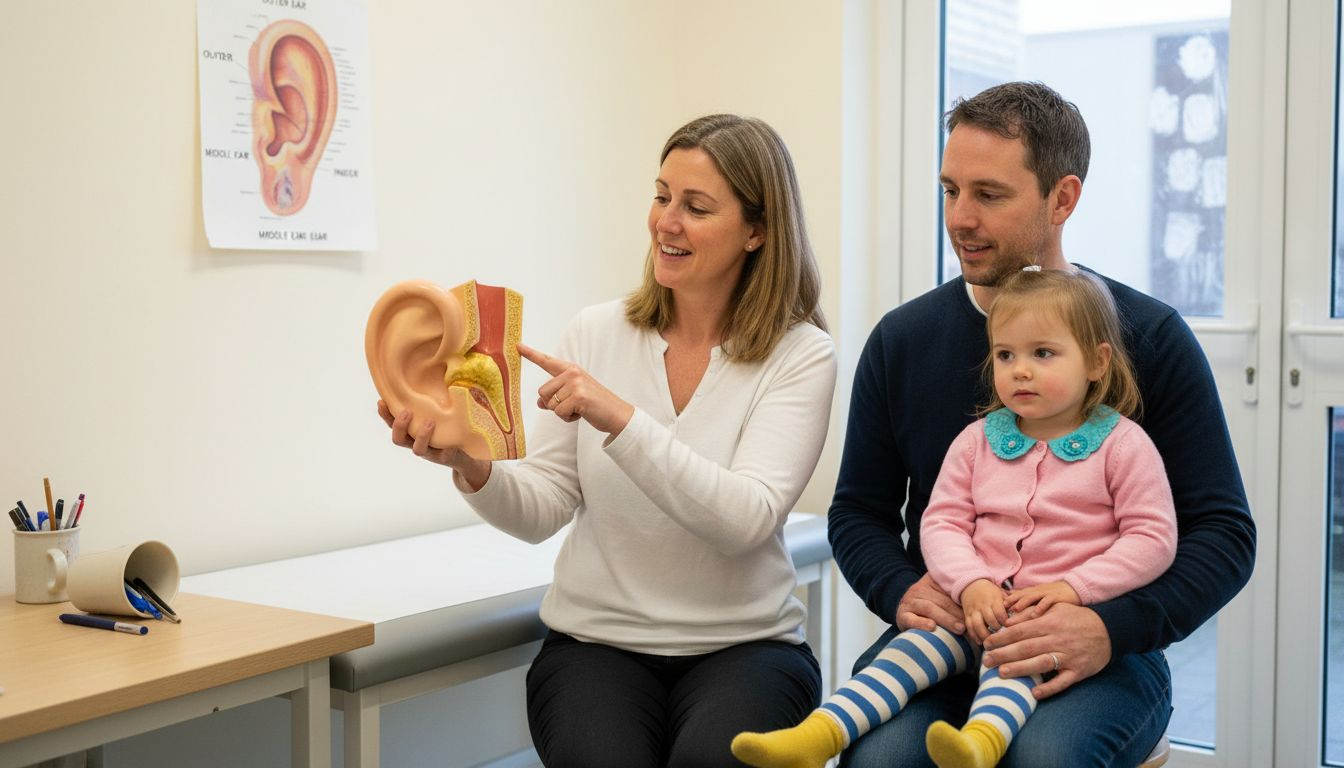
Symptoms of wax build-up in children
Ear wax symptoms can significantly impact a child’s comfort and communication abilities. Parents must learn to recognise the subtle signs of excessive ear wax accumulation to prevent potential hearing and developmental challenges.
Children experiencing ear wax build-up may exhibit several distinctive symptoms:
Frequent complaints of muffled hearing
Increased irritability or discomfort
Difficulty understanding conversations
Pulling or tugging at ears
Temporary hearing loss
Unexplained balance difficulties
Hearing interference is often the most noticeable indicator of excessive ear wax. Ear blockage symptoms can range from mild discomfort to more significant communication challenges that might affect a child’s social interactions and learning experiences.
Persistent ear wax symptoms require professional medical assessment to prevent potential long-term complications.
Parents should pay close attention to behavioural changes that might indicate ear wax issues, particularly in younger children who cannot effectively communicate their discomfort. The most common signs include:
Reduced responsiveness to sounds
Increased ear scratching
Complaints of ear fullness
Unexpected emotional sensitivity
Reduced engagement in verbal interactions
Important warning signs that warrant immediate professional consultation include:
Persistent ear pain
Fever accompanying ear discomfort
Discharge from the ear
Sudden hearing loss
Unexplained balance problems
Pro tip: Monitor your child’s ear health by observing behaviour changes and consult a healthcare professional if symptoms persist beyond a few days.
Safe cleaning techniques and methods
Safe ear cleaning practices are critical for protecting children’s delicate ear structures. Parents must understand that ears are self-cleaning mechanisms that require minimal external intervention.
The most crucial principles of safe ear cleaning include:
Never insert objects into the ear canal
Use only soft, damp cloths for outer ear cleaning
Avoid cotton swabs or pointed cleaning tools
Recognise when professional intervention is necessary
Allow natural ear wax migration and self-cleaning processes
Parents should focus on gentle, external cleaning techniques that protect the ear’s natural defence mechanisms. Ear hygiene recommendations emphasise the importance of minimal interference and professional guidance.
Children’s ears are self-regulating systems that require gentle, professional care.
Specific safe cleaning methods for children’s ears include:
Using a soft, dampened washcloth to clean outer ear areas
Gently wiping visible ear openings
Avoiding deep canal cleaning
Monitoring for excessive wax build-up
Consulting healthcare professionals for persistent concerns
Warning signs that require immediate professional attention include:
Persistent ear discharge
Unusual ear odours
Continuous ear pain
Visible wax blockage
Hearing difficulties
Pro tip: Always prioritise professional ear health assessment over home remedies when uncertain about your child’s ear cleaning needs.
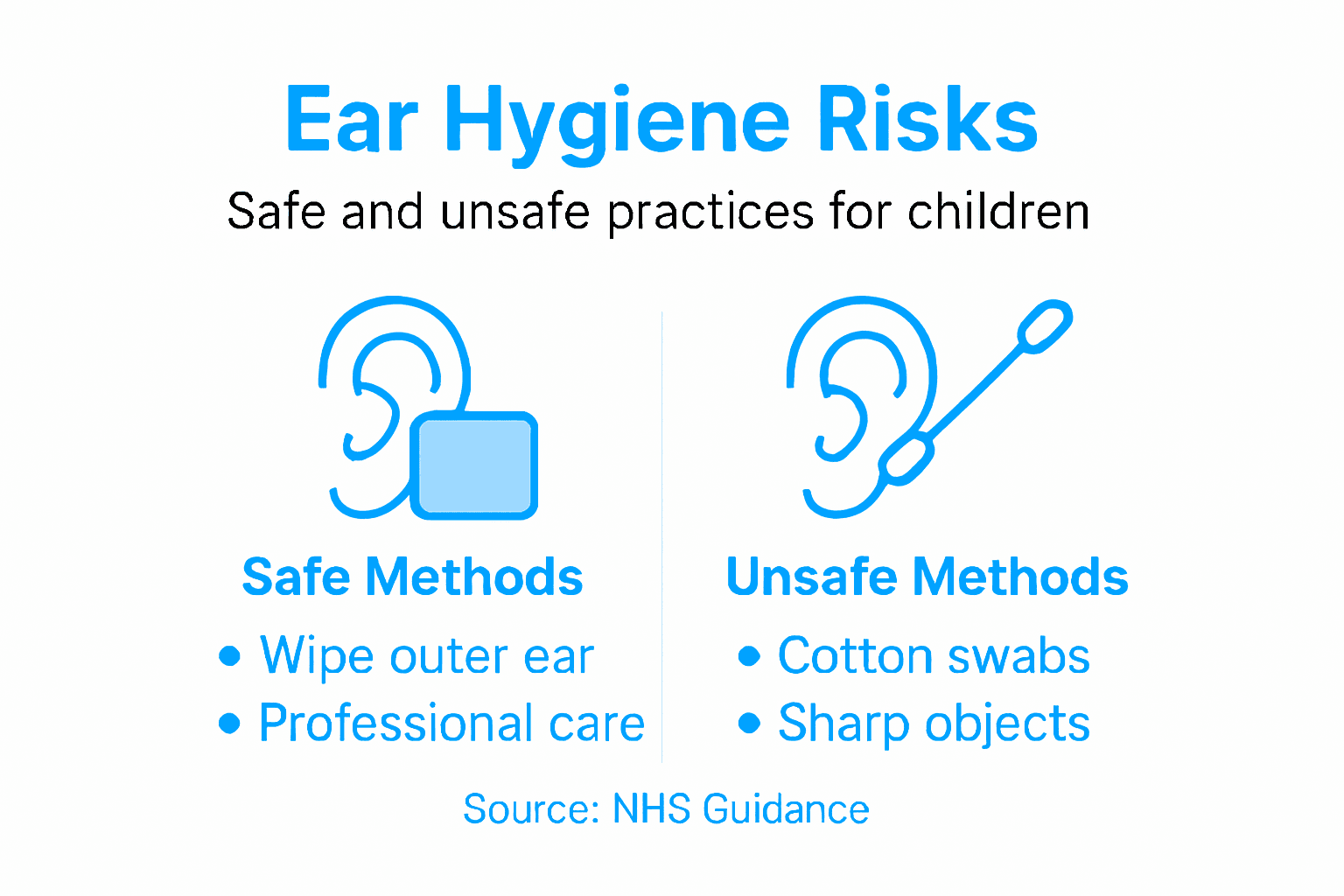
Below is a summary of safe versus unsafe at-home ear hygiene practices:
Approach | Safety Level | Reason |
Outer ear wiping | Safe | Does not disturb ear canal |
Cotton swab insertion | Unsafe | May push wax deeper or injure tissue |
Ear candling | Extremely unsafe | Burns, wax blockage, infection risk |
Professional consultation | Very safe | Tailored advice prevents complications |
Risks of improper ear hygiene practices
Incorrect ear cleaning methods can cause significant and potentially irreversible damage to children’s delicate ear structures. Parents must understand that well-intentioned cleaning attempts can lead to serious health complications.
The most dangerous improper ear hygiene practices include:
Inserting cotton swabs deep into ear canals
Using sharp or pointed objects for cleaning
Attempting home ear irrigation without professional guidance
Practicing unregulated ear cleaning techniques
Ignoring professional medical advice
Cotton swabs and similar objects pose substantial risks by potentially:
Pushing earwax deeper into the canal
Causing micro-abrasions in sensitive ear tissues
Increasing infection risks
Damaging the eardrum
Creating permanent hearing impairments
Ear candling, a particularly dangerous practice, presents significant health risks that can cause serious injuries. This unregulated technique can result in:
Potential burns to ear and facial tissues
Unexpected wax blockages
Middle ear structural damage
Increased risk of infections
Potential hearing loss
Improper ear cleaning techniques can cause more damage than the original ear wax build-up.
Warning signs of potential ear damage include:
Sudden hearing loss
Persistent ear pain
Unexplained balance issues
Discharge from the ear
Ringing or buzzing sensations
Pro tip: Always consult a professional healthcare provider before attempting any at-home ear cleaning procedures for children.
Professional and NHS-approved care options
Clinical ear care guidelines provide comprehensive approaches to managing children’s ear health through safe, regulated professional interventions. These evidence-based strategies prioritise patient safety and minimise potential risks associated with ear wax removal.
Professional ear care options for children include:
Microsuction procedures
Gentle ear irrigation techniques
Manual instrumentation by trained specialists
Comprehensive diagnostic assessments
Personalised treatment planning
Healthcare professionals trained in ear care follow strict protocols to ensure safe and effective treatments. The NHS recommends professional intervention when ear wax causes significant symptoms or hearing difficulties, emphasising the importance of expert assessment.
Here is a quick comparison of professional ear care methods for children:
Procedure Type | Description | Typical Use Case | Notable Advantages |
Microsuction | Suction removes ear wax under vision | Blockages and hard wax | Minimises discomfort, precise |
Irrigation | Gentle water flushing technique | Soft wax or mild build-up | Suitable for sensitive ears |
Manual Instrument | Specialist tools remove debris | Stubborn wax deposits | Immediate results, minimal risk |
Professional ear care protects children’s delicate hearing mechanisms through regulated, evidence-based interventions.
Parents should understand the primary professional ear care methods:
Initial comprehensive ear examination
Detailed symptom assessment
Selecting the most appropriate removal technique
Performing the procedure with minimal discomfort
Providing post-procedure guidance
Important considerations for parents include:
Choosing regulated, NHS-accredited clinics
Verifying practitioner credentials
Understanding potential procedure risks
Asking detailed questions about treatment
Monitoring child’s comfort during procedures
Pro tip: Always select healthcare providers registered with Healthcare Improvement Scotland or Care Quality Commission for the safest ear care experience.
Protect Your Child’s Hearing with Expert Ear Care from EARS Clinics
Understanding the delicate nature of children’s ears and the crucial protective role of ear wax is essential. The article emphasises that improper ear hygiene, such as inserting cotton swabs or attempting unsafe home remedies, risks causing permanent hearing damage and discomfort in your child. If you have noticed symptoms like muffled hearing, ear tugging or irritability, these might signal wax build-up needing professional attention.
EARS Clinics offers specialised, NHS-accredited ear health care tailored for children from age two upwards. We use advanced, gentle techniques including microsuction and irrigation performed by trained aural care specialists in Glasgow and Edinburgh. Our focus on safety and comfort ensures your child receives expert assessment and treatment without the long waits often experienced in the NHS.

Take the next step to safeguard your child’s hearing by booking a professional ear care appointment today. Explore our convenient options including same-day clinic visits and home appointments designed for your family’s peace of mind. Visit EARS Clinics now for comprehensive information on symptoms, safe cleaning practices and how our expert team can help. Your child’s ears deserve the best protection available.
For more detailed advice on recognizing and managing ear wax blockages in children, see Symptoms of wax build-up in children and learn about Safe cleaning techniques directly from specialists.
Frequently Asked Questions
What are the signs of ear wax build-up in children?
Children with excessive ear wax build-up may experience symptoms such as muffled hearing, irritability, difficulty understanding conversations, pulling at their ears, temporary hearing loss, or balance issues.
How can I safely clean my child’s ears?
Safe cleaning practices include using a soft, damp cloth to wipe the outer ear and avoiding the insertion of cotton swabs or any objects into the ear canal. It’s important to allow the ear’s natural self-cleaning processes to occur.
When should I seek professional help for my child’s ear hygiene?
Consult a healthcare professional if your child shows persistent symptoms like ear pain, fever with ear discomfort, discharge from the ear, sudden hearing loss, or unexplained balance problems.
Why is ear wax important for my child’s ear health?
Ear wax is a natural protective substance that prevents dust, debris, and bacteria from entering the ear canal. It also keeps the ear canal lubricated and helps maintain an acidic environment that discourages infections.
Recommended