
Ear Health for Children – Safe Solutions in Scotland
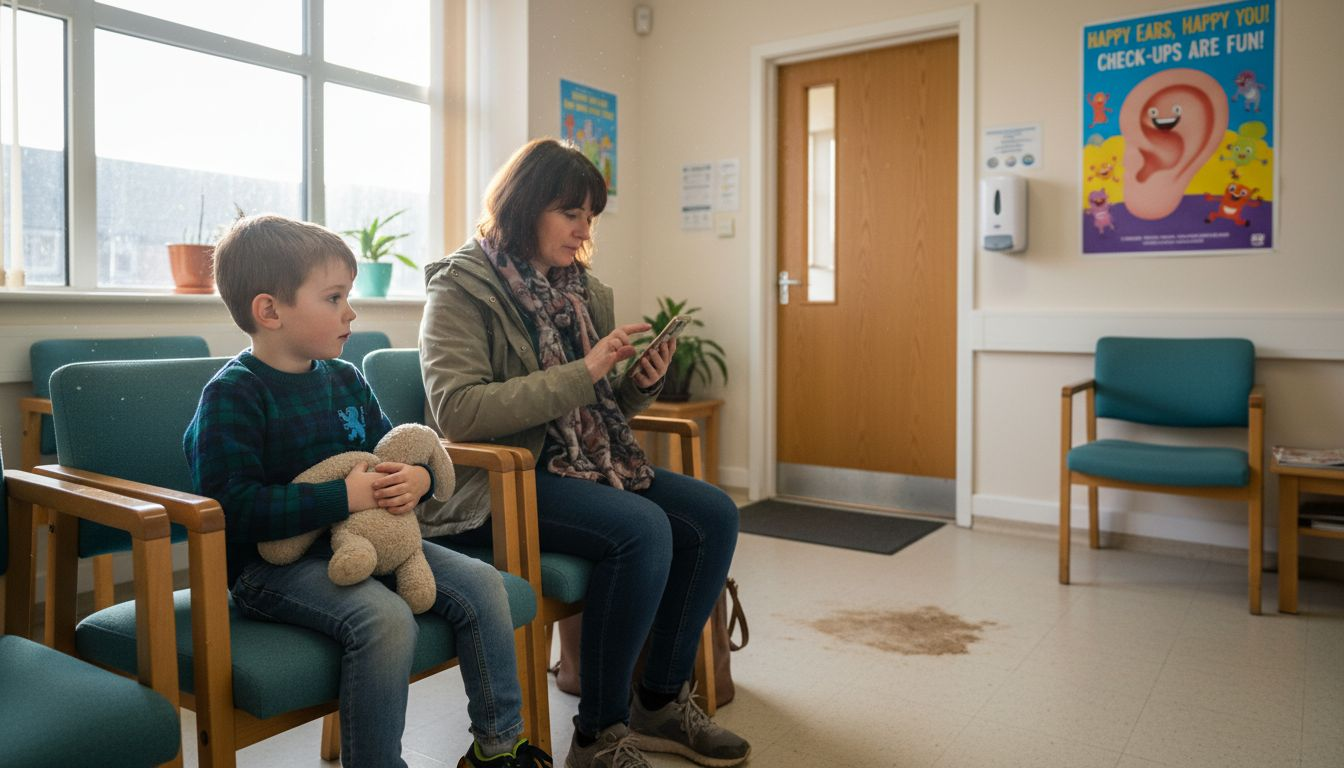
Every parent faces the worry of their child missing out at school when they struggle to hear clearly. In places like Glasgow and Edinburgh, busy classrooms and bustling households can make it hard to notice the early signs of hearing problems. Understanding how issues such as otitis media and earwax buildup impact speech, learning, and social development gives you the knowledge to seek the safest and most effective ear care for your child.
Key Takeaways
Point | Details |
Child Ear Health is Critical | Children’s ears are more delicate and prone to infections, which can impact hearing and development significantly. Early diagnosis and treatment are essential for long-term health. |
Recognise Symptoms Early | Be vigilant for signs like decreased hearing or changes in behaviour, especially after colds, as these may indicate ear problems requiring professional assessment. |
Avoid Home Remedies | Home remedies for earwax removal often do more harm than good, pushing wax deeper or causing injury; professional removal is safest and most effective. |
Consider NHS-Accredited Clinics | Private clinics accredited by the NHS maintain high standards of care and provide quicker access to treatment, reducing waiting times for necessary procedures. |
Understanding Ear Health in Children
Your child’s ears are more delicate than you might realise. Unlike adult ears, which have fully developed structures and defence mechanisms, a child’s ears are still maturing, making them more susceptible to problems that can affect hearing, speech development, and overall wellbeing. Understanding how your child’s ears work and what can go wrong is the first step towards protecting their long-term health.
Ear problems in children are surprisingly common. The most frequent issue is otitis media (middle ear infection), which occurs when fluid builds up behind the eardrum, often following a cold or upper respiratory infection. What makes this particularly important is that untreated ear infections can lead to hearing loss in children, which has knock-on effects for speech development, learning at school, and social development. Children with persistent hearing problems may struggle to form words correctly, fall behind academically, and experience difficulties connecting with their peers. The good news? Early diagnosis and treatment prevent most of these complications from developing in the first place.
Several factors make children’s ears more vulnerable to infection and wax buildup than adult ears:
Eustachian tube dysfunction: Children’s Eustachian tubes (the small passages that drain fluid from the middle ear) are shorter, more horizontal, and function less effectively than those in adults. This means fluid gets trapped more easily, creating an ideal environment for infections.
Developing immune systems: Young children’s immune systems are still maturing, so they catch more infections overall, including those affecting the ears.
Environmental factors: Exposure to secondhand smoke, allergies, and attending nursery or school (where germs spread rapidly) all increase the risk of ear problems.
Genetics: Some children inherit a predisposition to ear infections or other ear conditions from their parents.
Hearing loss resulting from untreated ear conditions during childhood can have lasting consequences. Hearing assessment in infants and children is critical because the early years are when language develops most rapidly. A child who cannot hear properly during this window may miss crucial linguistic input, affecting their ability to speak clearly and understand language throughout their life. This is why healthcare professionals recommend systematic hearing checks at different ages, starting from birth.
Beyond infections, earwax accumulation is another common concern for parents. Whilst earwax is natural and necessary for protecting the ear canal, sometimes it builds up excessively, blocking sound from reaching the eardrum. Children with earwax impaction may experience temporary hearing loss, which can interfere with learning and classroom participation. This is particularly concerning during critical educational periods.
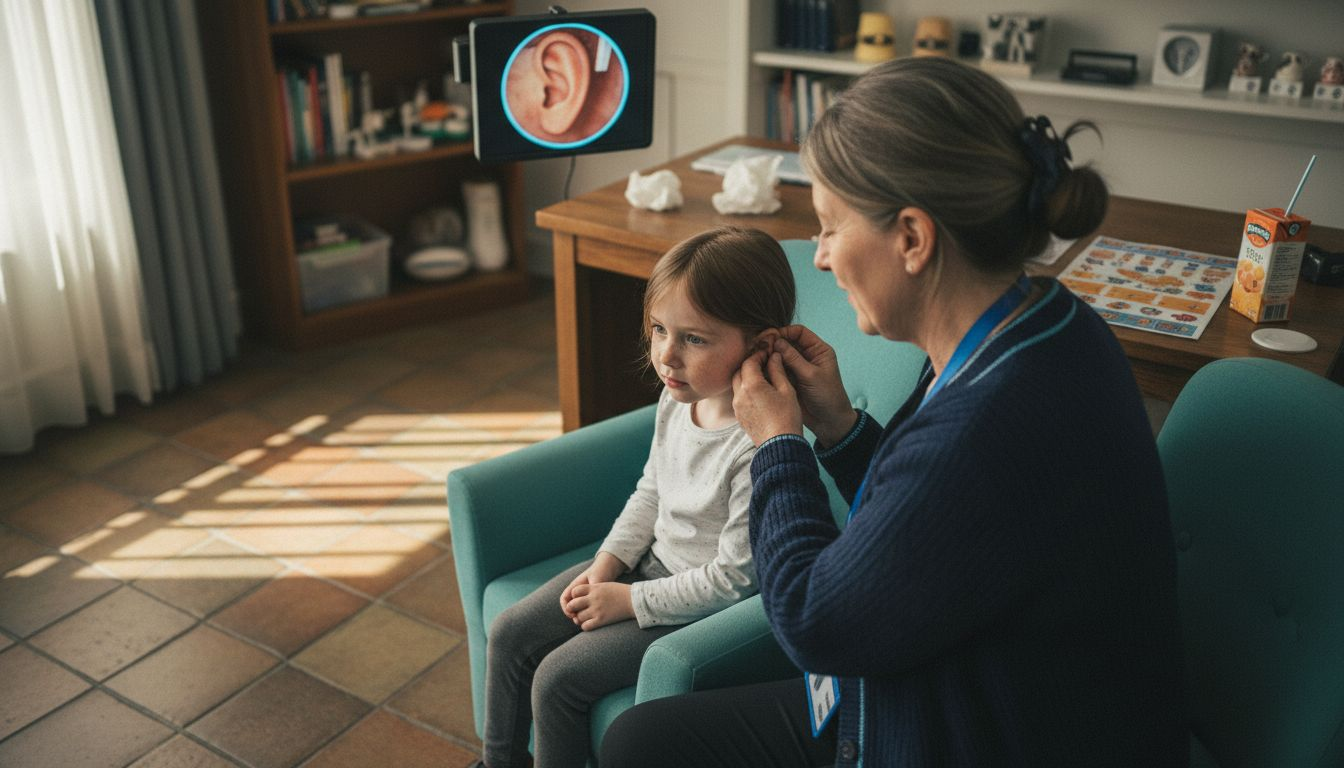
The key takeaway here is that ear health in children deserves careful attention. Small problems can become significant ones if left untreated, affecting not just hearing but speech, education, and confidence. Knowing what symptoms to watch for, when to seek professional help, and how to maintain good ear health puts you in the best position to protect your child’s long-term development and quality of life.
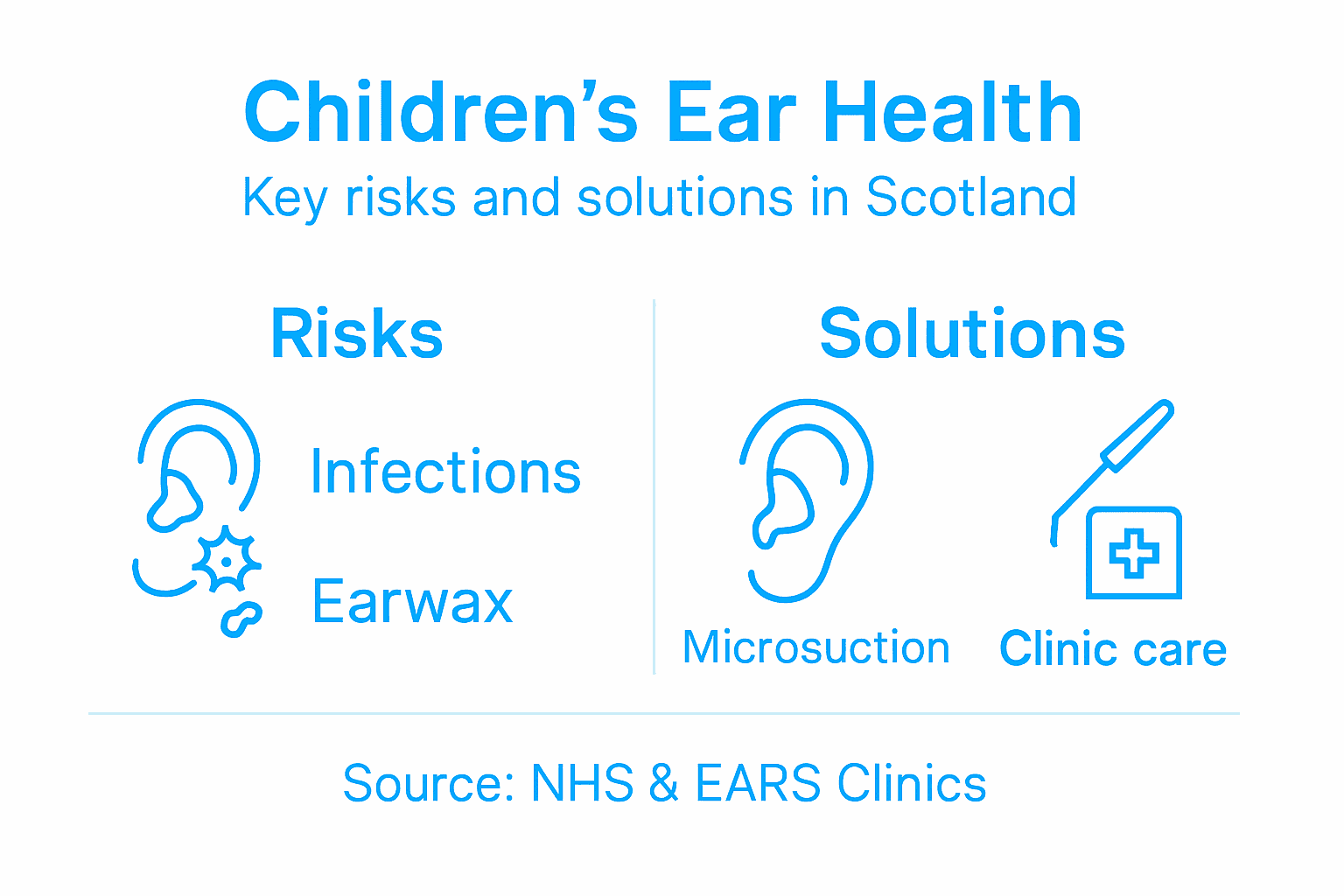
The table below summarises how untreated childhood ear problems can impact development:
Ear Health Issue | Impact on Learning | Impact on Speech | Social Consequences |
Hearing loss (untreated) | Difficulty following lessons | Delayed word formation | Isolation from peers |
Persistent earwax | Trouble hearing teacher | Slurred or quiet speech | Frustration, inattentiveness |
Frequent infections | Missed school days | Impaired language acquisition | Reduced classroom participation |
Pro tip: Note any changes in your child’s hearing or behaviour after colds and infections, such as asking for the television volume higher or not responding when called, as these can indicate fluid in the ears requiring professional assessment.
Recognising Symptoms of Ear Wax Issues
Earwax buildup doesn’t always announce itself loudly. Sometimes it creeps up gradually, and you might not realise your child has a problem until you notice subtle changes in their behaviour or hearing. The tricky part is that earwax symptoms can mimic other conditions, so knowing what to watch for helps you respond quickly and get professional help when needed.
The most obvious sign of earwax buildup is decreased or muffled hearing. Your child might ask for the television volume turned up higher, seem less responsive when you call their name, or struggle to hear instructions at school. In younger children, this hearing change can be subtle, and it might appear as if they’re simply not paying attention when actually they genuinely cannot hear properly. Some children develop a sensation of fullness in the ear, describing it as feeling like their ear is “blocked” or “full”, though they may struggle to articulate this clearly. Others report itching inside the ear canal or a mild discomfort that makes them want to scratch or poke at their ear.
Beyond hearing difficulties, watch for these physical and behavioural indicators:
Earache or discomfort: Your child may complain of pain in the affected ear, particularly when lying on that side or when pressure is applied
Ringing or buzzing sensations: Some children report tinnitus (a ringing or buzzing sound in the ear) caused by wax blocking normal sound transmission
Dizziness or balance problems: In some cases, earwax buildup can affect the inner ear’s balance function, causing your child to feel dizzy or unsteady
Inattentiveness or irritability: Temporary hearing loss frustrates children, and they may become irritable, struggle to concentrate at school, or seem withdrawn
Tugging or scratching at the ear: Younger children may not be able to explain their discomfort verbally, so they simply tug at or scratch the affected ear
One critical point: many parents inadvertently make earwax problems worse by using cotton buds or similar objects to clean their child’s ears. Cotton buds and earplugs actually push wax deeper into the ear canal, compacting it further and making the blockage more severe. This is why healthcare professionals strongly advise against inserting anything into your child’s ear at home.
The timing of symptoms matters too. If your child had a cold recently and now seems to have temporary hearing loss, earwax buildup might not be the culprit; fluid behind the eardrum is more likely. However, if the hearing loss persists beyond a few weeks or you notice visible earwax in the ear canal, earwax impaction is worth investigating. Some children are simply predisposed to producing more earwax than others, meaning they may experience recurring buildup despite good ear hygiene practices.
Behaviour changes can be surprisingly telling. A child who suddenly struggles in class, becomes withdrawn, or seems frustrated might be responding to undiagnosed hearing difficulties rather than behavioural issues. Teachers sometimes notice this before parents do, so if school staff mention changes in your child’s attention or participation, it’s worth having their hearing checked.
The good news is that recognising these symptoms early means your child can receive treatment quickly. Once you suspect earwax buildup, avoid the temptation to treat it at home. Professional removal by trained clinicians ensures the problem is solved safely without risking damage to the delicate structures inside the ear.
Pro tip: Keep a simple log of when you notice hearing changes or ear-related complaints, noting whether they coincide with colds or particular activities, as this information helps clinicians diagnose the cause accurately.
Safe Ear Wax Removal Methods Explained
When earwax buildup requires professional attention, you have options. The key is understanding that different removal methods suit different situations, and trained clinicians select the most appropriate technique based on your child’s age, ear canal condition, and medical history. Not all removal methods are equal, and knowing the differences helps you make informed decisions about your child’s care.
There are three primary methods used by healthcare professionals for safe earwax removal. Microsuction is considered the gold standard, particularly for children. This technique uses a gentle suction device with a small, blunt curette to remove wax under direct visualisation. The clinician can see exactly what they’re doing, which means precision and safety. Children typically experience minimal discomfort with microsuction, and there’s virtually no risk of water entering the ear or damaging the eardrum. Irrigation involves flushing the ear canal with warm water or saline solution to dislodge and remove wax. Whilst effective for certain types of wax, irrigation requires careful technique and isn’t suitable for all children, particularly those with perforated eardrums or ear tubes. Manual instrumentation uses specially designed curettes or hooks to carefully remove wax. This method works well when wax is hard and compact, though it requires significant skill to avoid causing discomfort or damage.
Safe earwax removal methods are defined not just by the technique itself, but by the clinician’s training, experience, and ability to adapt the approach to your child’s needs. At EARS Clinics in Glasgow and Edinburgh, our NHS-accredited Aural Care Specialists are trained in all three methods and select the most appropriate one for each child. The decision isn’t arbitrary; it’s based on clinical assessment, your child’s comfort level, and the specific characteristics of the wax buildup.
Here’s what makes each method suitable or unsuitable for children:
Microsuction advantages: No water, minimal noise, highest precision, most comfortable for anxious children, suitable for all ear types including those with perforations
Microsuction considerations: Requires expensive equipment and highly trained staff; not all clinics offer this service
Irrigation advantages: Effective for softer wax, gentle approach when done correctly, suitable for older children who can tolerate water in the ear
Irrigation considerations: Not suitable for perforated eardrums, ear tubes, or children with significant ear canal sensitivity; can cause dizziness
Manual instrumentation advantages: Highly effective for hard, compacted wax; requires minimal equipment; relatively quick
Manual instrumentation considerations: Requires exceptional skill; may cause discomfort if not performed expertly; not ideal for very young or anxious children
One critical point that parents often overlook: just because wax is present doesn’t mean it needs removing. Earwax serves important protective functions in the ear canal. Removal is only warranted when wax is actually impacted, causing blockage, hearing loss, discomfort, or other symptoms. This is why proper assessment before treatment matters so much. A clinician should examine your child’s ears, confirm that wax is indeed the problem, and then discuss which removal method is most suitable.
At EARS Clinics, we prioritise your child’s comfort and safety throughout the removal process. Our clinicians take time to explain what will happen, help your child feel at ease, and select the gentlest effective method. We’re licensed and regulated by Healthcare Improvement Scotland (HIS) to treat children from 2 years of age, and we follow the strictest guidelines on ear healthcare. If your child has complex ear conditions, previous ear surgery, or significant anxiety about ear procedures, our clinicians can discuss all options with you, including the possibility of home visits for nervous children.
The removal itself is quick. Most children’s ears are clear within 10 to 20 minutes. After treatment, your child should experience immediate hearing improvement if wax was causing blockage. There’s rarely any discomfort afterwards, though some children report a strange sensation of air moving differently in their ear for a few hours.
Here’s a quick comparison of common earwax removal methods for children:
Removal Method | Comfort Level for Children | Suitable For | Key Limitation |
Microsuction | High; usually well-tolerated | All ear canal types | Specialist equipment required |
Irrigation | Moderate; may cause dizziness | Older children, soft wax | Not for perforated eardrums |
Manual Instrumentation | Variable; best for hard wax | Compact or stubborn wax | Requires advanced skill |
Pro tip: If your child is anxious about the procedure, ask the clinician if they can use a viewing screen or explain each step as they go; knowing what to expect significantly reduces anxiety and makes the experience more positive.
Risks of Home Remedies and DIY
The internet is full of home remedies for earwax removal. Olive oil, coconut oil, hydrogen peroxide, ear candles, and various herbal drops are all touted as natural solutions. Parents often try these approaches first because they seem safe, cost-effective, and avoid a trip to the clinic. The problem is that most home remedies either don’t work or actively make the problem worse, sometimes causing real harm in the process.
Let’s start with what doesn’t work. Ear candles are perhaps the most popular home remedy, yet they have no scientific support whatsoever. The theory behind them sounds plausible: you place a hollow candle in your ear, light it, and the heat supposedly creates a vacuum that draws wax out. In reality, ear candles don’t create any meaningful vacuum, and they carry genuine risks. The flame can cause burns to the ear canal or eardrum, hot wax from the candle can drip into your ear causing pain and damage, and in rare cases, the candle itself can puncture the eardrum. No reputable healthcare organisation recommends ear candles, yet they’re still widely sold online.
Oils and drops are less dangerous but often ineffective for impacted wax. Olive oil or coconut oil can soften wax slightly, which might help if the buildup is mild and hasn’t hardened. However, for compacted earwax, oils simply sit on top of the blockage without penetrating it. Worse, adding oil to an already blocked ear can sometimes make the sensation of fullness feel worse, increasing discomfort without solving the problem. Hydrogen peroxide drops create bubbling sensations that feel like something is happening, but they rarely shift stubborn wax. Many parents report trying these remedies for weeks with no improvement before finally seeking professional help.
Cotton buds remain the most common DIY mistake. Parents use them to try to remove wax, but they almost always push it deeper into the ear canal instead. Cotton buds compact the wax, making it harder and more difficult to remove professionally later. They can also scratch the delicate ear canal skin, leading to irritation or infection. Some children have had their eardrums perforated by cotton buds, causing pain, hearing loss, and requiring specialist treatment. This is why healthcare professionals universally advise against inserting anything into your child’s ear at home.
Here are the genuine risks of home remedies and DIY approaches:
Eardrum perforation: Objects inserted into the ear, or excessive pressure from DIY removal attempts, can tear the eardrum, causing pain and temporary or permanent hearing loss
Wax compaction: Attempting removal at home usually pushes wax deeper, making professional removal more difficult and uncomfortable
Ear canal damage: Scratching or irritating the sensitive skin inside the ear canal can cause infection, inflammation, and pain
Burns: Ear candles and heat based remedies carry burn risks
Infection: Introducing non-sterile instruments or materials into the ear can introduce bacteria, causing painful ear infections
Delayed treatment: Spending weeks on ineffective home remedies delays proper professional care, prolonging your child’s hearing difficulties and discomfort
Unpredictable reactions: Your child’s ear canal is unique; what worked for someone else might cause problems for your child
The financial argument for home remedies is shortsighted. A bottle of ear drops costs a few pounds but doesn’t solve the problem. You then buy another product, try another remedy, and eventually pay for professional removal anyway. By that point, your child has experienced weeks of discomfort and hearing loss. Professional earwax removal at EARS Clinics costs just £75 for under-18s, with same-day appointments available in Glasgow and Edinburgh. That’s a small price for safety, expertise, and immediate results.
One more critical point: if your child has ear tubes, a perforated eardrum, or a history of ear surgery, home remedies are particularly risky. These conditions require professional assessment before any removal attempt. Water or oils entering a perforated eardrum can cause infection inside the middle ear, leading to serious complications.
The bottom line is straightforward. Don’t risk your child’s hearing and comfort with unproven home remedies. Professional earwax removal by trained, regulated clinicians is safe, quick, and effective. EARS Clinics are Healthcare Improvement Scotland (HIS) registered and licensed to treat children from 2 years of age. Our Aural Care Specialists use proven techniques and prioritise your child’s safety and comfort throughout the process. Stop guessing, stop delaying, and get proper treatment.
Pro tip: If you’re tempted by a home remedy, ask yourself whether you’d use the same approach for another medical issue affecting your child, such as an eye infection or a splinter; if not, it probably isn’t safe for ears either.
Benefits of NHS-Accredited Private Clinics
You might think choosing a private clinic means sacrificing NHS standards or trustworthiness. Actually, the opposite is true. NHS-accredited private clinics operate under the same rigorous quality frameworks, clinical guidelines, and regulatory oversight as NHS services themselves. EARS Clinics are Healthcare Improvement Scotland (HIS) registered, which means we follow the strictest standards for patient safety, clinical competence, and care quality. The difference isn’t in standards; it’s in accessibility, speed, and convenience.
The NHS provides excellent ear care, but it operates within significant constraints. Waiting lists for audiology appointments in Scotland can stretch weeks or months, depending on your location and the complexity of the case. During this waiting period, your child experiences hearing loss that affects their learning, social development, and confidence. A child waiting three months for earwax removal misses crucial classroom time and educational milestones. NHS-accredited private clinics like EARS fill this gap without compromising standards. Partnerships between NHS services and accredited private clinics help alleviate waiting times whilst maintaining trusted clinical oversight and adherence to NHS protocols. When you book with us in Glasgow or Edinburgh, you’re not stepping outside the system; you’re accessing the same quality standards through a faster route.
Here’s what NHS accreditation actually means for your child:
Compliance with NICE guidelines: Our clinicians follow National Institute for Health and Care Excellence (NICE) recommendations for diagnosis, treatment, and follow-up care
HIS regulation: Healthcare Improvement Scotland monitors our practices, qualifications, equipment, and patient safety protocols to ensure consistency with NHS standards
Trained Aural Care Specialists: Our clinicians hold recognised qualifications and ongoing training, just like NHS staff, ensuring competence in microsuction, irrigation, and manual instrumentation
Sterile equipment and infection control: We maintain the same rigorous sterilisation and cross-infection protocols as NHS clinics
Transparent pricing: Unlike some private providers, we’re upfront about costs (£75 for under-18s, £180 for home visits) with no hidden fees or upsell tactics
Immediate appointments: We offer same-day appointments in many cases, eliminating the waiting list problem entirely
No pre-treatment requirements: You don’t need a GP referral or pre-treatment with oil drops; we assess and treat on the same day
Child-focused approach: Our clinics are designed with children in mind, from the environment to the clinician communication style, reducing anxiety and improving the experience
The speed advantage matters more than you might think. A child with earwax-related hearing loss who waits three months for NHS treatment misses 60 school days of full hearing capacity. Academic studies consistently show that even temporary hearing loss during critical developmental years affects speech clarity, reading ability, and classroom engagement. By accessing treatment within days rather than months, your child avoids this disruption entirely. They return to school hearing clearly and fully engaged with learning.
Cost is another consideration. Some parents assume private care is prohibitively expensive, but EARS Clinics charge £75 for children under 18, comparable to or lower than some private providers elsewhere in the UK. For comparison, some private ENT clinics charge £150 to £300 per appointment. We’ve deliberately kept costs accessible because we believe every child deserves timely access to professional ear care. Home visits, available at £180, offer convenience for families with transport difficulties or anxious children who benefit from familiar surroundings.
Safety is paramount. NHS-accredited status isn’t just a badge; it’s a commitment to accountability. If something goes wrong, you have recourse through established complaint procedures and regulatory oversight. We maintain detailed records, follow documented protocols, and regularly review our outcomes. This transparency and accountability is built into NHS accreditation.
Choosing an NHS-accredited private clinic doesn’t mean abandoning the NHS; it means complementing it. You’re accessing the same clinical standards and expertise, just without the waiting time. For your child, this means faster relief from hearing loss, less disruption to education, and reduced anxiety about ongoing ear problems. In Glasgow and Edinburgh, EARS Clinics provide exactly that: NHS-quality care with private-sector speed and convenience.
Pro tip: When booking with any private clinic, always verify HIS registration or CQC accreditation before your appointment; this one-minute check ensures you’re accessing genuinely regulated care meeting NHS standards.
What to Expect at EARS Clinics Scotland
Walking into a new healthcare clinic can feel daunting, especially when you’re bringing your child. You might wonder what happens in the waiting room, whether your child will feel anxious, and how long the whole appointment takes. Understanding the process in advance removes uncertainty and helps your child feel calmer and more prepared. At EARS Clinics in Glasgow and Edinburgh, we’ve designed every aspect of the experience around your child’s comfort and needs.
Your appointment begins the moment you book. We offer same-day appointments in most cases, so you won’t face weeks of waiting. When you arrive, reception staff greet you and your child in a welcoming environment specifically designed for young patients. The waiting area includes age-appropriate seating, and staff are trained to communicate with children in a calm, reassuring manner. We ask you to bring along any relevant medical history, particularly details about previous ear problems, ear infections, or sensitivity to sounds. If your child has anxiety about medical procedures, let us know when booking; our clinicians can discuss strategies to make the experience easier. Our patient reviews reflect the care and attention families receive from the moment they contact us.
The clinical assessment happens next. Your child will be taken to a private consultation room where an NHS-accredited Aural Care Specialist begins with a thorough examination. This isn’t rushed. The clinician will look into both ears using an otoscope, checking for wax buildup, inflammation, or other issues. They’ll ask questions about your child’s symptoms, when they started, whether there’s hearing loss, and any previous ear treatments. If your child is anxious, the clinician takes time to explain what they’re doing and why. We can show your child the instruments before using them, so nothing feels like a surprise. For very young children, we might use play-based techniques or let them hold a toy or comfort object during the examination.
Once the assessment confirms earwax impaction is causing the problem, your clinician will discuss removal options with you. They’ll explain which method is most suitable based on your child’s ear canal condition, the type of wax, and your child’s age and comfort level. Microsuction is typically preferred for children because it’s precise, requires no water, and causes minimal discomfort. The clinician will explain the procedure step by step and answer any questions. At this stage, you can discuss any concerns about your child’s anxiety or medical history that might affect the approach.
The actual removal takes just 10 to 20 minutes for most children. Your child will sit in a comfortable chair whilst the clinician uses the chosen method to remove the wax. Microsuction produces a gentle humming sound and mild suction sensation; it’s not painful, though some children find the noise startling. We can use headphones or allow you to hold your child’s hand during the procedure. The clinician provides running commentary, letting your child know what’s happening next. After removal, your child should feel immediate relief if hearing loss was caused by the wax. Many children are amazed at how much clearer sounds become.
Here’s what you’ll experience at different stages:
Before arrival: Book online or by phone; we confirm same-day availability and any special requirements
Upon arrival: Welcome by friendly reception staff; brief paperwork and medical history check
Clinical assessment: Private consultation with an NHS-accredited Aural Care Specialist; thorough ear examination and symptom discussion
Treatment planning: Discussion of removal methods and your child’s comfort needs
Procedure: Wax removal using the selected method; usually takes 10 to 20 minutes
Post-treatment: Brief check to confirm successful removal; advice on ear care going forward; you’re free to leave immediately
After treatment, your child can resume normal activities straight away. There are no restrictions on swimming, showering, or school attendance. Some children report a strange sensation in their ear for a few hours as their hearing adjusts, but this settles quickly. We provide written advice on ear hygiene and when to seek further help if needed. If your child has ongoing ear issues or wax tends to accumulate regularly, we discuss preventative strategies.
Home visits are another option if clinic attendance feels challenging. We offer home visits at £180, which is particularly valuable for children with severe anxiety, transport difficulties, or complex medical needs. Your clinician brings all necessary equipment and performs the same assessment and treatment in your home, often making the experience less intimidating for nervous children.
Cost and convenience are designed around real family life. We charge £75 for under-18s, with no hidden fees or pre-treatment requirements. You don’t need a GP referral or prior oil treatment. Our clinics are located in accessible areas of Glasgow and Edinburgh, with ample parking available.
Pro tip: Bring your child a few minutes early if possible, allowing them time to familiarise themselves with the environment and clinician before the examination starts; this small adjustment significantly reduces anxiety for nervous children.
Protect Your Child’s Hearing with Expert Ear Care at EARS Clinics
Children’s delicate ears need specialised attention when facing challenges like earwax buildup or infections that can impact hearing, speech, and learning. If you recognise symptoms such as muffled hearing, ear discomfort, or changes in your child’s behaviour after colds, professional assessment is essential. At EARS Clinics, our NHS-accredited Aural Care Specialists deliver safe, precise earwax removal using advanced methods like microsuction and irrigation, tailored specifically to children’s needs.
Choose peace of mind and faster relief with our same-day appointments and home visits across Glasgow and Edinburgh. Avoid the risks of DIY remedies and long NHS waiting times. Visit EARS Clinics today to book your child’s safe ear assessment and treatment. Learn more about our safe earwax removal methods and discover why quick, expert care makes all the difference in your child’s ear health and development.
Frequently Asked Questions
What are the common ear health issues in children?
Children often face ear health issues such as otitis media (middle ear infection) and earwax accumulation, which can lead to temporary hearing loss and impact speech development if left untreated.
How can I recognise if my child has an earwax problem?
Signs of earwax buildup in children include decreased or muffled hearing, earaches, a sensation of fullness in the ear, itching, and behavioural changes like irritability or inattentiveness.
What are the safe methods for earwax removal?
Safe methods for earwax removal include microsuction, which is the gold standard, irrigation with warm water, and manual instrumentation. Each method has its suitability depending on the child’s age and the condition of the ear canal.
Why should I avoid home remedies for earwax removal?
Home remedies, such as ear candles or using cotton buds, can lead to complications like eardrum perforation or compaction of wax. Professional removal is safer and more effective, ensuring proper care for your child’s ear health.
Recommended