
Why choose professional ear cleaning for safe wax removal
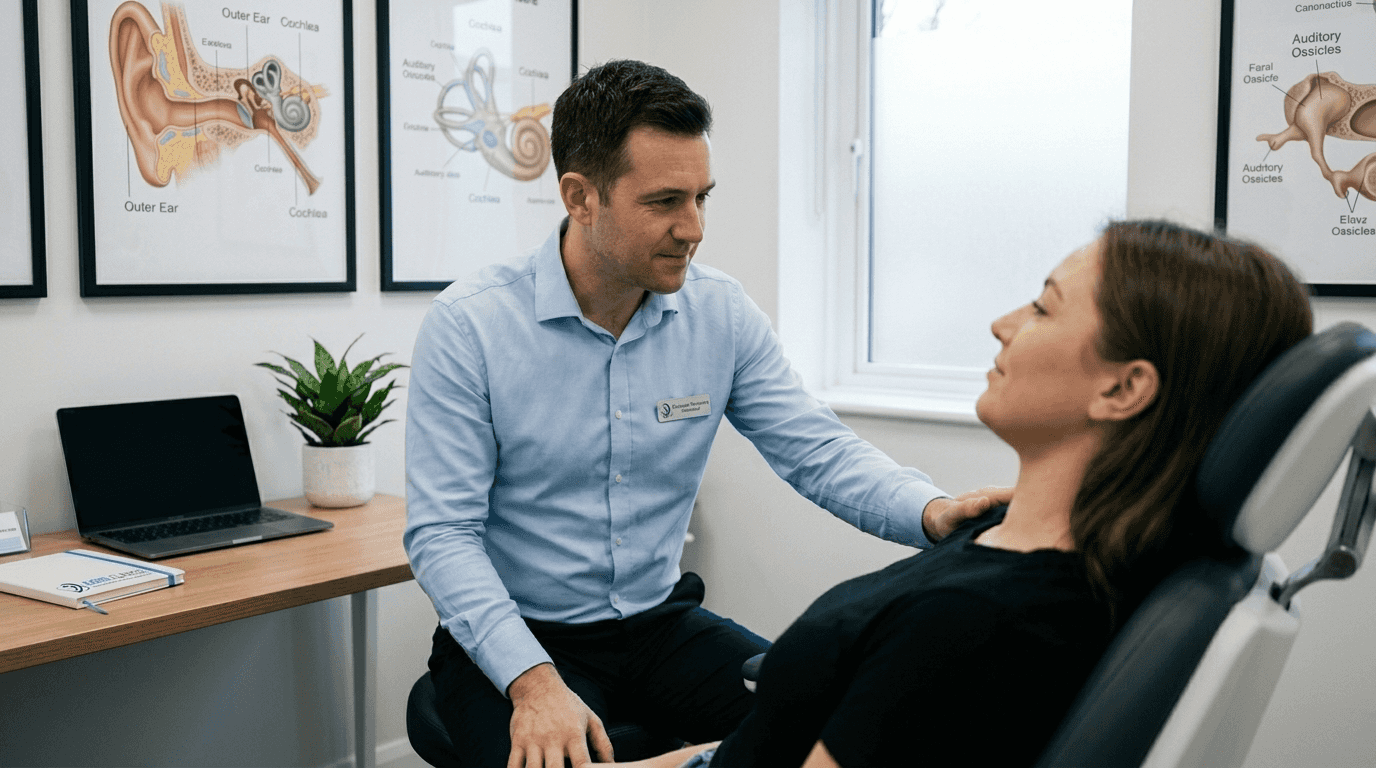
Many people believe cotton buds are a safe way to clean their ears, but this common practice can push wax deeper and cause serious damage. Professional ear cleaning offers a safer, more effective solution that addresses wax buildup without the risks associated with DIY methods. This article explains why professional care is recommended, describes the techniques specialists use, and helps you make informed decisions about your ear health.
Key takeaways
Point | Details |
Professional methods are safer | Microsuction and irrigation avoid the risks of pushing wax deeper or damaging delicate structures |
Immediate relief | Most patients experience improved hearing and comfort straight after treatment |
Expert diagnosis | Specialists can identify underlying conditions that DIY methods would miss |
Cotton buds cause harm | Using cotton buds often worsens blockages and can perforate the eardrum |
Prevention is possible | Regular professional checks stop problems before they escalate |
Understanding earwax and why it matters
Earwax, medically known as cerumen, serves essential protective functions in your ear canal. It traps dust, debris, and microorganisms whilst also lubricating the delicate skin lining your ear. Under normal circumstances, the ear canal has a self-cleaning mechanism that gradually moves wax outwards through jaw movements and natural migration.
However, some individuals experience persistent wax accumulation that overwhelms this natural process. People with narrower ear canals, unusual canal shapes, or those who produce excessive wax face higher risks of impaction. Hearing aid users and those who frequently wear earbuds also tend to develop more frequent blockages because these devices can interfere with the normal wax migration pathway.
Wax impaction creates a range of uncomfortable and potentially serious symptoms. You might notice reduced hearing clarity, a sensation of fullness in your ear, or persistent itching. Some people experience tinnitus, where ringing or buzzing sounds become constant companions. In more severe cases, trapped wax can create an environment where bacteria thrive, leading to painful infections that require medical intervention.

Ignoring wax buildup allows these symptoms to worsen progressively. What starts as mild discomfort can escalate into significant hearing loss that affects your daily communication and quality of life. The longer wax remains impacted, the harder it becomes and the more difficult it is to remove safely. Understanding safe ear wax removal methods becomes crucial for anyone experiencing persistent symptoms.
Key indicators that you need professional attention include:
Gradual or sudden hearing reduction in one or both ears
Persistent earache or pressure sensation
Discharge or unusual odour from the ear canal
Dizziness or balance problems
Recurring ear infections
Risks of do-it-yourself ear cleaning methods
Cotton buds remain the most popular DIY ear cleaning tool despite medical professionals consistently warning against their use. Using cotton buds can push wax deeper into the ear canal, compacting it against the eardrum and creating stubborn blockages that are far harder to remove than the original wax. The rigid shaft can also scratch the delicate canal skin, creating entry points for bacteria and increasing infection risk.
Research reveals alarming consequences of self-cleaning attempts. A 2017 study found that self-ear cleaning with cotton buds correlates with eardrum damage and infection rates significantly higher than in people who avoid these tools. The eardrum is remarkably thin and fragile, sitting just 2.5 centimetres from the ear opening. A momentary slip whilst using a cotton bud can perforate this membrane, causing immediate severe pain, hearing loss, and potentially permanent damage.
Ear candles represent another dangerous pseudoscientific approach that continues to attract users despite lacking any credible evidence of effectiveness. These hollow cones supposedly create suction to draw out wax, but physics demonstrates this claim is impossible. Instead, they pose genuine risks including burns to the face and ear, candle wax dripping into the ear canal, and even setting hair alight. Residue found after ear candling typically comes from the candle itself, not from the ear.
Home irrigation kits offer a seemingly sensible alternative, but they carry their own hazards when used without professional guidance. Incorrect water temperature can cause dizziness and nausea through stimulation of the vestibular system. Excessive pressure can perforate the eardrum or force wax further inward. People with existing eardrum perforations, recent ear surgery, or certain ear conditions should never attempt home irrigation, yet many are unaware of these contraindications.
Pro Tip: If you feel tempted to clean your ears at home, remember that the ear canal is self-cleaning by design. The best approach for most people is simply wiping the outer ear with a damp cloth and seeking professional help when symptoms develop.
The NHS ear wax removal policy has evolved to reflect these risks, with many GP practices now referring patients to specialist services rather than attempting removal themselves. This shift acknowledges that proper ear care requires specific training, appropriate equipment, and careful technique that DIY methods cannot replicate.
Common DIY methods and their dangers include:
Cotton buds: push wax deeper, risk perforation and infection
Ear candles: cause burns, deposit candle wax, completely ineffective
Olive oil drops: can worsen blockages if used incorrectly
Hydrogen peroxide: may irritate sensitive ear canal skin
Improvised tools: extreme risk of injury to delicate structures
“The ear canal is incredibly delicate, and what seems like gentle cleaning can cause lasting damage. Professional care removes wax safely whilst protecting the structures that enable your hearing.”
Professional ear cleaning: methods and benefits
Microsuction represents the gold standard for professional earwax removal in 2026. This technique uses a fine suction device operated under direct visualisation through a surgical microscope or video otoscope. Practitioners can see exactly what they are removing, allowing precise control that eliminates guesswork. Microsuction is safest, most precise, and well-tolerated with minimal discomfort compared to other methods.
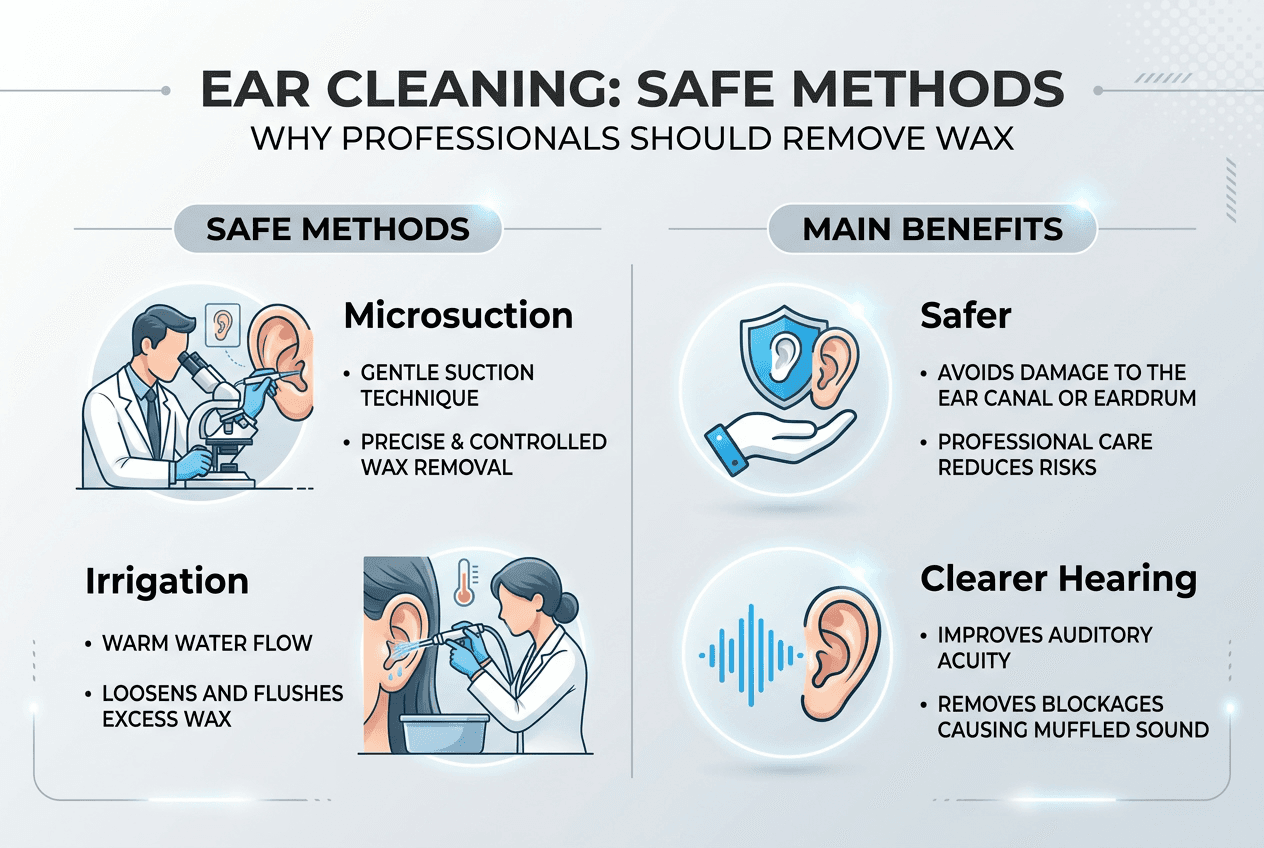
The procedure typically takes just 10 to 20 minutes per ear. You hear a gentle whooshing sound as the suction removes wax, but most people find this far less uncomfortable than the pressure and gurgling associated with irrigation. Microsuction works effectively on hard, impacted wax that other methods struggle to shift. It is also safe for people with perforated eardrums, grommets, or mastoid cavities where water-based methods are contraindicated.
Irrigation, also called syringing, uses controlled water flow to flush out earwax. Modern electronic irrigators have largely replaced old-style metal syringes, offering better pressure control and temperature regulation. However, irrigation remains less precise than microsuction because the practitioner cannot see the wax during removal. Water can become trapped behind impacted wax, potentially causing temporary hearing reduction or discomfort until it drains naturally.
Manual instrumentation involves using specialised tools like curettes, hooks, or forceps to remove wax under direct vision. This technique requires considerable skill and experience to perform safely. Practitioners often combine manual techniques with microsuction, using instruments to loosen stubborn wax before suctioning it away. The combination approach proves particularly effective for dense, adherent wax that resists single-method removal.
Professional cleaning delivers benefits that extend beyond simple wax removal. Specialists examine your entire ear canal and eardrum during the procedure, identifying conditions like infections, foreign bodies, or structural abnormalities that DIY attempts would miss. Studies show professional methods achieve over 90% success rates and avoid complications typical of DIY approaches.
Patients consistently report immediate improvements following professional cleaning. Hearing clarity returns, pressure sensations disappear, and tinnitus often reduces or resolves completely. The psychological relief of having the problem properly addressed should not be underestimated, particularly for people who have struggled with symptoms for weeks or months.
Method | Advantages | Limitations | Best For |
Microsuction | Safest, most precise, works on hard wax, suitable for perforated eardrums | Slight noise during procedure | Most patients, especially those with ear conditions |
Irrigation | Comfortable for some, effective on soft wax | Less precise, contraindicated with perforations, can trap water | Healthy ears with soft wax |
Manual instrumentation | Effective on stubborn wax, combines well with other methods | Requires high skill level | Dense or adherent wax |
Pro Tip: Before your appointment, avoid using ear drops unless specifically advised by your practitioner. Some drops can make wax swell, potentially worsening blockage symptoms temporarily. If drops are recommended, follow the instructions precisely regarding timing and duration.
Understanding microsuction safe ear wax removal helps you appreciate why this method has become the preferred choice for both practitioners and patients across the UK.
When to seek professional ear cleaning and what to expect
Recognising when you need professional help prevents minor wax buildup from becoming a major problem. Symptoms like itching, discharge, tinnitus, dizziness, fullness, earache, or hearing loss indicate the need for professional cleaning rather than home remedies. Many people delay seeking help, hoping symptoms will resolve spontaneously, but wax impaction rarely improves without intervention.
Your professional ear cleaning appointment begins with a thorough consultation. The practitioner asks about your symptoms, medical history, and any previous ear problems. They need to know about conditions like diabetes, immune system disorders, or previous ear surgery because these factors influence which cleaning method is safest for you. Mention if you use hearing aids or experience frequent ear infections, as these details help guide the treatment approach.
The examination uses specialist equipment that provides a detailed view of your ear canal and eardrum. Video otoscopy allows high-resolution ear examination and appropriate referrals if needed, with many clinics now offering patients the opportunity to see their own ear canal on screen. This visualisation helps you understand the extent of wax buildup and any other findings the practitioner identifies.
The cleaning procedure itself follows a systematic approach:
The practitioner positions you comfortably, usually seated or slightly reclined
They gently straighten your ear canal to optimise access and visibility
The chosen removal method is applied carefully and methodically
Both ears are examined and treated if necessary
A final inspection confirms complete wax removal and ear health
Most people find the process far more comfortable than anticipated. You might feel slight tickling or hear unusual sounds, but pain is rare when the procedure is performed correctly. The entire appointment typically lasts 20 to 30 minutes, though this varies depending on the severity of impaction and whether both ears require treatment.
Immediate results are the norm. Hearing often improves noticeably as soon as the wax is removed, with many patients expressing surprise at how much clearer sounds become. Any fullness or pressure sensation disappears, and if tinnitus was related to the wax buildup, it frequently diminishes or stops altogether.
Pro Tip: After professional cleaning, your ears may feel slightly sensitive for a few hours. This is completely normal and resolves quickly. Avoid inserting anything into your ears and keep them dry for 24 hours to allow the ear canal to settle.
If the examination reveals concerns beyond simple wax buildup, your practitioner can arrange appropriate referrals to ear, nose, and throat consultants. Conditions like chronic infections, unusual growths, or significant eardrum damage require specialist ENT assessment and treatment. Understanding free ear wax removal NHS options helps you navigate the referral process if further investigation is needed.
Regular professional ear checks benefit people prone to wax accumulation. Scheduling appointments every six to twelve months prevents severe impaction from developing and allows early detection of any emerging ear health issues. This preventive approach proves far more comfortable and cost-effective than waiting until symptoms become unbearable.
Professional ear cleaning services in Scotland
If you are experiencing symptoms of earwax buildup, professional care can provide safe, effective relief. NHS-accredited clinics across Scotland offer expert ear cleaning services using modern techniques that prioritise your comfort and safety. Specialists trained in advanced methods like microsuction can address even stubborn wax problems whilst identifying any underlying conditions that need attention.
Booking a consultation allows you to discuss your symptoms with qualified practitioners who understand the complexities of ear health. You will receive a thorough examination and personalised treatment that addresses your specific needs. Learning about types of ear wax removal procedures helps you understand which approach suits your situation best. Knowing ear health checks what to expect can ease any concerns about your first appointment. For those in the Glasgow area, ears wax removal Clydebank provides convenient access to professional services.
Frequently asked questions
Is professional ear cleaning safe for children?
Professional ear cleaning is safe for children when conducted by trained practitioners using gentle methods like microsuction. Regulated clinics in Scotland can treat patients from two years of age, ensuring effective removal without the risks associated with DIY cleaning. Specialists adapt their approach for younger patients, taking extra care to ensure comfort throughout the procedure.
How often should I have my ears professionally cleaned?
Frequency depends on your individual wax production and symptoms. Routine check-ups every six to twelve months are typical for those prone to buildup, whilst others may need attention only when symptoms develop. Your practitioner can recommend a schedule based on your ear health history and the rate at which wax accumulates in your specific case.
What should I avoid doing at home to prevent earwax problems?
Avoid inserting cotton buds or other objects into the ear canal, as these push wax deeper and risk injury. Do not use unproven methods like ear candles, which are both ineffective and dangerous. Allow professional specialists to manage earwax removal safely, and simply clean the outer ear with a damp cloth during your daily routine.
Does professional ear cleaning hurt?
Most people experience minimal discomfort during professional ear cleaning. Microsuction creates a gentle whooshing sound and slight tickling sensation, whilst irrigation produces a warm water flow that some find soothing. Pain is rare when procedures are performed by trained practitioners, and any sensitivity typically resolves within hours of treatment.
Recommended