
Step by Step Ear Care for Safe and Effective Relief

Every parent faces anxious moments when a child complains of ear pain or struggles to hear clearly. Acting quickly can make all the difference, especially when discomfort or wax buildup disrupts sleep and daily routines. By recognising early warning signs and choosing NHS-accredited private ear care specialists in Glasgow or Edinburgh, you can ensure your child receives prompt, professional support safely and comfortably.
Quick Summary
Essential Insight | Explanation |
1. Identify ear symptom indicators | Recognising symptoms like pain or discharge helps in early intervention. Observe duration and intensity. |
2. Choose safe cleaning methods | Prioritise techniques like microsuction for ear wax removal, ensuring professional assessment is sought. |
3. Ensure patient comfort during procedures | Maintain constant communication and monitor for discomfort to ensure a safe experience during ear care. |
4. Verify health and schedule follow-ups | After treatment, assess hearing and document recovery to prevent future ear issues. Regular follow-ups are essential. |
Step 1: Assess symptoms and prepare for ear care
Effective ear care begins with understanding the signs and symptoms that might indicate potential ear health issues. Recognising early warning signals can help prevent complications and ensure timely intervention.
Your initial assessment should focus on identifying specific indicators of ear problems. Proper ear health evaluation involves examining several key symptoms:
Pain or discomfort in one or both ears
Unusual ear discharge or fluid
Reduced hearing or muffled sounds
Feeling of fullness or pressure in the ear canal
Persistent itching inside the ear
Unexplained balance difficulties
Preparing for ear care requires a systematic approach. Understanding the potential causes of ear issues is crucial. Bacterial infections, viral conditions, wax accumulation, and environmental factors can all contribute to ear health challenges. Parents and individuals should pay close attention to the duration and intensity of symptoms.
Here is a summary of typical causes and possible consequences of untreated ear symptoms:
Potential Cause | Example Symptom | Possible Consequence |
Bacterial infection | Persistent pain or fever | Hearing loss risk |
Wax accumulation | Feeling of fullness | Temporary hearing drop |
Viral condition | Fluid discharge | Potential spread |
Environmental irritants | Persistent itching | Chronic irritation |
Unidentified trauma | Balance difficulties | Ongoing dizziness issues |
Professional ear health assessments are recommended when symptoms persist beyond 48 hours or are accompanied by fever.
Before seeking professional treatment, document your symptoms carefully. Note the onset, duration, and specific characteristics of any ear-related discomfort. This information will help healthcare professionals provide more accurate diagnoses and targeted treatments.
Professional tip: Keep a detailed symptom diary to help your healthcare provider understand your ear health more comprehensively.
Step 2: Select the safest ear cleaning technique
Selecting the most appropriate ear cleaning technique is crucial for maintaining ear health and preventing potential complications. When choosing a method, patients must prioritise safety, effectiveness, and professional guidance.
Advanced ear cleaning techniques recommend microsuction as the gold standard for professional ear wax removal. This technique offers several key advantages:
Minimally invasive approach
Direct visual inspection during procedure
Reduced risk of infection
Precise wax removal
Suitable for patients with complex ear conditions
Lower potential for ear canal or eardrum damage
Microsuction involves using specialised medical equipment to gently remove ear wax under microscopic vision. Unlike traditional irrigation methods, this technique allows healthcare professionals to see exactly what they are doing, ensuring a safer and more controlled procedure.
Professional ear cleaning should always be performed by trained healthcare specialists using approved medical techniques.
Different ear cleaning techniques suit different patient needs. While microsuction is recommended for most cases, some patients might require alternative methods based on their specific ear health condition. Consulting with a professional aural care specialist will help determine the most appropriate approach.
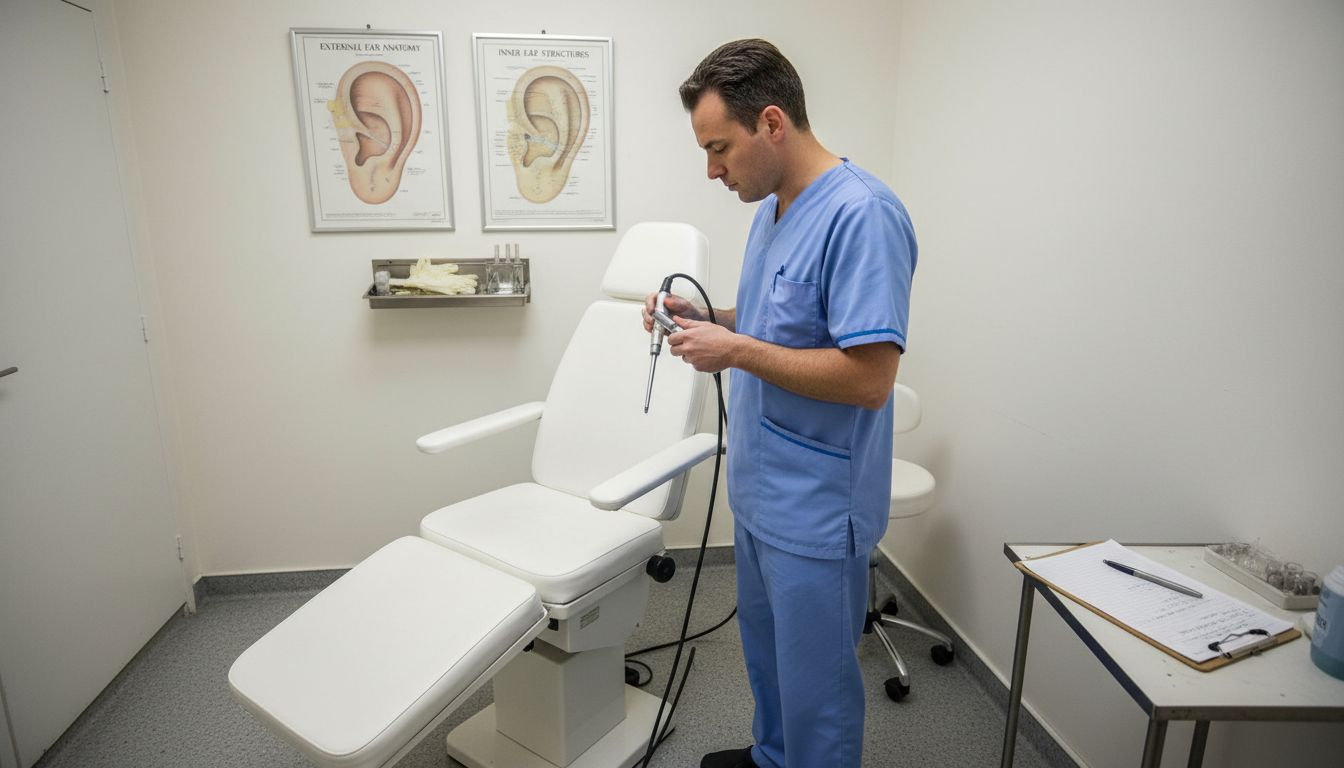
Professional tip: Always consult a trained professional before attempting any ear cleaning technique to prevent potential hearing damage.
Step 3: Implement microsuction, irrigation or instrumentation
Implementing the most appropriate ear cleaning technique requires careful consideration of individual patient needs and professional medical guidance. Understanding the nuanced approaches available will help ensure safe and effective ear wax removal.
Professional ear cleaning protocols highlight microsuction as the preferred method for most ear wax removal scenarios. This technique involves several critical steps:
Professional equipment preparation
Patient comfort and positioning
Sterile technique implementation
Magnified visual inspection
Gentle wax extraction
Post-procedure assessment
Microsuction requires specialised medical training and precise equipment. Healthcare professionals will use a microscope and fine suction tools to carefully remove impacted wax or debris. The procedure demands individual patient assessment, considering factors like ear canal anatomy, wax consistency, and potential underlying conditions.
Ear cleaning techniques must be performed by trained healthcare professionals using approved medical protocols.
While microsuction is preferred, some patients might require alternative methods such as irrigation or manual instrumentation. The choice depends on individual clinical presentations, medical history, and specific ear health challenges. Professional aural care specialists will determine the most appropriate and safest approach for each patient.
The following table contrasts key professional ear cleaning methods:
Method | Main Advantage | Suitability |
Microsuction | Highly precise removal | Complex or sensitive conditions |
Irrigation | Rapid wax clearance | Simple, non-complicated blockage |
Instrumentation | Controlled extraction | Hardened or stubborn wax |
Professional tip: Always prioritise professional assessment and individualised treatment over generic ear cleaning approaches.
Step 4: Monitor patient comfort and safety throughout
Ensuring patient comfort and safety during ear wax removal requires constant professional attention and proactive communication. Healthcare practitioners must remain vigilant throughout the entire procedure, adapting their approach to individual patient responses.
Patient safety protocols emphasise continuous monitoring and responsive care. The key aspects of maintaining patient well-being include:
Regular verbal communication
Ongoing pain and discomfort assessment
Immediate procedure pause capabilities
Gentle technique adjustments
Continuous visual inspection
Patient positioning comfort
Professional ear care specialists are trained to recognise subtle signs of patient distress or potential complications. They will continuously engage with the patient, asking about comfort levels and checking for any unexpected sensations during the procedure. This approach allows for real-time intervention and ensures the patient feels supported and secure.
Patient safety and comfort are paramount during all ear care procedures.
The ear care professional will maintain strict aseptic conditions, use sterile equipment, and be prepared to modify or halt the procedure if the patient experiences significant discomfort. Documentation of patient responses and any procedural adjustments is crucial for maintaining high standards of care.
Professional tip: Always maintain open and gentle communication, allowing patients to feel fully informed and in control throughout the ear care process.
Step 5: Verify ear health and schedule follow-ups
Final verification of ear health after wax removal is crucial for ensuring complete recovery and identifying any potential additional concerns. This step involves comprehensive assessment and strategic planning for future ear care.
Post-treatment follow-up recommendations require systematic audiological evaluation and monitoring. The verification process encompasses several essential elements:
Comprehensive hearing assessment
Documentation of procedure outcomes
Evaluation of residual symptoms
Patient comfort and recovery check
Identification of potential complications
Personalised follow-up scheduling
Healthcare professionals will conduct thorough examinations to confirm successful wax removal and assess overall ear health. This includes checking for any signs of inflammation, ensuring complete debris removal, and verifying that hearing capabilities have been restored to optimal levels.
Professional follow-up care is essential to guarantee long-term ear health and prevent potential future complications.
Depending on individual patient conditions, practitioners may recommend specific intervals for subsequent check-ups. These recommendations are tailored to address unique patient needs, medical history, and any identified risk factors discovered during the initial procedure.
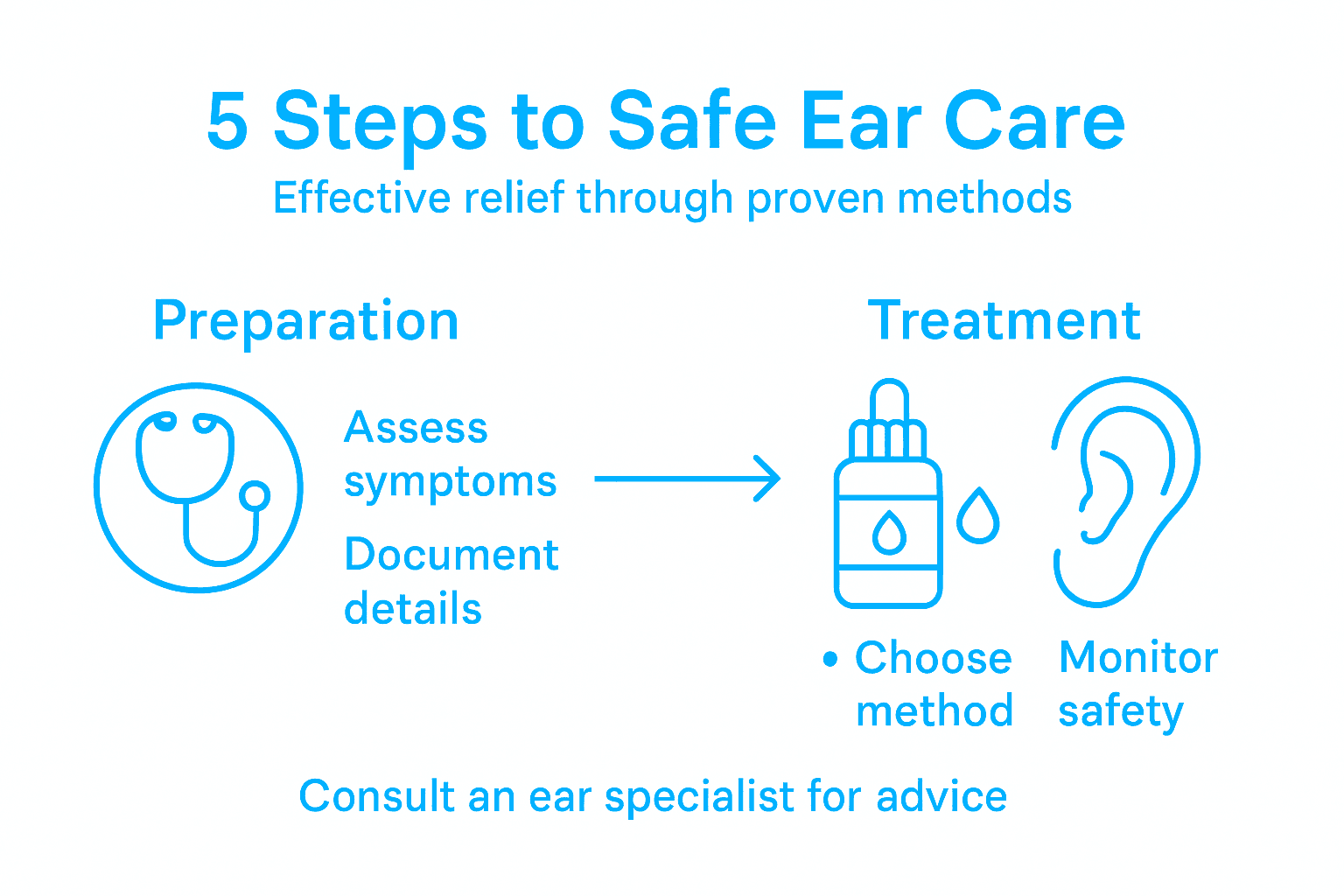
Professional tip: Keep a detailed record of your ear health history to facilitate more precise and personalised future treatments.
Take Control of Your Ear Health with Professional Care from EARS Clinics
If you are experiencing persistent ear discomfort, wax build-up, or hearing difficulties as outlined in the step-by-step guide to safe ear care, professional treatment is essential. EARS Clinics specialises in NHS-accredited, expert ear wax removal using advanced techniques such as microsuction, irrigation, and instrumentation performed by trained Aural Care Specialists. Their focus on patient safety, comfort, and personalised care ensures you receive effective relief with no compromise.
Don’t wait for symptoms to worsen or risk ineffective home treatments. Benefit from swift, reliable appointments across Glasgow and Edinburgh including same-day clinic visits and home visits tailored for your needs. Discover how EARS Clinics follow strict healthcare protocols and regulatory standards to protect your hearing health safely and conveniently today. Book your appointment now at EARS Clinics and experience professional ear care designed to restore comfort and clarity. Learn more about their safe ear wax removal techniques and see why so many trust their expert services for lasting ear health.
Frequently Asked Questions
What are the early warning signs of ear problems?
Recognising early warning signs, such as pain, unusual discharge, or reduced hearing, is vital for ear health. Document these symptoms and consult a healthcare professional if they persist beyond 48 hours.
How should I prepare for an ear care appointment?
Prepare for your ear care appointment by documenting your symptoms, including their onset and duration. This detailed information will assist your healthcare provider in diagnosing and tailoring treatment effectively.
What is microsuction and why is it recommended for ear cleaning?
Microsuction is a professional technique for ear wax removal that offers a minimally invasive approach with direct visual inspection. Schedule a microsuction appointment if you have complex ear conditions to ensure safe and precise wax extraction.
How can I ensure my comfort during an ear cleaning procedure?
To ensure your comfort during an ear cleaning procedure, maintain regular communication with the healthcare professional about any discomfort you experience. They can adjust their methods in real-time to enhance your comfort and safety.
What should I expect during a follow-up after ear wax removal?
During a follow-up, expect a comprehensive hearing assessment to confirm successful wax removal and check for any complications. Plan to schedule this follow-up appointment within a few weeks to ensure your ear health remains optimal.
How can I maintain ear health after a cleaning procedure?
Maintain ear health after a cleaning procedure by following your healthcare professional’s post-treatment advice and monitoring for any new symptoms. Keep a record of your ear health history to support future treatments.
Recommended