
Safe Ear Care for Elderly – Why Expertise Matters
Updated: Jan 16
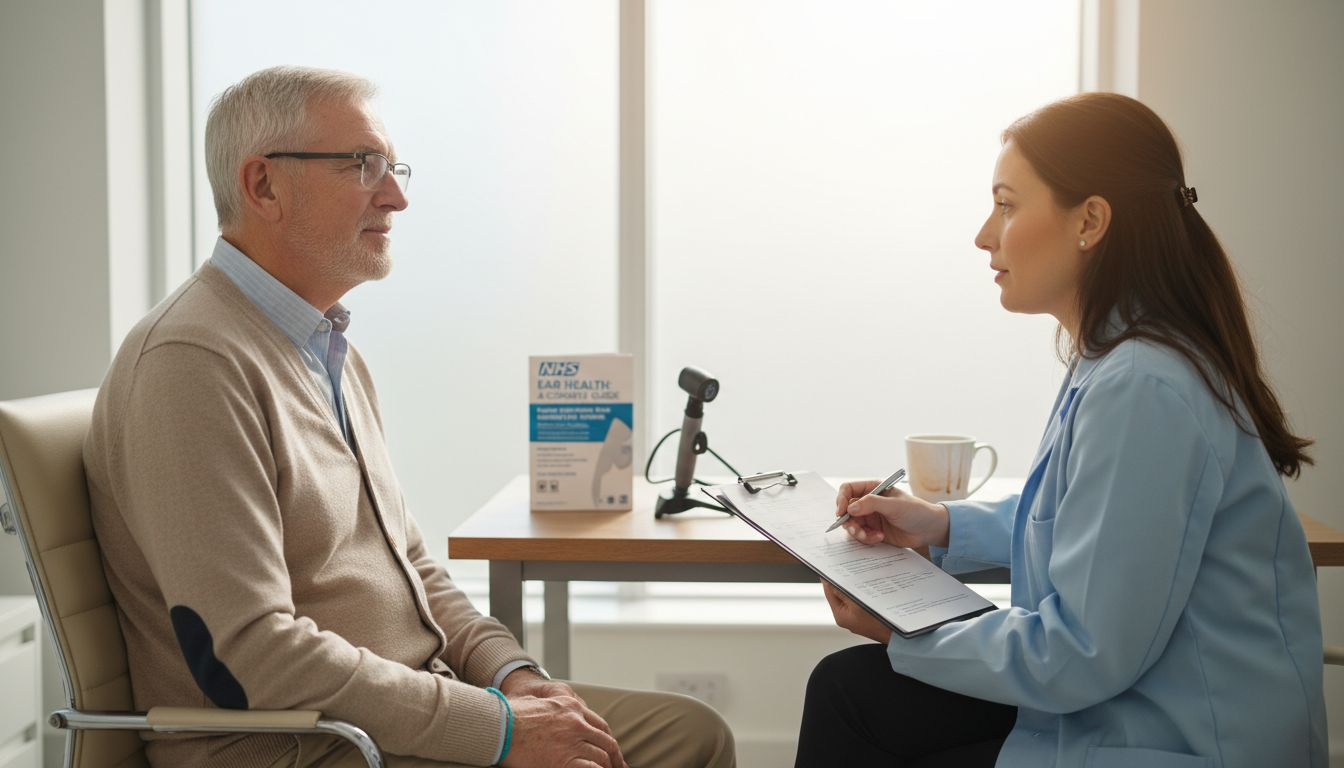
Nearly half of British adults over 75 experience hearing loss, with age-related ear problems creating daily obstacles for many in Glasgow and Edinburgh. For seniors, ear wax build-up is more than annoying—it can disrupt social connections and increase health risks if ignored. Private clinics now offer immediate, professional ear wax removal tailored for older patients, so you can protect your hearing, avoid long waiting times, and enjoy a safer, more comfortable solution.
Key Takeaways
Point | Details |
Importance of Hearing Assessments | Regular hearing screenings are crucial for seniors to maintain communication and detect issues early, as untreated hearing loss can lead to cognitive decline and social isolation. |
Ear Wax Management | Excessive ear wax can cause discomfort and hearing complications; proper techniques and professional assessment are essential for safe removal. |
Microsuction vs Other Techniques | Microsuction is preferred for ear wax removal in elderly patients due to its precision and lower infection risk, compared to irrigation and manual instrumentation. |
NHS vs Private Services | There is often limited access to NHS ear wax removal services, prompting many to seek reliable alternatives in private clinics for immediate care. |
Essential ear health for elderly patients
Age-related hearing challenges represent a significant health concern for seniors, with approximately one in three people experiencing hearing loss by age 65 and nearly half experiencing it by age 75. These statistics underscore the critical importance of understanding and maintaining optimal ear health in elderly populations.
Hearing loss is not simply an inconvenience but a complex condition with profound implications. Research from audiology experts demonstrates that untreated hearing impairments can lead to cognitive decline, increased social isolation, and potential mental health challenges like depression. Regular hearing screenings become crucial for early detection and management, helping seniors maintain their quality of life and communication abilities.
Comprehensive ear health for elderly patients involves multiple strategic approaches. These include:
Regular professional hearing assessments
Understanding potential wax build-up risks
Protecting ears from excessive noise exposure
Monitoring for signs of infection or structural changes
Specialists recommend using validated screening tools like the Hearing Handicap Inventory for the Elderly Screening (HHIE-S) to assess hearing capabilities systematically. Comprehensive hearing assessments combine physical examinations with specialised auditory tests to provide a holistic understanding of an individual’s ear health.
Pro tip: Schedule an annual hearing assessment and maintain a detailed record of any changes or concerns to support your healthcare provider’s ongoing monitoring.
Causes and signs of ear wax build-up
Ear wax, medically known as cerumen, plays a critical protective role in our ear health. However, when it accumulates excessively, it can cause significant discomfort and potential hearing complications. Understanding how ear wax forms and its potential blockage mechanisms is essential for maintaining optimal ear health, particularly in elderly populations.
Causes of ear wax build-up are diverse and often interconnected. According to medical research from the Mayo Clinic, several factors contribute to excessive wax accumulation:
Overproduction of natural ear wax
Narrow or unusually shaped ear canals
Regular use of hearing aids or earplugs
Inappropriate ear cleaning techniques
Genetic predisposition to increased wax production
Recognising the signs of ear wax blockage is crucial for timely intervention. Common symptoms include:
Gradual hearing loss or muffled sounds
Persistent ear discomfort or a feeling of fullness
Tinnitus (ringing in the ears)
Occasional dizziness
Mild ear pain or itching
Professional healthcare experts strongly advise against attempting to remove ear wax using cotton buds or other household objects. Such methods often push wax deeper into the ear canal, increasing the risk of impaction and potential damage.

Pro tip: If you experience persistent ear wax symptoms, consult a professional audiologist who can safely assess and remove ear wax using specialised techniques.
Techniques: microsuction, irrigation, instrumentation
Ear wax removal requires specialised professional techniques that prioritise patient safety and effectiveness. Clinical guidelines for microsuction demonstrate that modern ear care involves three primary methods: microsuction, irrigation, and manual instrumentation, each with unique advantages and specific applications for elderly patients.
Microsuction represents the most advanced technique, involving a precise procedure performed under direct microscopic visualisation. This method uses a small suction probe to carefully remove ear wax, debris, and potential foreign bodies. Community-based microsuction services have increasingly become preferred due to their lower risk of infection and reduced potential for tympanic membrane damage compared to traditional irrigation methods.
The three primary ear wax removal techniques include:
Microsuction: Utilises microscopic visualization and gentle suction
Irrigation: Employs controlled water pressure to flush out wax
Manual Instrumentation: Uses specialised tools for precise wax removal
Each technique requires extensive training and clinical expertise. Practitioners must carefully assess individual patient conditions, considering factors such as ear canal anatomy, wax consistency, and potential underlying health issues. The advantages of microsuction make it increasingly popular, particularly for patients with complex ear health requirements.
Here is a comparison of the three main ear wax removal techniques for elderly patients:
Technique | Equipment Used | Typical Patient Suitability | Key Safety Considerations |
Microsuction | Suction probe, microscope | Suitable for most, especially with complex cases | Visual accuracy reduces tissue risk |
Irrigation | Water syringe, basin | Generally for healthy ear canals | Not recommended for perforated eardrum |
Manual Instrumentation | Curette, forceps | Useful for hard or dry wax | Requires steady hands and experience |
Pro tip: Always consult a trained professional who can assess which ear wax removal technique is most appropriate for your specific ear health needs.
Expert protocols for safety and regulation
Patient safety stands at the core of professional ear wax removal procedures. Clinical practice guidelines from leading medical institutions establish rigorous protocols to protect elderly patients during ear health interventions, emphasising comprehensive assessment and meticulous technique.
These expert protocols involve multiple critical steps to ensure patient protection:
Comprehensive initial patient assessment
Detailed medical history review
Thorough otoscopic examination
Identification of potential contraindications
Selection of appropriate removal technique
Obtaining informed patient consent
Monitoring patient comfort during procedure
Standardised medical protocols specifically highlight critical contraindications that practitioners must carefully evaluate before proceeding with any ear wax removal technique. These include:
Suspected eardrum perforation
Active ear infections
Recent ear surgery
Presence of ear pain or inflammation
Specific anatomical ear canal variations
Professional clinicians are required to undergo extensive training and maintain continuous professional development to stay updated on the latest safety guidelines and removal techniques. This ensures they can adapt their approach to each patient’s unique ear health requirements.
Pro tip: Always request documentation of your healthcare provider’s professional qualifications and adherence to current safety regulations before undergoing any ear wax removal procedure.
Risks, costs and alternatives to NHS provision
Ear wax removal services in the United Kingdom face significant challenges, with inconsistent NHS provision creating a complex landscape for patients. Approximately 8.1 million people in England currently lack direct access to NHS ear wax removal services, forcing many to seek alternative and potentially riskier solutions.
The current healthcare environment presents several critical considerations for patients:
Limited NHS ear wax removal availability
Significant variations in service provision across different regions
Potential for increased health risks through self-treatment
Higher costs associated with private healthcare options
Primary care interventions reveal substantial variation in ear wax management, with approximately 2 million ear irrigations performed annually in England and Wales. Economic evaluations suggest that treatment costs and effectiveness vary considerably, creating additional complexity for patients seeking appropriate care.
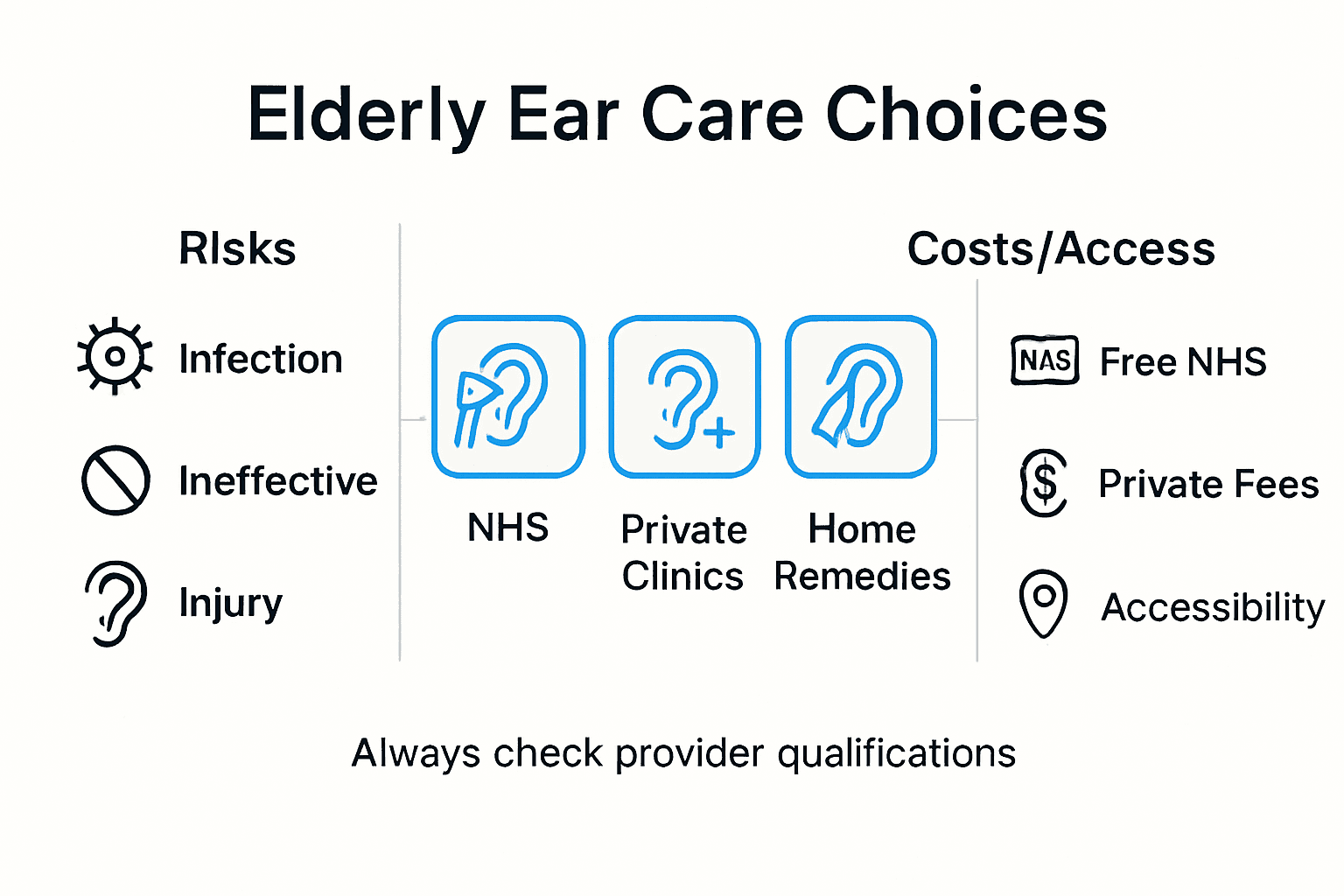
Private clinics have emerged as a crucial alternative to address the gaps in NHS provision. These clinics offer more consistent, immediate access to professional ear wax removal services, with standardised pricing and expert-led treatments that mitigate the risks associated with self-management or delayed intervention.
The table below summarises the primary private versus NHS ear wax removal options in the UK:
Provider Type | Accessibility | Cost to Patient | Service Consistency |
NHS | Often regionally limited | Usually free | Varies by location |
Private Clinic | Widely available | Typically £50–£120 | Standardised offerings |
Pro tip: Always verify a private clinic’s professional accreditations and compare their service costs and approaches before committing to ear wax removal treatment.
Expert Ear Care for Elderly Patients Starts Here
Age-related ear health challenges demand specialised care that prioritises safety and expertise. If you or a loved one are experiencing symptoms of ear wax build-up, hearing difficulties, or discomfort, professional assessment and removal are vital to prevent complications like hearing loss or infections. Our advanced techniques such as microsuction, irrigation, and manual instrumentation ensure thorough yet gentle treatment tailored for elderly patients, following strict safety protocols outlined in leading clinical guidelines.
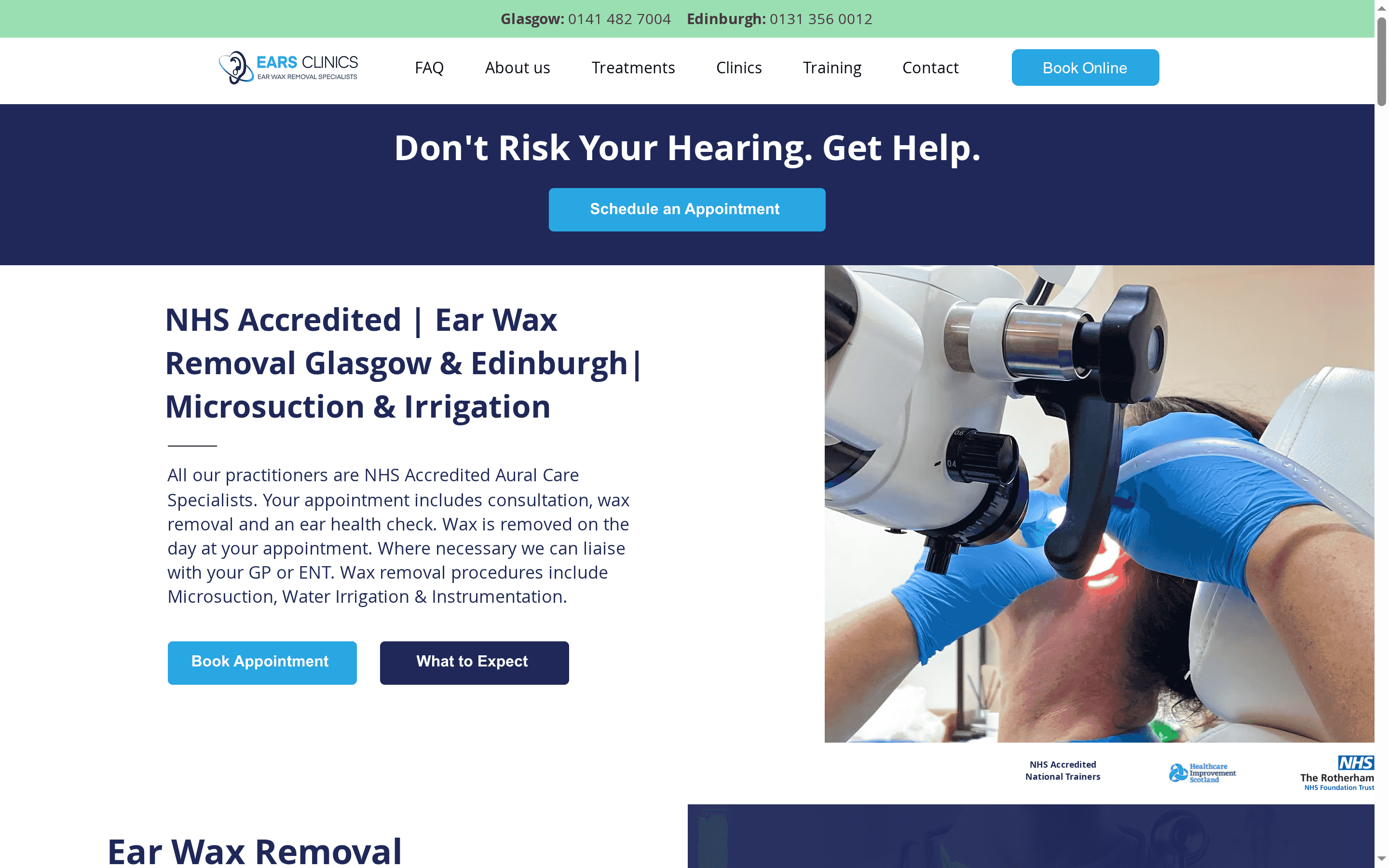
Choose EARS Clinics for your ear health needs in Glasgow and Edinburgh where registered Aural Care Specialists deliver NHS-accredited, expert ear wax removal with minimal waiting times. We provide convenient same-day appointments, in-clinic visits, and home care options to suit your situation. Discover how our professional approach can improve your hearing and comfort today by visiting EARS Clinics, exploring details on safe ear wax removal, and learning why microsuction is considered the safest technique advantages of microsuction. Take the first step towards safer ear care and book your appointment now.
Frequently Asked Questions
What are the common signs of ear wax build-up in the elderly?
Common signs of ear wax build-up include gradual hearing loss, a feeling of fullness in the ear, tinnitus (ringing in the ears), dizziness, and mild ear pain or itching.
Why is it important to have regular hearing assessments for seniors?
Regular hearing assessments are crucial as untreated hearing loss can lead to cognitive decline, social isolation, and mental health issues. Early detection allows for better management and support of hearing challenges.
What are the main techniques for ear wax removal and their safety?
The primary techniques for ear wax removal are microsuction, irrigation, and manual instrumentation. Microsuction is the safest as it uses gentle suction under microscopic visualisation, while irrigation involves water pressure and may not be suitable for all patients. Manual instrumentation uses specialised tools for precise removal.
What precautions should be taken before ear wax removal?
Before ear wax removal, a healthcare professional should conduct a comprehensive initial assessment, review medical history, perform an otoscopic examination, identify potential contraindications, and obtain informed consent to ensure patient safety.
Recommended