
Professional Ear Care: 78% Fewer Injuries & Faster Relief
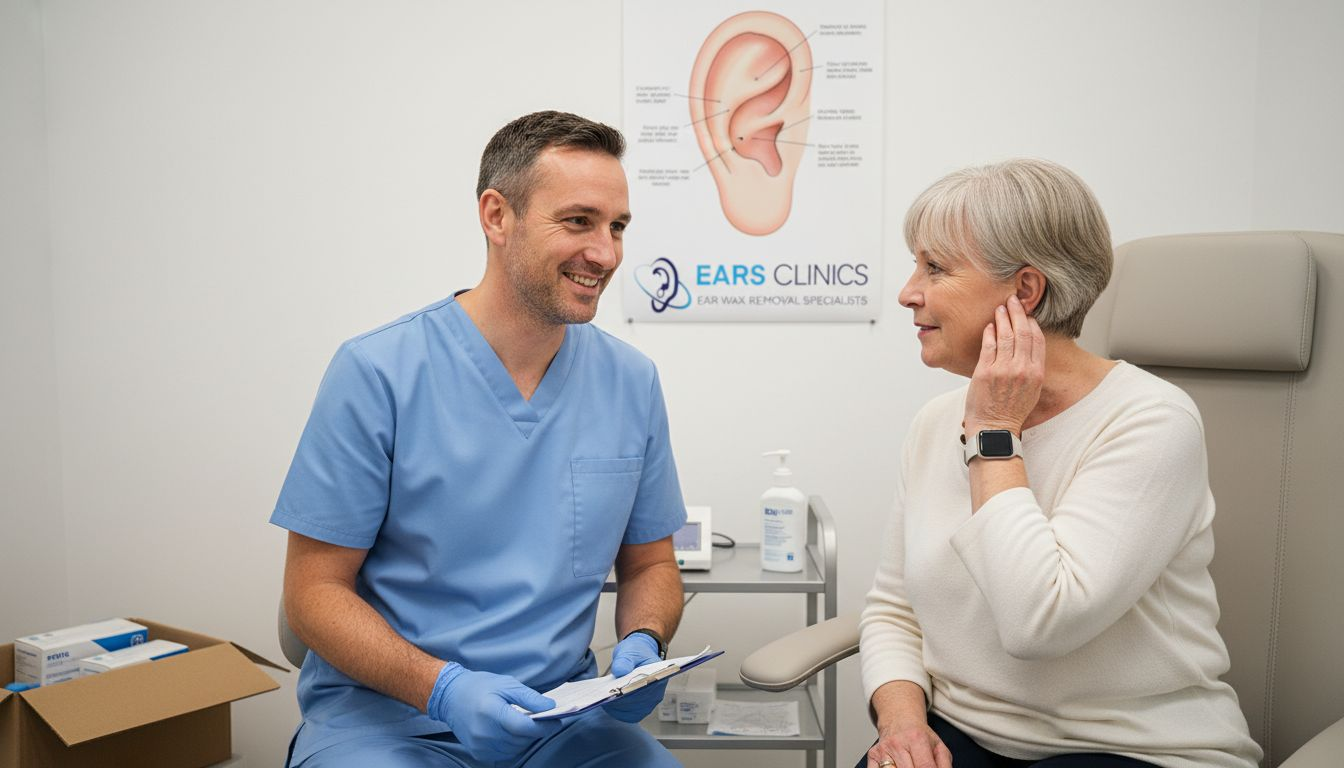
Many people believe ear wax should be removed at home using cotton buds or other DIY methods. This widespread misconception leads to serious consequences. Self-treatment actually causes 78% of emergency ear injuries related to ear wax. Professional ear care offers safer, expert-guided solutions that protect your hearing and provide effective relief from blockage and discomfort. In this article, you’ll discover the compelling reasons to choose professional ear wax removal, understand different treatment methods, and learn how to access qualified services in Glasgow and Edinburgh.
Key Takeaways
Point | Details |
Ear wax is protective | Cerumen naturally traps dust and microbes, protecting your ear canal from infection and irritation. |
Self-treatment risks injury | Home removal attempts cause 78% of emergency ear injuries, while professional care minimizes these risks significantly. |
Multiple safe methods exist | Microsuction, irrigation, and instrumentation offer different approaches tailored to individual ear health needs. |
Private clinics reduce wait times | Glasgow and Edinburgh clinics provide same-day or next-day appointments compared to lengthy NHS waiting periods. |
Regulation ensures quality | Healthcare Improvement Scotland registration guarantees practitioners meet strict safety standards and training requirements. |
Introduction to Ear Wax and Its Role in Ear Health
Ear wax, scientifically known as cerumen, serves as your ear canal’s natural defense system. It traps dust particles, dead skin cells, and microorganisms before they reach your eardrum. This sticky substance also lubricates the ear canal, preventing dryness and irritation that could make your ears uncomfortable.
Normal ear wax presence indicates healthy ear function. Your body produces the right amount to protect without causing problems. However, excessive production or improper migration can lead to impacted wax that blocks the ear canal. Approximately 5% of adults experience impacted ear wax annually, requiring professional removal to restore hearing and comfort.
Several factors contribute to wax buildup:
Narrow or unusually shaped ear canals that restrict natural wax migration
Frequent use of earphones or hearing aids that push wax deeper
Aging, which changes wax consistency and makes it harder to expel naturally
Excessive hair growth in the ear canal that traps wax
Skin conditions like eczema that increase production
Understanding ear wax’s protective role helps you appreciate why improper removal attempts damage this delicate system. Your ears evolved a self-cleaning mechanism that works effectively when left undisturbed. Professional intervention becomes necessary only when this natural process fails, leading to blockage symptoms that affect your daily life and hearing quality.
Common Symptoms and Consequences of Ear Wax Blockage
Recognizing blockage symptoms early allows you to seek timely professional care before complications develop. Hearing loss represents the most common sign, ranging from mild muffling to significant impairment. You might notice difficulty following conversations, especially in noisy environments, or find yourself turning up the television volume more than usual.
Ear fullness creates an uncomfortable sensation that something is lodged in your ear canal. This feeling persists regardless of swallowing or jaw movement. Discomfort or mild pain may accompany fullness, particularly when the blockage presses against the canal walls. Itching inside the ear signals irritation from trapped wax or debris.

Tinnitus, perceived as ringing, buzzing, or humming sounds, frequently accompanies wax blockage. These phantom noises can be constant or intermittent, affecting concentration and sleep quality. Some people experience dizziness or balance issues when impacted wax affects the vestibular system.
Blocked wax creates several health risks beyond immediate discomfort. The trapped moisture and warmth behind impacted wax provide ideal conditions for bacterial growth, increasing infection risk. Temporary hearing impairment can affect work performance, social interactions, and safety awareness. Prolonged blockage may damage the delicate skin lining your ear canal.
Avoid ignoring mild symptoms, hoping they will resolve spontaneously. Wax hardens over time, making removal more difficult and increasing complication risks. Early recognition of ear discomfort prompts quicker professional evaluation, preventing the progression from minor annoyance to serious impairment that affects your quality of life and daily functioning.
Why Professional Ear Care Is Safer and More Effective
Self-treatment attempts cause 78% of emergency ear injuries related to ear wax management. These injuries range from scratches and infections to perforated eardrums requiring surgical repair. Cotton buds push wax deeper into the canal, creating harder impactions that are more difficult to remove safely. Sharp objects risk puncturing the eardrum or scraping the canal’s sensitive skin.
Professional care eliminates these risks through controlled, visualized techniques. Practitioners use specialized equipment like otoscopes and microscopes to see exactly what they are treating. This visualization prevents blind probing that causes most home removal injuries. Qualified specialists understand ear anatomy and recognize conditions requiring different approaches or medical referral.
Healthcare Improvement Scotland registration ensures practitioners meet rigorous standards for training, equipment, and safety protocols. Regulated professionals complete specific ear care courses and maintain competency through ongoing education. Their clinics undergo regular inspections verifying infection control procedures and equipment maintenance.
Key advantages of professional removal include:
Accurate assessment of wax type, location, and impaction severity
Appropriate technique selection based on individual ear health
Sterile equipment preventing cross-contamination and infection
Immediate recognition and management of complications
Follow-up care ensuring complete resolution and preventing recurrence
Avoid unregulated practitioners offering cheap ear cleaning services without proper credentials. These providers lack accountability and may use unsafe methods. Home syringing kits sold online promise easy removal but frequently cause injuries when people use excessive water pressure or incorrect angles.
Pro Tip: Always verify your practitioner’s Healthcare Improvement Scotland registration before treatment. Ask to see their certificate and confirm their training credentials. Legitimate professionals welcome these questions and provide transparent information about their qualifications and approach to safe ear care.
Comparing Ear Wax Removal Techniques: Microsuction, Irrigation, and Instrumentation
Professional practitioners employ three primary ear wax removal methods, each offering distinct advantages for different situations. Understanding these techniques helps you make informed decisions about your treatment preferences.
Technique | Process | Best For | Considerations |
Microsuction | Gentle vacuum removes wax under microscopic visualization | Sensitive ears, perforated eardrums, hearing aid users | Minimal discomfort, no water, precise control |
Irrigation | Warm water flushes wax from canal | Soft wax, healthy eardrums, no previous ear surgery | Cannot be used with perforations, slight infection risk |
Instrumentation | Manual tools extract wax pieces under direct vision | Hard or stubborn wax, partial blockages | Requires highly skilled practitioner, slight discomfort |
Microsuction represents the gold standard for safety and effectiveness. The practitioner uses a fine suction tube connected to a controlled vacuum pump while viewing your ear canal through a microscope or endoscope. This visualization ensures precise wax removal without touching the canal walls or eardrum. The dry procedure eliminates infection risks associated with water introduction.
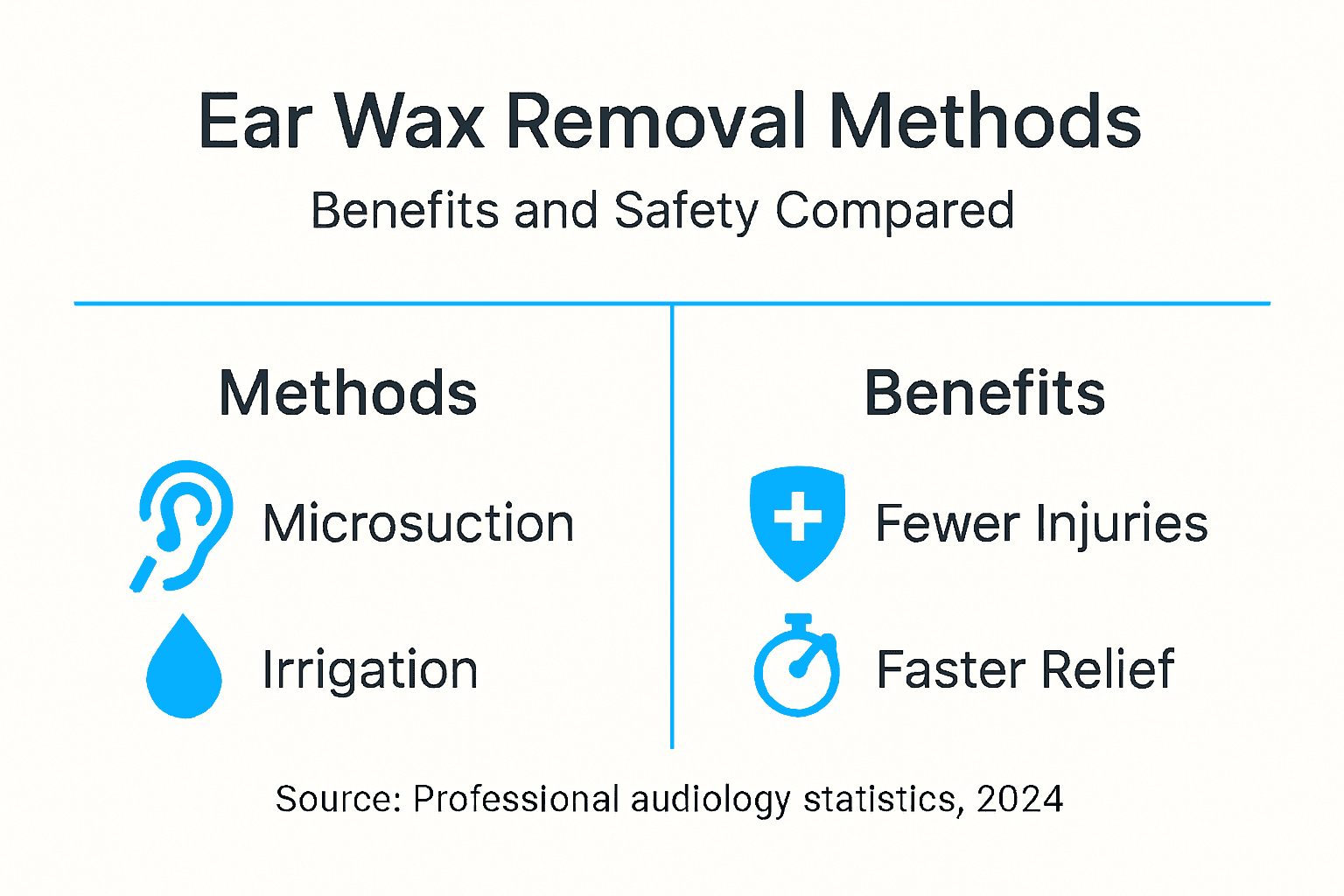
Patients with sensitive ears or previous ear problems benefit most from microsuction. Those with perforated eardrums, grommets, or mastoid surgery cannot safely undergo irrigation but can receive microsuction treatment. The technique produces minimal discomfort, usually described as a tickling sensation with some noise from the suction.
Irrigation uses a controlled stream of body-temperature water to flush wax from the canal. Modern electronic irrigators regulate water pressure, reducing injury risks compared to older syringe methods. However, water introduction carries slight infection risks, particularly if you have existing ear problems or recent swimming exposure.
Manual instrumentation involves using specialized tools like curettes, hooks, or forceps to extract wax pieces under direct vision. Experienced practitioners employ this method for hard, dry wax that resists other techniques. The procedure requires steady hands and thorough anatomical knowledge to avoid canal or eardrum damage.
Many practitioners combine techniques for optimal results. They might soften stubborn wax with drops before microsuction or use instrumentation to remove large pieces before irrigation. Your ear health history, wax characteristics, and comfort preferences guide technique selection.
Pro Tip: Discuss treatment options with your practitioner before the procedure begins. Explain any previous ear problems, discomfort concerns, or preferences. Qualified professionals adapt their approach to your individual needs, ensuring the safest and most comfortable experience possible.
Accessing Professional Ear Care in Glasgow and Edinburgh: What to Expect
NHS ear care services face significant demand, resulting in waiting times stretching weeks or months for non-urgent cases. This delay prolongs discomfort and hearing impairment affecting your work and social life. Private clinics offer same-day or next-day appointments, providing prompt relief when you need it most.
Healthcare Improvement Scotland registration requirements ensure all ear care practitioners in Scotland meet strict standards regardless of NHS or private practice. Registered professionals complete approved training programs, maintain sterile equipment, and follow evidence-based protocols. This regulation protects you from unqualified practitioners operating without oversight.
When booking your appointment, expect several straightforward steps:
Initial consultation reviewing your symptoms and medical history
Otoscopic examination to assess wax location and ear health
Discussion of appropriate removal technique for your situation
The removal procedure itself, typically lasting 15 to 30 minutes
Post-treatment advice and follow-up recommendations if needed
Home visits provide essential access for patients with mobility challenges, severe disabilities, or complex health conditions preventing clinic attendance. Practitioners bring portable equipment to perform microsuction or instrumentation in your home with the same safety standards as clinic treatment. This service particularly benefits elderly patients, those recovering from surgery, or individuals with conditions like severe anxiety or agoraphobia.
Choosing your clinic requires verifying several key factors. Confirm Healthcare Improvement Scotland registration through their online directory. Ask about practitioner qualifications, training backgrounds, and experience levels. Inquire which removal techniques they offer and whether they adapt approaches to individual patient needs.
Transparent pricing helps you plan treatment costs without surprises. Reputable clinics clearly state fees for consultations, removal procedures, and any follow-up visits. They explain what the fee includes and whether additional charges apply for complex cases or extended appointments.
Urgent care options matter when severe blockage causes significant hearing loss or pain affecting your daily functioning. Clinics offering same-day appointments for urgent cases ensure you receive timely treatment without enduring prolonged discomfort while waiting for standard appointment slots.
Common Misconceptions About Ear Wax and Professional Care
Myths about ear wax prevent many people from seeking appropriate care at the right time. Understanding the truth behind these misconceptions empowers you to make safer choices for your ear health.
The belief that ear wax is dirty or unhygienic drives unnecessary removal attempts. In reality, cerumen is a clean, protective substance your body produces for specific health purposes. Its presence indicates normal ear function, not poor hygiene. Excessive cleaning removes this protection, leaving your ear canal vulnerable to infection and irritation.
Many assume cotton buds are safe because they are widely available and commonly used. However, these seemingly harmless items cause more ear injuries than any other home treatment method. They push wax deeper, scratch the canal lining, and risk eardrum perforation. Medical professionals universally advise against inserting anything into your ear canal.
Home syringing kits marketed as safe alternatives to professional care lack the controlled pressure and visualization that prevent injuries. Users frequently apply excessive force, causing perforated eardrums or forcing wax against the eardrum where it hardens into stubborn impactions. The water introduction also carries infection risks when proper sterile techniques are not followed.
Some people believe professional care is only necessary for severe pain or complete hearing loss. This misconception delays treatment, allowing minor blockages to worsen into harder impactions requiring more invasive removal. Early professional intervention when you first notice symptoms like fullness or mild hearing changes prevents complications and ensures quicker, easier treatment.
The assumption that ear wax always migrates out naturally overlooks individual variations in ear anatomy and wax consistency. While the self-cleaning mechanism works for most people most of the time, many factors disrupt this process. Narrow canals, hearing aid use, or simply aging can prevent natural migration, necessitating professional assistance regardless of your hygiene habits.
Other common myths include:
Candles safely remove ear wax (they do not and cause burns)
More wax means worse hygiene (production varies individually)
Children never need professional ear care (they frequently do)
You can see all the wax that needs removing (much hides beyond view)
Dispelling these myths through accurate information helps you recognize when professional care serves your health best and avoid harmful practices that increase injury risks.
Practical Steps to Take When Experiencing Ear Discomfort
Taking appropriate action when symptoms first appear prevents complications and ensures faster relief. Follow these safe steps for managing ear discomfort while arranging professional care.
Identify symptoms warranting professional evaluation. These include hearing loss, ear fullness, persistent discomfort, itching, tinnitus, or dizziness. Any symptom lasting more than a few days or worsening over time requires assessment.
Avoid all home removal attempts. Do not use cotton buds, bobby pins, or any objects to probe your ear canal. Resist the temptation to use over-the-counter ear cleaning kits or irrigation devices without professional guidance.
Consider olive oil drops only if recommended. Some practitioners suggest softening agents before appointments, but always confirm this guidance first. Improper drop use can worsen blockages or cause allergic reactions.
Book an appointment promptly with a Healthcare Improvement Scotland registered practitioner. Request urgent slots if symptoms significantly affect your hearing, work, or daily activities.
Request home visits if mobility issues, disabilities, or health conditions prevent clinic attendance. Explain your situation when booking so practitioners can prepare appropriate portable equipment.
Prepare for your appointment by noting symptom duration, severity, and any factors that worsen or improve them. List medications you take and mention previous ear problems or surgeries.
Follow post-treatment care instructions carefully. Your practitioner may recommend ear drops, activity restrictions, or follow-up appointments to ensure complete resolution.
Pro Tip: Early professional care reduces complication chances and speeds recovery. Waiting for symptoms to become unbearable often means wax has hardened significantly, requiring longer, more uncomfortable removal procedures. Addressing blockage promptly while wax remains softer ensures quicker, easier treatment with better outcomes.
Discover Expert Ear Care Solutions with EARS Clinics
When ear discomfort disrupts your daily life, you need qualified care you can trust. EARS Clinics provides Healthcare Improvement Scotland registered ear care services throughout Glasgow and Edinburgh, specializing in safe, effective wax removal using advanced techniques.
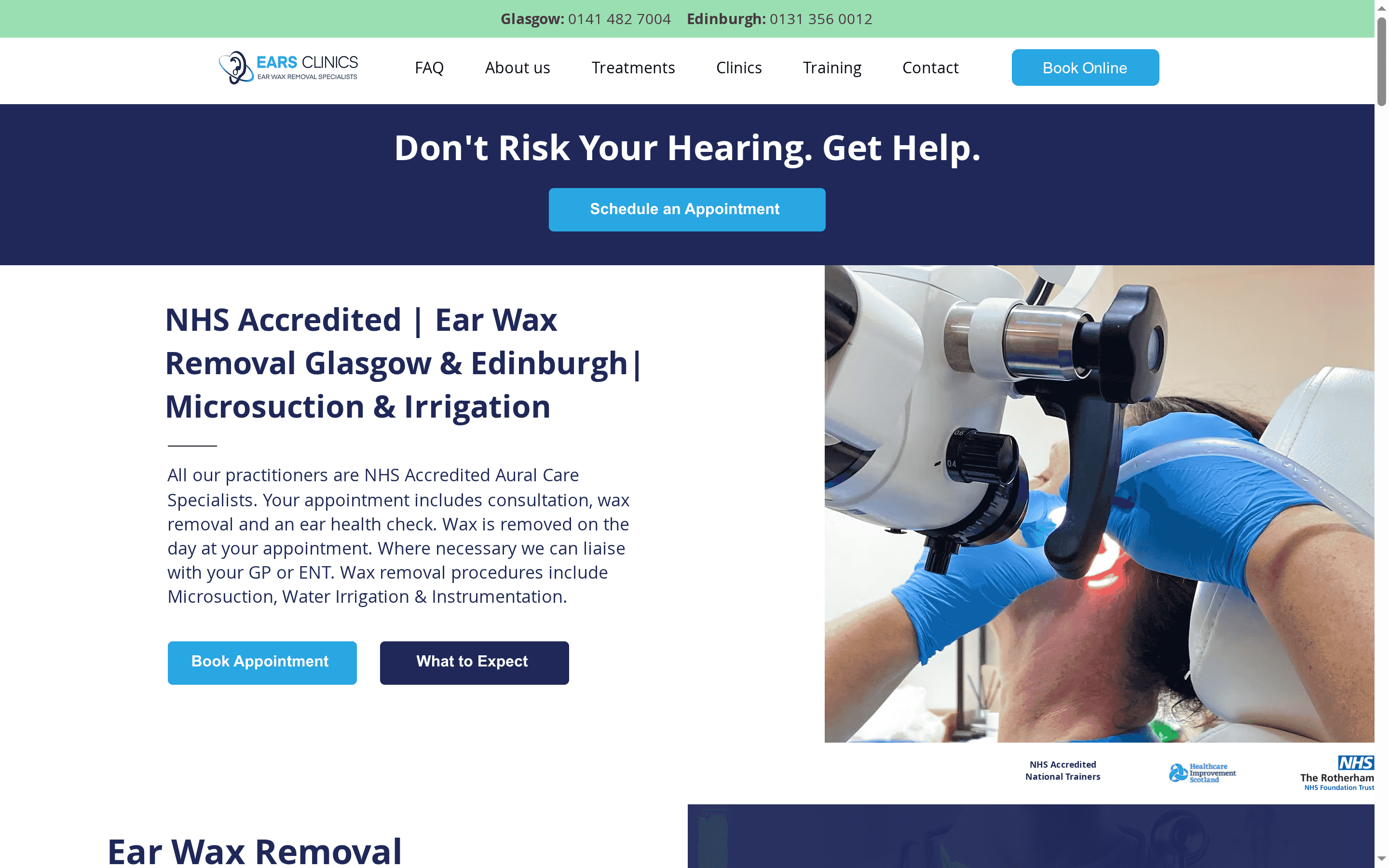
Benefit from NHS-accredited microsuction procedures performed by trained Aural Care Specialists. This gentle, precise method offers the safest removal option for sensitive ears, perforated eardrums, and patients of all ages from two years upward. Our regulated clinics follow the strictest Healthcare Improvement Scotland guidelines, ensuring quality care that protects your hearing.
Avoid lengthy NHS waiting times by booking same-day or next-day private appointments when you need prompt relief. Our flexible scheduling accommodates urgent cases, ensuring you receive timely treatment without prolonged discomfort affecting your work or social life.
Mobility challenges should not prevent access to quality ear care. We provide comprehensive home visit services, bringing professional microsuction directly to patients unable to attend clinic appointments. Our experienced specialists deliver the same rigorous standards in your home, ensuring comfortable, convenient treatment tailored to your individual needs.
Frequently Asked Questions About Professional Ear Care
When should I seek professional ear care for ear wax?
Seek professional care when you notice hearing loss, ear fullness, discomfort, itching, or tinnitus lasting more than a few days. Do not wait for severe pain or complete hearing loss. Early intervention prevents wax from hardening into stubborn impactions requiring more invasive removal procedures.
Is microsuction safe for sensitive ears or children?
Microsuction is the safest removal method for sensitive ears, perforated eardrums, and children from two years upward. The gentle vacuum technique avoids touching canal walls or introducing water, minimizing discomfort and infection risks. Healthcare Improvement Scotland registered practitioners adapt the procedure to each patient’s comfort level.
Can I get professional ear wax removal at home?
Yes, qualified practitioners offer home visits for patients with mobility challenges, severe disabilities, or conditions preventing clinic attendance. Portable microsuction equipment provides the same safety standards as clinic treatment. Home services particularly benefit elderly patients, those recovering from surgery, or individuals with severe anxiety.
What should I avoid when I have ear discomfort?
Avoid inserting cotton buds, bobby pins, or any objects into your ear canal. Do not use home syringing kits or ear candles, which cause injuries and worsen blockages. Resist excessive cleaning or probing. Instead, book prompt professional assessment to identify the cause and receive appropriate treatment.
How quickly can I get an appointment with a private ear care clinic?
Private clinics typically offer same-day or next-day appointments, unlike NHS services with weeks or months of waiting. When booking, explain if your symptoms are urgent or significantly affecting daily activities. Most clinics prioritize severe cases, ensuring you receive timely care when you need it most.
Recommended