
Preventing ear wax buildup: your 2026 guide

TL;DR:
Most healthy ears produce and clear cerumen naturally without intervention. Disrupting this process with cotton swabs or ear candles causes impaction and contamination. Professional ear care should be sought when symptoms like pain or hearing loss persist beyond mild fullness.
Ear wax, known clinically as cerumen, is a natural protective substance that most healthy ears produce and clear without any help. Preventing ear wax buildup does not mean removing wax daily. It means supporting the ear’s own self-cleaning process while avoiding the habits that disrupt it. Jaw movements like talking and eating naturally migrate wax out of the canal, making active intervention unnecessary for most people. The problems arise when people interfere with this process using cotton swabs, ear candles, or other tools that push wax deeper and cause impaction. This guide covers what actually works, what to avoid, and when to seek professional care.
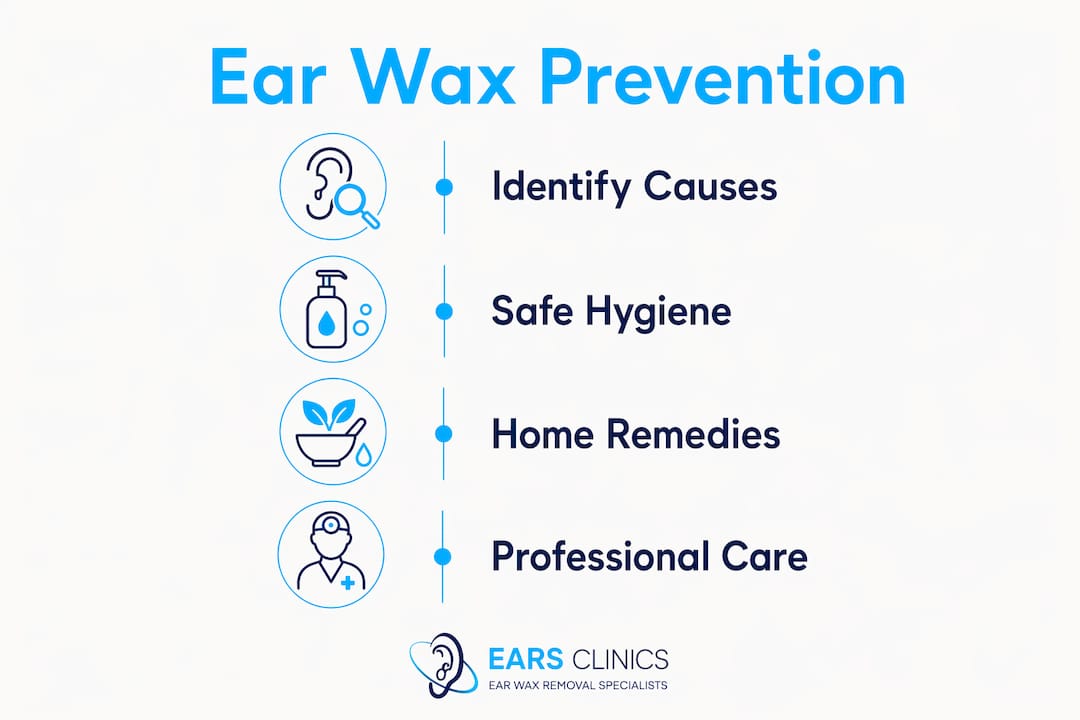
What causes ear wax buildup?
Ear wax buildup occurs when the ear’s natural migration process is disrupted or overwhelmed. Understanding why this happens is the first step to preventing it.
The ear canal is lined with skin cells that move outward like a slow conveyor belt, carrying cerumen with them. Jaw movement aids this process significantly, which is why most people never experience a blockage. When that migration stalls, wax accumulates.
Several factors increase the risk of buildup:
Narrow or curved ear canals. Anatomy varies between individuals. A tighter or more curved canal makes it harder for wax to travel outward naturally.
Hearing aids, earbuds, and earplugs. These devices sit inside the canal and physically block wax migration. Ear device use is one of the most common reasons patients develop recurrent buildup.
Cotton swabs and cleaning tools. These do not remove wax. They compact it. Cotton swabs are the leading cause of cerumen impaction seen in clinical practice.
Overproduction. Some people simply produce more wax than others, particularly as they age or if they have certain skin conditions.
Stress and anxiety. These can increase cerumen production, though this is less widely recognised.
Pro Tip: If you wear hearing aids or use earbuds for several hours a day, give your ears at least one hour of unobstructed time each day to allow natural wax migration.
Safe ear hygiene practices for preventing ear wax
The most effective approach to ear hygiene is also the simplest: do less, not more. Most healthy ears self-clean without any active intervention, which means the goal of good ear hygiene is to avoid disrupting that process.
Follow these steps to maintain clean, healthy ears without causing harm:
Wipe the outer ear only. Use a warm, damp flannel or washcloth during your shower to clean the outer part of the ear. Never insert anything into the canal itself.
Avoid cotton swabs inside the canal. Cotton swabs feel effective but consistently push wax deeper. Reserve them for the outer ear folds only, if at all.
Dry your ears after swimming or bathing. Tilt your head to each side and gently pull the outer ear to help water drain. Trapped moisture softens wax and can contribute to blockages and infection.
Give ear devices a rest. If you use hearing aids, earbuds, or earplugs regularly, remove them for periods throughout the day. This allows the canal to breathe and wax to migrate outward naturally.
Never use ear candles. Ear candling has no clinical evidence of benefit and carries real risks, including burns, wax deposits from the candle itself, and eardrum perforation.
Schedule periodic professional check-ups. If you wear hearing aids or have a history of impaction, a professional ear health review once or twice a year can catch buildup before it becomes a problem.
Pro Tip: After swimming, a few seconds of gentle head tilting is far safer than using a cotton swab to “dry” the canal. Water in the outer canal is not a blockage.
For a broader look at safe ear cleaning methods aligned with current clinical recommendations, Earhealthservice has published a detailed 2026 guide worth reading alongside this one.

Home remedies and over-the-counter options for ear wax
When mild symptoms of wax buildup appear, such as a feeling of fullness or slight muffling of sound, certain home remedies can help. These are not removal methods. They soften wax so the ear can migrate it outward more easily.
Cerumenolytic drops: what works and what to watch
Cerumenolytic agents such as mineral oil, hydrogen peroxide, and carbamide peroxide are the recommended first-line options for managing mild wax symptoms at home. Applied over 3–7 days, they soften wax and support natural clearance. The table below summarises the key options:
Option | How it works | Key caution |
Mineral oil | Lubricates and softens wax | Avoid if eardrum integrity is uncertain |
Hydrogen peroxide (3%) | Breaks down wax through oxidation | Do not use daily long-term; can irritate canal lining |
Carbamide peroxide | Releases oxygen to loosen wax | Follow product instructions; not for children under 12 without advice |
Olive oil drops | Softens and lubricates wax | Least evidence-based but widely tolerated |
One safety detail that many people overlook: always warm drops to body temperature before applying them. Warmed solutions at 37°C prevent the dizziness and nausea that cold liquid drops can trigger by stimulating the balance organs in the inner ear.
The following situations are absolute contraindications for any home ear drops or irrigation:
A perforated eardrum, either known or suspected
Active ear infection or discharge
Previous ear surgery
Grommets or other ear tubes in place
Overuse of hydrogen peroxide dries the canal lining and can paradoxically trigger increased wax production. This means daily long-term use creates the very problem it is meant to solve. Use cerumenolytic drops for the recommended duration, then stop.
For a fuller overview of natural ear wax remedies that are both safe and evidence-informed, Earhealthservice provides clear guidance on what works and what to avoid.
When should you seek professional ear care?
Home care has clear limits. When symptoms move beyond mild fullness into pain, significant hearing loss, or discharge, professional assessment is the only safe path forward.
Symptoms that warrant professional evaluation include:
Noticeable hearing loss or a blocked sensation that does not resolve within a week
Ear pain or a feeling of pressure that is worsening
Discharge or fluid from the ear canal
Tinnitus (ringing or buzzing) that has appeared or worsened recently
Dizziness or balance disturbance
A clinician will assess the ear before any removal procedure. This step matters because ear irrigation without assessment is contraindicated in patients with a perforated eardrum, active infection, or a history of ear surgery. Skipping assessment risks canal trauma and infection.
The three clinically validated removal methods are:
Microsuction. The preferred method under current NICE guidelines. A fine suction device removes wax under direct visualisation, with no water involved. It is safe for most patients, including those with perforated eardrums.
Irrigation. A controlled flow of warm water flushes softened wax from the canal. Clinically valid when the eardrum is intact and no contraindications are present.
Manual instrumentation. A trained clinician uses fine instruments to remove wax directly. Appropriate for specific presentations where suction or water is unsuitable.
The practitioner selects the safest method based on the patient’s medical history and clinical presentation. Clinics regulated by Healthcare Improvement Scotland (HIS) or the Care Quality Commission (CQC) follow the strictest standards for these procedures. Professional removal methods such as microsuction prevent the complications that DIY attempts routinely cause.
Common mistakes that make ear wax worse
The most damaging thing most people do for their ear health is also the most common: reaching for a cotton swab. Stopping this single habit reduces the risk of impaction significantly. Eliminating cotton swab use is the most effective behavioural intervention for preventing cerumen impaction.
Other frequent mistakes include:
Ear candling. No clinical evidence supports this practice. It deposits candle wax into the canal and risks burns and eardrum perforation.
Using sharp or rigid objects. Bobby pins, pen lids, and similar items cause canal abrasions and can rupture the eardrum.
Daily peroxide use. Short-term use is appropriate; daily long-term use irritates the canal and increases wax production.
Ignoring symptoms. A blocked ear that persists beyond a week without improvement needs professional review, not more home treatment.
Over-cleaning. Removing all wax strips the canal of its protective barrier, leaving it vulnerable to infection and irritation.
Pro Tip: If your ear feels blocked after a flight or swimming, try gentle jaw movements and yawning before reaching for any cleaning tool. The natural migration process often resolves mild blockages within 24–48 hours.
Earhealthservice has published a practical guide on ear wax removal safety that covers these mistakes in detail, including what to do if you have already caused irritation.
Key takeaways
The most effective strategy for preventing ear wax buildup is to stop interfering with the ear’s natural self-cleaning process and to seek professional care when symptoms persist.
Point | Details |
Ear wax is protective | Cerumen is not dirt. Removing it unnecessarily disrupts the ear’s natural defence. |
Avoid cotton swabs in the canal | Cotton swabs compact wax and are the leading clinical cause of cerumen impaction. |
Use cerumenolytic drops correctly | Apply mineral oil or carbamide peroxide for 3–7 days, warmed to body temperature, and stop after the course. |
Ear device users need extra care | Hearing aid and earbud wearers should take regular breaks to allow natural wax migration. |
Seek professional care for persistent symptoms | Pain, hearing loss, or discharge require clinical assessment before any removal procedure. |
What we see at EARS Clinics
The patients who come to us with the worst impaction are rarely those who did nothing. They are the ones who spent weeks using cotton swabs, trying ear candles, or applying peroxide drops every day. The ear is remarkably good at looking after itself when people leave it alone.
What I find most telling is how surprised patients are to learn that earwax is not something to be eliminated. It is a barrier against dust, bacteria, and moisture. When you strip it out repeatedly, you remove the very protection the ear relies on. The canal then produces more wax in response, and the cycle continues.
For patients who wear hearing aids, the challenge is real and ongoing. The device physically blocks the canal, and wax has nowhere to go. The practical answer is not more aggressive cleaning. It is regular professional monitoring, combined with giving the ear unobstructed time each day. Most patients who follow this approach see a significant reduction in how often they need clinical removal.
The most important thing I can tell you is this: if your ear feels blocked and home care has not helped within a week, book a professional assessment. Waiting longer rarely makes the situation easier to treat, and it always carries more risk.
— EARS
Professional ear wax removal at EARS Clinics
If home care has not resolved your symptoms, or if you have contraindications that make self-treatment unsafe, professional removal is the right next step.

Earhealthservice offers microsuction, irrigation, and manual instrumentation performed by NHS-accredited Aural Care Specialists at clinics in Glasgow and Edinburgh. All procedures follow NICE guidelines, and every patient receives a clinical assessment before treatment begins. EARS Clinics are registered with Healthcare Improvement Scotland (HIS), making them one of the few fully regulated ear healthcare providers in Scotland. Appointments are available in clinic, with same-day options and home visits for those who need them. Prices start at £60 for adults, £75 for under-18s, and £180 for home visits. Book directly at earhealthservice.co.uk.
FAQ
What is the safest way to prevent ear wax buildup at home?
The safest approach is to clean only the outer ear with a warm, damp flannel and avoid inserting anything into the canal. Most ears self-clean through jaw movement without any active intervention.
Are cotton swabs safe for cleaning ears?
Cotton swabs are not safe for use inside the ear canal. They compact wax against the eardrum and are the leading clinical cause of cerumen impaction.
How do cerumenolytic drops work?
Cerumenolytic drops such as mineral oil or carbamide peroxide soften wax over 3–7 days, making it easier for the ear to migrate it outward naturally. They do not remove wax immediately.
When should I see a professional for ear wax removal?
Seek professional care if you experience ear pain, significant hearing loss, discharge, tinnitus, or a blocked feeling that persists beyond one week without improvement.
Is microsuction better than irrigation for ear wax removal?
Microsuction is the preferred method under current NICE guidelines because it works under direct visualisation and requires no water. Irrigation is clinically valid when the eardrum is intact and no contraindications are present. A trained clinician selects the most appropriate method for each patient.
Recommended