
How NHS Ear Wax Removal Works for Families
- Jan 15
- 7 min read
Updated: Jan 16

Every parent in Glasgow and Edinburgh knows how quickly discomfort from ear wax can affect a child, especially those with complex medical needs. More than one in ten British children develop problematic ear wax that cannot be managed at home. For families seeking swift and specialised support, understanding the safest ways to access same-day ear wax removal helps protect your child’s well-being and avoid unnecessary pain. Discover how modern clinical techniques and trusted local experts address this common concern for families in Scotland.
Key Takeaways
Point | Details |
Importance of Ear Wax | Ear wax acts as a natural defence mechanism, preventing dust and debris from damaging the ear canal. Excessive accumulation may require professional removal. |
NHS Removal Techniques | The NHS employs techniques like microsuction, electronic irrigation, and manual instrumentation, each tailored to the patient’s ear condition. |
Symptoms Indicating Removal | Persistent symptoms such as hearing loss, pain, and a sensation of blockage signal the need for professional ear wax removal. |
NHS vs. Private Services | Patients can choose between free NHS services and private NHS-accredited providers, with differences in cost, waiting times, and access to services. |
Ear Wax Build-Up and Removal Explained
Ear wax serves a vital protective function in human health, acting as a natural defence mechanism for our ear canals. Produced by specialised glands, this waxy substance traps dust, debris, and potential microorganisms, preventing them from penetrating deeper into our delicate ear structures. While ear wax is typically self-regulating, some individuals experience excessive build-up that requires professional intervention.

Normally, ear wax naturally migrates outward and falls away, but certain factors can disrupt this process. Ear wax accumulation occurs when the natural cleaning mechanism becomes ineffective, leading to potential blockages. Common triggers include narrow ear canals, excessive hair growth, skin conditions, and recurring ear canal inflammation. Children and older adults are particularly susceptible to these complications.
Healthcare professionals typically recommend several safe approaches for managing ear wax. Initial strategies include applying olive oil or almond oil drops to soften the wax, allowing it to dislodge naturally. If symptoms persist beyond five days or hearing becomes significantly impaired, medical professionals might recommend specialist removal techniques such as microsuction, irrigation, or manual instrumentation. These procedures are performed by trained clinicians who carefully assess each patient’s unique ear health requirements.
Pro Tip: Always consult a healthcare professional before attempting any at-home ear wax removal techniques, as improper methods can potentially cause ear canal damage or push wax deeper into the ear.
Modern NHS-Accredited Removal Techniques
The National Health Service (NHS) offers several safe and scientifically validated techniques for ear wax removal, ensuring patients receive professional care tailored to their specific needs. Modern ear wax removal techniques have significantly advanced, providing patients with minimally invasive and precise treatment options that prioritise both effectiveness and patient comfort.
Three primary methods are commonly employed by NHS-accredited practitioners: microsuction, irrigation, and manual instrumentation. Microsuction stands out as a cutting-edge approach, involving a thin, sterile probe carefully inserted into the ear canal under microscopic guidance. This technique allows clinicians to visually assess and remove ear wax with remarkable precision, minimising potential complications. Unlike traditional water-based methods, microsuction reduces infection risks and provides a more controlled removal process, typically completed within 15 to 30 minutes.
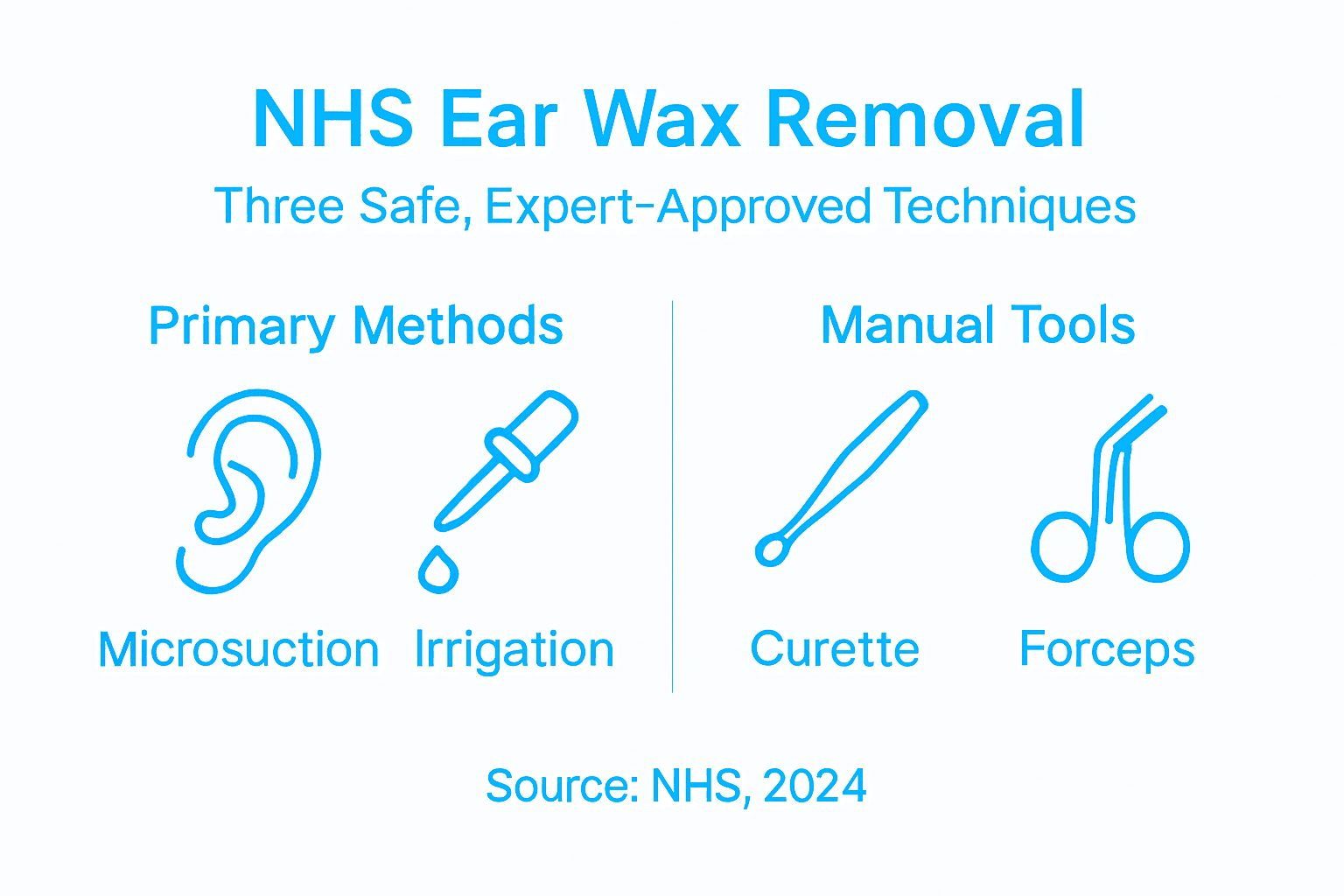
Electronic ear irrigation represents another standard NHS procedure, where a controlled stream of warm water gently flushes out accumulated wax. This method is particularly useful for patients with softer ear wax deposits. Manual instrumentation, performed by skilled clinicians using specialised tools, offers a targeted approach for more stubborn or complex wax build-ups. Each technique is carefully selected based on the patient’s individual ear anatomy, wax consistency, and overall health profile.
Here is a concise overview of the main NHS-accredited ear wax removal techniques and their core features:
Technique | Typical Duration | Main Benefit | Most Suitable For |
Microsuction | 15–30 minutes | Precise, low risk of infection | Hard or impacted ear wax |
Electronic Irrigation | 15–30 minutes | Gentle removal using warm water | Soft or partially occlusive wax |
Manual Instrumentation | 15–20 minutes | Effective for complex cases | Stubborn, complex build-ups |
Pro Tip: Before your ear wax removal appointment, apply olive oil drops for 3-5 days to help soften the wax and improve the procedure’s effectiveness.
When Is Ear Wax Removal Needed?
Understanding when professional ear wax removal becomes necessary is crucial for maintaining optimal ear health and preventing potential complications. Ear wax removal is recommended when specific symptoms persist or significantly impact an individual’s quality of life, indicating a blockage that requires medical intervention.
Key indicators signalling the need for professional ear wax removal include persistent hearing loss, recurring ear pain, tinnitus (ringing in the ears), and a sensation of fullness or blockage in the ear canal. These symptoms suggest that the natural ear wax migration process has been disrupted, potentially causing discomfort or functional impairment. Specific medical conditions such as narrow ear canals, recurrent ear infections, or inflammatory ear diseases can further predispose individuals to problematic wax accumulation that requires specialist attention.
Healthcare professionals typically recommend seeking treatment if home remedies like olive oil drops fail to resolve symptoms within five to seven days. Children and older adults are particularly vulnerable to ear wax complications, as their ear canal structures may be more prone to blockages. The decision to proceed with removal is made after a comprehensive assessment of the patient’s medical history, current symptoms, and individual ear anatomy, ensuring a personalised and safe approach to ear wax management.
Pro Tip: Keep a symptom diary documenting the duration and intensity of ear-related discomfort to provide your healthcare professional with comprehensive information during your consultation.
Safety, Practitioner Expertise, and Regulation
Patient safety remains paramount in ear wax removal procedures, with stringent regulatory frameworks ensuring the highest standards of clinical practice. Medical devices are carefully regulated to protect patients and guarantee the effectiveness of ear wax removal techniques across NHS and private healthcare settings.
Healthcare practitioners performing ear wax removal undergo extensive training and must demonstrate comprehensive competence in specialised techniques such as microsuction and irrigation. Professional qualifications are crucial, with practitioners typically being nurses, audiologists, or ear, nose, and throat (ENT) specialists who are registered with professional bodies like the Healthcare Improvement Scotland (HIS) or Care Quality Commission (CQC). These regulatory organisations ensure that clinicians maintain strict standards of practice, possess up-to-date knowledge, and utilise sterile, approved medical equipment during procedures.
The Medicines and Healthcare products Regulatory Agency (MHRA) plays a critical role in overseeing medical device safety, conducting rigorous assessments of equipment used in ear wax removal. This comprehensive regulatory approach means that every microsuction probe, irrigation system, and manual instrumentation tool undergoes meticulous testing to meet exacting performance and safety standards. For patients, this translates into a guarantee of professional, safe, and scientifically validated ear healthcare that minimises risks and prioritises individual patient well-being.
Pro Tip: Always verify your healthcare practitioner’s professional registration and ask about their specific qualifications in ear wax removal before proceeding with any treatment.
Private NHS-Credited vs. NHS Services
Patients seeking ear wax removal have multiple options within the United Kingdom’s healthcare landscape, with distinct differences between NHS and private services. Patient choices in ear wax removal are governed by legal rights that allow individuals to select from various accredited providers, balancing clinical effectiveness with personal convenience.
Some general practitioner surgeries provide ear wax removal directly through NHS services, typically offering techniques like microsuction and irrigation at no cost to patients. NHS-accredited private providers occupy a unique middle ground, operating independently but adhering to strict National Health Service quality standards. These providers can offer faster appointment times and more flexible scheduling compared to traditional NHS clinic settings, while still maintaining the same professional treatment protocols and clinical excellence.
The primary distinctions between fully NHS and private services centre on accessibility, waiting times, and direct patient costs. While NHS services remain free and are primarily accessed through GP referrals, private NHS-credited providers may charge a fee but offer more immediate appointments. Patients referred by their general practitioner have a legal entitlement to choose between NHS hospitals, independent NHS-funded providers, and private clinics, ensuring they can select the most convenient and suitable option for their specific ear health needs.
The following table summarises the main differences between NHS and private (NHS-accredited) ear wax removal services:
Service Type | Cost to Patient | Appointment Speed | Referral Route |
NHS (GP or hospital) | Free at point of use | May involve longer waiting | GP referral usually |
Private NHS-accredited | Fee payable | Faster, flexible scheduling | Self or GP referral |
Independent Private (non-NHS) | Full cost to patient | Immediate appointments | Self-referral |
Pro Tip: Before selecting a service, confirm the provider’s NHS accreditation and ask about their specific ear wax removal techniques to ensure you receive the most appropriate care.
Professional Ear Wax Removal Solutions Tailored for Your Family
Navigating the challenges of ear wax build-up can be frustrating, especially when symptoms like persistent hearing loss or ear discomfort affect your loved ones. This article highlights the importance of safe, NHS-accredited removal techniques such as microsuction and irrigation, but waiting times and referral processes in traditional NHS settings often slow down access to care. At EARS Clinics, we understand these pain points and provide expert ear health services designed to bypass these hurdles.
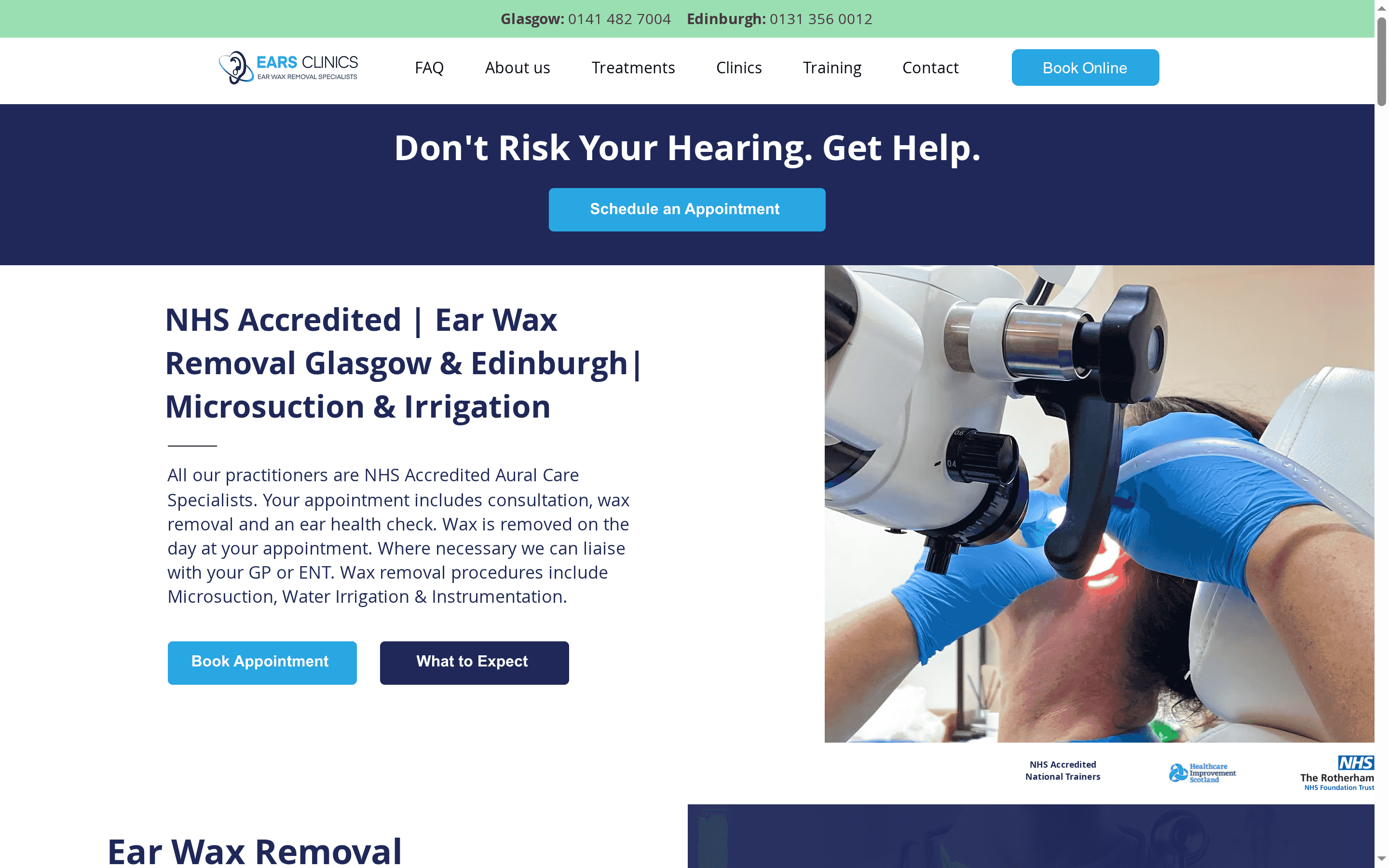
Experience the benefits of same-day appointments, flexible scheduling, and professional care delivered by trained Aural Care Specialists fully accredited by the Healthcare Improvement Scotland. Whether you seek care for children or adults, including those with complex conditions, our clinics in Glasgow and Edinburgh offer precise, safe ear wax removal without the need for GP referrals or lengthy waits. Learn more about how our advanced ear wax removal techniques can improve your hearing and comfort today. Book your appointment now at EARS Clinics and take the first step toward clearer hearing and ear health.
Frequently Asked Questions
What are the signs that I need professional ear wax removal?
Persistent hearing loss, recurring ear pain, tinnitus (ringing in the ears), and a sensation of fullness or blockage in the ear canal are key indicators that professional ear wax removal may be needed.
How does NHS ear wax removal differ from private services?
NHS services are typically free and may involve longer waiting times, while private NHS-accredited providers may charge a fee but offer quicker and more flexible appointment scheduling.
What techniques are used for NHS ear wax removal?
The NHS employs three primary techniques for ear wax removal: microsuction, electronic irrigation, and manual instrumentation, each tailored to the patient’s specific wax type and ear health.
Is it safe to use home remedies for ear wax removal?
While home remedies like olive oil drops may help soften ear wax, it is advisable to consult a healthcare professional before attempting any at-home removal techniques. Improper methods can cause ear canal damage or push wax deeper into the ear.
Recommended