
Why the NHS Rarely Offers Ear Wax Removal
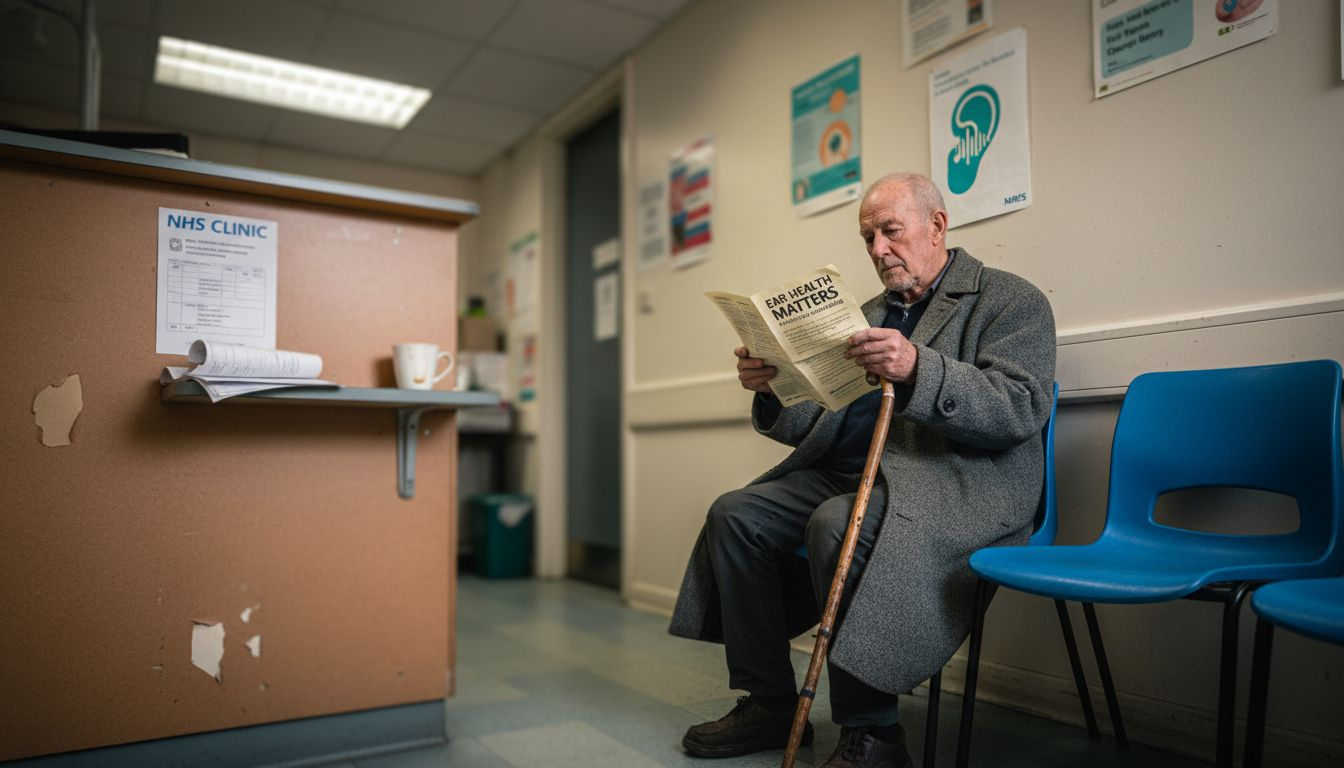
Over eight million British adults now face restricted access to public ear wax removal services, leaving many unsure about their options for safe ear care. Ear wax build-up, once managed routinely through the National Health Service, has become a source of discomfort and even hearing loss for thousands each year. This guide helps you understand the latest changes, real health risks, and the best steps for maintaining ear health in the shifting world of British healthcare.
Key Takeaways
Point | Details |
Ear Wax Build-Up Risks | Excessive ear wax can lead to pain, hearing difficulties, and conditions like tinnitus and vertigo, particularly in individuals using hearing aids. |
NHS Service Limitations | The NHS has restricted ear wax removal services, leaving many patients without access and forcing them to seek private alternatives. |
Importance of Professional Removal | Improper ear wax removal can cause complications; consulting a healthcare professional is crucial for safe treatment options. |
Cost of Private Care | Private ear wax removal services can cost between £50-£100, creating financial barriers for those requiring frequent treatment. |
Ear Wax Build-Up and Its Consequences
Ear wax build-up is more than just an inconvenience; it can significantly impact your hearing and overall ear health. While many people consider ear wax a nuisance, it plays a crucial protective role in our ears. However, when it accumulates excessively, it can lead to serious complications that extend far beyond simple discomfort.
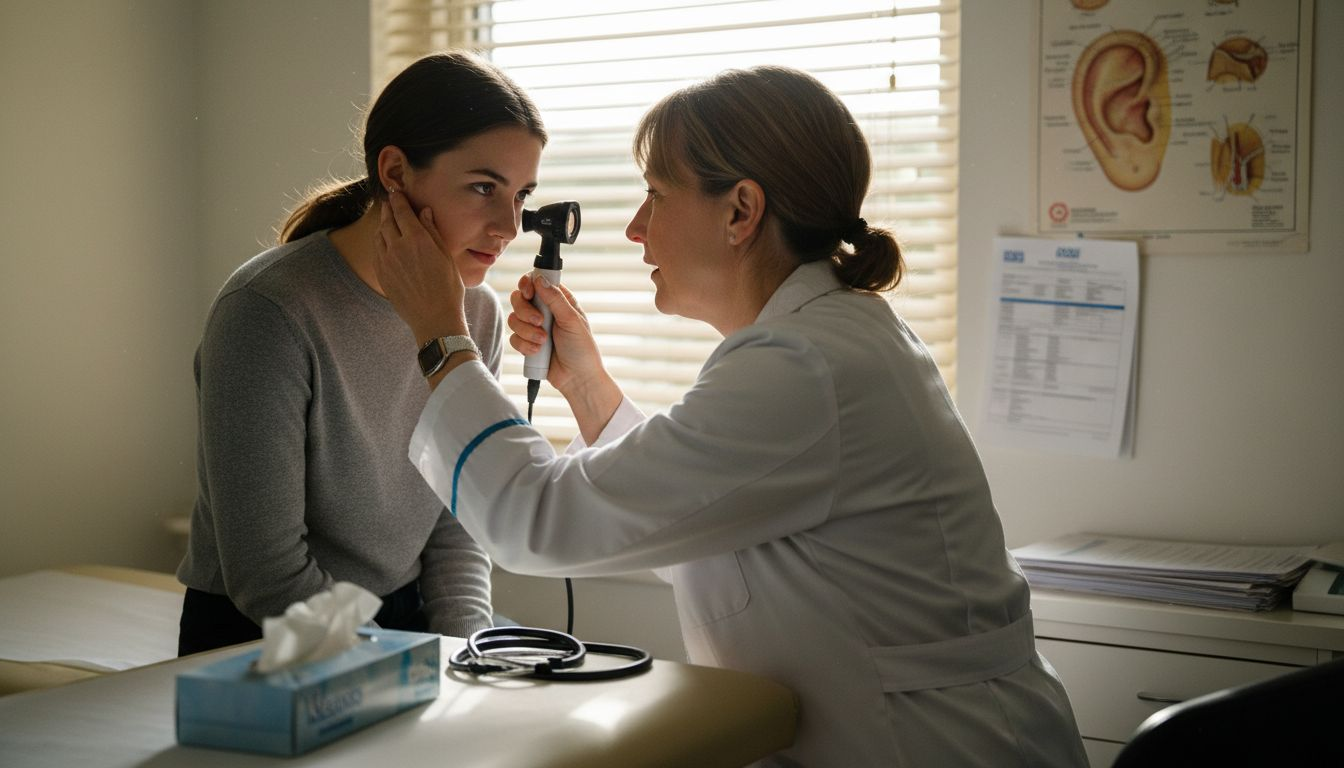
Medical research indicates that excessive ear wax can trigger multiple health issues. According to the Cleveland Clinic, earwax blockage can cause ear pain, persistent itchiness, and challenging hearing problems. Individuals who frequently use hearing aids or earbuds are particularly susceptible to ear wax impaction, which can create a cascade of uncomfortable symptoms. Scientific studies have also revealed more profound consequences: ear wax build-up might contribute to tinnitus, vertigo, and potentially increase fall risks in older adults.
The complexity of ear wax accumulation stems from various factors. Certain individuals are more prone to excessive wax production due to genetic predispositions, age-related changes, or specific medical conditions. People with narrow or oddly shaped ear canals, those who use hearing devices regularly, or individuals working in dusty environments are at higher risk. Importantly, attempting to remove ear wax through inappropriate methods like cotton buds can actually worsen the situation by pushing wax deeper into the ear canal and risking potential damage.
Pro Tip: Olive Oil Preparation: If you suspect ear wax build-up, apply a few drops of olive oil to your ear the night before and morning of any professional ear wax removal appointment to help soften the wax and facilitate easier, more comfortable removal.
NHS Policy on Ear Wax Removal Services
The National Health Service (NHS) has increasingly restricted ear wax removal services, creating significant challenges for patients seeking accessible ear care. Recent parliamentary statements reveal that the UK government has no immediate plans to include ear wax removal within the standard General Medical Services Contract, primarily due to safety concerns associated with traditional removal methods like syringing.
The implications of these policy changes are profound. According to the Royal National Institute for Deaf People (RNID), approximately 8.1 million people in England currently lack access to NHS ear wax removal services, forcing many individuals to seek alternative solutions. This service gap means patients must either pay for private treatment, attempt potentially dangerous self-removal techniques, or endure prolonged discomfort and potential hearing complications.
The NHS’s reluctance to provide widespread ear wax removal services stems from several critical considerations. Traditional methods like ear syringing carry inherent risks of infection, ear canal damage, and potential hearing impairment. Modern clinical guidelines increasingly recommend specialist procedures such as microsuction, which require specific training and equipment not universally available in standard GP practices. Moreover, the NHS must balance limited resources with clinical priorities, often resulting in ear wax removal being considered a low-priority, non-essential intervention.
Pro Tip: Patient Navigation: If you are experiencing ear wax build-up and cannot access NHS services, contact your local GP for a referral to a specialist ear care clinic or consider reputable private ear wax removal services that follow strict clinical guidelines.
Clinical Guidelines and Safety Concerns
Ear wax removal is a delicate medical procedure with significant potential risks, requiring stringent clinical guidelines to protect patient safety. A systematic review highlights the numerous complications that can arise from improper ear cleaning practices, including serious infections and ear canal injuries. Medical professionals now emphasise that not all ear wax removal techniques are created equal, with some methods posing substantially more risk than others.
Traditional approaches like ear syringing have fallen out of favour among medical experts. The American Academy of Otolaryngology-Head and Neck Surgery Foundation strongly advises against certain invasive ear wax removal methods due to the potential for infections and permanent ear canal damage. Modern clinical guidelines increasingly recommend specialised techniques such as microsuction, which minimise the risk of complications and provide more precise, controlled removal of ear wax.
The evolving understanding of ear health has led to more nuanced recommendations for patients. Healthcare professionals now emphasise that ear wax is a natural, protective substance that should only be removed when it causes genuine medical issues. Factors such as the patient’s age, ear canal structure, previous medical history, and specific symptoms must all be carefully considered before any intervention. This personalised approach ensures that ear wax removal is performed safely and only when absolutely necessary.
Pro Tip: Professional Consultation: Before attempting any ear wax removal, always consult a qualified healthcare professional who can assess your specific ear health needs and recommend the safest, most appropriate treatment method.
Here is a comparison of commonly used ear wax removal methods and their safety considerations:
Method | Typical Setting | Safety Level | Key Considerations |
Syringing | NHS/GP practices | Moderate to Low | Infection risk, possible damage |
Microsuction | Specialist/private | High | Requires equipment, specialist skill |
Ear Drops | Self-care/home | High | Safe if no ear infection present |
Manual Removal | Specialist clinics | Moderate | Should only be performed by experts |
Alternatives Provided by NHS and GPs
As NHS ear wax removal services continue to evolve, patients are facing increasingly limited options for direct treatment. GP practices like those in Lincolnshire are implementing significant changes, with many now advising patients to explore self-care methods or seek private treatment alternatives, signalling a broader shift in healthcare approaches to ear wax management.
The NHS and GP practices are now primarily focusing on guiding patients towards alternative solutions. Many medical practices, such as Abbey Medical Practice, are recommending self-management strategies and offering referrals to specialised services for patients with complex ear wax issues. These alternatives typically include several key approaches: prescribing ear drops to soften wax, providing guidance on safe home care techniques, and referring patients to specialist ear care clinics when necessary.
Patients now have several potential pathways for addressing ear wax build-up. General practitioners may suggest over-the-counter olive oil drops, recommend specific ear irrigation techniques, or provide referrals to audiology departments or private ear care specialists. Some NHS trusts maintain limited ear wax removal services for patients with specific medical conditions or those who cannot safely manage their condition through self-care. However, these services are typically reserved for individuals with complex medical histories or those at higher risk of complications.
Pro Tip: Self-Management Strategy: Before seeking professional intervention, try using olive oil drops for a few days to soften ear wax, but always consult your GP if symptoms persist or you experience pain, hearing loss, or persistent discomfort.
Comparing NHS and Private Care Options
The landscape of ear wax removal services has dramatically transformed, creating a significant divide between NHS and private care options. According to the Royal National Institute for Deaf People (RNID), private ear wax removal services now typically cost between £50-100 per treatment, presenting a substantial financial barrier for many individuals, especially those requiring frequent procedures or experiencing ongoing ear health challenges.
The withdrawal of NHS ear wax removal services has intensified reliance on private providers, creating financial challenges for individuals on limited incomes. Private clinics often offer more comprehensive and immediate care, with advanced techniques like microsuction, whereas NHS services have become increasingly restricted. These private services typically provide same-day appointments, specialised equipment, and highly trained practitioners who can address complex ear wax issues more efficiently than traditional NHS approaches.
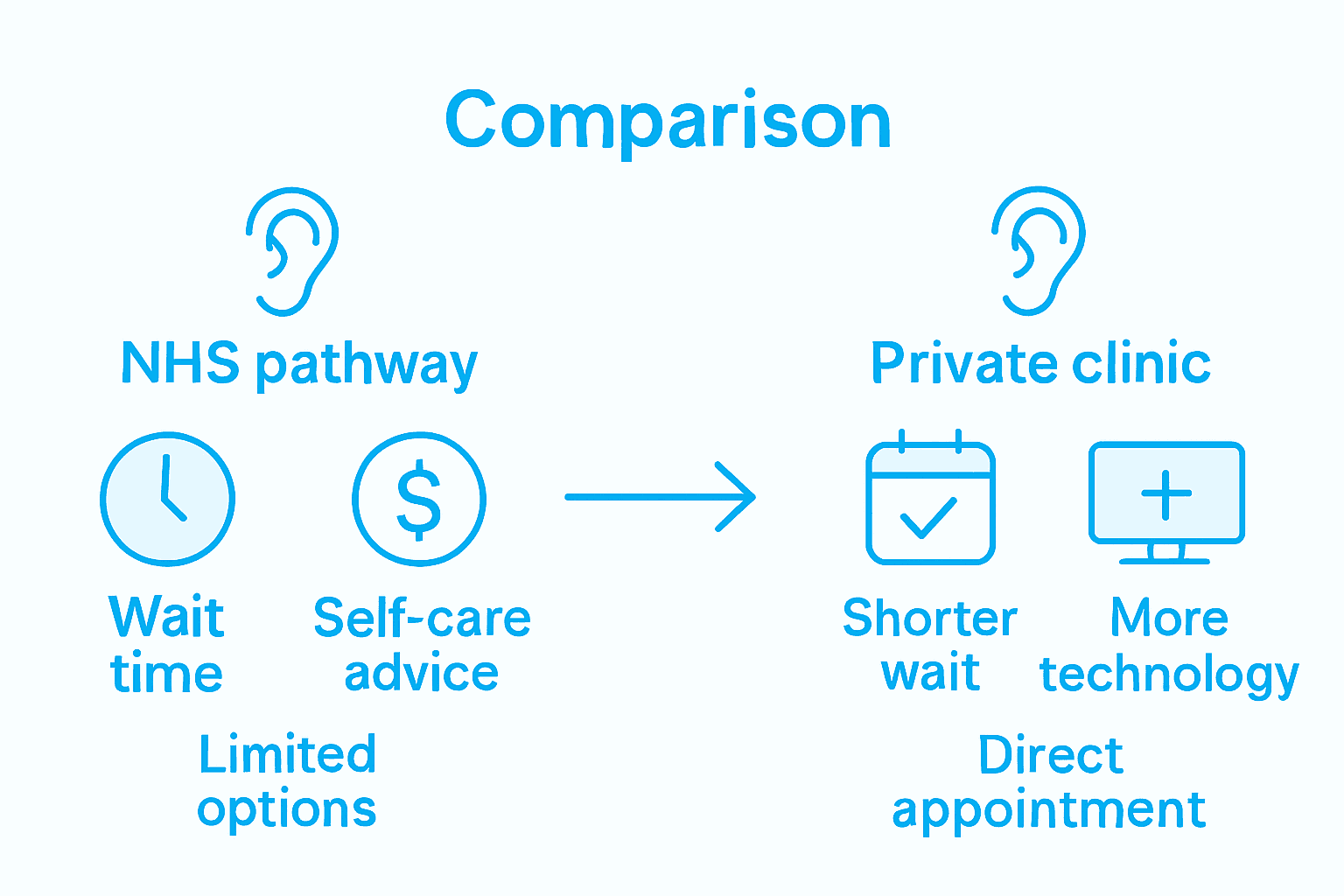
Key differences between NHS and private ear wax removal services extend beyond cost. Private clinics generally offer more personalised care, shorter waiting times, and a wider range of treatment options. Patients can expect more detailed consultations, advanced diagnostic tools, and tailored treatment plans. NHS services, by contrast, now primarily focus on referrals, basic guidance, and interventions for patients with severe medical conditions, leaving many individuals to seek alternative solutions.
The following table summarises NHS and private ear wax removal services for patients in the UK:
Aspect | NHS Services | Private Services |
Access | Highly restricted | Readily available |
Cost | Free (if available) | £50-£100 per session |
Waiting Time | Several weeks or longer | Same day or next day |
Treatment Method | Primarily referrals/guidance | Microsuction, irrigation |
Personalisation Level | Basic, guided by guidelines | Detailed consultations |
Pro Tip: Financial Planning: If you anticipate needing regular ear wax removal, consider setting aside a small monthly budget or exploring clinics that offer package deals to make private ear care more affordable.
Take Control of Your Ear Health with Professional Care
The article highlights a growing concern for those struggling with ear wax build-up: NHS ear wax removal services are limited and often involve long waiting times, safety issues with traditional methods, and restricted access to specialised interventions such as microsuction. If you are experiencing symptoms like hearing loss, discomfort, or persistent itchiness, the uncertainty and delays can be frustrating and worrying. You deserve a solution that is safe, effective, and readily accessible.
At EARS Clinics, we understand these challenges and offer a private ear health service specialising in NHS-accredited ear wax removal using advanced, safe techniques including microsuction, irrigation, and instrumentation. Our experienced Aural Care Specialists provide personalised care for patients across Glasgow and Edinburgh with benefits that include:
No long waiting times or pre-treatment restrictions
Same-day appointments and convenient home visits
Treatment for patients aged 2 years and above
Strict adherence to Healthcare Improvement Scotland guidelines
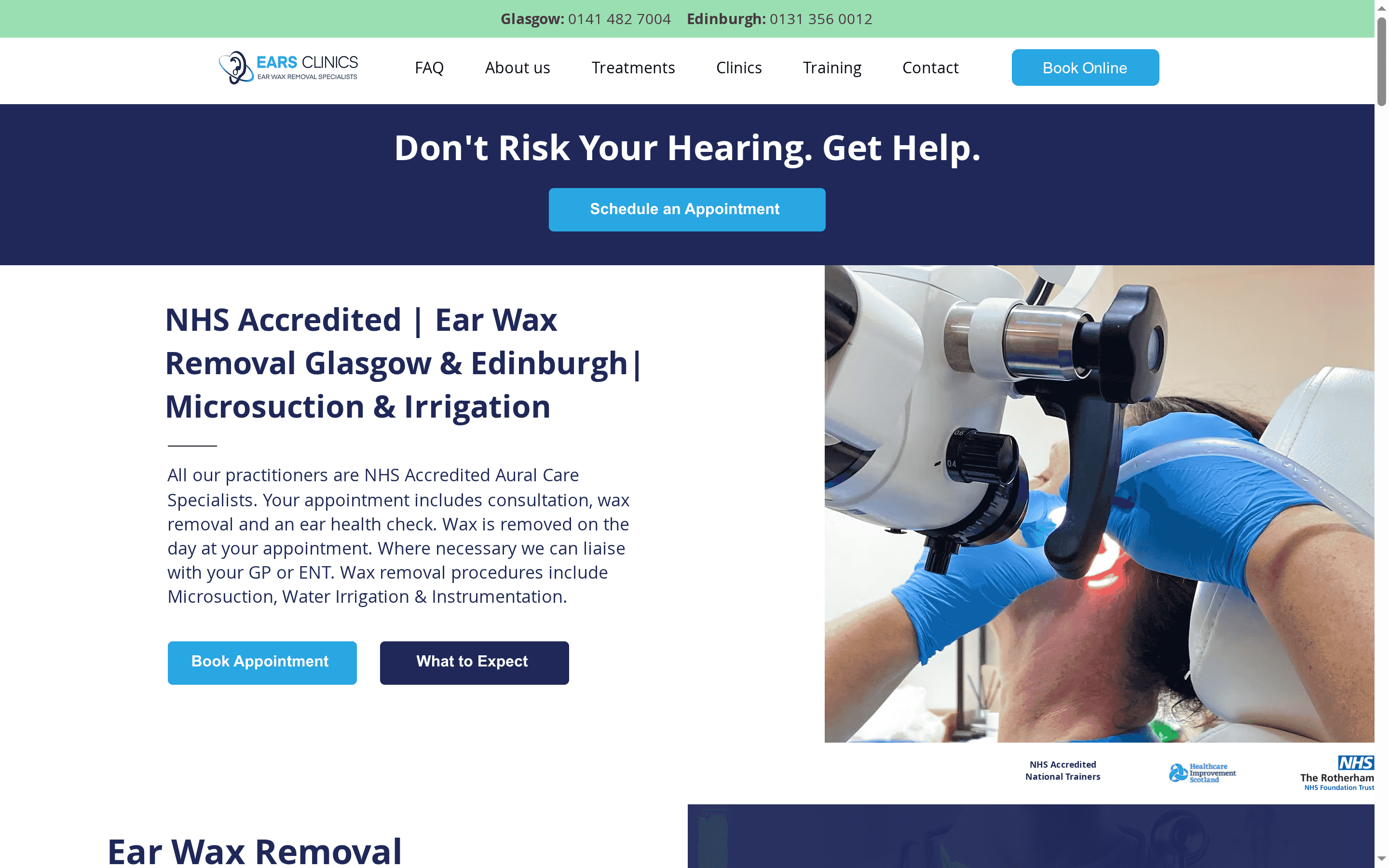
Do not let NHS service limitations delay vital ear care. Visit EARS Clinics today to book your appointment and experience immediate relief with expert ear wax removal. Learn more about our safe ear wax removal procedures and how we prioritise your ear health and hearing wellbeing. Take the first step towards clearer hearing now.
Frequently Asked Questions
Why does the NHS rarely offer ear wax removal services?
The NHS has increasingly restricted ear wax removal services due to safety concerns associated with traditional methods like syringing, which can lead to infections and ear canal damage. As a result, ear wax removal is often considered low-priority within clinical practice.
What alternatives does the NHS suggest for managing ear wax build-up?
The NHS recommends patients explore self-care methods such as using ear drops to soften wax, as well as seeking referrals to private specialist clinics when more complex issues arise. Physicians may also guide patients in effective home care techniques.
What are the risks associated with ear wax removal methods?
Risks include potential infections, ear canal injuries, and hearing impairment. Traditional methods like ear syringing are particularly noted for these concerns, while specialist procedures like microsuction present a lower risk when performed by trained practitioners.
How do private ear wax removal services differ from NHS services?
Private ear wax removal services typically offer more immediate access, advanced techniques like microsuction, and personalised care with shorter waiting times. In contrast, NHS services are increasingly restricted and may only provide basic guidance or referrals.
Recommended