
NHS Ear Wax Removal Explained: Safe, Fast Options
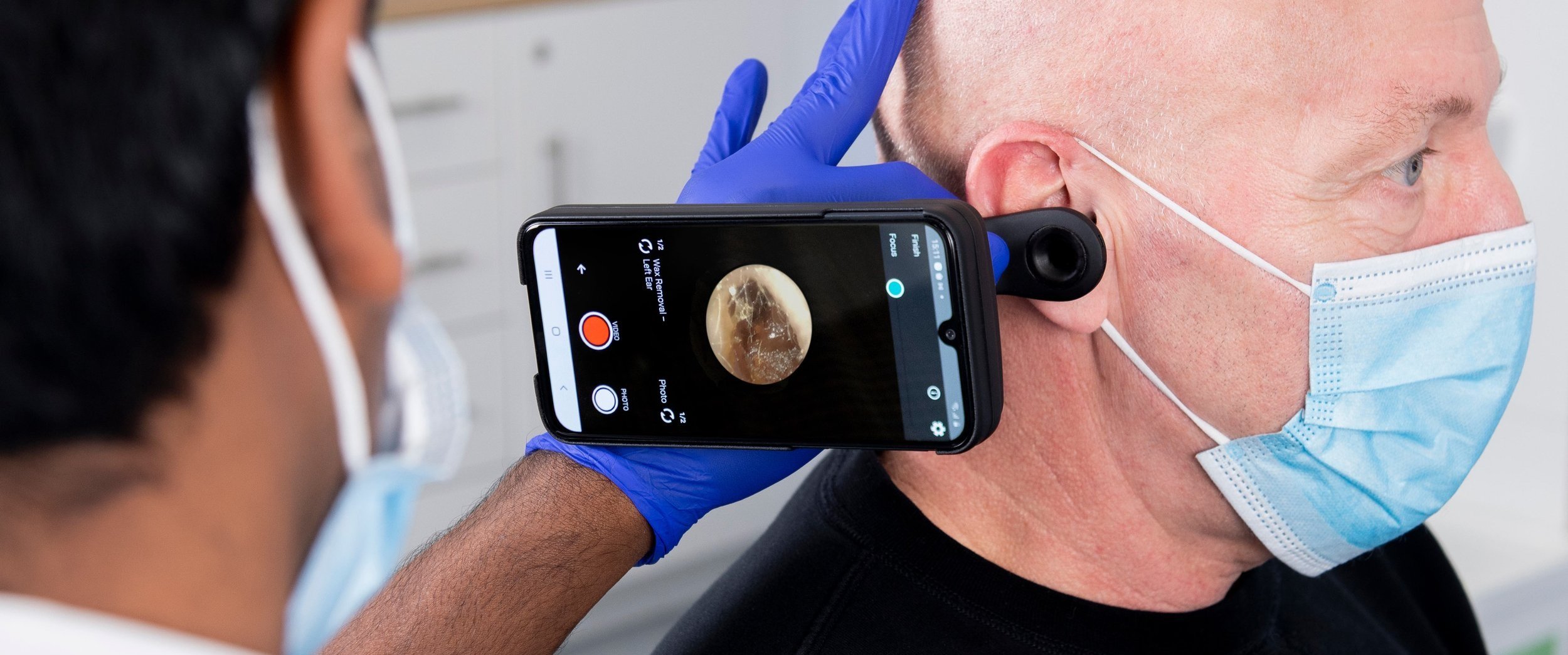
Most british adults will need ear wax removal at some point, yet navigating the options can leave people confused about what to expect. With nearly 10 million people in England now unable to access free NHS ear wax removal, the search for effective and safe solutions feels more urgent than ever. This guide breaks down what professional removal involves, why symptoms matter, and how specialist care compares to private options, so readers can make informed decisions with confidence.
Table of Contents
Key Takeaways
Point | Details |
NHS Ear Wax Removal | Professional service for excessive ear wax build-up, performed by trained healthcare professionals to ensure safety and effectiveness. |
Common Symptoms | Symptoms indicating ear wax build-up include hearing loss, earache, tinnitus, and dizziness, prompting the need for professional intervention. |
Techniques Used | Methods include microsuction, ear irrigation, and manual removal, prioritising patient comfort and safety throughout the process. |
Seeking Help | Individuals with persistent symptoms such as hearing difficulties or pain should consult a healthcare provider for appropriate ear wax management. |
What Is NHS Ear Wax Removal?
NHS ear wax removal is a professional medical service designed to safely manage excessive ear wax build-up that cannot be resolved through home treatments. According to the NHS, the primary goal is to help patients who experience persistent ear wax blockages that impact hearing or cause discomfort.
Traditionally, the NHS recommends initial self-care methods such as using olive or almond oil to soften ear wax and facilitate natural removal. Cheshire and Merseyside NHS strongly advises against using cotton buds, which can push wax deeper into the ear canal and potentially cause damage.
When self-care techniques prove ineffective, NHS ear wax removal involves professional interventions performed by trained healthcare professionals. These methods typically include microsuction, a gentle procedure using specialised equipment to carefully extract ear wax without introducing liquids into the ear canal. Other techniques might involve ear irrigation or manual removal using professional instruments, depending on the specific characteristics of the wax build-up and individual patient needs.
Key aspects of NHS ear wax removal include:
Comprehensive ear health assessment
Safe, professional extraction techniques
Minimal discomfort for patients
Prevention of potential hearing complications
Personalised treatment approaches
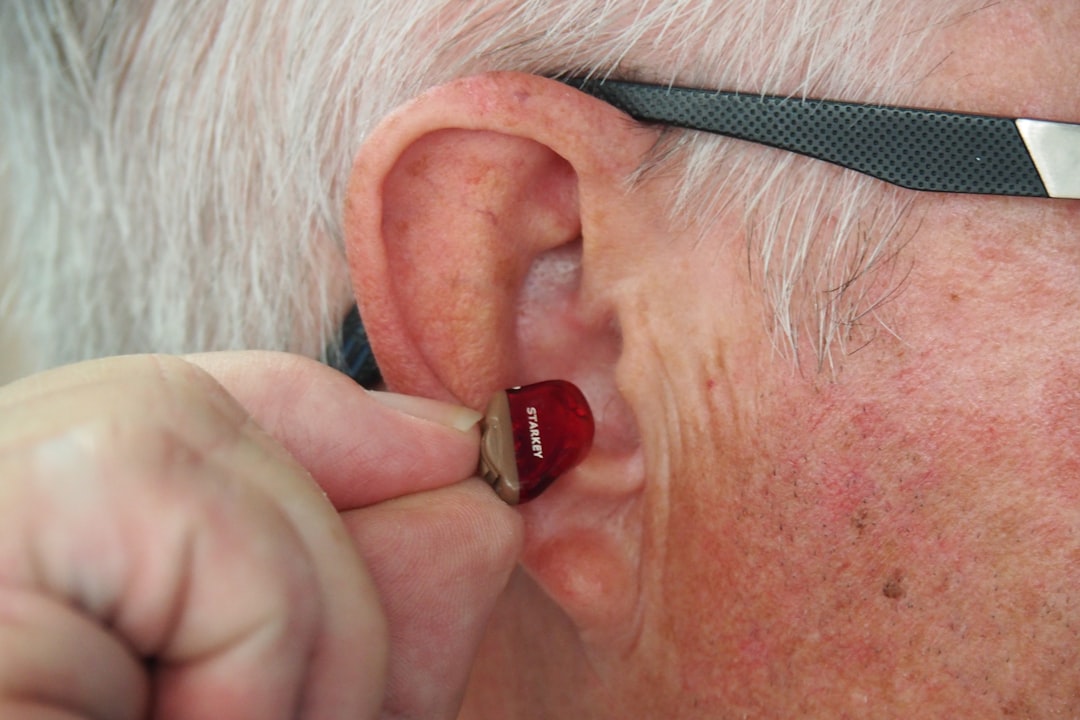
Patients seeking NHS ear wax removal should consult their local GP or healthcare provider to determine the most appropriate treatment method for their specific condition. Is Ear Wax Removal Safe? provides additional insights into the safety protocols and considerations involved in professional ear wax management.
Common Symptoms and Causes of Ear Wax Build-Up
Ear wax build-up is a common condition that can significantly impact an individual’s hearing and overall ear health. NHS research reveals multiple symptoms that indicate a problematic accumulation of ear wax, including hearing loss, earache, tinnitus, and even vertigo.
The causes of excessive ear wax are diverse and can stem from various physiological factors. According to Cheshire and Merseyside NHS, common symptoms suggesting ear wax build-up include:
Difficulty hearing
Persistent earache
Itchiness in the ear canal
Dizziness
Recurring ear infections
Tinnitus (ringing in the ears)
Certain individuals are more prone to ear wax accumulation due to specific anatomical or health-related conditions. These risk factors might include:
Narrow or damaged ear canals
Excessive ear hair
Chronic skin conditions affecting the scalp or ear area
Ear canal inflammation
Genetic predisposition to excessive wax production
It is crucial to recognise that attempting to remove ear wax using cotton buds, fingers, or other objects can potentially worsen the blockage and cause additional complications. Top 5 Winter Ear Health Issues provides further insights into maintaining optimal ear health and understanding potential risks associated with improper ear wax management.
Ear Wax Removal Techniques and Safety Protocols
Ear wax removal involves several professional techniques designed to safely and effectively clear ear canal blockages. Guys and St Thomas NHS highlights microsuction as a particularly advanced method, which utilises a microscope and specialised suction device to remove ear wax without introducing water into the ear canal.
The primary ear wax removal techniques include:
Microsuction: A dry, precision method using specialised equipment
Ear Irrigation: Gentle water-based flushing of the ear canal
Manual Removal: Careful extraction using professional instruments
Olive Oil Softening: Preparatory treatment to facilitate easier wax removal
Preparing for ear wax removal requires specific protocols to ensure safety and effectiveness. According to the Royal Devon University Healthcare NHS Foundation Trust, patients are advised to use olive oil spray for 5–7 days before the procedure. This pre-treatment helps soften the wax, making the removal process more comfortable and efficient.
Safety is paramount in ear wax removal. Patients with specific medical conditions such as recent ear infections, perforated eardrums, or previous ear surgeries require specialised approaches. Professional Ear Wax Removal Beats DIY emphasises the importance of seeking professional medical assistance to avoid potential complications associated with self-administered removal techniques.
Differences Between NHS and Private Ear Care
The landscape of ear care services in the UK has undergone significant changes, with dramatic shifts in NHS service availability. Evening Standard reports that nearly 10 million people in England have lost access to free NHS earwax removal services, forcing many patients to explore private treatment options that typically cost between £50 to £100.
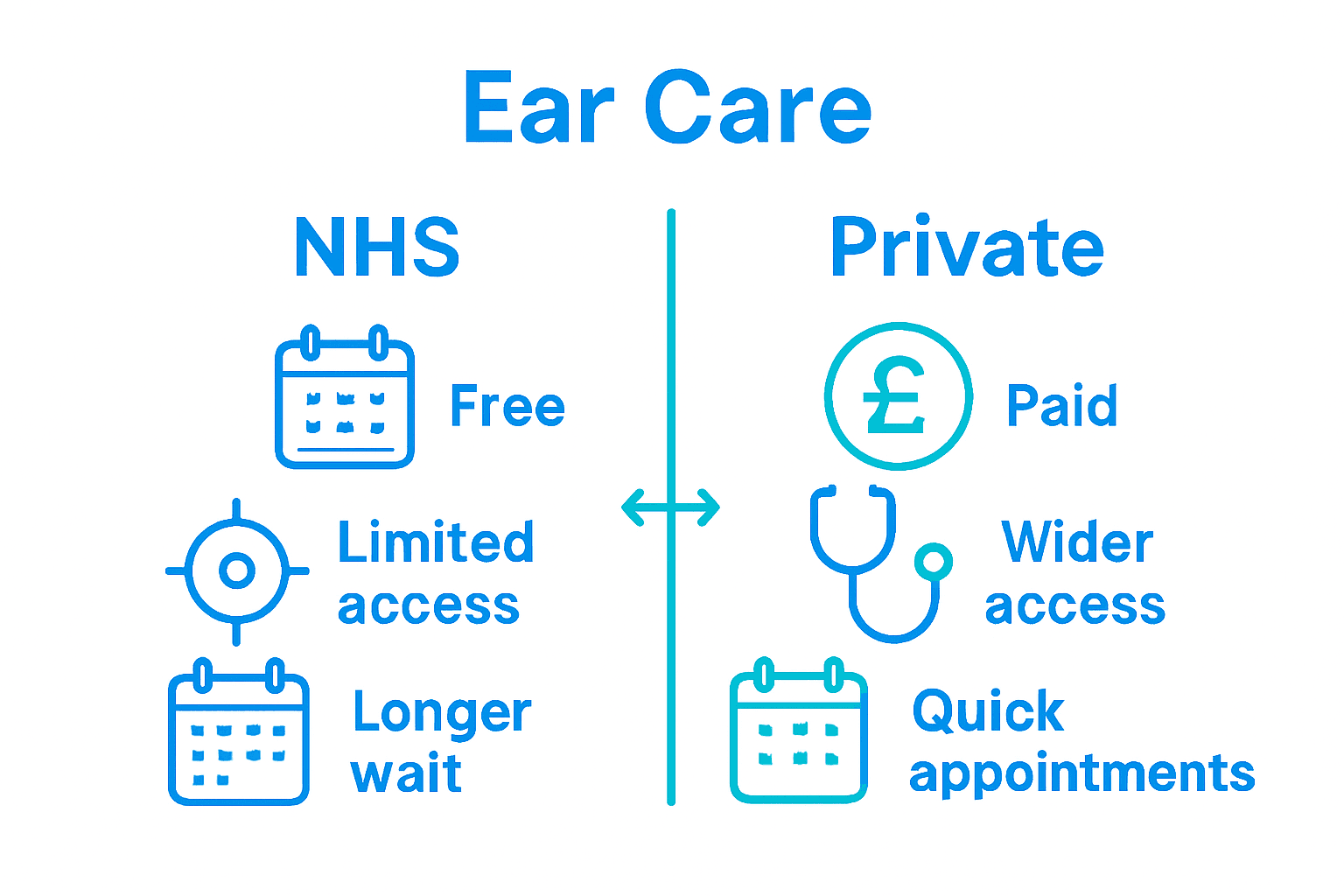
Key differences between NHS and private ear care include:
Accessibility: NHS services are increasingly limited
Waiting Times: Private clinics offer immediate appointments
Cost: NHS services were previously free; private services require payment
Specialisation: Private clinics often provide more advanced techniques
Flexibility: Private providers offer broader appointment options
Research from the University of Manchester indicates that 66% of individuals seeking earwax removal have been informed that such services are no longer available through their local GP surgeries. This significant shift has compelled many patients to seek alternative care routes, with private ear care clinics becoming increasingly popular.
Those considering private ear care should be aware of potential advantages, including shorter waiting times, more comprehensive assessments, and access to advanced removal techniques like microsuction. How Much Does Ear Wax Removal Cost in the UK? provides additional insights into navigating the financial aspects of private ear care services.
Who Should Seek Professional Ear Wax Removal?
NHS guidelines highlight specific situations where professional ear wax removal becomes essential. Individuals experiencing persistent symptoms such as hearing loss, earache, tinnitus, or vertigo that do not improve with self-care techniques should consider seeking professional medical intervention.
Key indicators that suggest the need for professional ear wax removal include:
Prolonged hearing difficulties
Persistent ear pain or discomfort
Recurring ear infections
Unexplained dizziness or balance issues
Continuous ringing or buzzing in the ears
Certain medical conditions require specialised ear wax removal approaches. Guys and St Thomas NHS recommends professional intervention for patients with specific medical histories, such as:
Recent ear surgery
Chronic ear infections
Perforated eardrums
Sensitivity to water-based treatments
Complex ear canal anatomies
Children’s Ear Wax Removal is particularly crucial for young patients who may experience more complex ear wax accumulation. Parents and guardians should be especially vigilant about seeking professional care for children experiencing persistent ear-related symptoms, as early intervention can prevent potential hearing and developmental complications.
Get Professional NHS Ear Wax Removal with Expert Care in Glasgow and Edinburgh
If you are struggling with persistent ear wax build-up causing discomfort, hearing difficulties or irritation, you are not alone. The article highlights how NHS ear wax removal services can be limited, leaving many people seeking safe and effective alternatives. At EARS Clinics we understand the frustration of long waits and concerns about safety. Our NHS-accredited Aural Care Specialists use advanced techniques such as microsuction and irrigation to gently and efficiently clear your ear canals, with no need for lengthy pre-treatment.
Do not wait until symptoms worsen or cause more serious issues like tinnitus or balance problems. Benefit from shorter waiting times, same-day appointments and even at-home visits available in Glasgow and Edinburgh. Discover how our professional ear wax removal brings comfort and improved hearing now. Book your appointment today through EARS Clinics and learn more about our safe procedures in comparison to NHS services in NHS Ear Wax Removal Explained. Get the specialist attention your ears deserve without delay.
Frequently Asked Questions
What are the signs that I need NHS ear wax removal?
If you’re experiencing symptoms like prolonged hearing difficulties, persistent ear pain, recurring ear infections, unexplained dizziness or balance issues, or continuous ringing in the ears, it’s advisable to seek professional ear wax removal.
How is NHS ear wax removal performed?
NHS ear wax removal can be performed using various methods, including microsuction, ear irrigation, and manual removal. These techniques are carried out by trained professionals to ensure safety and minimise discomfort.
Are there any risks associated with NHS ear wax removal?
While NHS ear wax removal is generally safe, individuals with certain medical conditions such as perforated eardrums or recent ear surgeries may require specialised approaches. Professional guidance is essential to avoid complications.
What preparation is needed before the ear wax removal procedure?
Before the procedure, patients are often advised to use olive oil spray for 5-7 days to soften the wax, making the removal process more comfortable and efficient.
Recommended