
Microsuction for Sensitive Ears – Ensuring Safe Relief
Updated: Jan 16
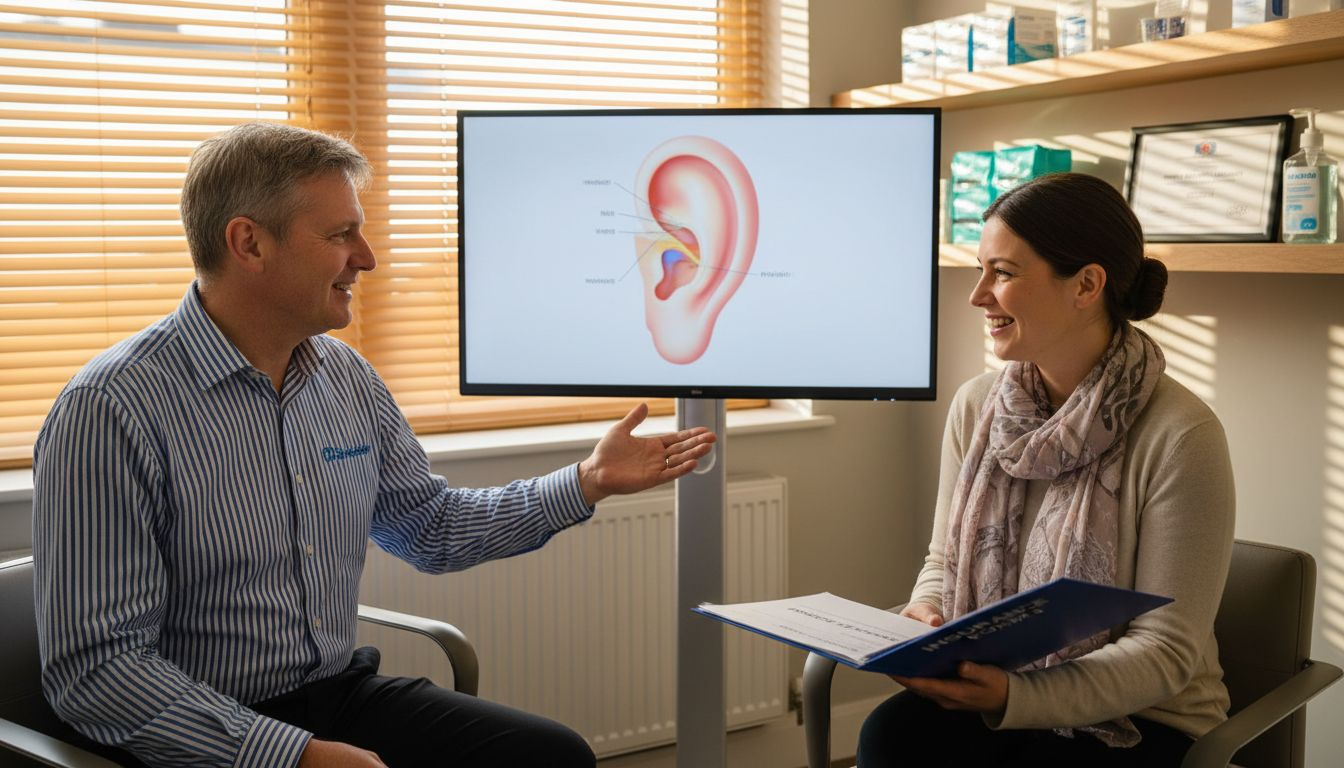
More than eight million British people each year experience ear discomfort or hearing issues caused by ear wax build-up. Finding an effective solution matters, especially for those with sensitive ears or complex ear canal shapes. Microsuction offers a safe and precise alternative to outdated methods, giving British patients reliable relief with expert care and minimal risk. If you want to understand this advanced technique and why it is gaining popularity, you are in the right place.
Key Takeaways
Point | Details |
Microsuction is the preferred method | This technique offers precise and safe ear wax removal, especially for individuals with sensitive ears or complex conditions. |
Tailored care is essential | Personalised approaches are vital for patients with prior ear surgeries or other unique ear health challenges. |
Safety and expertise are paramount | Practitioners must have extensive training and adhere to strict safety protocols to ensure patient wellbeing during procedures. |
Understanding costs and access | Private clinics often provide quicker access and more personalised care compared to NHS services, albeit at a higher price point. |
Microsuction for Ears – What It Involves
Microsuction represents a sophisticated and precise method of ear wax removal, designed specifically for individuals with sensitive ears or complex ear canal conditions. Unlike traditional irrigation techniques, this advanced procedure utilises specialised medical suction equipment to gently and safely extract accumulated ear wax without introducing moisture into the ear canal.
During a microsuction procedure, a trained healthcare professional employs a high-resolution microscope or specialised magnifying equipment to obtain an exceptionally clear view of the ear canal. This allows for meticulous visual assessment and precise wax removal. The healthcare practitioner utilises a thin, soft suction device that creates controlled vacuum pressure, effectively removing wax build-up with minimal discomfort. Why GP Surgeries No Longer Provide Ear Syringing: What You Need to Know provides additional context about modern ear wax removal techniques.
The key advantages of microsuction include minimal invasion, reduced risk of infection, and superior precision compared to traditional ear cleaning methods. Practitioners can adapt their approach based on individual ear canal anatomy, ensuring a personalised treatment that prioritises patient comfort and safety. Patients with previous ear surgeries, perforated eardrums, or those experiencing recurring ear wax issues particularly benefit from this targeted approach.
Pro Tip for Ear Health: Before your microsuction appointment, apply olive oil ear drops the night before and morning of your treatment to help soften ear wax, making the removal process smoother and more comfortable.
Tailored Care for Sensitive or Complex Ears
Patients with sensitive ears or complex ear conditions require a meticulously personalised approach to ear wax removal. Unlike standard procedures, these individuals need specialised care that considers their unique anatomical structures, previous medical histories, and potential vulnerabilities. Best 4 Ear Wax Removal Options Comparison – Expert Comparison 2025 highlights the importance of selecting the most appropriate treatment method for individual needs.
Specific considerations for sensitive ear patients include assessing prior ear surgeries, managing perforated eardrums, addressing chronic ear infections, and understanding individual pain thresholds. Healthcare practitioners must conduct comprehensive pre-treatment assessments, which typically involve detailed medical history reviews, microscopic ear canal examinations, and careful evaluation of previous ear health challenges. This approach ensures that the chosen removal technique minimises potential risks and maximises patient comfort.
Microsuction emerges as an especially suitable technique for patients with sensitive ears, offering unprecedented precision and control. The procedure allows practitioners to visualise the ear canal in high resolution, enabling gentle wax extraction with minimal invasiveness. Patients with conditions such as eczema, recurring ear infections, narrow ear canals, or previous surgical interventions particularly benefit from this targeted, low-impact approach that prioritises patient safety and comfort.
Pro Tip for Sensitive Ear Care: Always disclose your complete medical history and any previous ear conditions to your healthcare professional before any ear wax removal procedure, ensuring they can tailor the treatment to your specific needs.
Safety Protocols and Practitioner Expertise
Ear wax removal requires an exceptional level of professional expertise, with stringent safety protocols that protect patient wellbeing throughout the entire procedure. 7 Key Benefits of Ear Wax Removal Training Courses underscores the critical importance of comprehensive professional training in delivering safe and effective ear care services.

Professional practitioners must demonstrate extensive knowledge of ear anatomy, potential complications, and advanced removal techniques. This expertise involves understanding the intricate structures of the ear canal, recognising potential risk factors, and maintaining absolute precision during microsuction procedures. Critically, practitioners must be trained to perform comprehensive patient assessments, identifying contraindications and selecting the most appropriate ear wax removal method for each individual’s unique ear health profile.
Safety protocols in ear wax removal encompass multiple critical dimensions. These include maintaining sterile equipment, using high-resolution microscopic visualisation, implementing controlled suction techniques, and ensuring minimal patient discomfort. Practitioners must also be adept at recognising signs of potential ear canal inflammation, infection, or structural abnormalities that might compromise the safety of the procedure. Continuous professional development, regular skills recertification, and adherence to Healthcare Improvement Scotland (HIS) and Care Quality Commission (CQC) guidelines are essential components of maintaining the highest standards of patient care.
Pro Tip for Patient Safety: Always verify your practitioner’s professional credentials and ask about their specific training in ear wax removal techniques before proceeding with any ear care procedure.
Comparing Microsuction With Other Methods
Ear wax removal techniques vary significantly in their approach, effectiveness, and patient comfort. The Essential Guide to Advantages of Microsuction provides comprehensive insights into why microsuction has become the preferred method for many healthcare professionals. The most common alternative methods include ear irrigation, manual instrumentation, and cerumenolytic agents, each with distinct advantages and potential limitations.
Traditional ear irrigation involves flushing the ear canal with warm water, which can be effective but carries higher risks for patients with sensitive ears or specific medical conditions. Manual instrumentation using curettes or loops requires exceptional skill and can potentially cause discomfort or ear canal trauma if not performed with absolute precision. Clinical studies have consistently demonstrated that microsuction offers superior outcomes, with significantly lower risks of complications and higher patient satisfaction rates, particularly for individuals with complex ear wax conditions.
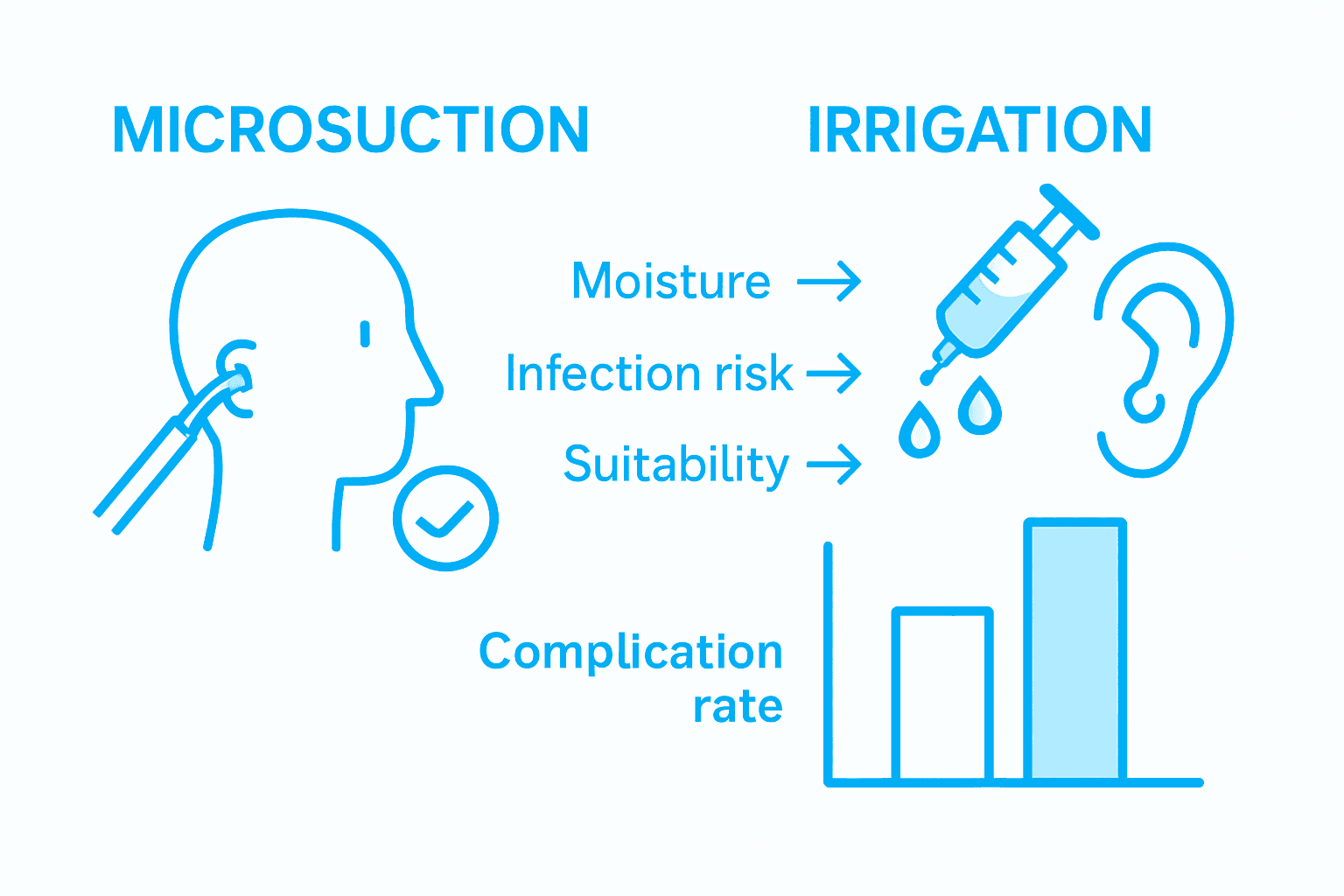
The critical differences between microsuction and alternative methods become apparent when examining key performance indicators. Microsuction provides real-time visual guidance through high-resolution microscopy, enabling practitioners to navigate the ear canal with unprecedented accuracy. Unlike irrigation, which introduces moisture and can potentially cause balance disruptions, or manual techniques that rely heavily on physical manipulation, microsuction utilises controlled suction to gently and precisely remove ear wax. Importantly, research indicates that microsuction minimises patient discomfort, reduces the likelihood of ear canal injury, and offers a more predictable and controlled removal process compared to traditional methods.
Below is a concise comparison of common ear wax removal techniques:
Method | Use of Moisture | Visual Guidance Level | Best Suited Patients |
Microsuction | None | High (microscopy/magnifier) | Sensitive ears, prior surgeries, complex cases |
Ear Irrigation | Water-based | Low | Typical cases, no ear perforations |
Manual Instrumentation | None | Moderate | Patients who prefer manual removal |
Cerumenolytic Drops | Yes (softening) | None | Patients unable to attend clinics easily |
Pro Tip for Method Selection: Always consult a trained healthcare professional who can assess your individual ear health and recommend the most appropriate wax removal technique based on your specific medical history and ear canal characteristics.
Costs, Access, and Regulated Clinic Standards
Navigating ear wax removal services requires understanding the complex landscape of healthcare accessibility, pricing structures, and professional standards. Clinician Training and Safety Standards underscores the critical importance of regulated healthcare environments in delivering safe, effective ear care.
Private ear wax removal clinics offer significant advantages over traditional NHS services, particularly in terms of waiting times and personalised care. The typical pricing structure varies depending on patient age and service complexity, with standard consultations ranging from £60 for adults to £75 for children under 18. Home visit services are typically priced at £180, reflecting the additional resources and specialised care required. These prices encompass comprehensive assessments, professional expertise, and advanced microsuction techniques conducted by fully qualified Healthcare Improvement Scotland (HIS) and Care Quality Commission (CQC) registered practitioners.
Here is an overview of private ear wax removal clinic costs and included services:
Patient Group | Typical Fee | Included Services |
Adult (in clinic) | £60 | Consultation, assessment, microsuction removal |
Child under 18 (clinic) | £75 | Paediatric assessment, specialist care, removal |
Home Visit (all ages) | £180 | At-home service, premium care, practitioner travel |
Note: Fees cover regulated clinic standards and qualified professionals.
Regulated clinic standards represent a crucial safeguard for patient safety and treatment effectiveness. Accredited clinics must demonstrate stringent protocols including practitioner qualifications, equipment sterilisation, comprehensive patient assessments, and ongoing professional development. These standards ensure that patients receive treatment from highly trained specialists who can adapt their approach to individual ear health requirements. Unlike NHS services with extended waiting periods, private clinics offer same-day appointments, immediate professional assessment, and targeted treatments tailored to each patient’s specific ear wax condition.
Pro Tip for Smart Healthcare Choices: Always verify a clinic’s regulatory credentials, ask about practitioner qualifications, and understand the full pricing structure before booking an ear wax removal appointment.
Expert Care with Microsuction for Sensitive Ears at EARS Clinics
If you are struggling with ear wax build-up and need a safe, precise solution for sensitive or complex ears microsuction could be the answer. The article emphasises the importance of professional care with advanced techniques that offer minimal discomfort and reduced risk of complications especially for those with prior ear surgeries, perforated eardrums or recurring ear problems. At EARS Clinics we specialise in exactly these challenges using NHS-accredited practitioners and state-of-the-art equipment to ensure your treatment is both safe and effective.
Our private clinics in Glasgow and Edinburgh offer fast access to expert ear health services with same-day appointments and trusted home visits. We operate under strict Healthcare Improvement Scotland (HIS) regulations guaranteeing highest safety standards and personalised ear wax removal tailored to your unique needs. Discover how microsuction provides superior outcomes compared to traditional irrigation and manual methods by visiting the Essential Guide to Advantages of Microsuction and learn why professional training matters in ear care via 7 Key Benefits of Ear Wax Removal Training Courses.
Do not wait while ear wax problems continue to affect your hearing and comfort. Book your appointment now at EARS Clinics to experience convenient, regulated, and specialised microsuction treatment built for sensitive ears. Get the relief you deserve today with expert care just a click away.
Frequently Asked Questions
What is microsuction for ear wax removal?
Microsuction is a precise method of ear wax removal that uses specialised suction equipment to extract wax without introducing moisture into the ear canal. It offers enhanced visibility and control compared to traditional methods.
Who can benefit from microsuction?
Microsuction is particularly beneficial for individuals with sensitive ears, complex ear conditions, or those who have had previous ear surgeries. It prioritises patient comfort and safety while effectively removing ear wax.
What should I do to prepare for a microsuction appointment?
Before your appointment, consider applying olive oil ear drops the night before and on the morning of your treatment. This helps to soften the ear wax, making the removal process smoother and more comfortable.
How does microsuction compare to traditional ear wax removal methods?
Microsuction offers significant advantages over traditional methods such as ear irrigation and manual instrumentation. It provides high-resolution visual guidance, reduces the risk of complications, and minimises patient discomfort during the procedure.
Recommended