
Earwax Buildup in Children – Symptoms, Care and Safety
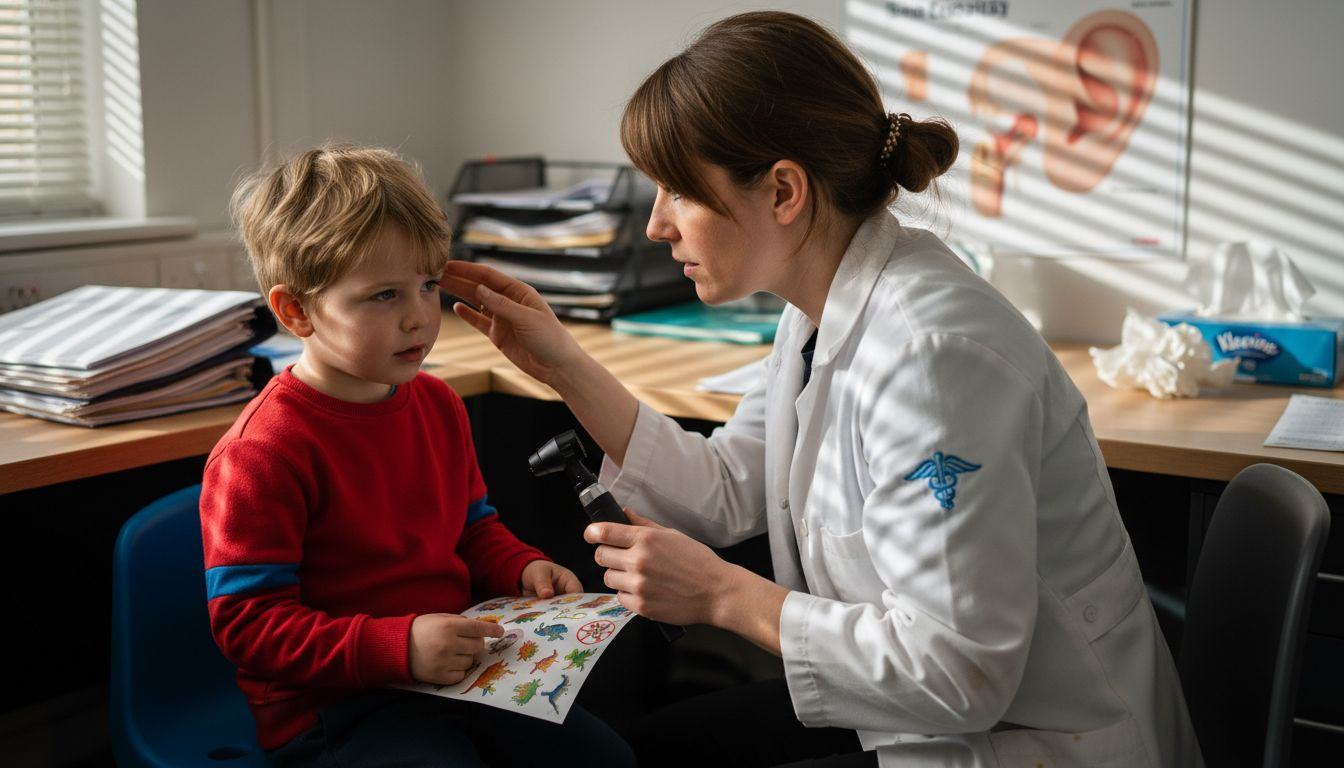
More than one in ten British children experience earwax buildup that can affect hearing and daily comfort. This common issue often leaves parents confused about the safest ways to protect their child’s ear health. Knowing how earwax functions and the signs of a potential problem helps families make informed choices, prevent complications, and find gentle, effective care when it matters most.
Key Takeaways
Point | Details |
Importance of Earwax | Earwax protects the ear canal by trapping dust and preventing infections, making it essential for children’s ear health. |
Symptoms of Buildup | Parents should monitor for signs like ear rubbing and changes in hearing, which may indicate earwax impaction. |
Safe Removal Methods | Gentle home techniques include over-the-counter drops, but professional help is necessary for significant blockages. |
When to Seek Help | Consult a healthcare specialist for persistent symptoms such as hearing loss or recurrent ear infections. |
What Is Earwax Buildup in Children?
Earwax is a natural, protective substance produced inside the human ear canal, serving multiple essential biological functions. While often misunderstood, earwax plays a crucial role in maintaining ear health, especially in children.
Earwax, medically known as cerumen, is a waxy, yellowish substance generated by specialised glands in the outer ear canal. Its primary protective functions include moisturising the ear canal, preventing bacterial and fungal infections, and trapping dust, debris, and foreign particles that could potentially damage the delicate inner ear structures.
In children, earwax naturally migrates out of the ear through jaw movements like chewing and speaking. However, certain behaviours can disrupt this natural process. Using cotton swabs, inserting fingers, or other objects into the ear canal can inadvertently push wax deeper, causing potential blockages. When excessive wax accumulates and cannot self-clear, it can lead to uncomfortable symptoms such as hearing difficulties, ear pressure, and potential infection risks.
Understanding earwax formation helps parents recognise when professional intervention might be necessary. Not all earwax buildup requires medical treatment, but persistent symptoms warrant careful assessment by healthcare professionals specialising in paediatric ear health.
Pro Tip: Gentle Ear Care: Never insert any objects into your child’s ear canal. If you suspect earwax buildup, consult a professional who can safely assess and remove wax using specialised, child-friendly techniques.
Recognising Symptoms and Effects on Hearing
Recognising earwax buildup in children requires careful observation of subtle yet distinctive signs that can impact their hearing and overall comfort. Symptoms of earwax impaction manifest through various sensory and auditory changes that parents and caregivers should monitor closely.
Children experiencing excessive earwax accumulation might display several key indicators. These can include persistent ear rubbing, complaints of a feeling of fullness or pressure in the ear, and noticeable changes in hearing responsiveness. Some children might seem less attentive during conversations or require increased volume when listening to audio content, suggesting potential hearing obstruction.
The primary effects on hearing can be significant and multifaceted. Completely blocked ear canals can lead to temporary hearing loss, which may impact a child’s communication skills, academic performance, and social interactions. Symptoms such as muffled hearing, ear discomfort, dizziness, and occasional ringing sensations can cause considerable distress. Parents should be particularly vigilant if their child exhibits repeated ear infections, unexplained irritability, or difficulty following verbal instructions.
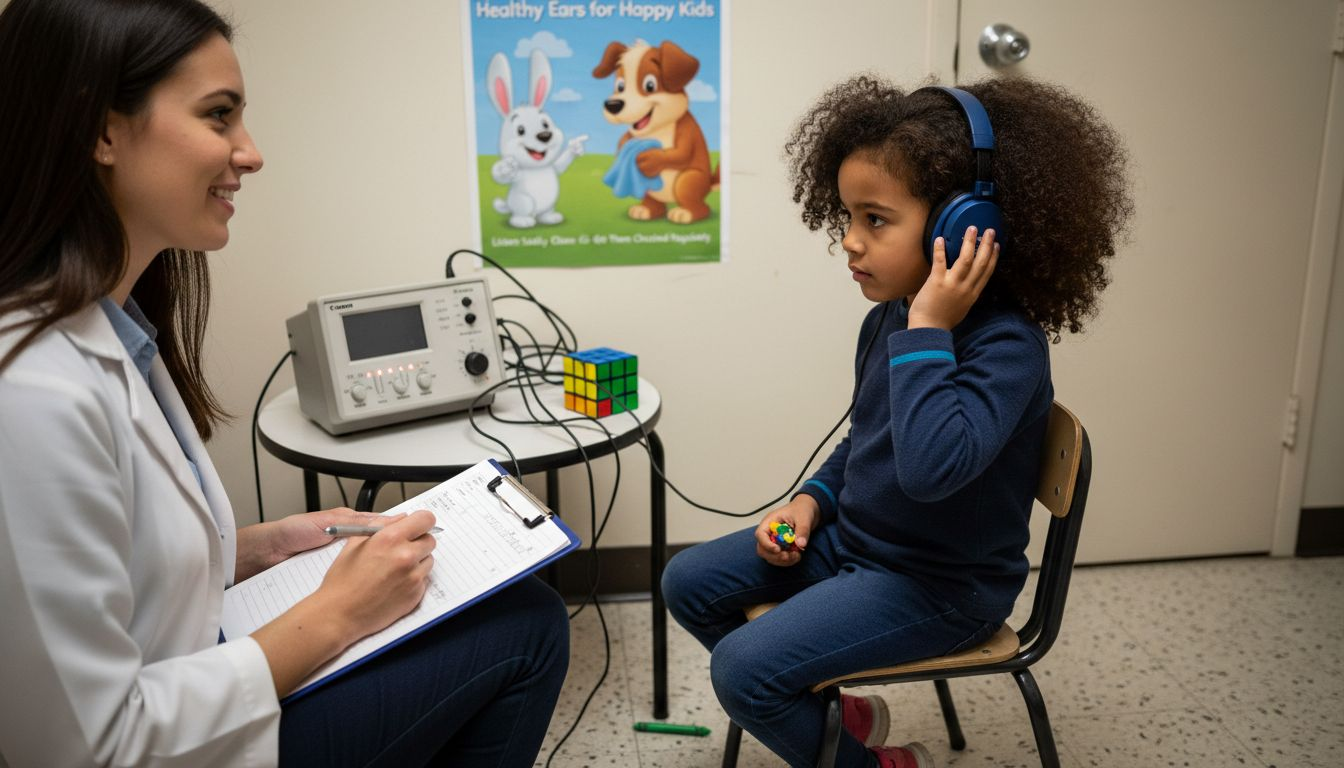
Additionally, children might not always articulate their discomfort precisely, making parental observation crucial. Signs like frequent ear tugging, balance issues, or unexplained behavioural changes could indicate underlying earwax buildup that requires professional assessment.
Pro Tip: Early Detection Matters: If you notice persistent hearing changes or your child frequently complains about ear discomfort, consult a paediatric ear health specialist promptly for a comprehensive evaluation.
Safe Methods for Earwax Removal
Earwax removal in children requires a delicate, cautious approach that prioritises safety and minimises potential harm. Safe home-based methods can help manage minor earwax accumulation while preventing unnecessary complications or injury.
For children aged six years and older, certain gentle techniques can be employed under careful parental supervision. These include using over-the-counter earwax removal drops designed specifically for paediatric use, or creating a mild solution of mineral oil and vinegar. After applying these drops, a warm bath or shower can help naturally loosen accumulated wax, which can then be carefully wiped away from the outer ear using a soft, clean washcloth.
Professional medical interventions offer more comprehensive solutions for persistent or significant earwax buildup. Trained healthcare practitioners can perform safe procedures such as microsuction, irrigation, or manual instrumentation, depending on the child’s specific ear health needs. These methods are performed using specialised equipment and techniques that minimise discomfort and reduce the risk of potential ear canal damage.
Here is a comparison of common professional earwax removal methods for children:
Method | Description | Advantages | Considerations |
Microsuction | Suction tool gently removes wax | Quick, minimal discomfort | Requires specialist equipment |
Irrigation | Warm water flushes out wax | Non-invasive, effective for soft wax | Not suitable for all children |
Manual Removal | Specialised instruments used | Precise, good for stubborn blockages | May cause anxiety in young children |
It is crucial to understand that home remedies should never replace professional medical assessment. Parents should avoid using cotton swabs, hairpins, or any sharp objects inside the ear canal, as these can cause serious injury and push wax deeper into the ear. Children with recurring earwax issues, persistent discomfort, or hearing difficulties should be evaluated by a qualified healthcare professional who can recommend the most appropriate removal method.
Pro Tip: Gentle Approach: Always consult a paediatric ear health specialist before attempting any earwax removal technique, and never insert objects into your child’s ear canal.
When to Seek Professional Ear Care
Recognising when to seek professional ear care is crucial for maintaining children’s ear health and preventing potential long-term complications. Professional medical intervention becomes necessary when home treatments prove ineffective or specific symptoms persist, requiring expert assessment and targeted treatment.
Several key indicators signal the need for professional ear care. Parents should consider consulting a healthcare specialist if their child experiences persistent symptoms such as significant hearing difficulties, ear pain, recurrent ear infections, unexplained dizziness, or a constant sensation of fullness in the ear. These symptoms might suggest more complex issues beyond simple earwax accumulation that require professional diagnostic evaluation.
The table below summarises key warning signs and when to consult an ear specialist:
Warning Sign | Possible Underlying Cause | Recommended Action |
Repeated ear infections | Persistent wax or infection | Schedule prompt specialist visit |
Sudden hearing changes | Blockage or infection risk | Seek immediate professional evaluation |
Unexplained dizziness or imbalance | Potential ear canal issue | Contact healthcare provider |
Persistent sensation of fullness | Significant wax accumulation | Arrange clinical ear assessment |
Certain medical conditions and risk factors also warrant immediate professional attention. Children with pre-existing ear conditions, those who have undergone previous ear surgeries, or individuals with compromised immune systems need specialised care. Healthcare practitioners can perform comprehensive assessments using advanced diagnostic tools, determining the most appropriate intervention strategy while minimising potential risks associated with improper wax removal.
Professional ear care specialists utilise advanced techniques like microsuction, gentle irrigation, and precise manual instrumentation to safely remove earwax. These methods are particularly important for children who cannot effectively communicate their discomfort or those with anatomically sensitive ear structures. Trained professionals can also identify underlying conditions that might contribute to recurring earwax buildup, providing holistic treatment beyond simple wax removal.
Pro Tip: Proactive Monitoring: Schedule regular ear health check-ups for children, especially if they have a history of ear-related issues, to ensure early detection and prevention of potential complications.
Risks of Home Remedies and Prevention Tips
Attempting home remedies for earwax removal can pose significant risks to children’s delicate ear structures, making it crucial for parents to understand the potential dangers and adopt safe preventative strategies.
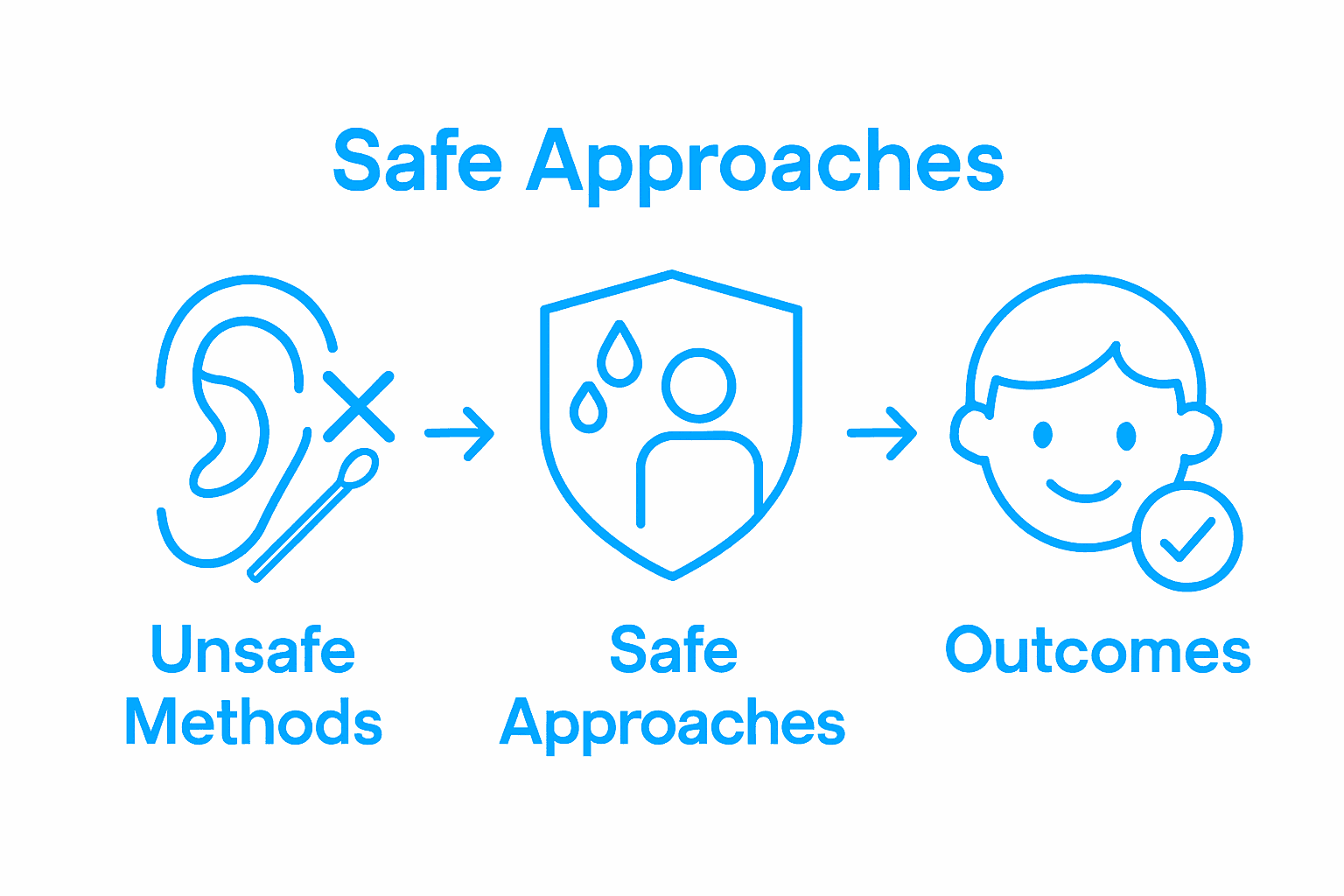
Common home remedies like cotton swabs, hairpins, or improvised cleaning tools can cause serious harm. These objects can potentially puncture the eardrum, push earwax deeper into the canal, cause infections, or create micro-abrasions that compromise ear health. Many parents mistakenly believe they are helping their children by manually removing earwax, but this approach often creates more problems than it solves.
Prevention requires a multifaceted approach focused on maintaining natural ear health. Parents should educate themselves about earwax’s protective functions and avoid unnecessary interventions. Recommended strategies include maintaining good overall hygiene, avoiding insertion of any objects into the ear canal, and using specialised ear drops only under professional guidance. Regular check-ups with healthcare providers can help monitor ear health and identify potential issues before they escalate.
Some children are more prone to earwax accumulation due to genetic factors, ear canal shape, or underlying health conditions. In such cases, professional guidance becomes even more critical. Healthcare specialists can recommend personalised strategies for managing earwax, which might include periodic professional cleaning, specific ear hygiene techniques, or targeted treatments addressing individual ear health needs.
Pro Tip: Safe Ear Care: Always consult a healthcare professional before attempting any home ear cleaning technique, and remember that most children’s ears are self-cleaning and do not require invasive intervention.
Professional Care for Children’s Earwax Buildup Starts Here
Earwax buildup in children can cause discomfort, hearing issues, and anxiety for both kids and parents. The article clearly highlights the challenges of safe removal and the risks of improper home remedies. If your child experiences symptoms like ear fullness, hearing changes, or persistent irritation, it is crucial to seek professional, expert care that ensures safety and comfort.

At EARS Clinics, we specialise in NHS-accredited earwax removal using advanced, gentle techniques like microsuction and irrigation. Our trained Aural Care Specialists focus on children’s ear health and offer same-day appointments, clinic visits in Glasgow and Edinburgh, and even home visits. Book your appointment now to give your child the safe, expert ear care they deserve with no long waits or unnecessary risks. Learn more about earwax symptoms and safety and get started today.
Frequently Asked Questions
What are the symptoms of earwax buildup in children?
Common symptoms include persistent ear rubbing, a feeling of fullness or pressure in the ear, changes in hearing, and frequent ear tugging. Children may also show discomfort, experience dizziness, or exhibit signs of irritation and difficulty following verbal instructions.
How can I safely remove earwax from my child’s ears?
For minor earwax accumulation, you can use over-the-counter earwax removal drops specifically designed for children or a mild solution of mineral oil and vinegar. After application, a warm bath or shower can help loosen the wax, which can then be gently wiped away from the outer ear with a clean washcloth.
When should I seek professional help for my child’s earwax buildup?
Consult a healthcare specialist if your child experiences significant hearing difficulties, persistent ear pain, recurrent ear infections, unexplained dizziness, or a constant sensation of fullness in the ear that does not improve with home care.
What are the risks of using home remedies for earwax removal?
Home remedies using cotton swabs or other sharp objects can cause serious injury, such as puncturing the eardrum or pushing wax further into the ear canal. It is best to avoid invasive cleaning techniques and consult a professional for safe removal.
Recommended