
Ear Care Trends 2026 Scotland: 60% Faster Relief Private

Frustrated by NHS ear care waits stretching beyond 6 weeks in Scotland? You’re not alone. Growing numbers are turning to private clinics for rapid ear wax removal using advanced microsuction techniques. In 2026, this shift is reshaping ear health access, offering same-day appointments and home visits that NHS services simply can’t match. Let’s explore why private ear care is becoming the smarter choice for urgent relief.
Key Takeaways
Point | Details |
NHS waits exceed 6 weeks | Average NHS waiting times exceed 6 weeks, driving demand for private services. |
Microsuction is safest | Leading removal method in 2026 with minimal trauma and high effectiveness. |
Same-day appointments available | Private clinics offer rapid access with flexible scheduling including home visits. |
HIS accreditation ensures safety | Healthcare Improvement Scotland registration guarantees quality standards. |
Special care for vulnerable groups | Licensed treatment from age 2 with specialist protocols for children and complex needs. |
Introduction to 2026 Ear Care Landscape in Scotland
Scotland’s NHS ear care services face significant capacity challenges. Waiting times for ear wax removal exceed 6 weeks in many regions, leaving patients suffering with hearing loss and discomfort for extended periods. This delay doesn’t just inconvenience people. It impacts daily life, work performance, and overall wellbeing.
The situation has created a clear opportunity. Private ear care clinics have expanded rapidly across Glasgow, Edinburgh, and surrounding areas to meet urgent demand. These facilities use cutting-edge microsuction technology that removes ear wax safely and quickly, often on the same day you book.
Why the surge in private care? Several factors converge:
Prolonged NHS waits cause symptoms to persist, affecting quality of life and productivity
Advanced microsuction techniques deliver faster, safer results than traditional methods
Patient expectations for immediate healthcare access have risen significantly
Private clinics offer flexibility with evening, weekend, and home visit appointments
Healthcare Improvement Scotland accreditation ensures private standards match NHS quality
This systemic shift reflects a broader move towards patient-centered rapid access care. When your hearing is compromised, waiting 6+ weeks isn’t acceptable. Private clinics recognize this urgency and structure services accordingly, creating a new standard for ear health treatment in Scotland.
Understanding Ear Wax: Symptoms and When to Seek Help
Recognizing when ear wax becomes problematic is crucial for timely intervention. Normal wax production protects your ear canal, but blockages create distinct symptoms that shouldn’t be ignored.
Common signs of ear wax impaction include:
Sudden or gradual hearing loss in one or both ears
Persistent feeling of fullness or pressure inside the ear
Discomfort or pain, especially when chewing or moving your jaw
Tinnitus (ringing, buzzing, or humming sounds)
Dizziness or balance problems in severe cases
Itching or discharge from the ear canal
Untreated wax buildup carries real health risks. Prolonged impaction can lead to outer ear infections, damage to the ear canal lining, or even permanent hearing impairment. The longer wax remains compacted, the harder it becomes and the more difficult to remove safely.
Early removal improves hearing immediately and prevents these complications. You’ll notice clearer sound quality, reduced pressure, and elimination of associated discomfort within hours of treatment. Professional assessment determines whether your symptoms stem from wax buildup or another condition requiring different care.
Pro Tip: Never insert cotton buds or other objects into your ear canal. This pushes wax deeper, creating harder impactions and risking eardrum damage. Professional removal is always safer than DIY attempts.
Knowing urgency signs helps prioritize seeking treatment. If you experience sudden hearing loss, severe pain, or discharge alongside other symptoms, book an appointment immediately rather than waiting for NHS availability.
Modern Ear Wax Removal Techniques: Microsuction, Irrigation, and Instrumentation
Ear wax removal technology has advanced significantly. Understanding the different removal methods helps you make informed decisions about your care.
Method | Safety Rating | Effectiveness | Best For |
Microsuction | Highest | Excellent | Sensitive ears, hard wax, all ages |
Irrigation | Moderate | Good | Soft wax, healthy ear drums |
Instrumentation | Variable | Good | Visible wax, patient tolerance |
Microsuction leads 2026 ear care trends for good reason. This technique uses gentle suction under microscopic or endoscopic visualization to remove wax precisely. It causes minimal trauma, works for all wax types, and suits patients with perforated eardrums or previous ear surgery. The procedure is quick, typically taking 15-20 minutes per ear.
Irrigation involves flushing the ear canal with water to dislodge wax. While effective for soft wax, it carries higher risks including:
Ear canal damage from water pressure
Infection if water becomes trapped
Eardrum perforation in vulnerable patients
Ineffectiveness against hard, compacted wax
Instrumentation relies on manual removal using specialized tools like curettes or forceps. Success depends heavily on practitioner skill and patient tolerance. Some find it uncomfortable, while others prefer it for visible wax near the canal opening.
Your choice depends on individual factors including ear anatomy, wax consistency, medical history, and urgency. Private clinics typically prefer microsuction for delicate and urgent cases because it offers the best safety profile with consistent results.
Pro Tip: If you’ve had ear surgery, perforated eardrums, or grommets fitted, always specify this when booking. Microsuction is often your only safe option in these situations.
Why Private Ear Care Clinics Are Leading the 2026 Trend
Comparing private clinics with NHS services reveals stark differences in access, experience, and outcomes. The numbers tell a compelling story about why thousands of Scots now choose private ear care over waiting for NHS appointments.
Speed stands as the most obvious advantage. While NHS waits stretch beyond 6 weeks, private clinics offer same-day appointments in most cases. This rapid access prevents symptoms from worsening and gets you back to normal life immediately.

Safety credentials match or exceed NHS standards. Healthcare Improvement Scotland registration ensures rigorous safety and quality standards across private facilities. Practitioners hold the same qualifications and follow identical protocols to NHS audiologists and ENT specialists.
Patient experience improvements include:
Dedicated appointment times without rushed consultations
Modern facilities designed specifically for ear care
Flexible scheduling including evenings and weekends
Clear pricing with no hidden costs
Personalized aftercare advice and follow-up options
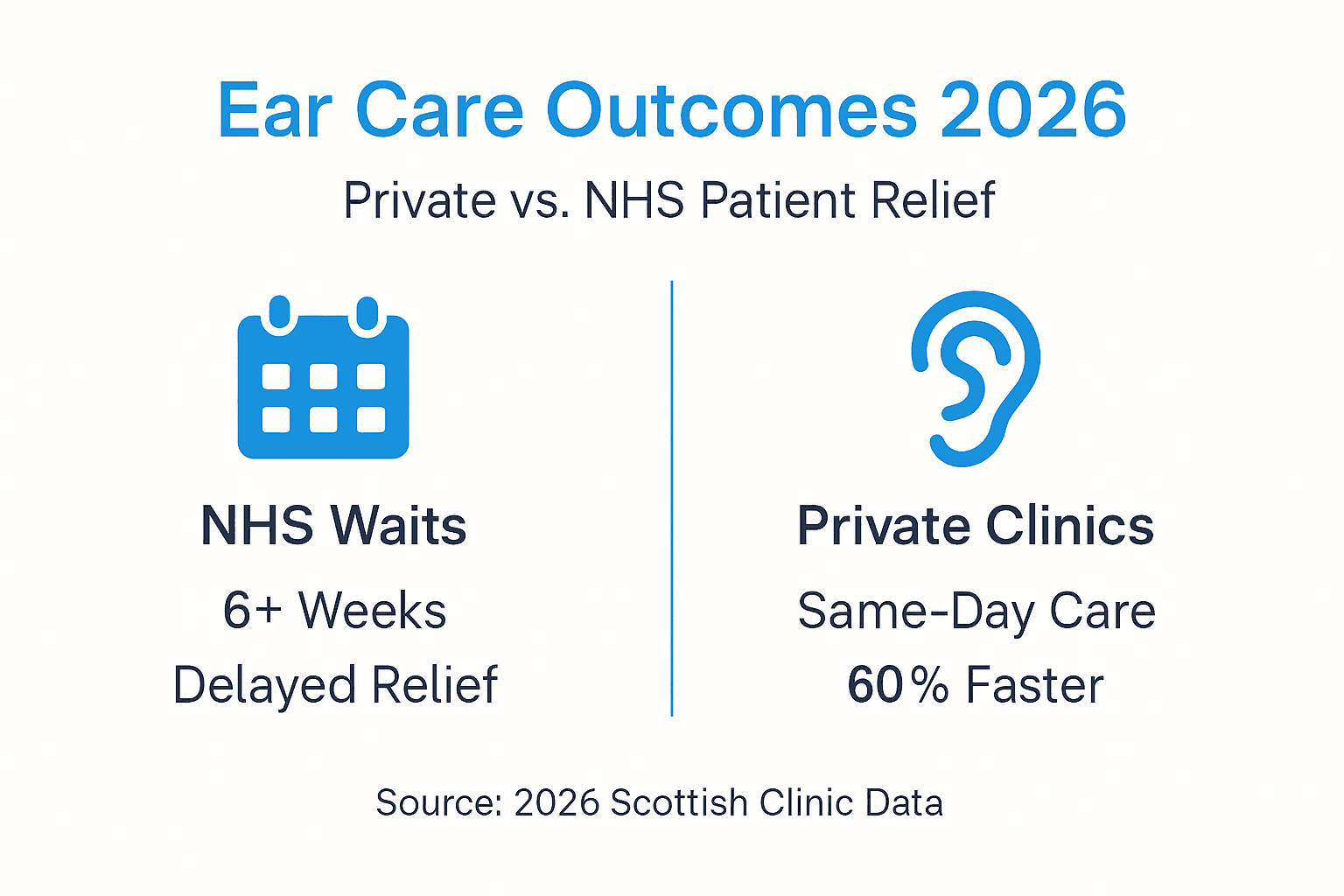
Outcome data supports the private care trend. Studies show 60% reduction in patient reported pain duration when comparing private clinic patients to those waiting for NHS treatment. This improvement reflects both faster access and advanced techniques like microsuction that cause less discomfort.
Private services also ease NHS burden. Every patient choosing private care frees capacity for those unable to pay, creating a more sustainable healthcare ecosystem overall. The private sector complements rather than competes with NHS services, offering choice for those who need urgent relief.
Access and Convenience: Same-Day Appointments and Home Visits
Convenience drives patient satisfaction in modern healthcare. Private ear care clinics have responded by building service models around patient needs rather than institutional schedules.
Same-day appointments eliminate the anxiety of prolonged waiting. When you wake with sudden hearing loss or severe discomfort, you can book online or by phone and receive treatment the same day. This rapid response reduces symptom duration by 60% compared to NHS patients, according to recent efficacy research.
Major Scottish cities offer the widest access. Glasgow and Edinburgh clinics maintain capacity for urgent cases throughout the week. Many operate extended hours including evenings and Saturdays to accommodate working patients who can’t attend during standard business hours.
Home visit services bring professional care to your doorstep. This option particularly benefits:
Elderly patients with mobility challenges
Individuals recovering from surgery or illness
Those with disabilities affecting travel
Families with young children requiring treatment
People in rural areas distant from clinic locations
Pricing transparency helps you plan. While home visits cost more than in-clinic appointments due to travel and equipment, you know the exact fee upfront. Typical costs run £60 for over-18s in clinic, £75 for under-18s, and £180 for home visits, with no hidden charges.
Pro Tip: Book morning appointments when possible. Ear wax often softens overnight, making removal easier and more comfortable during early sessions.
Rapid access minimizes complications. The longer wax remains impacted, the greater your risk of infection or hearing damage. Immediate treatment protects your ear health and prevents secondary problems from developing.
Special Considerations for Children and Vulnerable Patients
Treating sensitive populations requires specialist expertise and appropriate protocols. Private clinics serving children and vulnerable patients maintain higher standards and additional training beyond general ear care.
Licensing matters significantly. Look for clinics licensed to treat patients from age 2 upwards. This regulatory approval confirms facilities meet strict safety standards for pediatric care. Not all private providers hold this certification, so verification is essential.
Practitioner training makes the difference. Specialists working with children receive additional education in:
Age-appropriate communication and reassurance techniques
Recognizing pediatric ear anatomy differences
Managing patient anxiety and ensuring cooperation
Identifying conditions requiring pediatric ENT referral
Working with parents to ensure post-treatment care
Safety protocols adapt to patient needs. Children’s ear canals are smaller and more delicate than adults’, requiring gentler suction pressures and smaller instruments. Practitioners also adjust lighting and positioning to maintain comfort throughout the procedure.
Vulnerable adults receive similar specialized attention. Patients with learning disabilities, dementia, autism, or complex medical needs benefit from practitioners experienced in adapting care approaches. The calm, professional environment of private clinics often proves less overwhelming than busy NHS settings.
Families appreciate the expert environment. Having a practitioner who specializes in sensitive cases improves cooperation and outcomes. Children who might resist treatment in unfamiliar settings often respond better to specialists trained in pediatric care approaches.
Common Misconceptions About Ear Wax and Removal Risks
Myths about ear wax lead to unsafe practices and delayed treatment. Clearing these misconceptions helps you make better decisions about ear health.
The cotton bud myth tops the list. Despite widespread use, cotton buds push wax deeper into the ear canal rather than removing it. This creates impaction and increases infection risk. The external ear might look clean, but the canal contains compressed wax that worsens over time.
Many believe all ear wax needs removal. This isn’t true. Wax protects your ear canal from dust, bacteria, and water. It also lubricates the skin and helps maintain healthy pH levels. Only remove wax when it causes symptoms or blocks the canal completely.
Irrigation carries misunderstood risks. Home irrigation kits seem convenient but lack the precision and safety of professional equipment. Improper technique can:
Perforate your eardrum with excessive water pressure
Trap water behind wax, creating infection conditions
Damage ear canal skin, causing inflammation
Prove completely ineffective against hard wax
Some think natural wax migration eliminates need for professional care. While ears do self-clean to some extent, this process fails when wax hardens or produces excessively. Waiting for natural clearance often prolongs symptoms unnecessarily.
The “ear candling” myth persists despite universal medical condemnation. This practice offers no benefits and poses serious burn and injury risks. No credible healthcare provider recommends ear candling under any circumstances.
Pro Tip: If you produce excessive wax or wear hearing aids, schedule preventive microsuction every 6-12 months. Regular removal prevents impaction before symptoms develop.
Proper education prevents harmful habits. Understanding that professional microsuction is the safest removal method endorsed by ear care specialists helps you prioritize expert treatment over risky DIY approaches.
How to Choose a Private Ear Care Provider in Scotland in 2026
Selecting the right clinic ensures safe, effective treatment. Use these criteria to evaluate private ear care providers and make confident decisions.
Verify Healthcare Improvement Scotland registration first. This accreditation confirms the clinic meets rigorous safety and quality standards. Check the HIS register online or ask the clinic for their registration number.
Confirm microsuction availability. Clinics offering advanced microsuction technology demonstrate commitment to safest practices. Avoid providers relying primarily on irrigation unless you have specific reasons to prefer that method.
Check same-day appointment availability. Urgent ear problems need rapid solutions. Clinics maintaining capacity for immediate bookings show they prioritize patient access.
Understand pricing clearly. Reputable providers display transparent fee structures upfront. Know whether you’re paying per ear or per appointment, and whether follow-up visits incur additional charges.
Review practitioner qualifications. Look for NHS-accredited Aural Care Specialists with specific training in your needs. Pediatric cases require specialists licensed to treat children from age 2.
Assess location and convenience factors. Consider clinic proximity, parking availability, public transport access, and whether home visits are available if needed. Convenience affects whether you’ll complete treatment promptly.
Evaluate appointment flexibility. Evening and weekend availability matters if you work standard hours. Clinics offering extended scheduling demonstrate patient-centered service design.
Compare removal method options. While microsuction suits most situations, having alternative techniques available ensures the practitioner can adapt to your specific anatomy and preferences.
Don’t choose based solely on price. The cheapest option may lack proper accreditation, use outdated techniques, or employ inadequately trained staff. Your ear health deserves investment in quality care.
Conclusion and Next Steps for Patients Seeking Ear Care
Private ear care has transformed access to professional treatment in Scotland. When NHS waits exceed 6 weeks, private clinics deliver same-day relief using the safest techniques available. Healthcare Improvement Scotland accreditation ensures quality matches NHS standards without the frustrating delays.
Microsuction leads 2026 ear care trends because it works. This gentle, precise technique suits all ages and ear conditions, from hard wax impaction to sensitive pediatric cases. Same-day and home visit options mean geography and mobility never prevent you from getting urgent help.
Early symptom recognition drives better outcomes. Don’t wait for hearing loss or pain to worsen. Professional assessment and rapid treatment protect your long-term ear health. Book quickly to reduce discomfort and return to normal life.
Explore Private Ear Care Solutions in Scotland
Ready for immediate relief from ear wax symptoms? Healthcare Improvement Scotland registered clinics across Glasgow and Edinburgh offer the expertise you need right now.
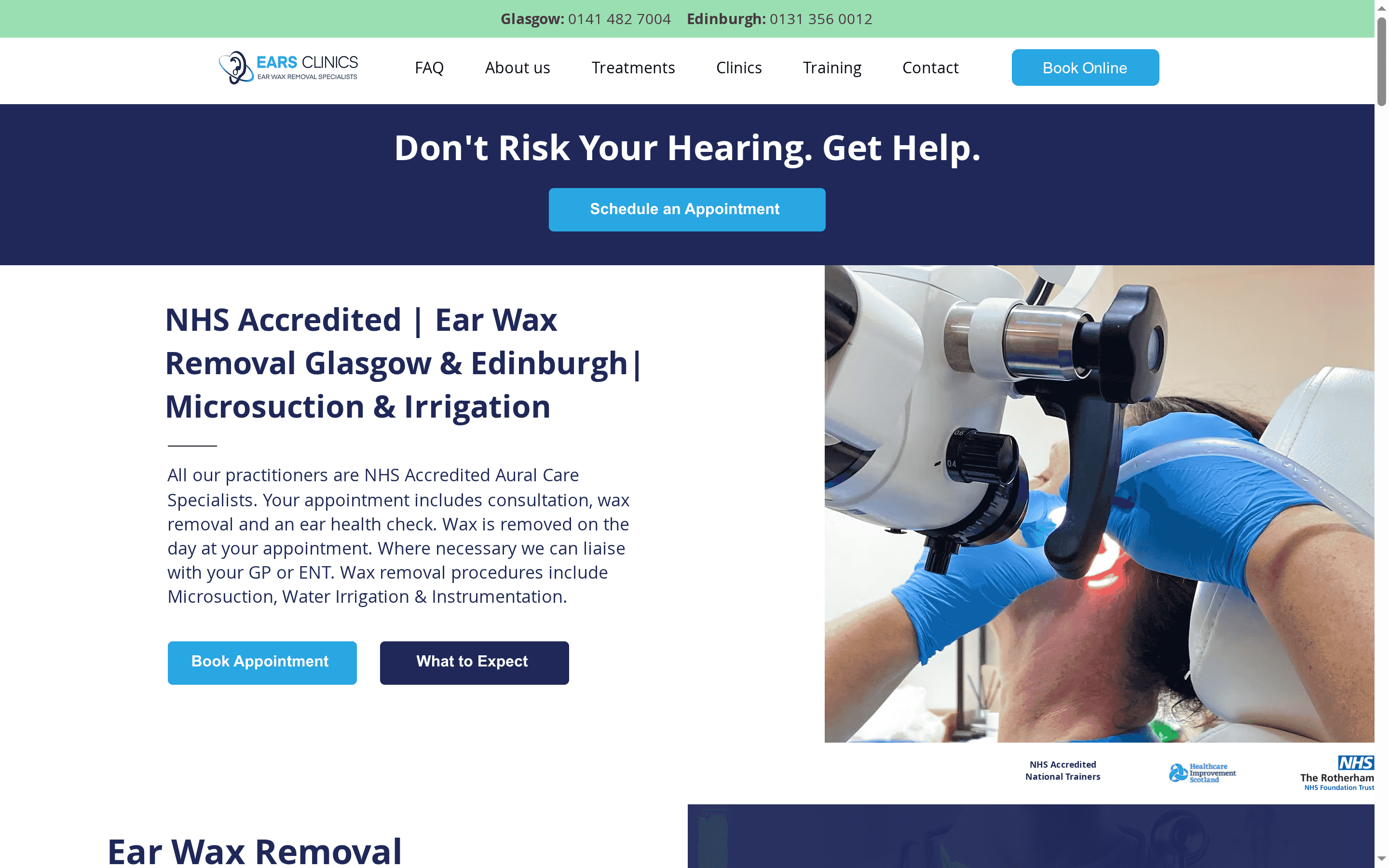
Choose from advanced microsuction and other safe removal methods performed by NHS-accredited specialists. Same-day appointments eliminate waiting, while home visits bring treatment to your doorstep. Families benefit from specialized pediatric care licensed for children from age 2, ensuring gentle, expert treatment for your little ones. Experience NHS-equivalent quality without the delays that keep you suffering unnecessarily.
FAQ
What are the signs I need urgent ear wax removal?
Sudden hearing loss, severe ear pain, persistent fullness, discharge, or dizziness indicate urgent need for professional removal. These symptoms suggest significant blockage that won’t resolve naturally. Prompt treatment prevents complications like infection or permanent hearing damage while restoring comfort immediately.
Is microsuction safe for children and sensitive patients?
Microsuction is the safest removal method and works effectively for children from age 2 when performed by licensed specialists. The technique causes minimal discomfort and allows precise control during treatment. Private clinics use practitioners specially trained in pediatric protocols to ensure gentle, appropriate care for young patients.
How do private clinic fees for ear wax removal compare to NHS services?
Private clinics charge transparent fees ranging from £60 for adults to £180 for home visits, delivering immediate relief that prevents symptom progression. NHS services may be free but involve 6+ week waits that prolong discomfort and risk complications. Private care offers value through rapid access, advanced techniques, and flexible scheduling that NHS capacity cannot match.
Can I book a same-day appointment at private clinics in Scotland?
Most private clinics in Glasgow and Edinburgh maintain capacity for same-day appointments when you need urgent care. Online booking systems and phone lines make scheduling quick and straightforward. Many clinics also offer evening and weekend slots to accommodate working patients who need flexible timing.
What makes Healthcare Improvement Scotland registration important for ear care?
HIS registration confirms clinics meet rigorous safety standards equivalent to NHS protocols for infection control, practitioner qualifications, and treatment quality. This accreditation protects patients by ensuring private facilities maintain professional standards. Always verify a clinic’s HIS registration before booking to guarantee you receive properly regulated care.
Recommended