
Earbuds and ear wax: what you need to know
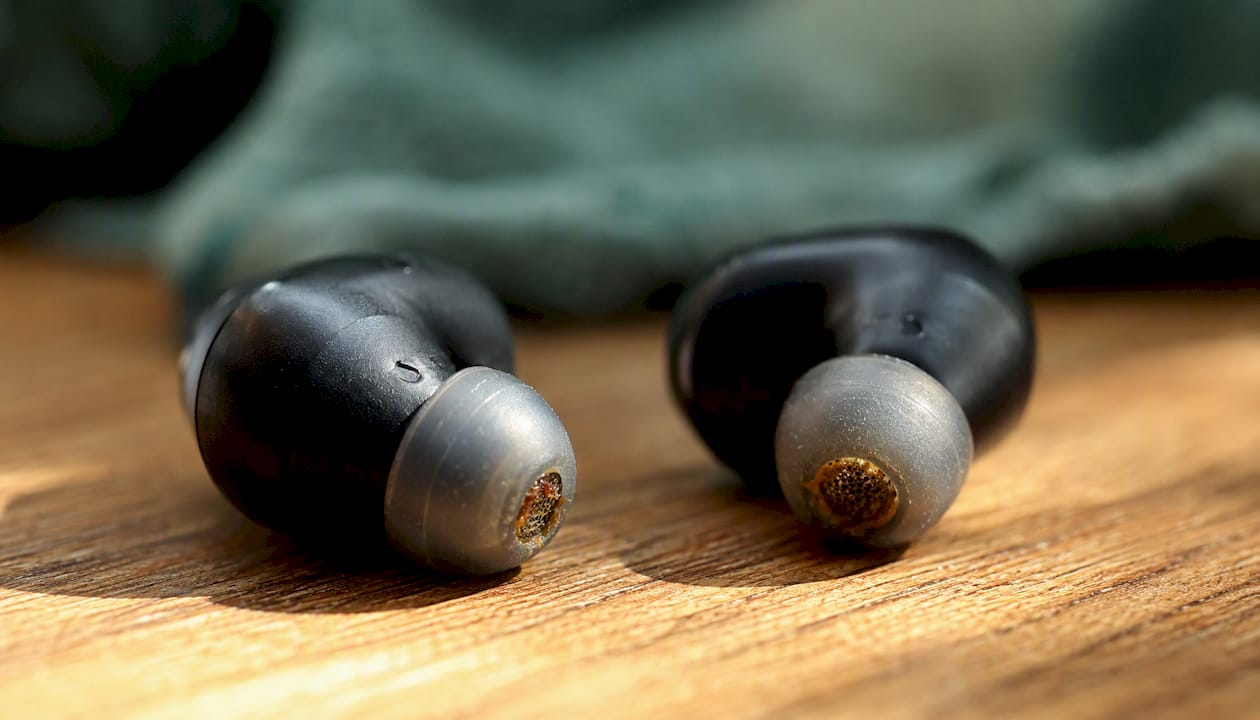
Finding a smear of earwax on your earbuds after a long listening session is completely normal. The ear continuously produces cerumen (earwax) as a protective mechanism, and in-ear earbuds pick up whatever sits at the entrance to the canal. What matters is whether that wax is staying put or building up to the point where it causes symptoms. If you notice discomfort, muffled hearing, or a blocked sensation, stop using your earbuds and read the symptom checklist below before putting them back in.
Right now, if you can see wax on your earbuds:
Wipe the earbuds with a soft, dry cloth before your next use.
Check your ears for any fullness, reduced hearing, or pain.
If symptoms are present, leave the earbuds out until you have had your ears assessed.
If there are no symptoms, clean the earbuds and carry on, but review your wearing habits.
Pro Tip: After each use, gently dry-brush the mesh of your earbuds with a clean, soft-bristled brush. This takes ten seconds and prevents wax from hardening into the grille, where it becomes far harder to remove safely.
Key takeaways
Finding earwax on earbuds is normal, but daily in-ear use can trap wax and contribute to impaction in susceptible people; clean your earbuds regularly, recognise the symptoms of blockage, and seek regulated clinical care when self-care is not enough.
Point | Details |
Earwax on earbuds is normal | The ear continuously produces cerumen; small amounts on earbuds simply reflect natural migration. |
Earbuds can contribute to impaction | Daily in-ear use can block natural wax migration and push wax deeper in susceptible people. |
Clean earbuds safely and regularly | Use a soft-bristled brush and lint-free cloth after each use; clean the charging case every two to four weeks. |
Symptoms need clinical assessment | Reduced hearing, ear fullness, tinnitus, or pain warrant a professional appointment, not more self-care. |
EARS Clinics offers regulated removal | NHS-accredited specialists in Glasgow and Edinburgh provide microsuction, irrigation, and instrumentation tailored to each patient. |
How does earwax normally protect your ears?
Earwax, or cerumen, is produced by glands in the outer third of the ear canal and serves as the ear’s built-in defence system. It traps dust, debris, and bacteria before they can reach the eardrum, and its slightly acidic composition discourages fungal and bacterial growth.
The canal is self-cleaning. Jaw movement during chewing and talking, combined with the slow outward migration of skin cells, gradually carries old wax toward the opening of the ear, where it dries and falls away. This process means most people never need to intervene at all.
Several factors drive this migration:
Tiny hair-like structures and skin renewal push wax outward naturally.
The shape of the canal, which is narrower at the inner end, encourages outward movement.
Jaw motion accelerates the process, which is why people who chew frequently tend to have fewer wax problems.
When something blocks the canal, whether a hearing aid, a foam earbud tip, or a cotton bud, that outward journey is interrupted. Earwax protects deeper structures, keeps the canal hydrated, and prevents dirt reaching the eardrum, so disrupting its migration does not just cause a cosmetic problem; it can lead to genuine discomfort and hearing changes.
Can in-ear earbuds cause earwax build-up?
Earbuds do not increase the amount of wax your ears produce. What they can do is interfere with the canal’s natural self-cleaning process, and for some people that interference is enough to cause a meaningful build-up.
In-ear devices can act as a physical barrier that prevents wax migrating outward, and prolonged daily use may contribute to cerumen impaction in susceptible people. The mechanism is straightforward: a snugly fitting earbud tip sits in the outer canal, and each time you insert it, you push any wax sitting at the entrance slightly deeper. Over weeks of daily use, this repeated action can compact wax against the eardrum rather than allowing it to shed naturally.
Risk factors that make build-up more likely include:
Wearing in-ear earbuds for extended periods each day.
Using foam or silicone tips that create a tight seal, blocking airflow and wax migration.
Having naturally narrow ear canals or producing wax that is harder and drier in texture.
A pre-existing tendency toward wax build-up, which is partly genetic.
Wearing hearing aids alongside earbuds, compounding the blockage effect.
Pro Tip: If you use earbuds for long work calls or commutes, try switching to over-ear headphones for at least part of the day. Open-back or on-ear designs leave the canal unobstructed, giving wax the chance to migrate naturally between sessions.
What symptoms mean the wax is more than cosmetic?
A thin film of wax on your earbuds after use is harmless. Symptoms in your ears are a different matter. Earwax blockage can cause earache, a plugged sensation, tinnitus, and temporary hearing loss, and these signs should prompt you to stop using in-ear earbuds until the wax has been assessed and, if necessary, removed.
Symptoms that warrant booking an appointment:
Reduced or muffled hearing in one or both ears.
A persistent feeling of fullness or pressure in the ear.
Tinnitus (ringing, buzzing, or hissing sounds).
Earache or a dull ache that does not resolve within a day or two.
Dizziness or a mild sense of imbalance.
An itching or irritated sensation deep in the canal.
A reflex cough triggered by ear irritation (a less well-known but recognised symptom).
How to clean earwax from earbuds safely
Cleaning earbuds properly protects both the device and your ears. Wax left on mesh grilles hardens over time, degrades sound quality, and can be pushed back into the canal on reinsertion. The key principle across all manufacturers is the same: dry methods first, minimal moisture, and never force anything into the speaker mesh.
Step-by-step cleaning method
Remove the earbud tips (silicone or foam) before cleaning anything else.
Brush the mesh grille with a clean, soft-bristled brush, using short, light strokes to dislodge dried wax. A clean, dry toothbrush works well.
Use adhesive putty or tape to lift wax from the mesh without pushing it deeper. Press gently and peel away.
Wipe the body of the earbud with a soft, dry, lint-free cloth.
Clean the earbud tips separately. For most silicone tips, a lint-free cloth slightly dampened with water is sufficient. Dry thoroughly before reattaching.
Clean the charging case with a dry cloth or brush, paying attention to the charging contacts.
Manufacturer-specific notes
Apple recommends removing AirPods Pro ear tips and rinsing them with water only, avoiding household cleaners or detergents, and ensuring all components are completely dry before reassembly. Do not use alcohol wipes on the mesh grille or speaker components.
For Samsung Galaxy Buds, Samsung advises wiping the mesh and earbud body with a soft, dry cloth, avoiding metal brushes that can damage the grille, and drying charging contacts thoroughly to prevent corrosion.
Manufacturers generally recommend a soft, dry, lint-free cloth or soft-bristled brush as the primary cleaning tool, warning against liquid entering any openings. Rubbing alcohol can degrade acoustic meshes and remove protective coatings; check your device’s manual before using any solvent.
Cleaning frequency: a quick dry-brush after each use, a more thorough clean of the tips weekly, and a full clean of the case every two to four weeks.
What can you safely try at home for ear care?
The most important rule in home ear care is also the simplest: nothing smaller than your elbow goes in your ear. Cotton buds are the most common cause of wax impaction and canal injury in adults, because they push wax deeper rather than removing it.
Safe at-home options:
Softening drops: over-the-counter preparations containing olive oil, almond oil, glycerin, or sodium bicarbonate can soften wax and encourage natural migration. Use them for three to five days before expecting results.
Body-temperature water irrigation: some adults can safely use a gentle ear syringe with body-temperature water to flush softened wax. Safe home softening agents include baby oil, commercial ear drops, glycerin, mineral oil, and water, though irrigation is contraindicated when there is a suspected perforation or recent ear surgery.
Drying the ear after swimming or showering: tilt your head and allow water to drain naturally, or use a low-heat hairdryer held at arm’s length.
Do not use:
Cotton buds or any object inserted into the canal.
Ear candles, which have no clinical evidence of benefit and carry a burn risk.
Sharp objects, hairpins, or pen lids.
Undiluted alcohol or hydrogen peroxide without clinical guidance.
Contraindications to home irrigation: do not attempt irrigation if you have a perforated eardrum, grommets, a history of ear surgery, or active ear pain. In these cases, clinicians strongly advise against inserting objects into the canal, and professional assessment is the appropriate next step.
Stop home care and contact a clinician if symptoms worsen, if you notice discharge, or if softening drops have not produced any improvement after a week.
Pro Tip: Warm the softening drops to body temperature by holding the bottle in your hand for a minute before use. Cold drops can cause temporary dizziness, which is uncomfortable and unnecessary.
When should you book an ear-health appointment?
Self-care works well for mild, uncomplicated wax. There are clear situations, though, where professional removal is the right call, and waiting tends to make things worse rather than better.
Book a clinical appointment if:
Symptoms (reduced hearing, fullness, tinnitus, pain) persist after five to seven days of softening drops.
You have tried home irrigation and it has not resolved the blockage.
You wear hearing aids and are experiencing feedback or reduced performance.
You have a history of recurrent impaction or perforated eardrums.
You are a regular earbud user and have not had your ears checked in over a year.
What professional removal involves
Clinicians choose between three evidence-based methods, selecting the most appropriate one based on your medical history and clinical presentation:
Microsuction: a fine suction probe removes wax under direct visual guidance, without water. This is the method preferred in current NICE guidance for many patients, particularly those with narrow canals, grommets, or a history of ear surgery.
Irrigation: a controlled flow of body-temperature water flushes softened wax from the canal. Clinically valid and comfortable for most patients without contraindications.
Manual instrumentation: a trained clinician uses fine instruments to remove wax mechanically under direct vision. Appropriate for certain wax types and canal shapes.
Ear care should only be performed by trained, competent clinicians following best practice standards and regulated by Healthcare Improvement Scotland (HIS) or the Care Quality Commission (CQC). Choosing a regulated clinic is not a formality; it is what ensures the method chosen is safe for your specific anatomy and history.
Why microsuction at a regulated clinic is worth understanding
Microsuction is widely regarded as the most controlled method of ear wax removal currently available, and it is the approach preferred in NICE guidance for patients where it is clinically appropriate. At EARS Clinics, practitioners do not apply a one-size-fits-all approach; they assess each patient’s history and canal anatomy before selecting between microsuction, irrigation, or manual instrumentation.
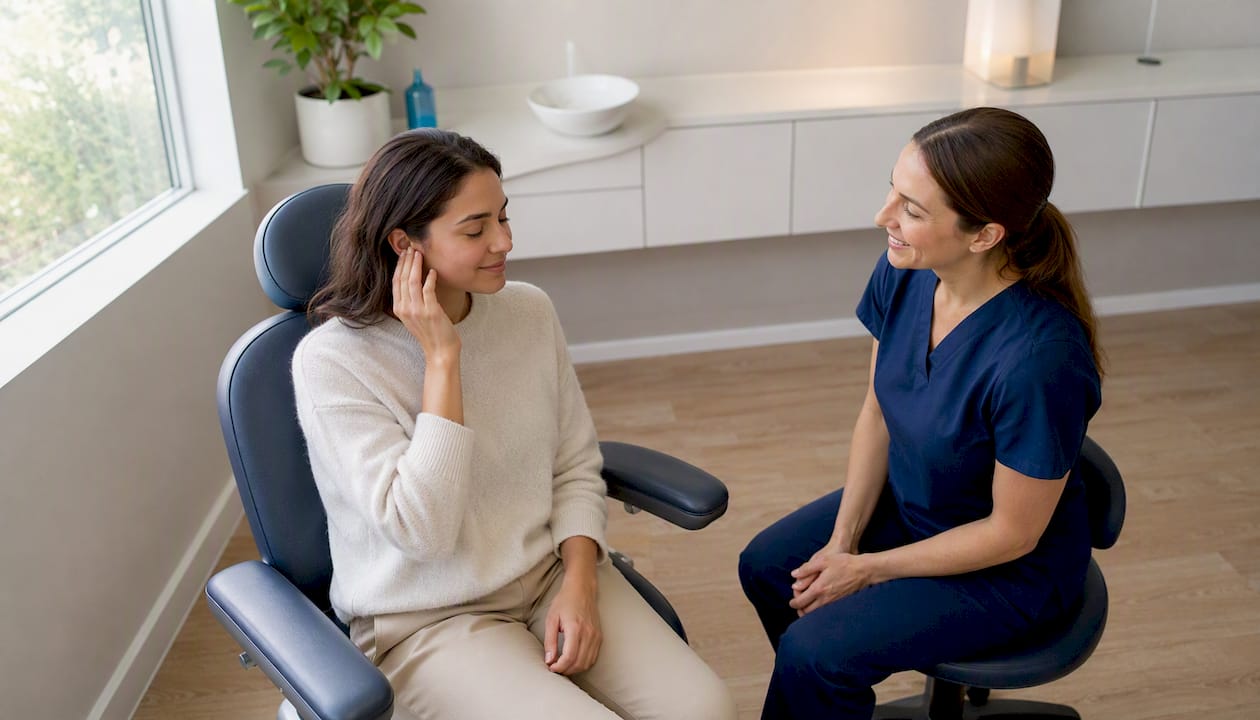
The procedure itself is straightforward. A clinician uses a fine suction probe, guided by a microscope or loupe, to remove wax without introducing water into the canal. Most appointments take fifteen to thirty minutes. Some patients notice a brief low-level noise from the suction device, but the procedure is not painful for the vast majority of people.
EARS Clinics is registered with Healthcare Improvement Scotland (HIS), and all practitioners are NHS-accredited Aural Care Specialists. For patients with complex or sensitive ear conditions, the clinic provides tailored care, including before-and-after imaging and clinical correspondence with GPs or ENT specialists where needed.
Appointments are available in-clinic in Glasgow and Edinburgh, with same-day slots and home visits for patients who cannot travel. Pricing is £60 for adults over 18, £75 for under-18s, and £180 for home visits.
For a detailed overview of the microsuction procedure and what to expect at your appointment, EARS Clinics’ patient guide covers each stage clearly.
How to keep your earbuds ear-friendly going forward
Prevention is simpler than treatment. A few consistent habits reduce the likelihood of wax build-up and keep both your ears and your earbuds in good condition.
Clean earbuds after every use with a dry brush or cloth, before wax has a chance to harden on the mesh.
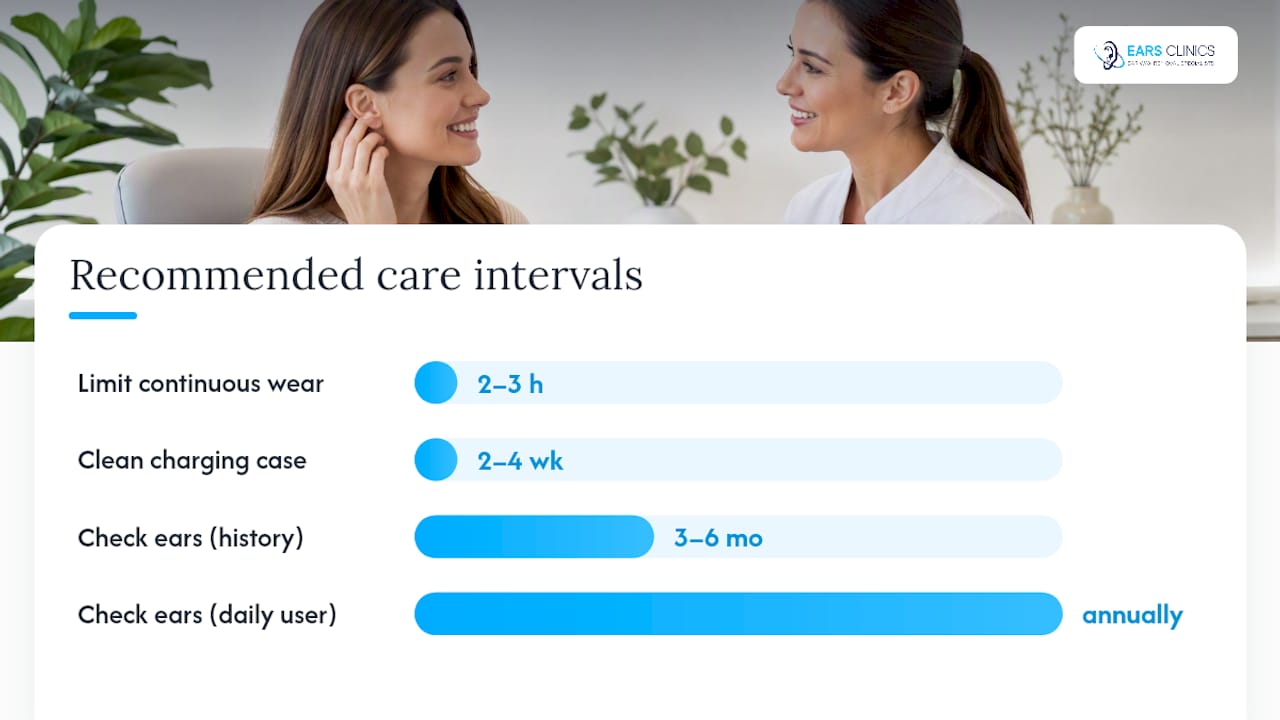
Limit continuous in-ear wear to two to three hours where possible, allowing the canal time to breathe and wax to migrate naturally.
Rotate earbud types: alternate between in-ear and over-ear or on-ear headphones, particularly during long work sessions.
Replace earbud tips regularly. Worn or ill-fitting tips create a tighter, less comfortable seal that increases the risk of wax being pushed inward.
Clean the charging case every two to four weeks. Cleaning the case is as important as cleaning the earbuds themselves; many people overlook the case as a source of re-depositing wax onto freshly cleaned devices.
Check your ears annually if you are a daily earbud user, or every three to six months if you have a history of recurrent build-up.
For more detailed prevention strategies, the ear wax build-up prevention guide from EARS Clinics covers routine habits and canal-specific advice.
Pro Tip: Build earbud cleaning into your post-workout routine. Sweat softens wax and accelerates its transfer onto the device, so a quick wipe immediately after exercise prevents the most stubborn deposits from forming.
A note from the team at EARS Clinics
Earwax is one of the most common reasons people seek ear care, and it is also one of the most misunderstood. The vast majority of patients we see have been managing their ears with cotton buds for years, often making the problem considerably worse without realising it. Wax on your earbuds is not a hygiene failure; it is the ear doing exactly what it should. What matters is recognising when the ear’s natural process needs a helping hand from a trained clinician rather than a cotton bud.
We tailor every treatment to the individual. That means reviewing your medical history, examining the canal, and selecting the method that is genuinely safest for you, whether that is microsuction, irrigation, or manual instrumentation. No two ears are the same, and no single method suits every patient.
Professional ear care with EARS Clinics

If softening drops have not resolved your symptoms, or if you are experiencing reduced hearing, tinnitus, or ear pain, professional removal is the appropriate next step. EARS Clinics offers microsuction, irrigation, and manual instrumentation performed by NHS-accredited Aural Care Specialists at regulated clinics in Glasgow and Edinburgh. Appointments are available in-clinic, with same-day slots and home visits for patients who need them. All practitioners are registered with Healthcare Improvement Scotland (HIS), and treatment is tailored to your clinical history, not a standard protocol. To find out what to expect at your appointment or to book, visit www.earhealthservice.co.uk.
Sources
The following sources informed this article and are worth consulting for further detail:
This article is general information, not a substitute for advice from a qualified doctor. Consult a qualified healthcare professional about your own circumstances before acting on anything here.
Recommended