
Where NHS Won't Pay: Will UK Insurance Cover Ear Wax Removal?

Most health cash plans will reimburse some or all of the cost of ear wax removal, usually up to a modest annual limit, while private medical insurance tends to cover it only when a GP has referred you and the procedure is clinically necessary rather than cosmetic. NHS provision depends heavily on where you live, so check your local rules before assuming treatment will be free. Before booking anywhere, call your insurer or cash plan administrator and ask them to confirm, in writing if possible, exactly what they will pay.
TL;DR:
Most health cash plans offer up to £50 annually for ear wax removal, covering a single private appointment, but may not support multiple treatments in one year.
Private medical insurance typically covers ear wax removal only if a clinician assesses it as medically necessary, often requiring a GP referral, especially for outpatient procedures like microsuction.
NHS access depends on local commissioning, with some areas providing free treatment for specific symptoms, while others require patients to seek private care and then claim reimbursement.
Confirm the treatment method and provider regulation with your insurer beforehand, as policies often specify microsuction, irrigation, or manual instruments and require a regulated clinician’s documentation.
A successful claim relies on obtaining detailed paperwork from a registered clinician, including an itemised receipt, procedure notes, and registration confirmation, before booking treatment.
What health cash plans and private medical insurance usually cover
Cash plans and private medical insurance (PMI) work in quite different ways, and that difference matters a great deal when you are trying to work out whether ear wax removal will be reimbursed.
A health cash plan pays a fixed benefit towards everyday treatments, including, in many cases, ear wax removal. These policies typically set a modest annual cap for this specific benefit, sometimes requiring a qualifying period of a few months before you can claim at all. Policy schedules from providers such as BHSF show ear wax removal listed as its own benefit line, with some benefit levels paying up to £50 per benefit year. That figure covers most or all of a single private appointment, but it will not stretch far if you need treatment more than once in a year.

PMI works on a different principle. Rather than a fixed benefit, it generally covers outpatient treatment only when a clinician has assessed the problem as medically necessary, often following a GP referral. Many PMI policies exclude routine or asymptomatic ear cleaning entirely, treating it as a minor procedure outside the scope of cover unless there is a documented clinical reason, such as hearing loss, pain or infection linked to the wax build-up.
Before you book anything, check your policy wording for these common sticking points:
Per-event or annual caps that limit how much the cash plan will actually pay out.
Qualifying periods that mean a new policy will not cover treatment for several weeks or months after you join.
Exclusions for cosmetic or preventative cleaning where there are no symptoms.
A requirement that the clinician or clinic be regulated, rather than an unregulated or informal provider.
Ambiguity over method: some schedules mention “ear wax removal” generically without specifying whether microsuction, irrigation or manual instrumentation qualifies.
That last point catches many people out. A policy might pay for “ear syringing” under an older definition while remaining silent on microsuction, even though microsuction is the preferred method recommended by current clinical guidance for most patients. If your schedule does not name the method, ask the administrator directly whether microsuction is included.
How NHS commissioning affects whether you’ll get free treatment
Whether the NHS will remove your ear wax for free depends less on your symptoms and more on where you happen to live. Each Integrated Care Board (ICB) in England, and the equivalent health boards in Scotland, Wales and Northern Ireland, decides independently whether to commission a Locally Commissioned Service (LCS) for ear wax removal. Some areas fund it generously, some fund it with strict criteria, and some do not fund it at all.
Where an LCS exists, it usually sets out a defined list of criteria a patient must meet. NHS Sussex’s service specification is a useful example of how specific these rules can get, including published payment rates for practices delivering the service.
Typical eligibility criteria across LCS programmes include:
Symptomatic wax causing hearing loss, discomfort, tinnitus or a sensation of blockage.
Hearing aid users, since wax build-up can damage devices or trigger feedback.
A clinical need to view the eardrum, for example to investigate an ear infection.
Failed self-care, where over-the-counter softening drops have not resolved the problem.
Reporting on the scale of the gap is stark: BBC News coverage of RNID findings found that almost 10 million people in England lack access to free NHS earwax removal in some areas, pushing many towards private treatment. If you are affected, our guide to recent NHS changes explains what’s shifted and what your realistic options are. In practice, that usually means asking your GP whether a referral to audiology or ENT is appropriate, or arranging private treatment yourself and then exploring reimbursement through your cash plan or PMI.
Which removal method and clinician credentials matter for claims
Insurers and the NHS alike care about how wax is removed and who removes it, and that detail can decide whether a claim succeeds.
Microsuction uses gentle suction under direct vision to lift wax out of the ear canal, and it’s the method most current clinical guidance favours as first-line where available. Irrigation uses warm water to flush wax out and remains a safe, effective, and widely used option, particularly where microsuction is unsuitable or unavailable. Manual instrumentation, using fine probes or hooks, suits specific cases such as a single visible plug of softened wax. The right choice depends on your ear health history and what the clinician sees on examination, which is exactly why a proper assessment comes before any procedure.
From an insurance perspective, two things matter beyond the method itself. First, some policy schedules name specific procedures and exclude others, so a plan that recognises “ear syringing” may not automatically extend to microsuction unless you check. Second, most insurers expect the treatment to come from a registered, regulated provider, meaning a clinic overseen by Healthcare Improvement Scotland or the Care Quality Commission, rather than an informal or unregulated service. Our guide to how ear wax is removed safely covers each method in more depth if you want to understand what to expect at your appointment.
Before you book anything, confirm these points with both the clinic and your insurer:
Which method the clinic plans to use and whether your policy names it specifically.
Whether the clinician is HIS or CQC regulated, and whether your insurer requires that.
Whether the clinic will issue a clinical note stating the procedure, reason and side treated.
Pro Tip: Ask the clinic in advance whether they will provide a clinical note naming the exact method used, since a receipt alone rarely satisfies an insurer’s documentation requirements.
How to check your policy and make a successful claim
Getting reimbursed is mostly a matter of asking the right questions in the right order, before you book rather than after.
Contact your insurer or cash plan administrator first. Ask whether ear wax removal is an eligible benefit, whether microsuction and irrigation are both accepted, whether you need pre-authorisation or a GP referral, and what the annual limit, qualifying period and any excess amount.
Get written confirmation where you can. A short email or policy reference confirming eligibility protects you if a claim is later queried, and it tells you exactly what documentation to collect.
Keep every piece of paperwork from the appointment. You’ll typically need an itemised receipt, the clinician’s name and registration details, a brief clinical note describing the procedure and the reason for it, and any before-and-after imaging the clinic provides.
Submit the claim as instructed and follow up if it stalls. If a claim is rejected, ask the insurer for the specific clinical justification they need and use the formal appeal route most policies set out in their terms.
Qualifying periods are worth flagging on their own. Some cash plan and PMI documents impose a waiting period of around 13 weeks on certain benefits before a new policyholder can claim, so a policy bought the week before your appointment may not pay out at all.
Statistic: Some health cash plan schedules cap the ear wax removal benefit at £50 per benefit year, which covers a single standard private appointment but leaves little room for repeat treatment.
Typical private costs and example reimbursement scenarios
Private ear wax removal in the UK generally costs from tens of pounds for a standard adult appointment, with home visits costing more to reflect travel time. Our cost breakdown for ear wax removal in the UK sets out pricing in more detail, including how child appointments and home visits compare.
Two worked examples show how plan rules shape what you actually get back.
Scenario A: Say your cash plan pays up to £50 a year for ear wax removal, and you book a £60 adult appointment. The plan pays its full £50 benefit, leaving you £10 out of pocket, a straightforward and fairly predictable shortfall.
Scenario B: Say your PMI requires a GP referral and evidence of clinical necessity before it will pay for outpatient treatment. If you book privately without a referral for routine, symptom-free wax, the insurer is likely to decline the claim outright. If your GP refers you because the wax is linked to hearing loss or a suspected infection, the same policy may cover the full outpatient cost.
The difference between those two outcomes rarely comes down to the procedure itself. It comes down to whether the paperwork, referral and policy wording line up before you pay.
Qualifying periods can block a claim even when the benefit itself would otherwise apply.
Annual maxima mean repeat treatment in the same year rarely gets reimbursed in full.
An excess, where one applies, reduces what you recover regardless of the headline benefit amount.
How EARS Clinics documents treatment for insurance claims
Regulated clinics are generally well placed to support an insurance claim because they produce the paperwork insurers ask for as standard. Regulated clinics generally provide an itemised receipt, a clinical note naming the procedure performed, and confirmation of the treating practitioner’s registration, which is the kind of evidence a cash plan or PMI administrator typically requests.
Some private ear wax removal clinics publish their prices, which typically include different rates for adults, children, and home visits. Appointments may be available same-day in some cases, alongside home visits for patients who cannot travel to a clinic.
Documentation that supports a claim typically includes:
An itemised receipt showing the service, date and fee paid.
A clinical note stating the method used, whether microsuction, irrigation or manual instrumentation, and the reason for treatment.
Confirmation of the practitioner’s registration and the clinic’s regulatory status.
Clinics following current clinical guidance and local commissioning standards choose between microsuction, irrigation and manual instrumentation based on what the patient’s ear history and examination findings actually call for, not on a fixed default, which matters both for safety and for a claim’s credibility.
Weighing NHS access against private pay
If your local area still commissions ear wax removal and you meet the criteria, that route is worth pursuing first, simply because it avoids any question of reimbursement altogether. Where NHS access is patchy or the wait is long, paying privately and then claiming is often the more practical choice, provided you check your policy wording before you book rather than after.
My honest view is that too many people assume a receipt alone will secure reimbursement. It rarely does. Confirm eligibility, confirm the accepted method, and always use a trained, registered clinician regulated by HIS or the CQC, whatever route you choose.
— EARS
Booking private treatment and what to claim for afterwards
If you’ve checked your policy and decided private treatment is the right route, some regulated, NHS-accredited clinics offer alternatives to NHS waiting lists, with same-day appointments and home visits available in some areas.
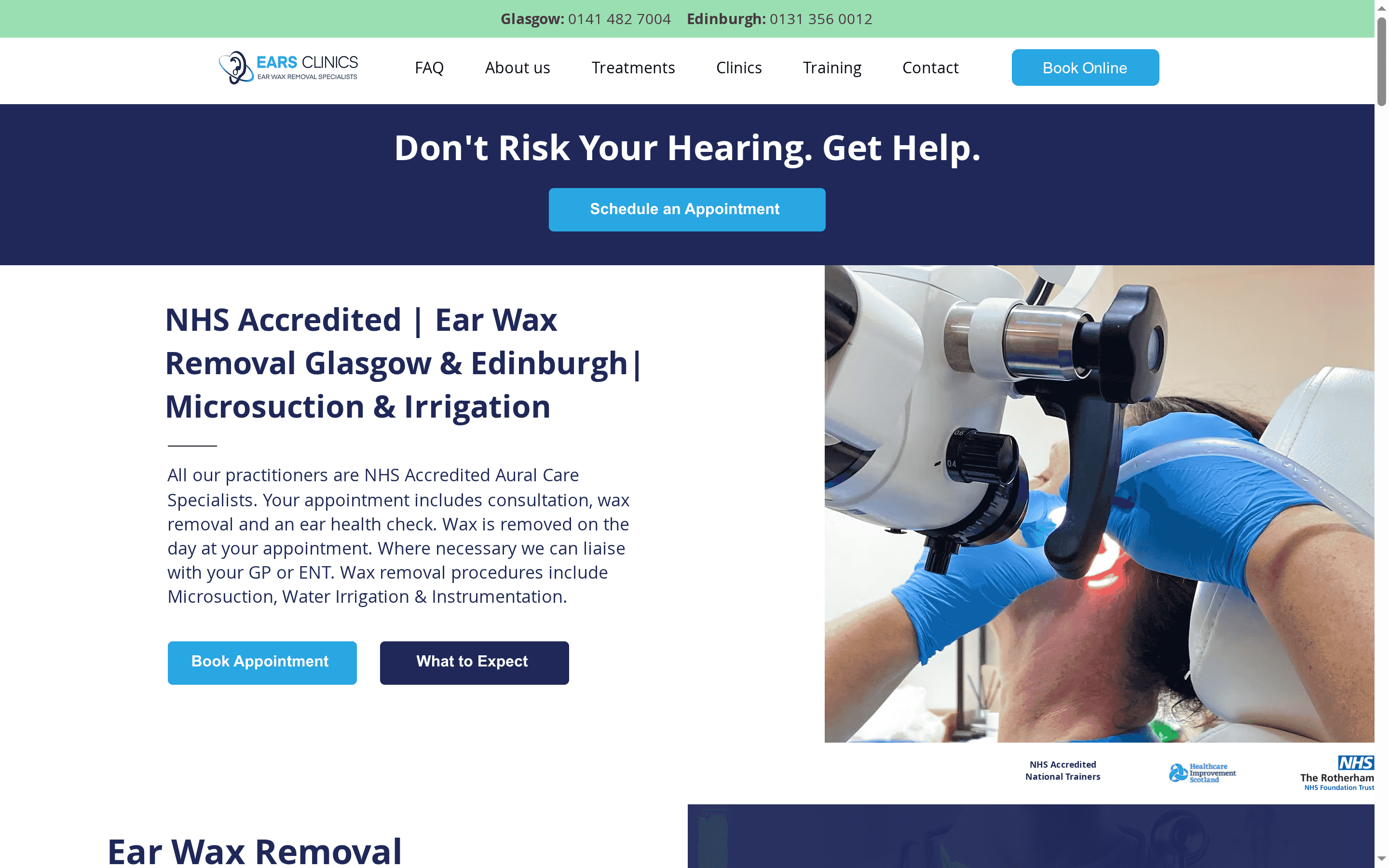
Every appointment comes with the paperwork a claim typically needs: an itemised receipt, a clinical note naming the procedure, and confirmation of the practitioner’s registration. We recommend checking with your insurer or cash plan administrator before you book, so you know exactly what they’ll require.
Ask your insurer whether microsuction and irrigation are both accepted under your policy.
Request your clinician’s registration details and a note describing the procedure for your claim.
Keep your appointment confirmation alongside your receipt for a smoother submission.
If a GP referral is part of your insurer’s requirements, myGPapp’s guide to booking a GP online explains how to arrange that quickly. When you’re ready, you can book an appointment with EARS Clinics for in-clinic or home-visit ear wax removal.
Sources
This article is general information, not a substitute for advice from a qualified doctor. Consult a qualified healthcare professional about your own circumstances before acting on anything here.
FAQ
Does insurance cover ear wax removal in the UK?
Health cash plans often cover ear wax removal up to a small annual limit, while private medical insurance usually requires a GP referral and evidence of clinical necessity. Always confirm the exact terms with your insurer before booking, since cash plan schedules vary by provider and benefit level.
How can I get ear wax removed for free on the NHS?
Check whether your local ICB or health board commissions an LCS for ear wax removal, as NHS guidance confirms availability varies by area. If there’s no local service, your GP can advise whether a referral to audiology or ENT applies to your case.
What does private ear wax removal cost in the UK?
Private appointments typically cost from tens of pounds for adults, with home visits costing more due to travel time. EARS Clinics, for example, charges £60 for adults, £75 for under-18s and £180 for home visits within 20 miles of Glasgow, as listed on its booking page.
Is it worth paying for private health insurance in the UK?
Whether private health insurance is worth it depends on your personal circumstances, including how often you need treatment and your tolerance for NHS waiting times. For something specific like ear wax removal, a health cash plan with a dedicated benefit may offer more predictable value than full PMI.
Which ear wax removal methods do clinics and insurers recognise?
Microsuction, irrigation and manual instrumentation are all clinically recognised methods, with microsuction generally preferred where available and irrigation remaining a safe, effective alternative. Insurers don’t always name every method in their policy wording, so it’s worth confirming with your administrator which procedures qualify before you book.
Recommended