
7 Key Benefits of Ear Wax Removal Training Courses
- Wix Legend Support
- 5 days ago
- 10 min read

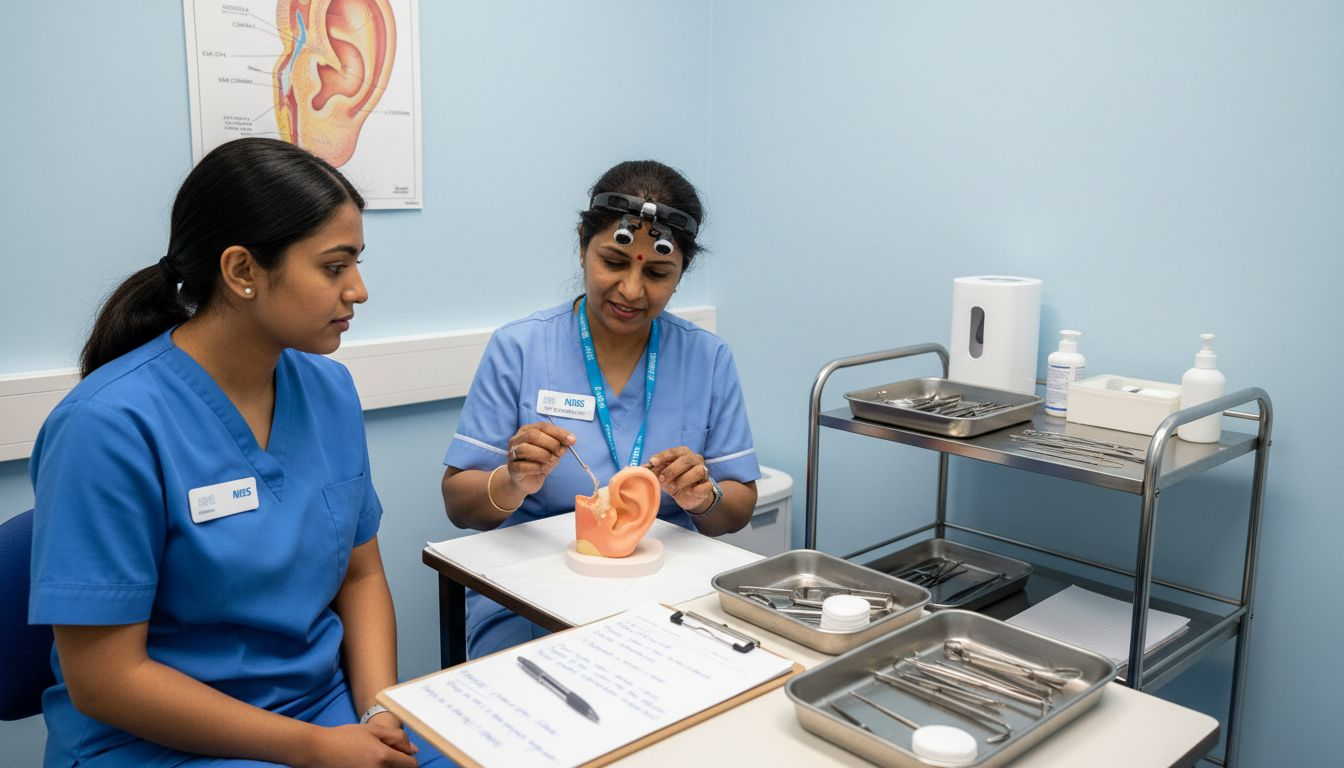
Over ninety percent of British healthcare professionals report improved patient outcomes after formal ear wax removal training. Quality ear care hinges on expert knowledge and precise technique, yet differences in training standards can impact confidence and safety. Navigating British training pathways means understanding NHS accreditation, mastering hands-on skills, and gaining recognised certification. This guide reveals how structured learning helps practitioners deliver safer, more effective aural care while building lasting professional credibility.
Quick Summary
Takeaway | Explanation |
1. Pursue NHS-accredited training | NHS-accredited ear wax removal courses ensure adherence to high professional standards and enhance patient care proficiency. |
2. Gain practical experience with expert guidance | Hands-on training under supervision allows practitioners to develop essential skills and receive immediate feedback for improvement. |
3. Master diverse removal techniques | Learning microsuction, irrigation, and instrumentation techniques enhances clinical flexibility and effectiveness in patient care. |
4. Enhance professional credibility | Specialised training builds professional identity and opens pathways to advanced roles in various healthcare settings. |
5. Ensure safe and effective practices | Rigorous training in infection control and patient assessment minimises risks and ensures high-quality ear care. |
1. Understand NHS-Accredited Training Standards
Ear wax removal training courses represent a critical pathway for healthcare professionals seeking to deliver exceptional patient care through rigorous, standardised medical practice. When pursuing NHS-accredited ear wax removal training, practitioners gain comprehensive insights into professional standards that safeguard patient health and ensure clinical excellence.
The British Society of Audiology establishes meticulous guidelines that define professional competence in aural care. These standards mandate in-depth understanding of ear anatomy, comprehensive knowledge of physiological variations, and mastery of safe wax removal techniques. Successful trainees must demonstrate precise skills in assessing patient conditions, selecting appropriate removal methods, and managing potential clinical complications.
Training programmes accredited by the NHS require practitioners to develop a holistic approach to ear health. This involves not just technical proficiency but also critical assessment skills, patient communication, and adherence to strict clinical protocols. Healthcare professionals learn to evaluate individual patient needs, recognising that each ear presents unique challenges requiring tailored interventions.
Key competencies include understanding different ear wax types, recognising contraindications for specific removal techniques, and implementing best practice infection control measures. Trainees must also develop sophisticated diagnostic skills to differentiate between routine wax build-up and potential underlying medical conditions that require specialist referral.
Professional tip: Always maintain comprehensive clinical documentation and continuously update your professional knowledge through regular training and peer-reviewed research to ensure the highest standards of patient care.
By pursuing NHS-accredited training, practitioners transform theoretical knowledge into practical expertise, ultimately improving patient outcomes and maintaining the highest professional standards in aural healthcare.
2. Gain Hands-On Experience With Expert Guidance
Practical training represents the cornerstone of exceptional ear wax removal expertise, transforming theoretical knowledge into clinical proficiency. Specialised refresher courses provide healthcare professionals with invaluable opportunities to develop sophisticated manual skills under direct professional supervision.
Hands-on experience allows practitioners to bridge the critical gap between academic learning and real-world clinical application. Expert-guided training sessions create controlled environments where professionals can practice intricate procedures, learn nuanced techniques, and receive immediate feedback from experienced aural care specialists. These immersive learning experiences enable participants to refine their microsuction, irrigation, and manual instrumentation skills with precision and confidence.
Training programmes typically incorporate comprehensive simulation scenarios that mirror actual patient interactions. Participants learn to navigate complex clinical situations, assess individual patient needs, and select appropriate wax removal techniques based on comprehensive ear examinations. This approach ensures practitioners develop not just technical competence but also critical decision-making abilities essential for patient safety.
Professional clinicians benefit from structured training that emphasises practical skill development. By practicing under expert guidance, healthcare professionals learn to manage diverse ear conditions, recognise potential complications, and implement best practice protocols. The mentorship model allows for immediate correction of techniques, helping practitioners refine their approach and build muscle memory for delicate procedural skills.
Professional insight: Document every training procedure meticulously and request constructive feedback from senior practitioners to accelerate your professional development and clinical expertise.
Ultimately, hands-on training transforms competent practitioners into exceptional aural care professionals, ensuring the highest standards of patient treatment and safety.
3. Master Microsuction, Irrigation, and Instrumentation
Mastering multiple ear wax removal techniques represents a critical milestone for healthcare professionals seeking comprehensive aural care expertise. Comprehensive ear care training enables practitioners to develop sophisticated skills across microsuction, irrigation, and manual instrumentation approaches.
Each ear wax removal technique demands unique technical proficiencies and nuanced clinical understanding. Microsuction requires precise visual examination and controlled suction techniques, allowing practitioners to safely remove wax without introducing moisture into the ear canal. Irrigation techniques involve carefully controlled water pressure, ensuring gentle and effective wax removal while maintaining patient comfort. Manual instrumentation demands exceptional manual dexterity and intricate procedural knowledge to manipulate specialised tools safely.
Professional training programmes equip practitioners with advanced assessment skills to determine the most appropriate intervention for individual patient needs. Understanding the strengths and limitations of each technique allows clinicians to personalise treatment approaches, minimising potential risks and maximising patient outcomes. Practitioners learn to conduct comprehensive ear examinations, recognise contraindications, and select the most suitable wax removal method based on detailed clinical assessment.
Advanced training focuses not just on technical skills but on developing sophisticated clinical reasoning. Participants learn to evaluate ear canal anatomy, assess wax consistency, identify potential complications, and implement best practice infection control protocols. This holistic approach transforms practitioners from mere technicians into skilled aural care specialists capable of delivering exceptional patient care.
Professional insight: Continuously update your clinical knowledge and practice your manual techniques through regular supervised training to maintain the highest standards of professional competence.
By mastering multiple ear wax removal techniques, healthcare professionals create a robust clinical toolkit that enables flexible, patient centred care across diverse clinical scenarios.
4. Boost Professional Credibility and Career Prospects
Professional development in ear wax removal represents a strategic pathway to enhanced career opportunities and clinical excellence. NHS-accredited ear wax removal training transforms healthcare practitioners from generalists to specialised aural care professionals with distinctive marketable skills.
Professional credibility emerges from comprehensive, structured training that demonstrates commitment to advanced clinical practice. Healthcare professionals who invest in specialised ear care education distinguish themselves in competitive medical environments, signalling a dedication to patient safety, continuous learning, and precision healthcare delivery. These credentials communicate expertise beyond standard medical qualifications, making practitioners more attractive to potential employers and patients alike.
Specialised ear wax removal training opens multiple career pathways across diverse healthcare settings. Practitioners can explore opportunities in NHS clinics, private healthcare practices, audiological centres, occupational health services, and specialist ear care clinics. The skills acquired through advanced training enable professionals to offer targeted services, potentially developing niche practice areas or establishing independent clinical practices focused on aural healthcare.
Beyond immediate career prospects, comprehensive ear wax removal training represents an investment in professional growth. Practitioners develop transferable skills including patient assessment, clinical decision making, precise manual techniques, and comprehensive documentation. These competencies extend well beyond ear care, enhancing overall clinical capabilities and professional versatility.
Professional insight: Maintain a professional portfolio documenting your specialised training, clinical experiences, and continuous professional development to showcase your expertise and commitment to exceptional patient care.
Ultimately, ear wax removal training transforms healthcare professionals into highly skilled, sought after specialists capable of delivering exceptional patient centred care across diverse clinical environments.
5. Ensure Safe and Effective Ear Care Practices
Safe ear care practices represent a fundamental cornerstone of professional healthcare, demanding rigorous training and meticulous attention to clinical protocols. British Society of Audiology minimum training standards provide comprehensive guidelines ensuring practitioners deliver exceptional patient care with minimal risk.
Patient safety emerges as the paramount consideration in ear wax removal procedures. Professional training equips practitioners with critical skills to assess individual patient conditions, recognise potential contraindications, and select appropriate intervention techniques. Understanding ear anatomy, recognising variations in ear canal structure, and implementing strict infection control measures are essential components of safe clinical practice.
Comprehensive ear care training develops sophisticated clinical reasoning skills that extend beyond technical procedures. Practitioners learn to conduct thorough patient assessments, identify potential complications, and make informed decisions about the most appropriate wax removal technique. This holistic approach minimises potential risks associated with inappropriate or poorly executed ear interventions.
Effective ear care practices involve more than technical proficiency. Practitioners must develop exceptional communication skills, enabling them to explain procedures clearly, manage patient anxieties, and obtain informed consent. Training programmes emphasise the importance of patient education, helping individuals understand ear health maintenance and potential warning signs that require medical intervention.
Professional insight: Consistently update your clinical knowledge and maintain detailed patient documentation to ensure the highest standards of professional care and patient safety.
By prioritising safe and effective ear care practices, healthcare professionals protect patient wellbeing while delivering high quality, compassionate clinical interventions.
6. Flexible Learning With On-Site and UK-Wide Options
Modern professional development demands flexible, accessible training solutions that accommodate diverse healthcare practitioners’ schedules and learning preferences. Ear wax removal refresher courses now offer innovative learning pathways that transform traditional educational approaches.
Flexible learning options represent a significant advancement in professional medical training. Healthcare practitioners can now access comprehensive ear wax removal education through multiple formats including on-site workshops, modular online programmes, weekend intensive courses, and tailored professional development sessions. These diverse learning approaches enable professionals to enhance their clinical skills without disrupting existing work commitments.
UK-wide training programmes provide unprecedented accessibility for healthcare professionals across different regions. Practitioners in remote or rural locations can now participate in high quality ear care education without extensive travel. Online theoretical components combined with strategic in-person practical sessions ensure comprehensive skill development while maintaining geographical flexibility.
Training providers have developed sophisticated learning models that blend theoretical knowledge with practical skill acquisition. These programmes typically incorporate interactive online modules, virtual simulation exercises, and hands-on clinical workshops. Such comprehensive approaches allow practitioners to progress at their individual pace while maintaining rigorous professional standards and ensuring consistent learning outcomes.
Professional insight: Select a training programme that offers a balanced combination of theoretical learning and practical skill development to maximise your professional growth and clinical competence.
Flexible learning options democratise professional development, enabling healthcare practitioners to continually enhance their skills through accessible, innovative educational approaches.
7. Receive Recognised Certification and Ongoing Support
Recognised certification represents a pivotal milestone in a healthcare professional’s career trajectory, transforming specialised training into tangible professional credentials. NHS-accredited ear wax removal training provides practitioners with authoritative documentation that validates their expertise and commitment to clinical excellence.
Professional certification offers more than a mere piece of paper. It signifies a comprehensive understanding of ear care practices, demonstrating to employers, colleagues, and patients that the practitioner has undergone rigorous training meeting the highest national healthcare standards. These credentials serve as a powerful testament to a professional’s dedication to ongoing learning and patient safety.
Beyond initial certification, reputable training programmes provide ongoing professional support that extends well beyond the classroom. This continuous guidance helps practitioners stay updated with emerging clinical techniques, regulatory changes, and technological advancements in ear care. Many programmes offer alumni networks, professional mentorship opportunities, and access to refresher courses that ensure practitioners maintain their clinical competence.
Recognised certifications can significantly enhance career prospects, opening doors to advanced clinical roles, specialised practice opportunities, and potential leadership positions within healthcare settings. Employers increasingly value professionals who demonstrate commitment to continuous professional development and hold nationally recognised qualifications in specialised clinical skills.
Professional insight: Maintain a comprehensive professional portfolio documenting your certifications, training experiences, and continuous learning achievements to showcase your professional growth and expertise.
Certification represents more than an endpoint. It is a dynamic pathway of professional development, enabling healthcare practitioners to deliver exceptional patient care while continually expanding their clinical capabilities.
Below is a comprehensive table summarising the key aspects of NHS-accredited ear wax removal training as discussed throughout the article.
Topic | Description | Key Considerations |
NHS Training Standards | Provides rigorous, standardised training for patient care. | Focus on ear anatomy, safe techniques, and clinical protocols. |
Hands-On Experience | Practical training with expert guidance to build clinical proficiency. | Emphasis on feedback, refined skills, and patient safety. |
Mastering Techniques | Develop skills in microsuction, irrigation, and instrumentation. | Understand technique pros and cons; adapt to individual needs. |
Professional Growth | Transforms practitioners into specialists with marketable skills. | Expands career opportunities in various healthcare settings. |
Safe Practices | Ensures patient safety through strict adherence to guidelines. | Incorporates infection control and thorough patient assessments. |
Flexible Learning | Offers various training formats for accessibility. | Includes on-site workshops and online modules. |
Certification & Support | Provides recognised credentials and ongoing professional support. | Enhances career prospects and ensures continual development. |
Elevate Your Ear Care Skills with Trusted Professional Support
The article highlights how mastering NHS-accredited ear wax removal training enhances patient safety, clinical proficiency, and career potential by embracing advanced techniques like microsuction and irrigation. If you are seeking expert care or want to experience these trusted procedures firsthand, EARS Clinics in Glasgow and Edinburgh offer just that with dedicated NHS-accredited Aural Care Specialists. Our clinics provide flexible options including same-day appointments and home visits, ensuring you receive safe and effective ear wax removal without long waits or pre-treatment conditions.
Discover the confidence of care backed by Healthcare Improvement Scotland registration and enjoy:
Expert application of microsuction, irrigation, and manual instrumentation
Tailored services for children and complex conditions
Transparent pricing and convenient booking
Take control of your ear health today at EARS Clinics and benefit from the highest standards outlined in British Society of Audiology guidelines. Book your appointment now or explore how our home visit service brings professional ear care directly to your door. Exceptional, safe ear wax removal has never been more accessible.
Frequently Asked Questions
What are the main benefits of ear wax removal training courses?
The main benefits include gaining accredited skills, improving patient care, and enhancing professional credibility. Enrol in a course to become a specialised practitioner and stand out in the healthcare industry.
How does hands-on experience improve my ear wax removal skills?
Hands-on experience is crucial as it allows you to practise under expert guidance. Engage in practical sessions to refine your techniques and gain confidence, ultimately improving your clinical proficiency.
What techniques will I learn in ear wax removal training?
You will learn various techniques, including microsuction, irrigation, and manual instrumentation. Master these methods to provide comprehensive care and select the best approach for each patient’s needs.
How can certified ear wax removal training boost my career prospects?
Certification demonstrates your specialised expertise and commitment to continuous learning, making you more attractive to employers. Pursue recognised training to open doors to advanced roles and specialised practice opportunities.
What safety practices are covered in ear wax removal training courses?
Training courses cover essential safety practices, including patient assessment, infection control, and recognising contraindications. Implement these measures to ensure you provide safe and effective ear care while minimising risks to patients.
Recommended